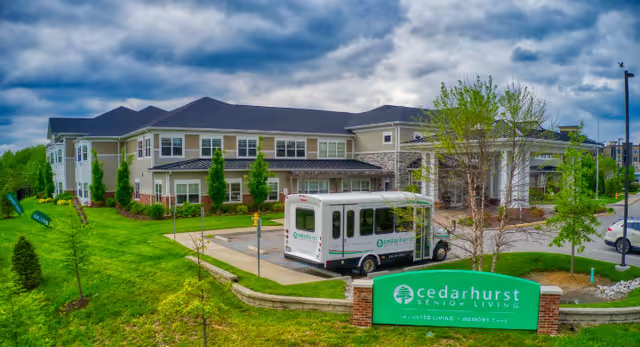
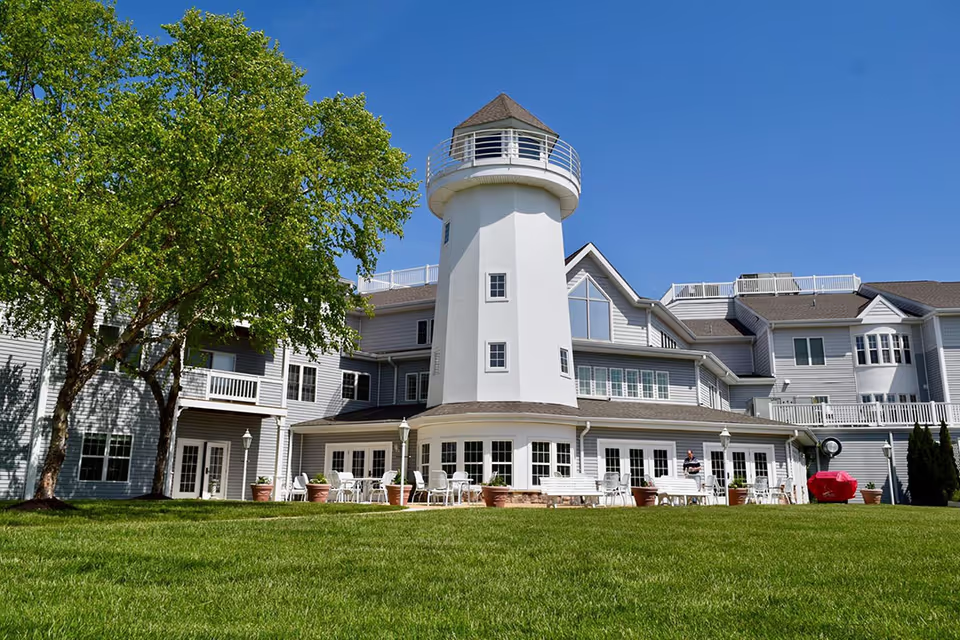
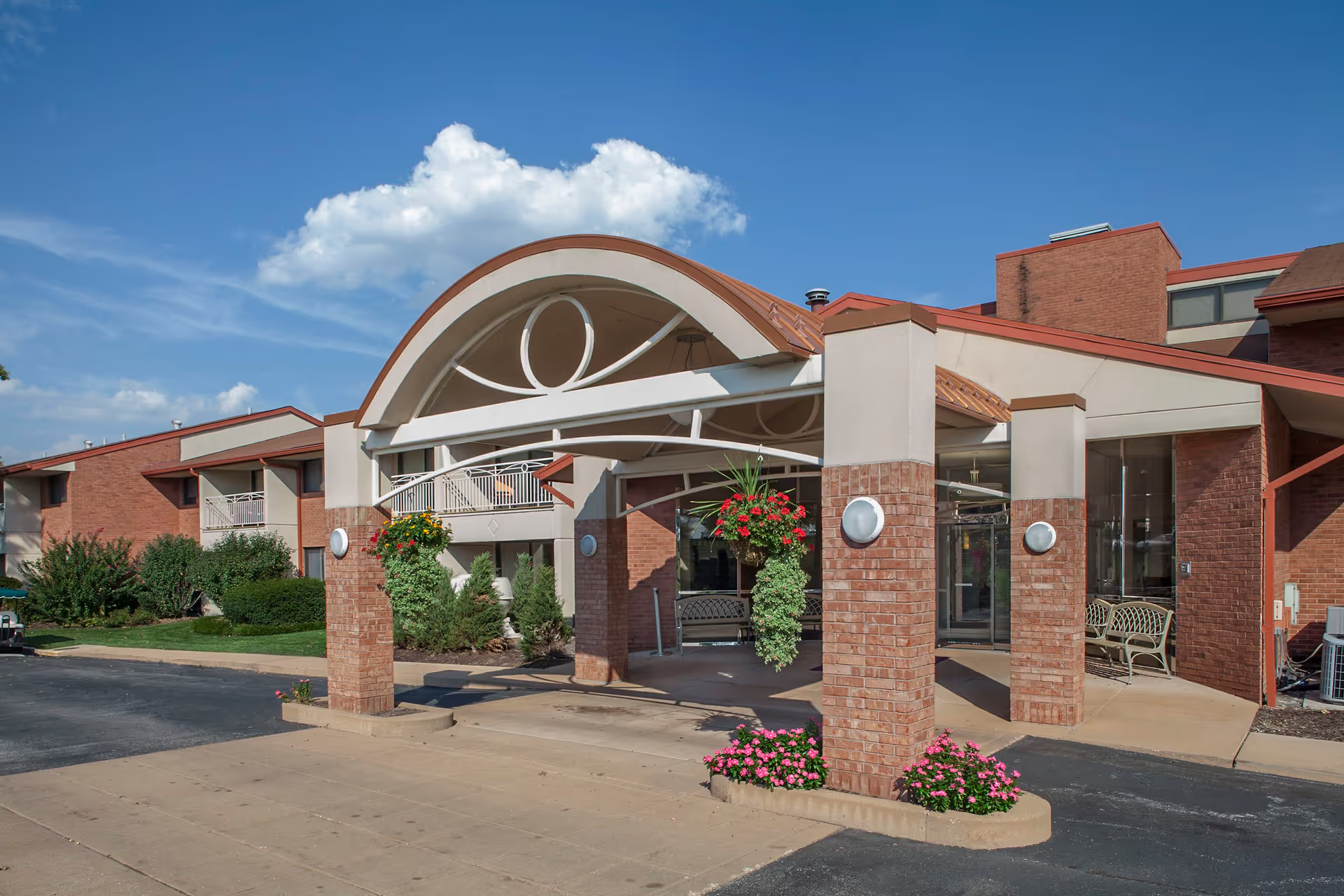
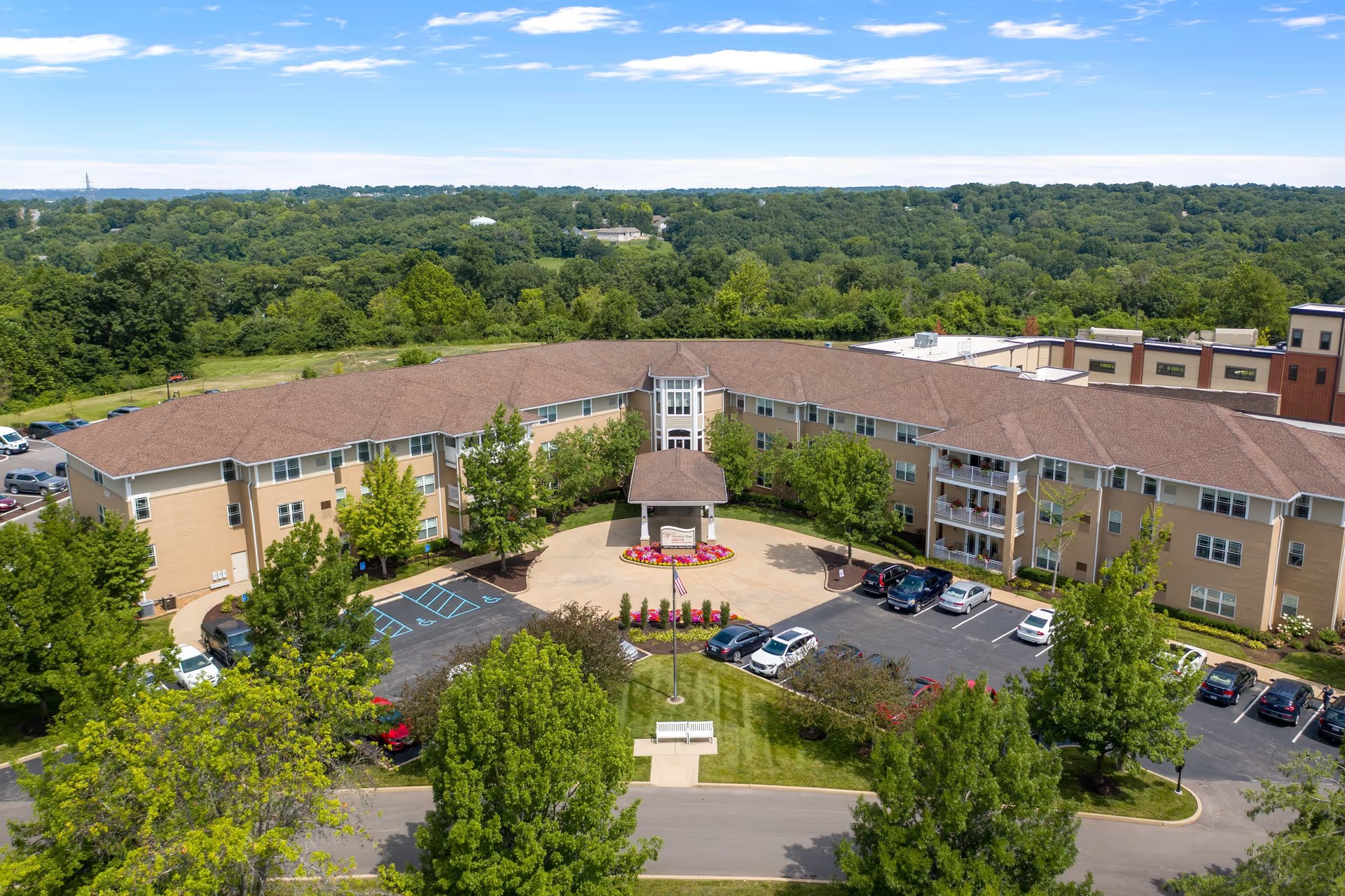
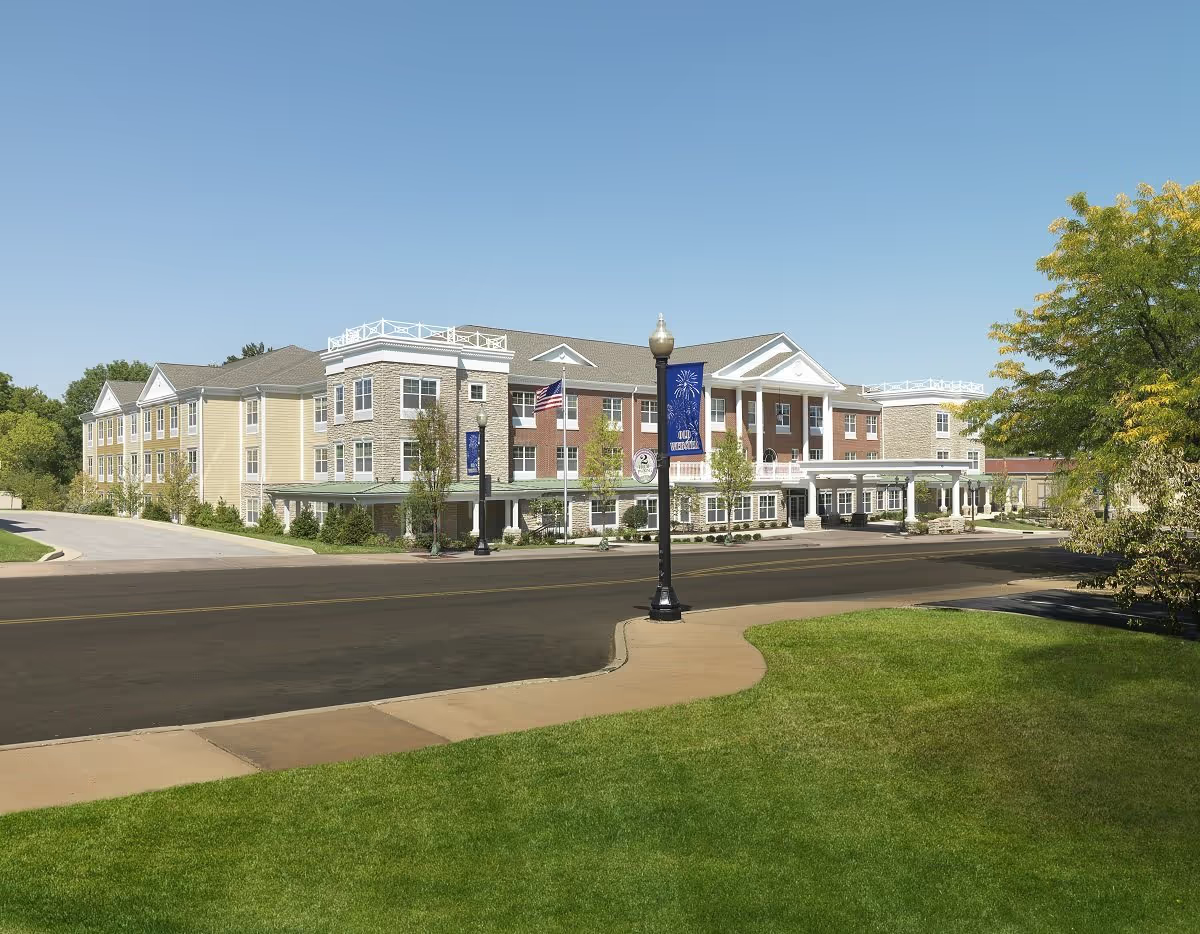
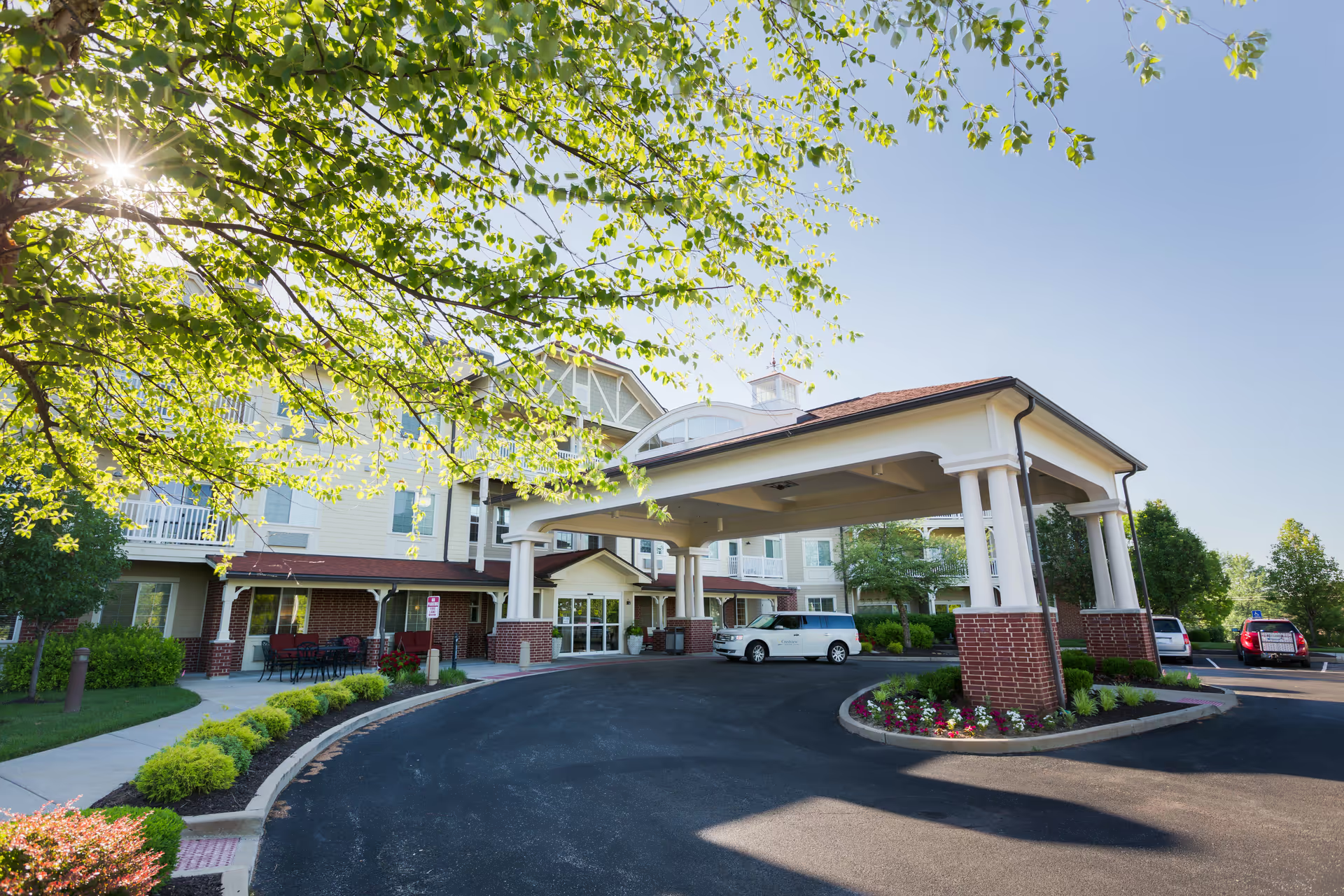
The body of reviews for this facility presents a mixed picture with clear strengths and recurring operational weaknesses. Positively, many families and residents highlight compassionate direct-care staff, particularly several nurses and CNAs who provided attentive bedside care. The rehabilitation program—physical, occupational and speech therapy—receives frequent praise for clinical effectiveness and measurable progress. The building and resident rooms are often described as clean, modern, and comfortable, with well-maintained therapy spaces, transportation options, and useful amenities such as on-site dialysis. Social work, business-office staff and some administrative personnel are also identified as responsive and helpful in navigating insurance, discharge, and care-planning tasks. An active activities program and a highly-regarded activities director are noted as contributors to resident engagement and community atmosphere.
Counterbalancing those strengths, a substantial portion of feedback points to operational inconsistencies that families should weigh carefully. Staffing levels and mix are a recurring concern: reviewers cite frequent reliance on temporary staff, understaffed weekends, and variability between floors or units. Those staffing challenges are tied to slow response times to call lights and requests, inconsistent assistance with bathing and toileting needs, and delays in routine tasks. Several accounts describe medication-timing errors or missed doses and gaps in clinical follow-up (for example, wound dressing changes or timely escalation of changes in condition), indicating weaknesses in medication-administration controls and clinical-protocol adherence.
Dining and housekeeping emerge as uneven areas. Multiple reviewers report meals that arrive late, are served cold, or do not meet special-diet needs, while others praise the kitchen and dining staff for good meals and service. Cleanliness and odor-control receive mixed feedback: many visitors find the facility clean and pleasant, whereas other reports note sanitation and odor concerns in particular rooms or corridors, inconsistent housekeeping or laundry processes, and occasional pest-control questions.
Communication and safety are additional themes. Families describe both examples of strong, compassionate communication (timely therapist follow-up, social-worker involvement) and examples of poor responsiveness (unanswered phones, delayed discharge coordination, and limited management availability). Safety-related issues are present in several reviews: falls, inadequate supervision during transfers, and environmental hazards point to opportunities to strengthen fall-prevention and supervision protocols. There are also intermittent security and personal-property concerns (missing items, laundry issues) that suggest improvements in inventory and accountability processes would be beneficial.
In sum, the facility offers meaningful strengths—particularly in rehabilitation services, engaged activity programming, and in many instances compassionate direct-care staff and clean, comfortable spaces. At the same time, reviewers identify systemic operational gaps: inconsistent staffing patterns, lapses in timely clinical care and medication administration, variable meal service, and uneven communication and supervision practices. Prospective residents and families should consider visiting during different shifts, asking specific questions about staffing ratios and medication/wound protocols, and confirming weekend and discharge procedures to assess how well the facility’s strengths align with the resident’s clinical and daily-living needs.