Overall impression Reviews present a mixed picture: multiple accounts highlight caring, committed direct-care staff and positive family experiences, while a number of operational and environmental concerns recur across accounts. Prospective families are likely to encounter strong individual caregivers alongside systemic issues related to facility condition, staffing, and administrative responsiveness.
Care quality and clinical practices Several families praised the facility's CNAs and some nursing staff for compassion and attentiveness; hospice providers have reportedly trusted the facility for end-of-life care. At the same time, reviews indicate operational gaps that affect clinical care continuity: delayed or inconsistent bathing and incontinence care, transfer and mobility-assistance practices that reviewers found problematic, and concerns about medication management and monitoring. There are also references to infection-control and wound-care issues; these comments suggest the need for closer oversight of basic clinical procedures and hygiene workflows.
Staff and interpersonal environment Direct-care staff are often described as respectful and willing to go beyond basic duties, which is a clear strength. Counterbalancing this, reviews describe inconsistent staff behavior, occasional rude interactions, and staff-to-staff conflict that reviewers felt impacted resident experience. Understaffing and perceived underqualification in some roles were cited as contributors to delayed responses and uneven care. These patterns point to training, supervision, and workforce-stability challenges.
Dining, activities, and resident life Multiple accounts identify inconsistent meal quality and small portioning as a recurring concern. Reviewers also described a low-stimulation environment for some residents — references to hallway confinement and a depressing atmosphere indicate limited activity programming or engagement for certain residents. Families seeking an active social program or robust dining experience should inquire specifically about current menus, portion sizes, and activity schedules.
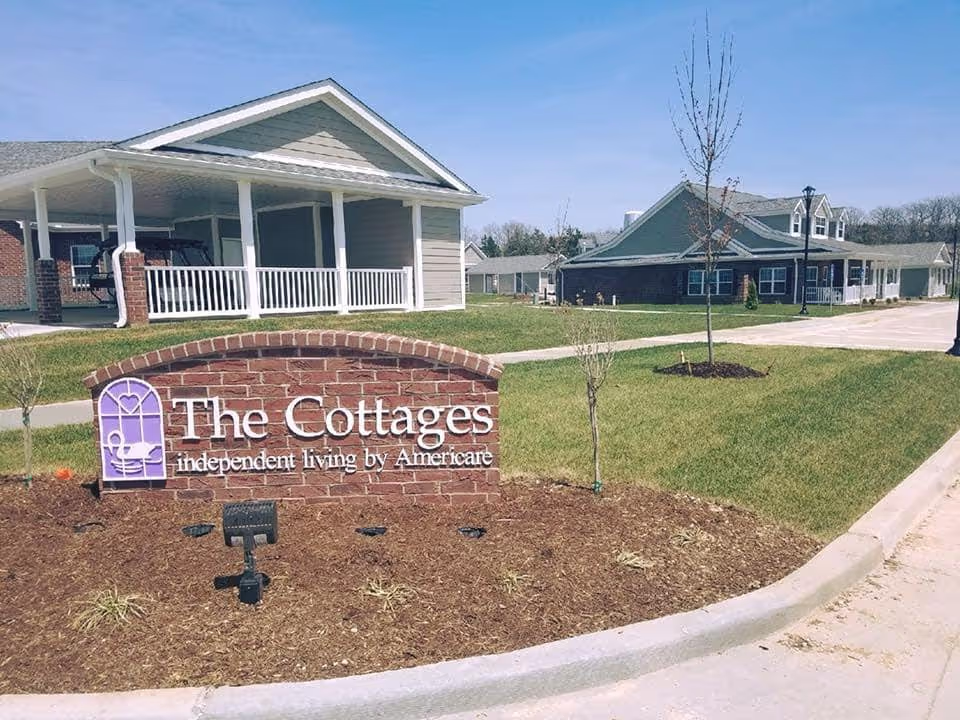
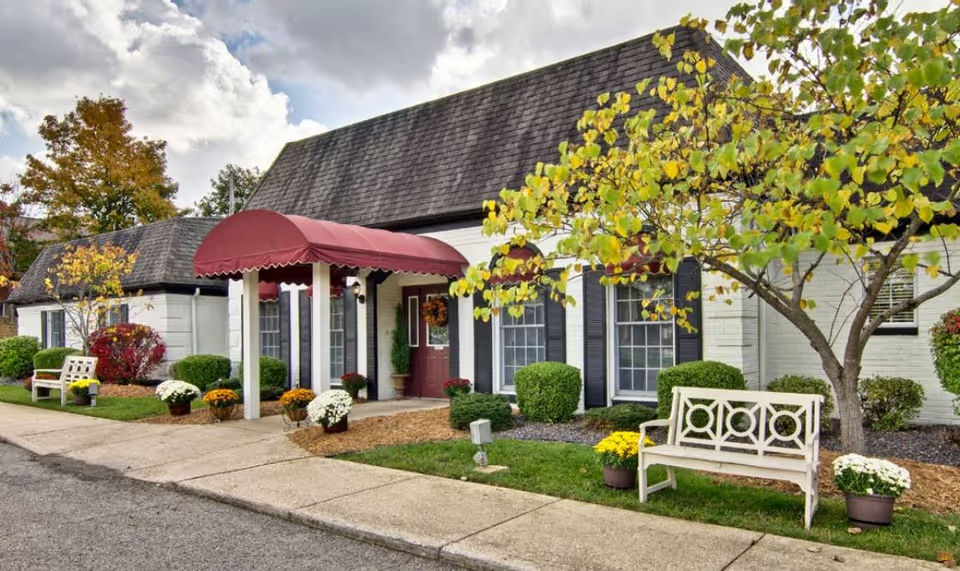
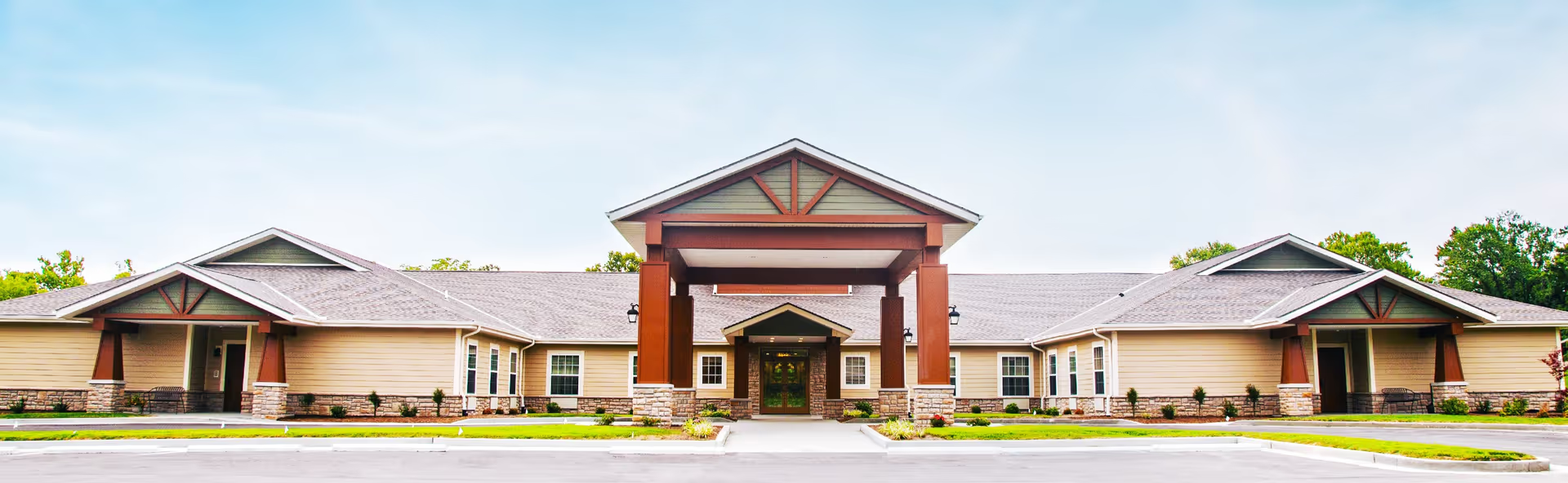
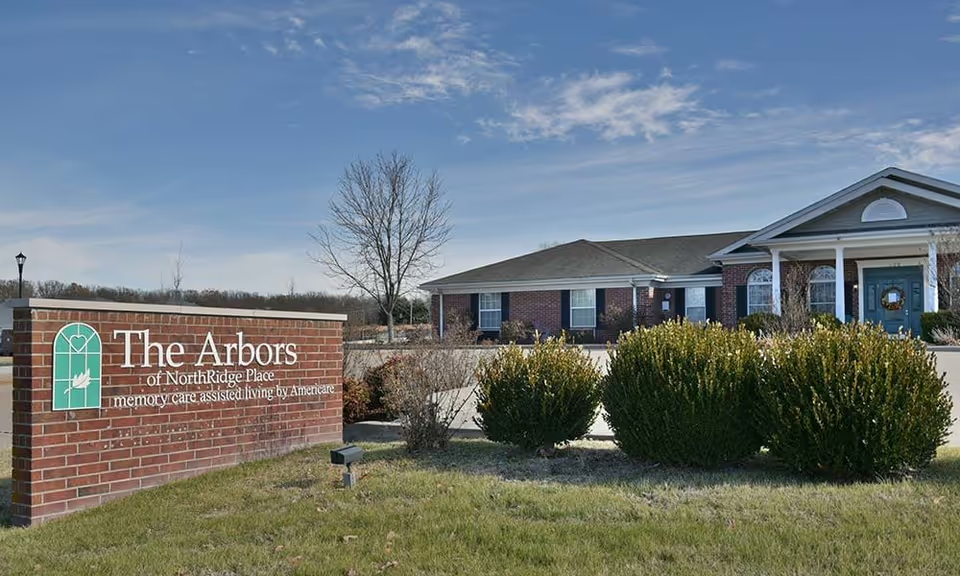
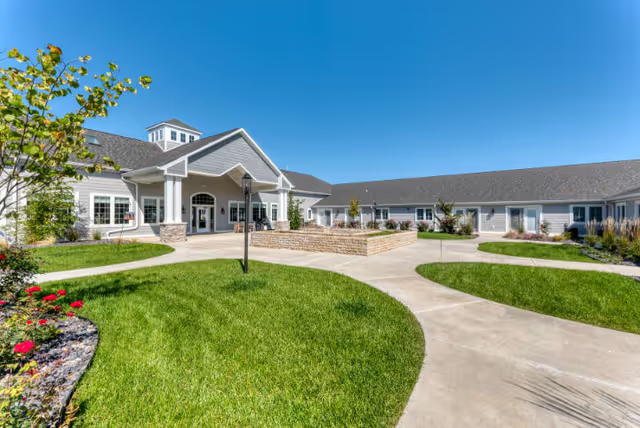
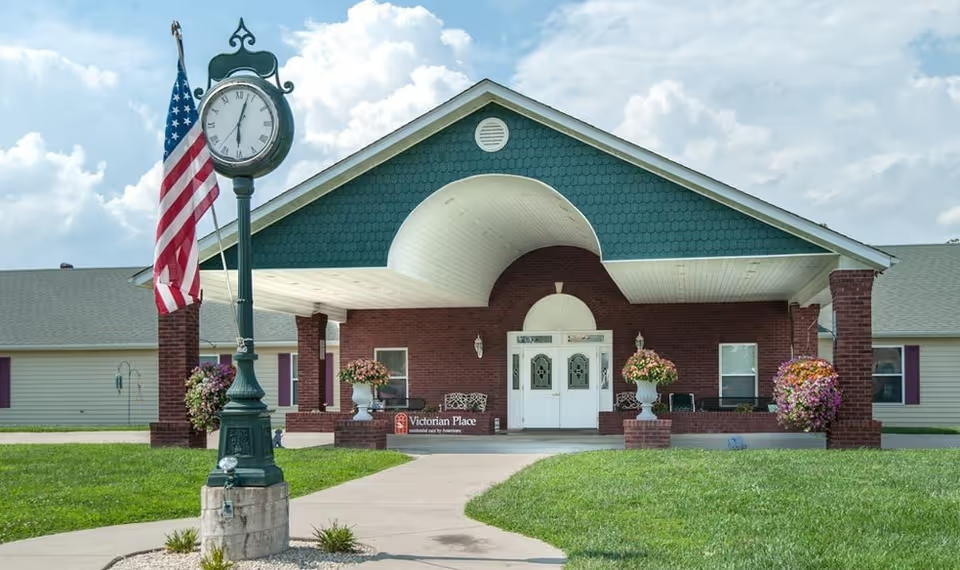
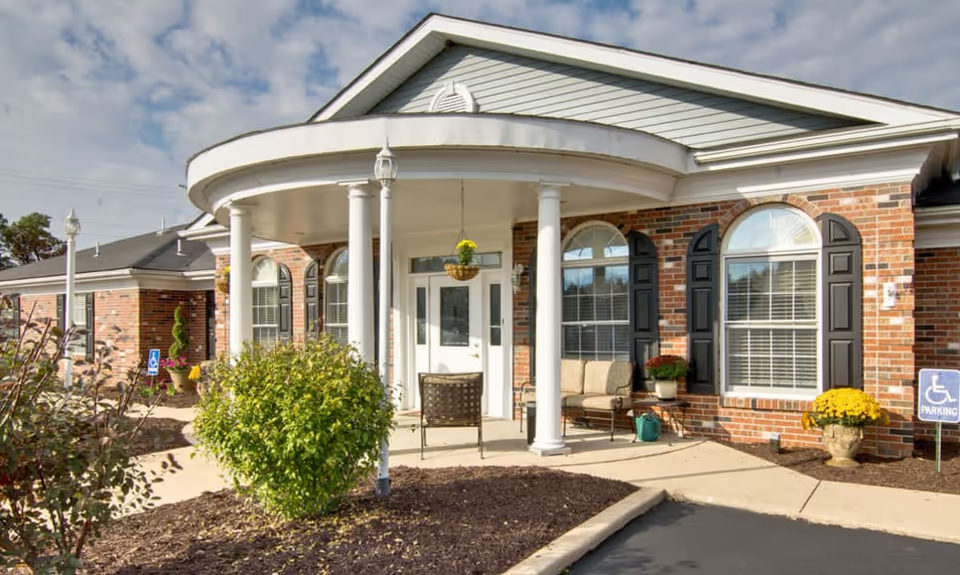
Facilities, safety, and amenities The building is frequently described as dated and in need of renovation; reviewers raised building-maintenance issues including mold concerns and other environmental hazards. In-room amenities and privacy features were noted as lacking in some areas — for example, limited in-room communication devices, door-locking options, and surveillance/monitoring resources. Adaptive equipment and bedding appropriate for larger or taller residents were also reported as insufficient. These items suggest investments in physical plant and equipment would materially affect resident comfort and safety.
Management and notable patterns A recurring theme is dissatisfaction with management responsiveness and perceived administrative accountability. Reviewers describe conflicting interactions with leadership and inadequate follow-through on concerns. Taken together, the pattern is one of strong individual caregivers operating within a setting that may lack the staffing, training, facilities, and managerial systems needed for consistently high performance.
What families should consider Families who prioritize compassionate bedside care may find committed CNAs and supportive nurses here. Families concerned about facility condition, staffing levels, meal quality, privacy features, or consistent clinical practices should ask targeted questions during visits: current staffing ratios, infection-control protocols, transfer-training practices, equipment availability for larger residents, recent maintenance or renovation plans, and examples of management follow-up on family concerns. Arranging a tour during meal times and activity periods, and speaking with hospice or other external providers who have worked with the facility, can help give a clearer picture of day-to-day operations.