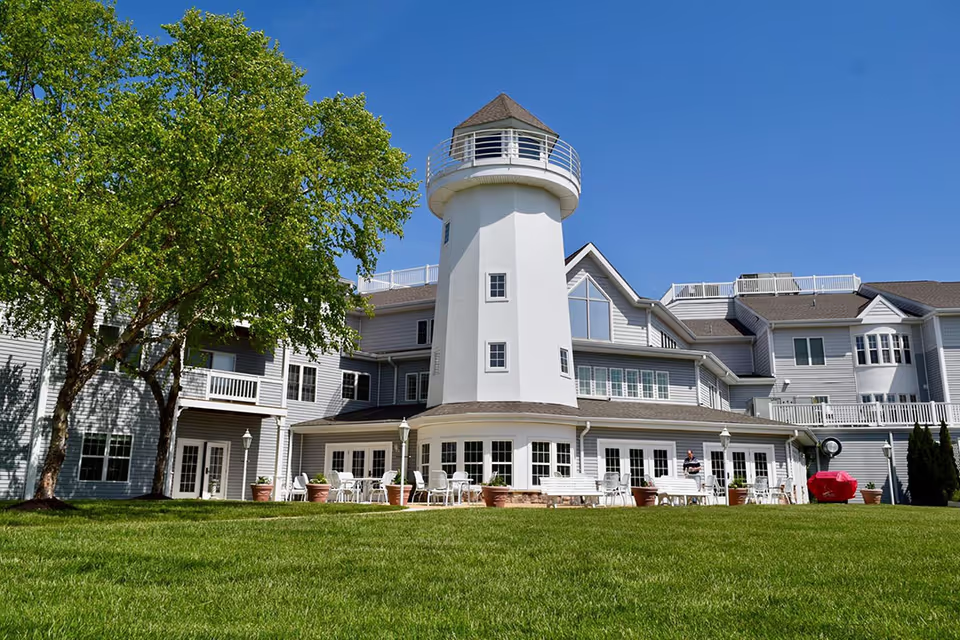
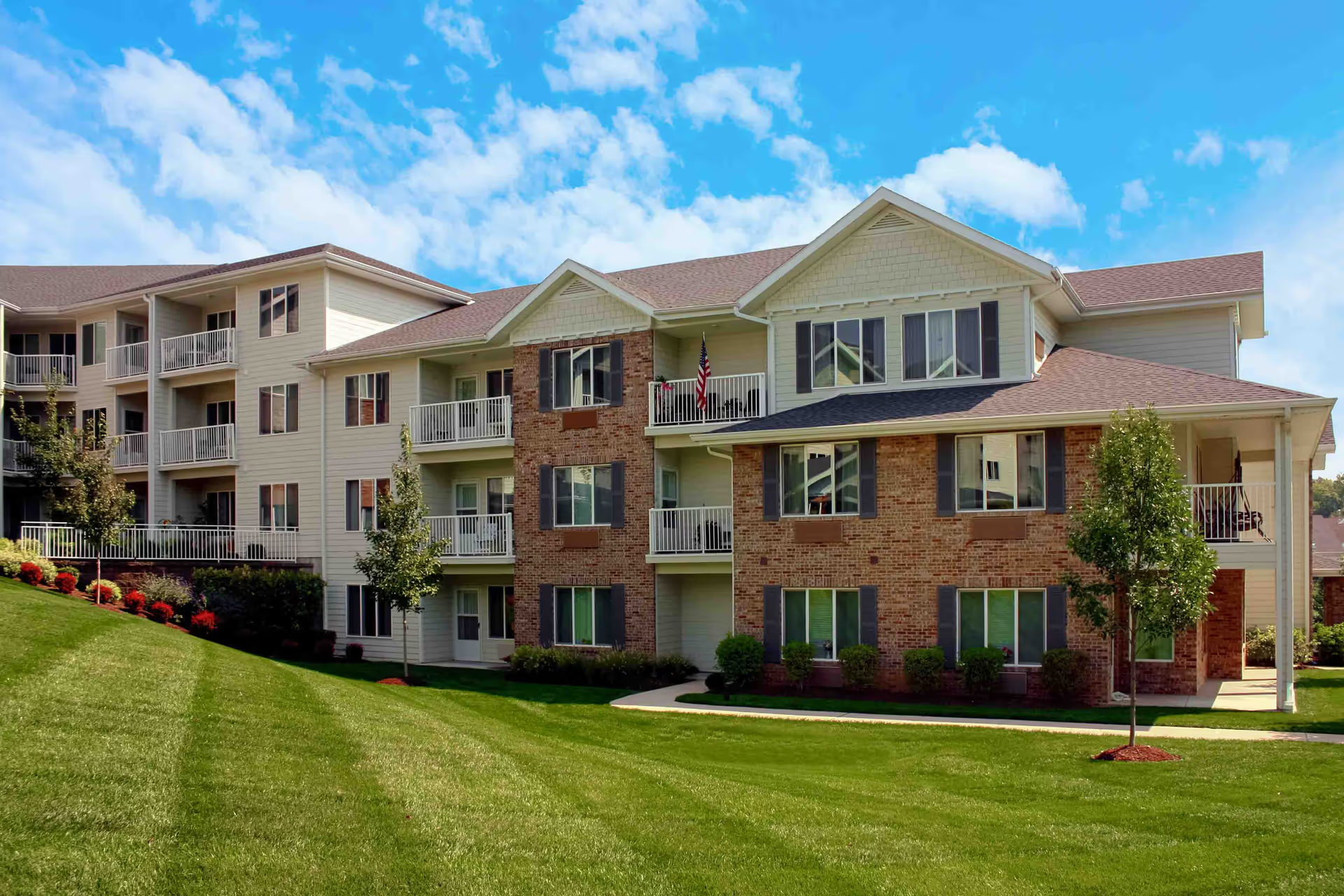
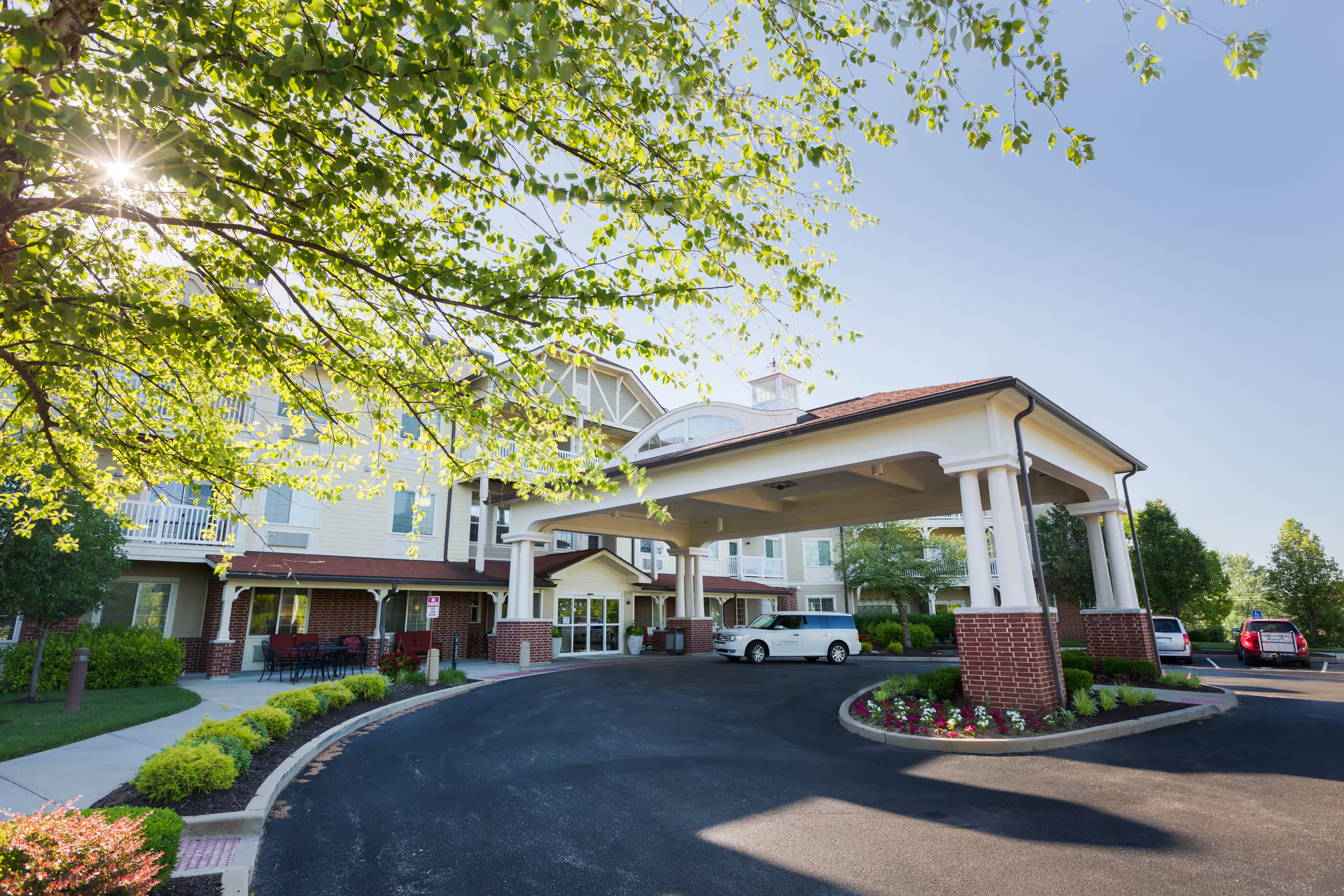
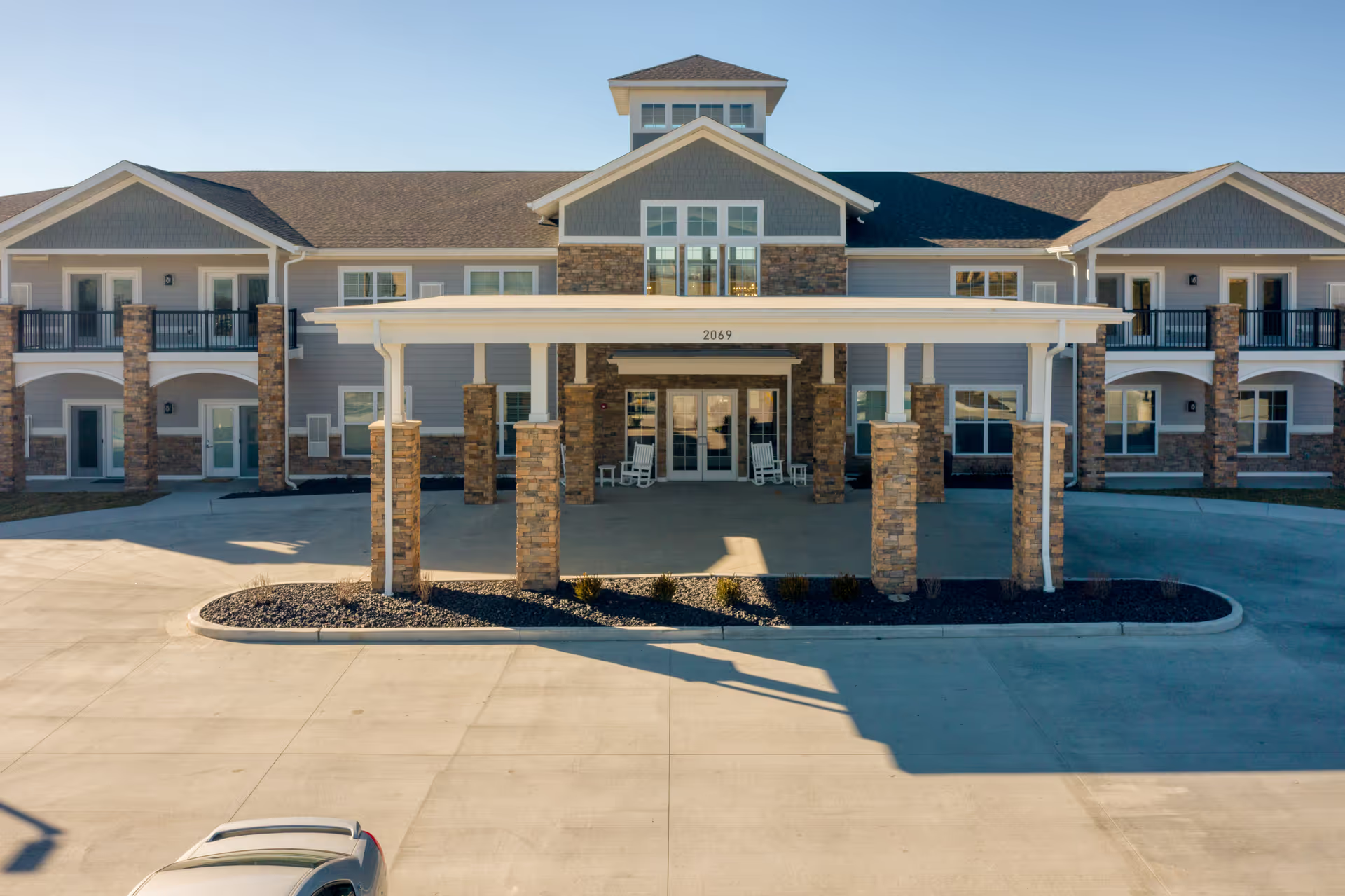
Reviews of Leo H. Fieser Nursing Center are mixed, with a clear split between strong praise for day-to-day caregiving and environment and serious concerns about clinical decision-making and communication. Positive comments emphasize a clean, quiet facility with affordable private rooms, home-style meals, and an active recreational calendar. Several reviewers highlighted attentive, friendly direct-care staff who keep residents well-groomed and engaged in social activities.
Care and staff performance draw divergent impressions. Many families described respectful, hands-on caregivers who provide routine personal care and companionship. At the same time, a number of accounts raise substantial concerns about clinical triage, monitoring, and response: examples include delayed attention to basic needs, contested assessments of injuries, and refusal or delay of hospital transfers. One account described later-identified fractures and potential legal follow-up; this represents a serious individual concern that prospective families should probe further when evaluating the facility.
Dining and activities are frequently cited as strengths. Reviewers describe home-cooked meals and a variety of programmed offerings—card games, bingo, singing, organ music and special events such as a fashion show—which contribute to a lively social environment for residents.
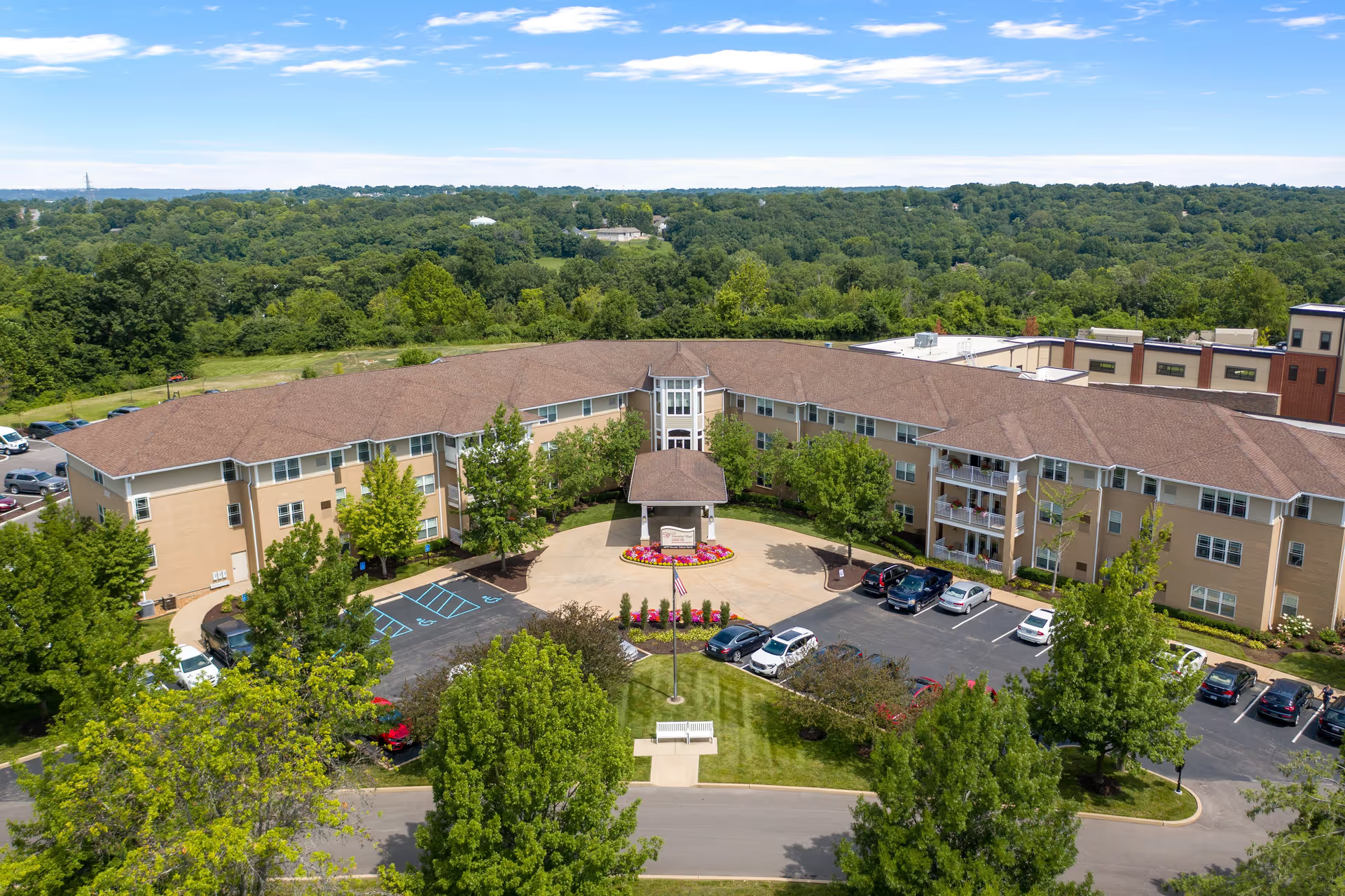
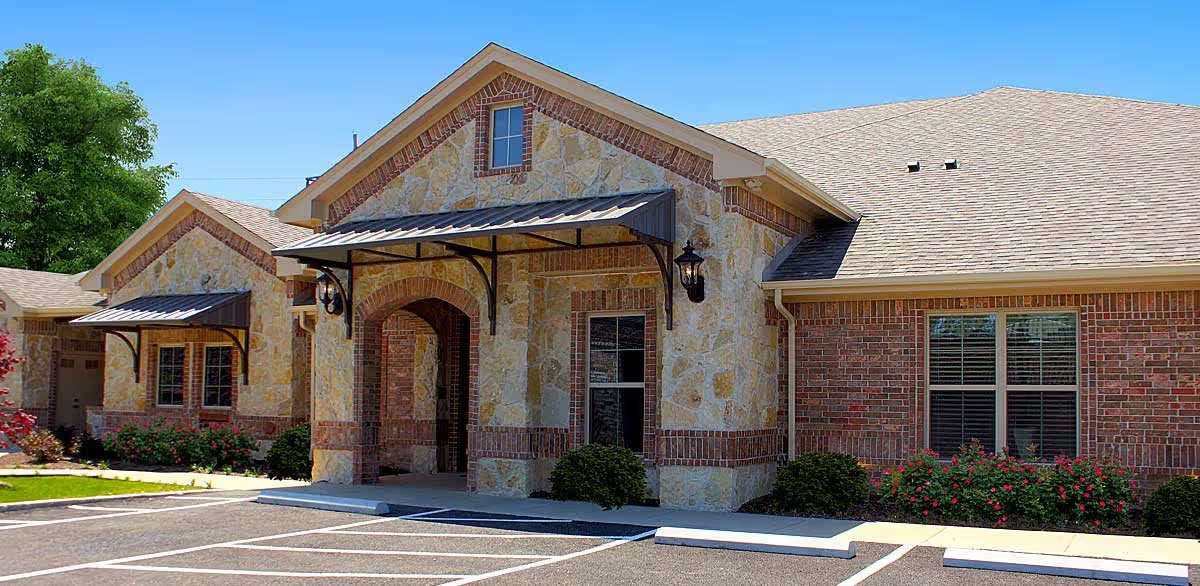
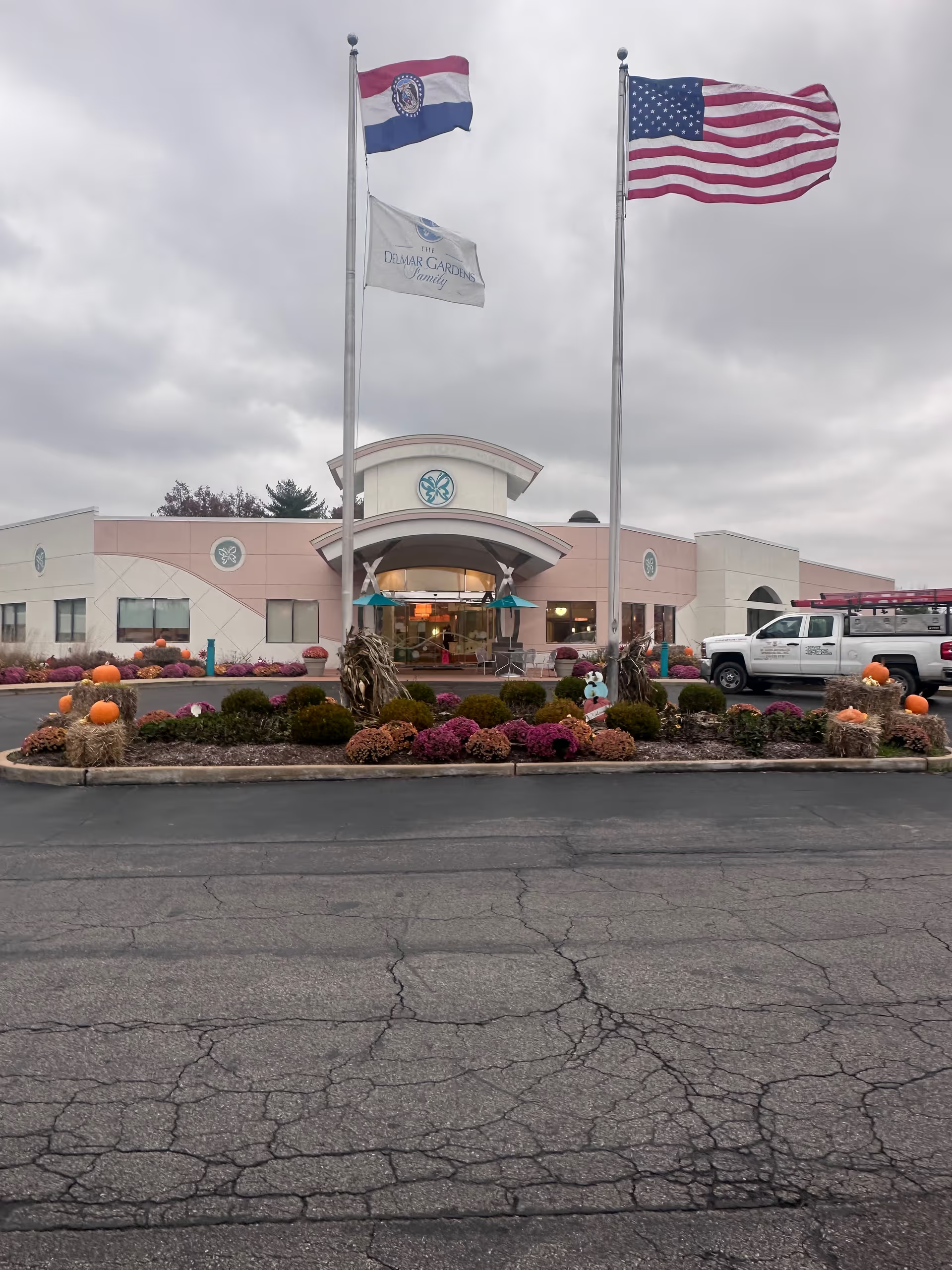
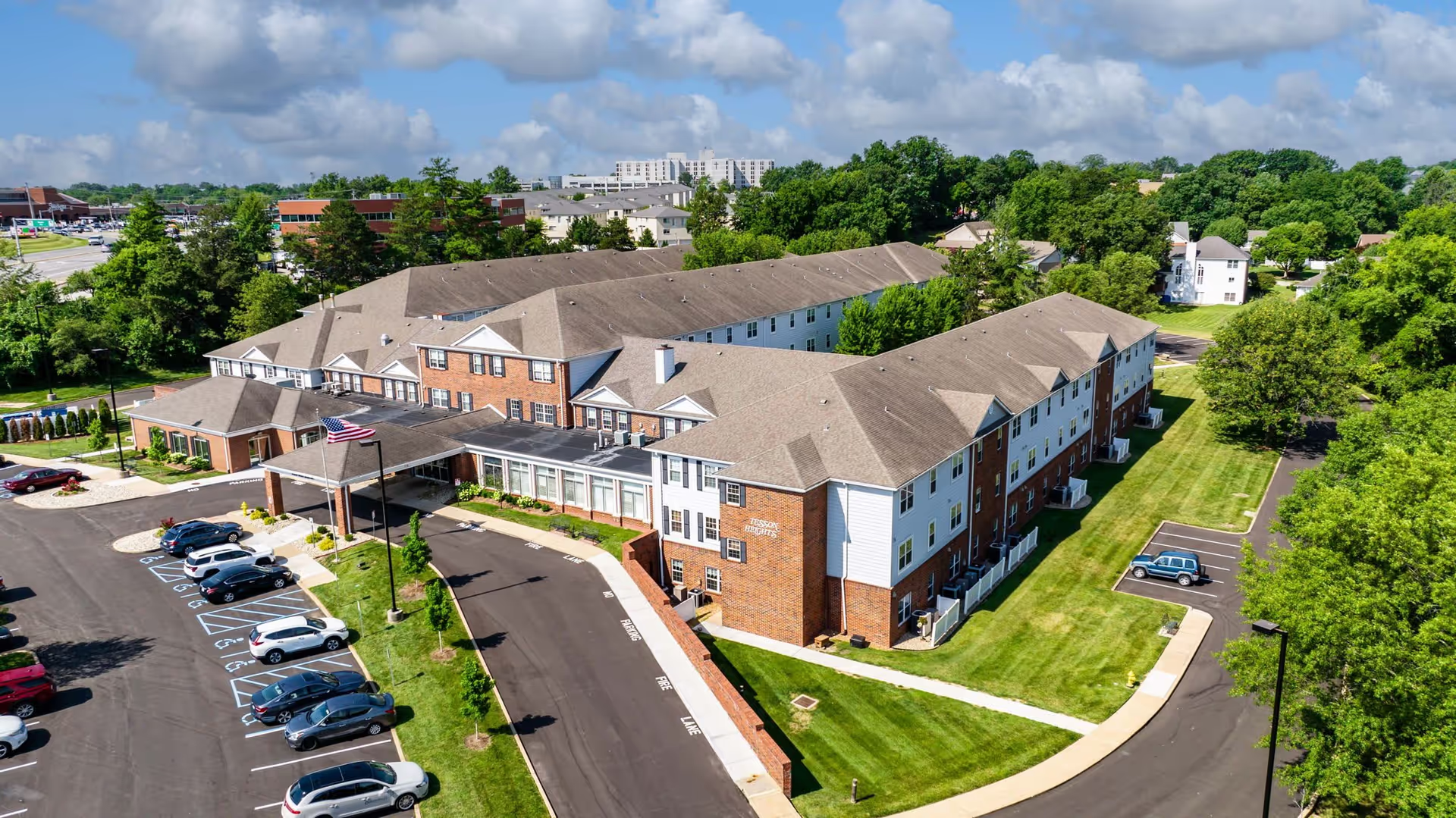
Facility condition and management observations are likewise mixed. The building is noted as clean, odor-free and generally well-maintained, which families appreciate. However, operational and administrative weaknesses were also described: inconsistent family communication, front-desk unprofessionalism, delayed follow-through on ancillary needs such as dentures, and perceived gaps in hiring and staff training that contribute to variability in care quality. Visitor-screening lapses were also mentioned, indicating potential security and infection-control process gaps.
Taken together, the pattern suggests a facility with many positive day-to-day attributes but with important operational risks in clinical escalation, incident response, and administrative communication. Prospective residents and families would benefit from direct questions about transfer and triage protocols, staffing and training practices, incident-reporting and family-notification procedures, visitor-screening policies, and the facility’s approach to coordinating ancillary services. An on-site tour and conversations with nursing leadership can help clarify whether the facility’s strengths align with a particular resident’s clinical and safety needs.