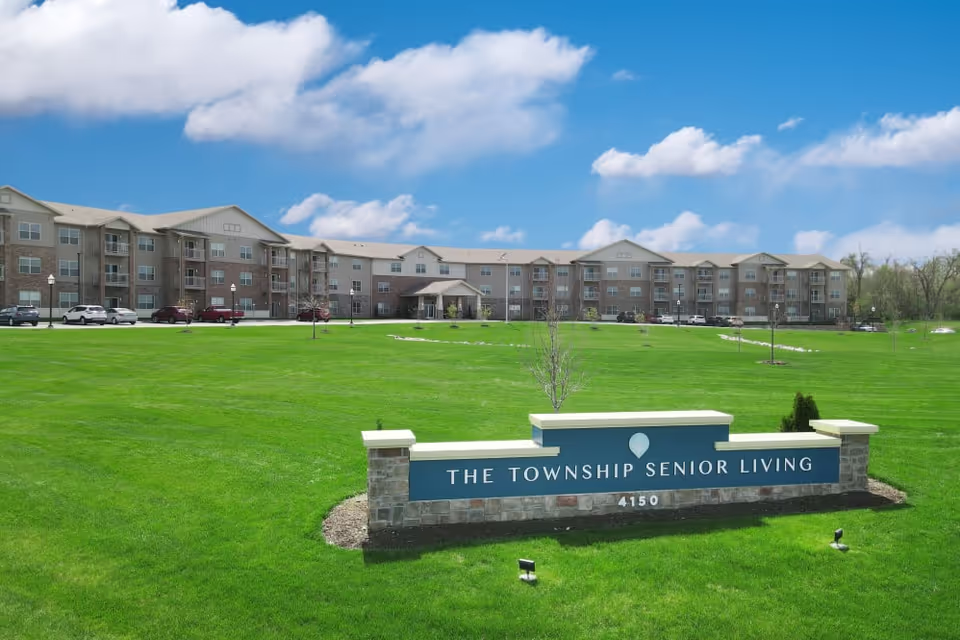
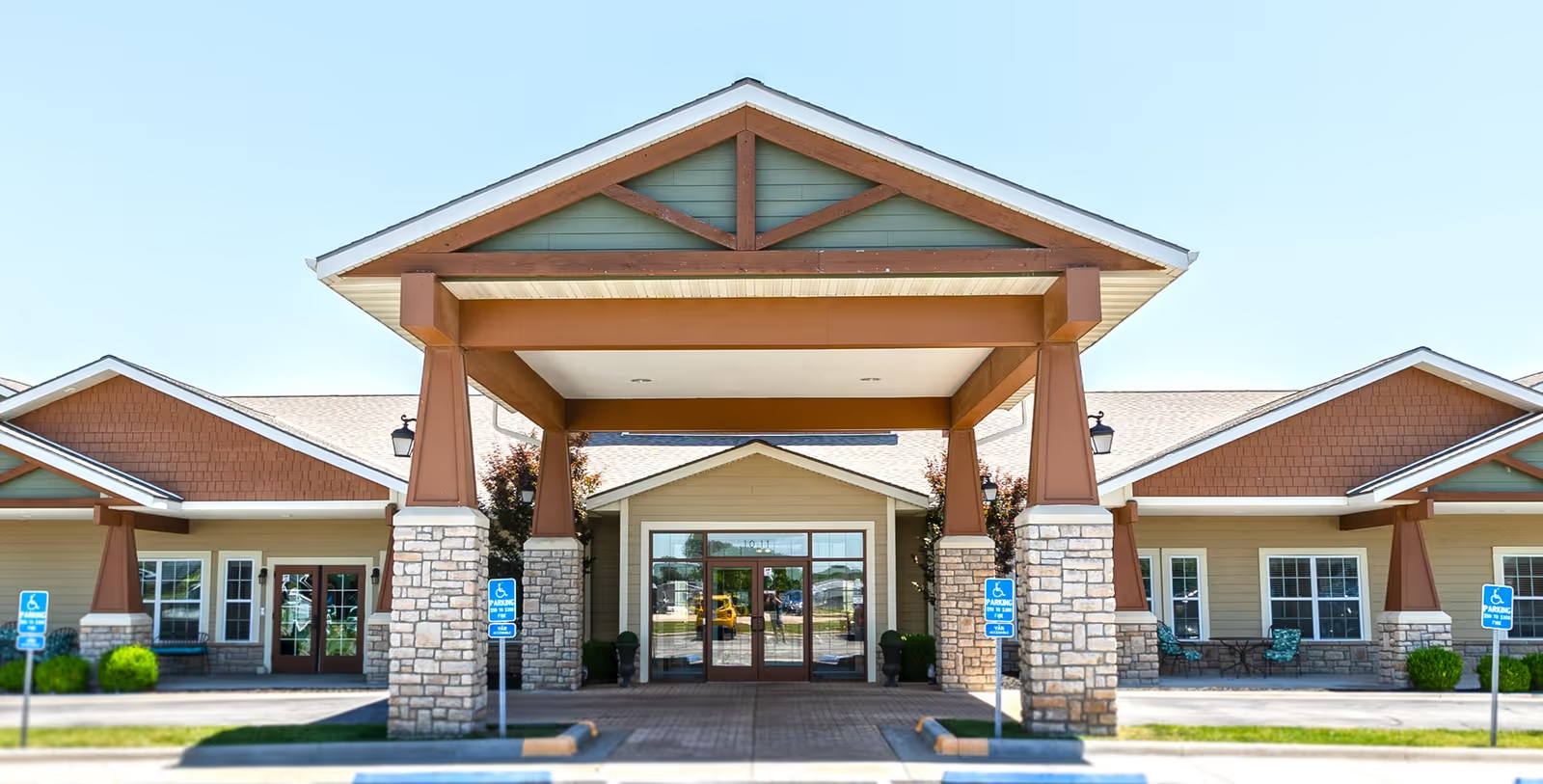
Across the collected summaries, a mixed pattern of strengths and operational weaknesses emerges. Positively, reviewers note that individual caregivers can be attentive and form constructive relationships with residents; specific staff members were singled out for good work and some residents were described as content. However, these positive experiences appear inconsistent across shifts and units.
Care quality concerns center on responsiveness and routine personal-care tasks. Multiple accounts describe slow nursing response times and unanswered call lights, which reviewers link to delays in toileting, bathing, and feeding assistance. There are repeated indications of inconsistent bathing schedules and incontinence-care delays. Reviewers also raise concerns about mental-health monitoring and behavioral-incident follow-up; these accounts suggest gaps in risk assessment and in the facility’s approach to residents with challenging behaviors.
Dining and nutrition are recurrent areas of concern. Reviews describe weight loss, missed or delayed feedings, and inconsistent meal delivery. Several summaries raise safety concerns related to dining, including events that reviewers characterized as aspiration or choking risks. Families reported diet- and meal-plan mismatches and occasions when expected food or snacks were not available. At the same time, some residents experience adequate meal service and social dining at times, which underscores the variability in practice.
Staffing and staff conduct show a bifurcated picture. Some caregivers are described as supportive and effective, but reviewers also report uneven professionalism and competence across shifts, including privacy-protection lapses during personal care. There are claims of restricted phone access, limits on family communication, and reports that transfers or family requests are discouraged or not handled transparently. A small number of reviewers raised claims of mishandling of personal property.
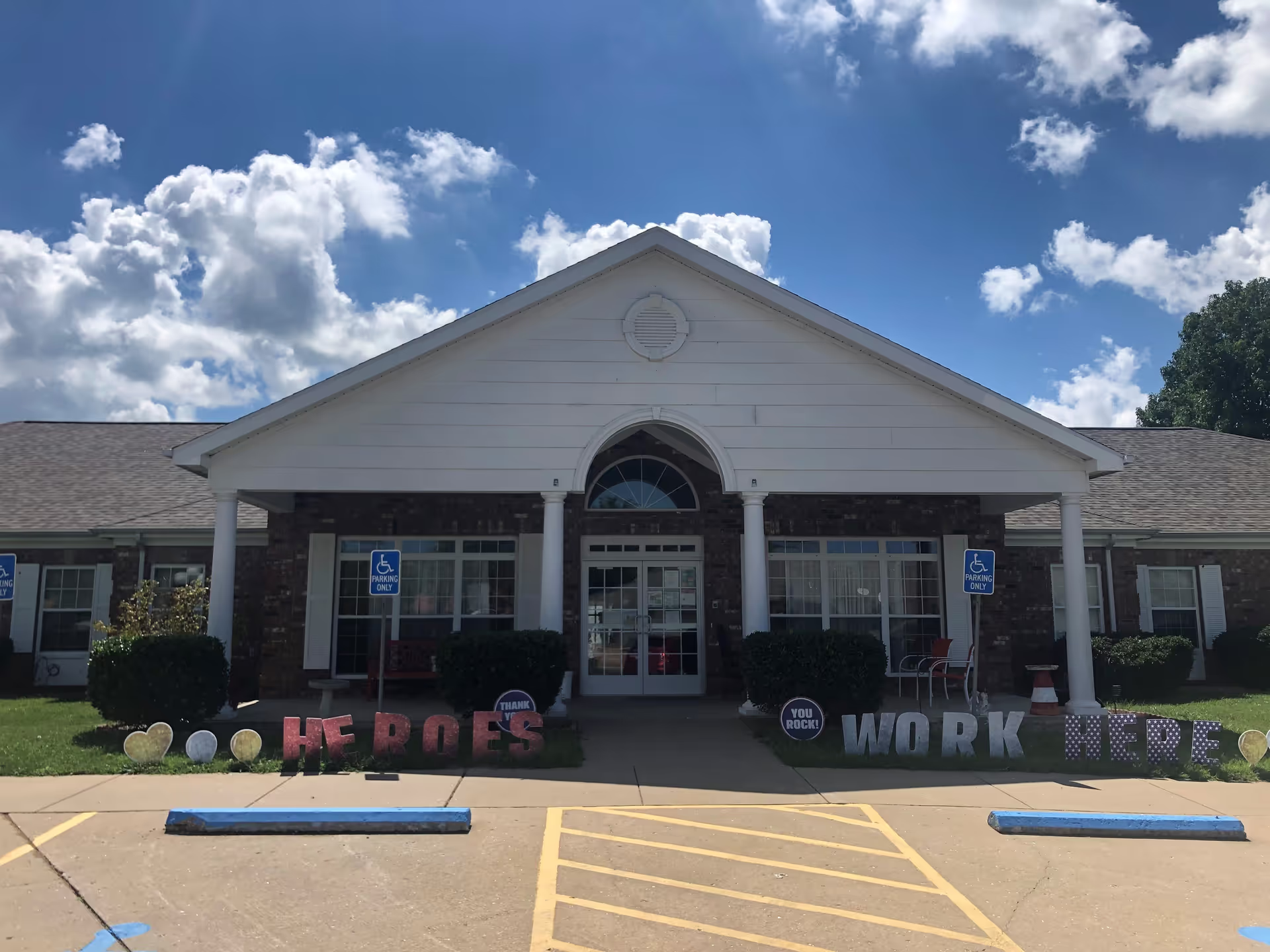
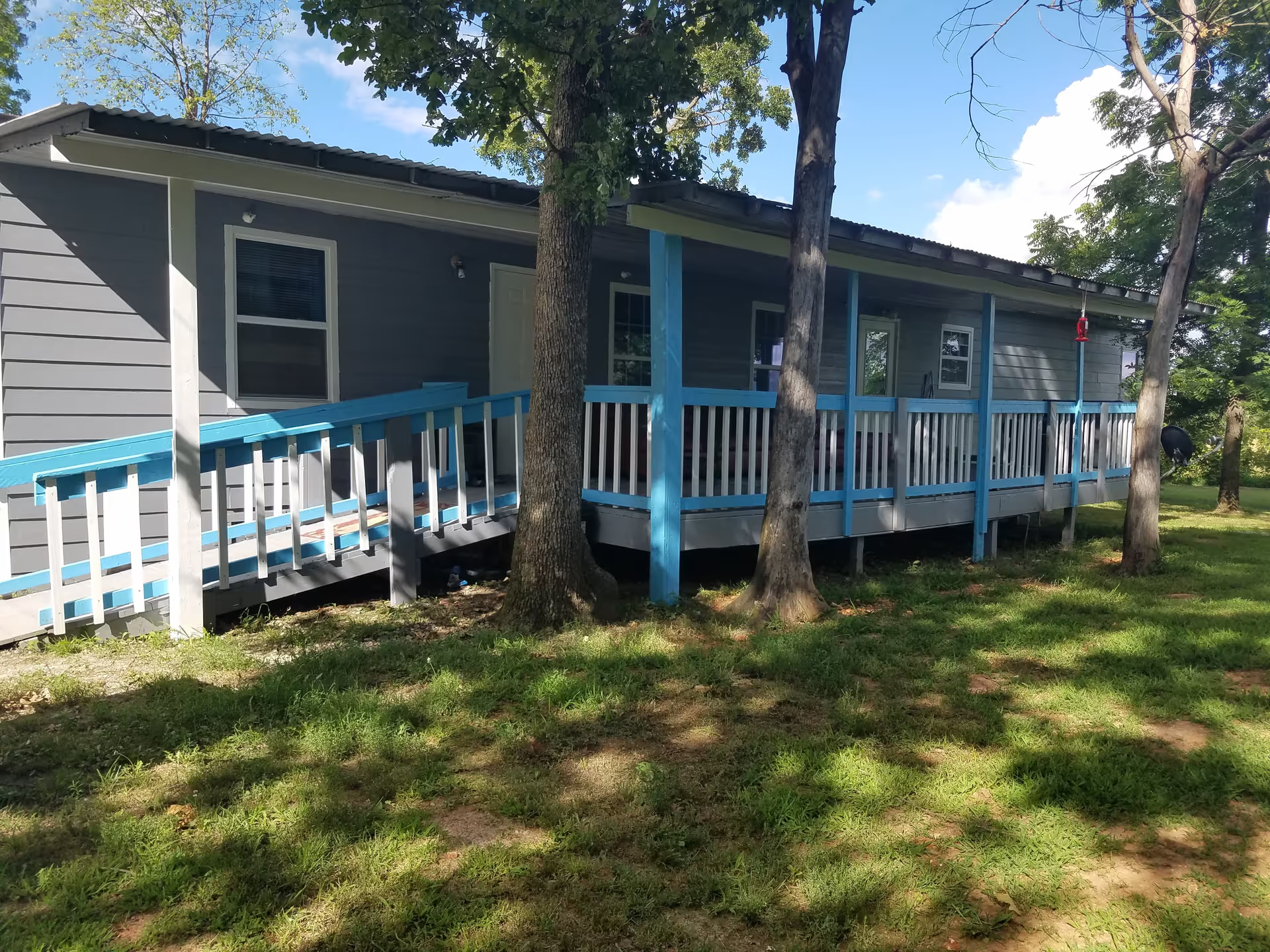
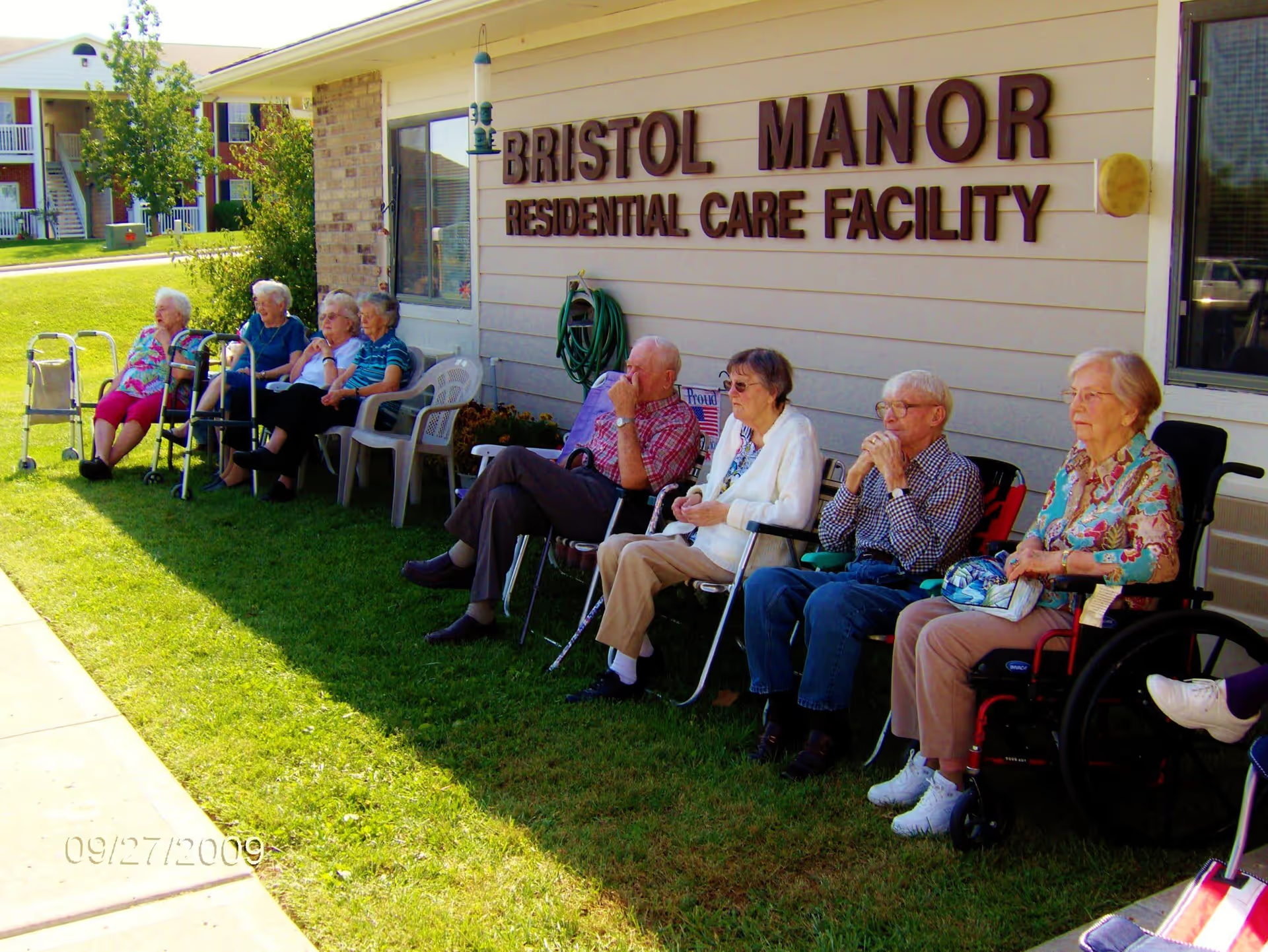
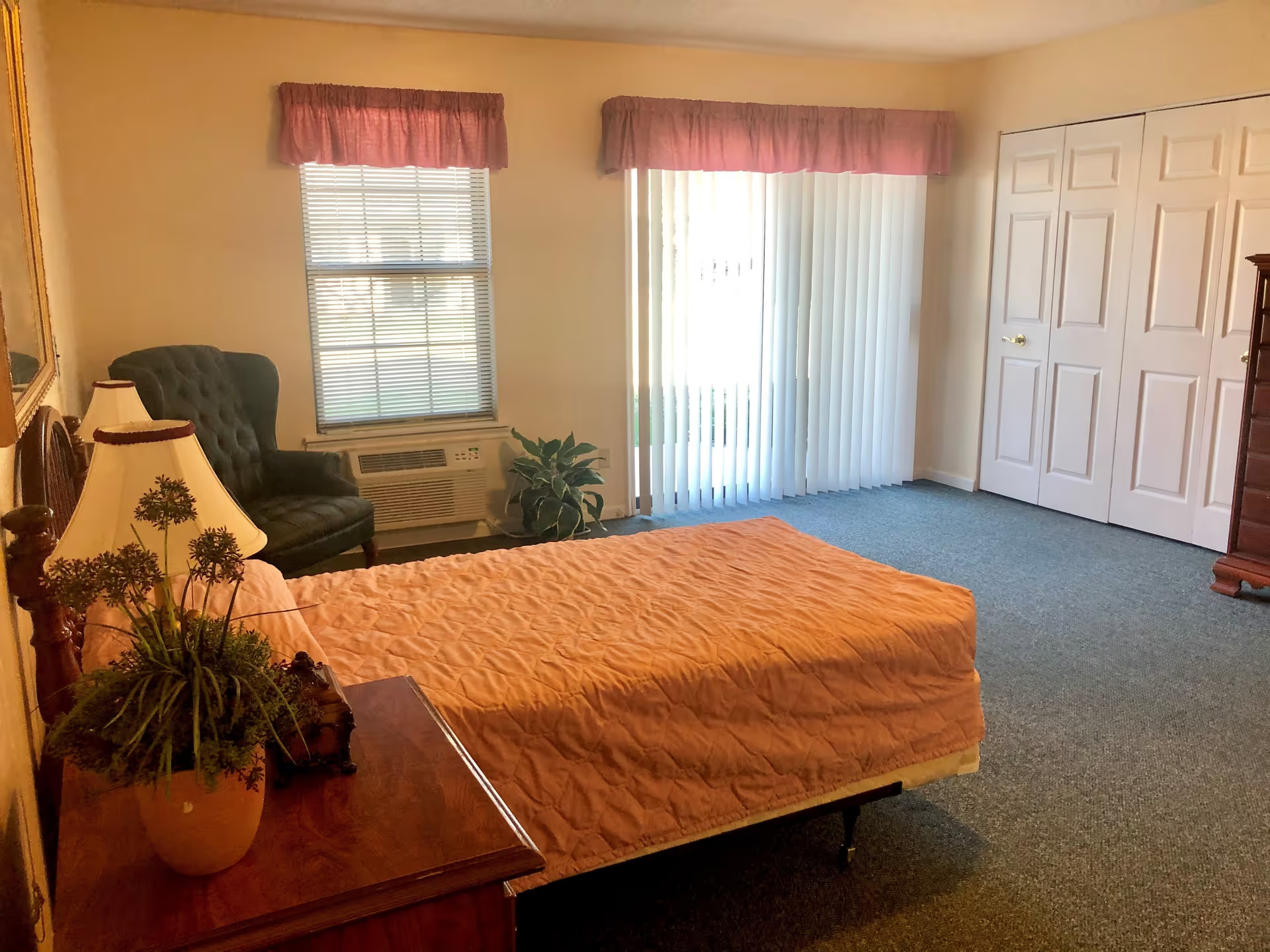
Facility conditions and activities are described unevenly. Several reviews note sanitation and odor concerns in portions of the building and describe the environment as less well maintained than expected. Activity programming is not a prominent theme in these summaries; where social engagement is mentioned, it appears localized to parts of the facility or certain staff members.
Management and administration are focal points for criticism. Reviewers describe poor communication with families, perceived resistance to transfers, and a sense that financial priorities sometimes outweigh care considerations. Cost was flagged as high relative to the level of care and oversight reviewers perceived.
Notable patterns for prospective residents and families: inconsistently delivered care (particularly around responsiveness, bathing, incontinence management, and mealtime assistance), variability in staff competence across shifts, gaps in safety monitoring for behavioral and psychiatric risks, and concerns about facilities maintenance and communication transparency. Positive experiences do exist, often tied to particular staff members and certain shifts. Those considering the facility should observe multiple shifts, ask for current staffing and incident-response policies, verify meal and personal-care plans, and seek clarification about communication and transfer procedures.