Heisinger Bluffs presents as a community with many institutional strengths alongside some operational inconsistencies. Positive themes across reviews emphasize a compassionate, personable staff culture, long-tenured caregiver teams, and a clear continuum of care that includes independent living, assisted living, and skilled nursing. Rehabilitation and therapy services receive consistent praise for being well equipped and recovery-focused. Many families highlighted attentive nursing, helpful therapy staff, and a strong sense of community that supports resident engagement and family reassurance.
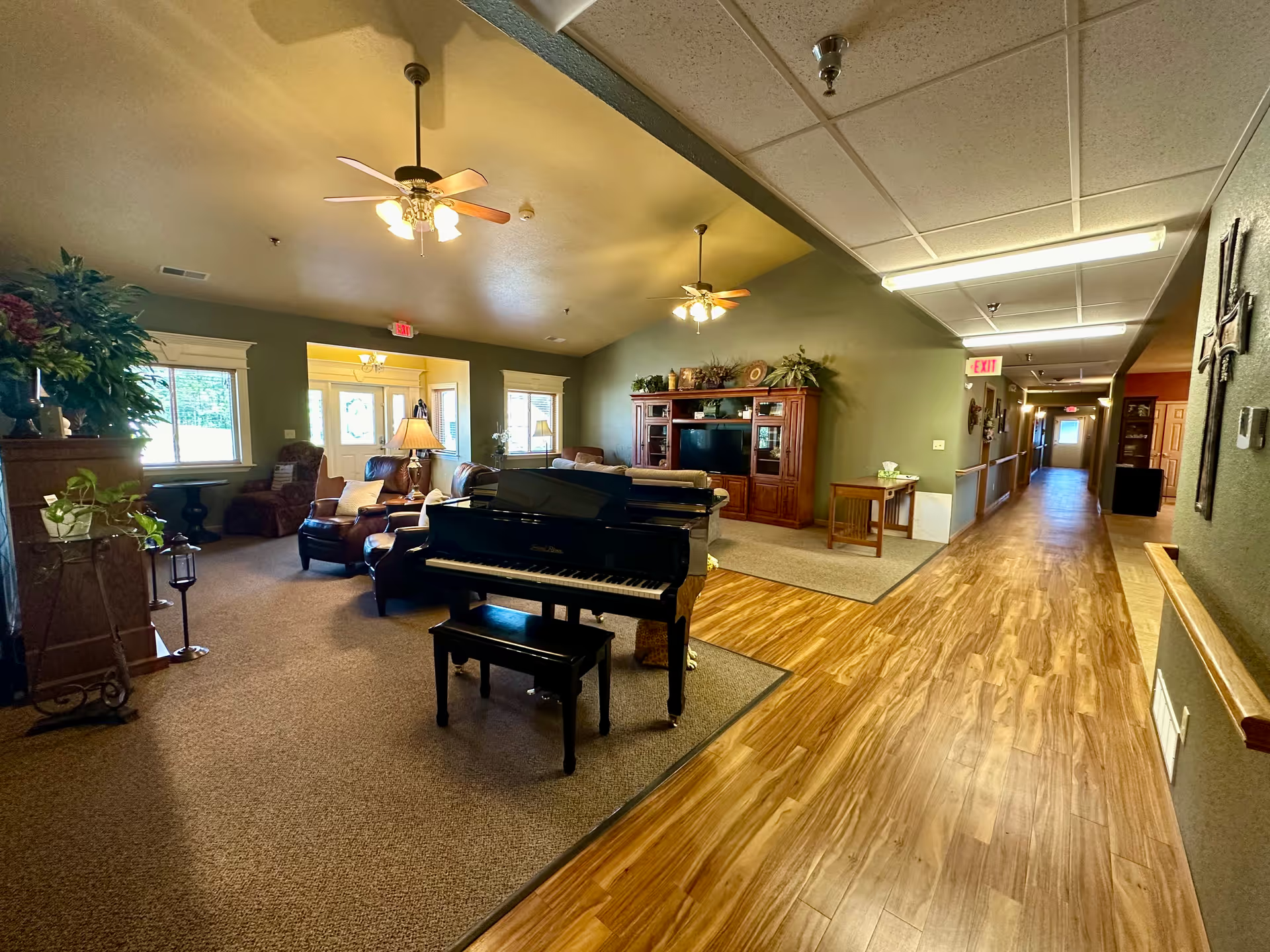
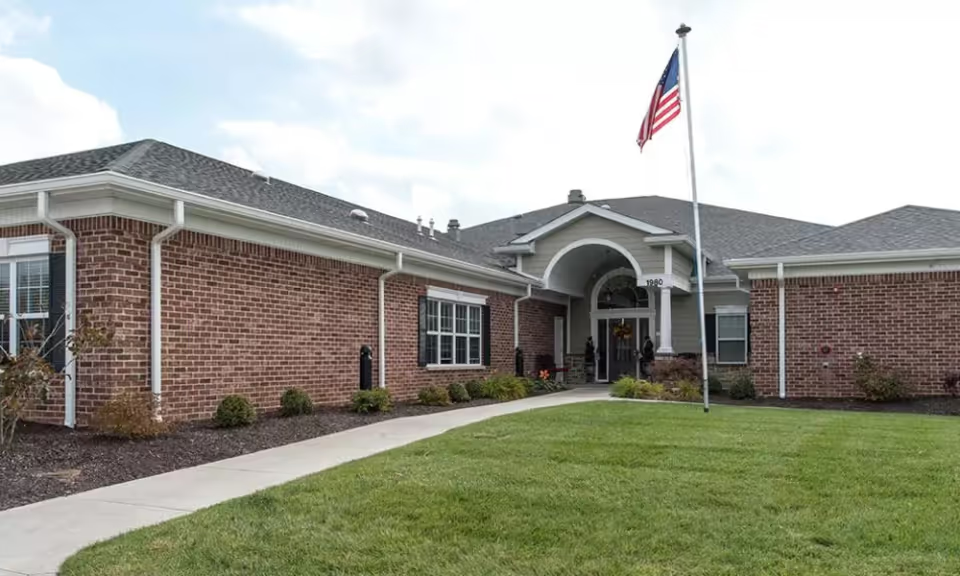
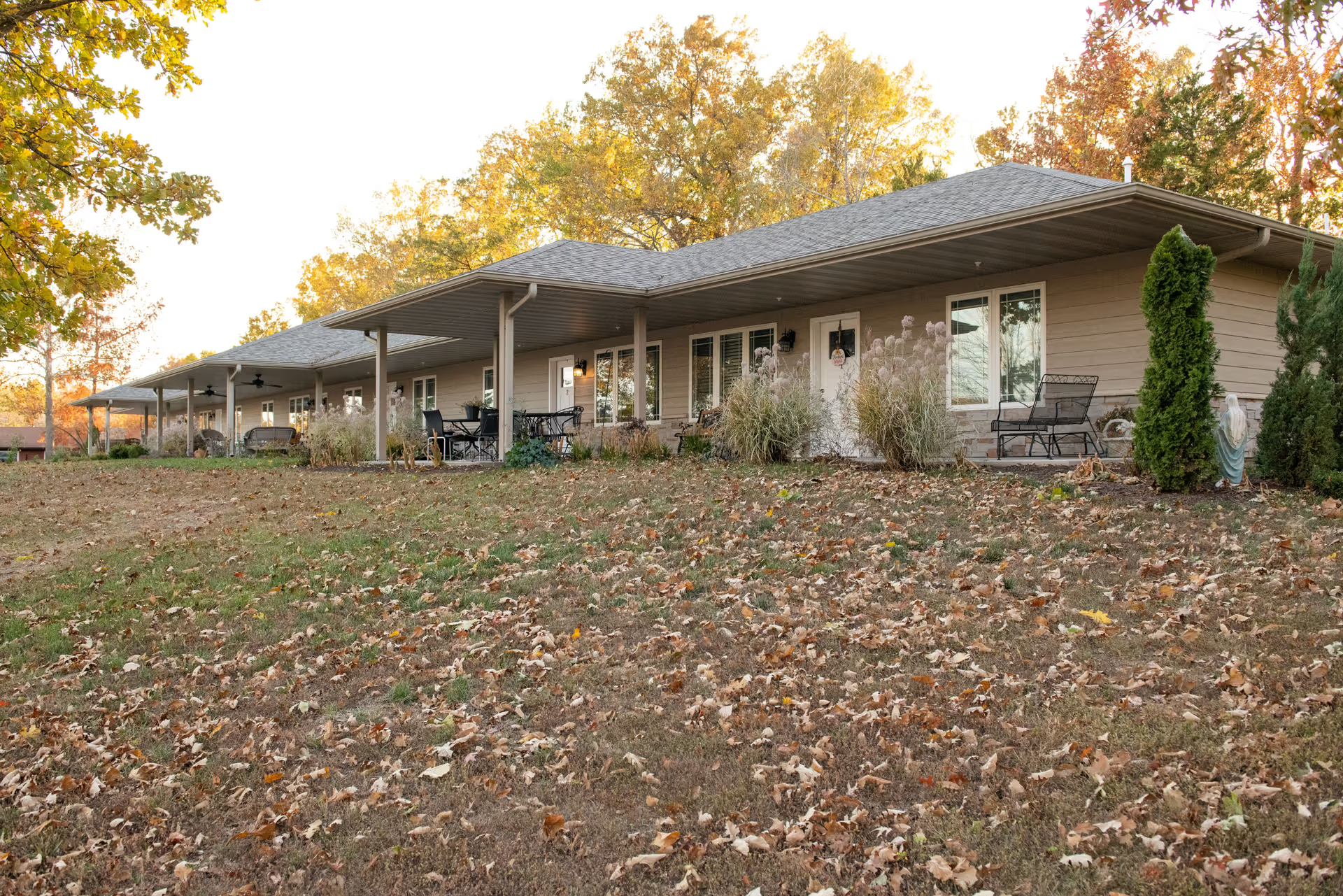
The physical plant and amenities are frequently noted as a strong point. Reviewers describe the campus as clean, recently renovated in places, and attractive, with spacious, accessible apartments, therapy gyms, salon, chapel, wellness center, and outdoor patio space with scenic views. Dining is typically cited as a strength — included meal service, well-prepared options, and a busy, well-staffed dining room are common. The activity program appears broad, with a monthly calendar, music, games, exercise classes, and social events that contribute to an active communal environment.
Despite these strengths, a number of operational issues recur. Housekeeping and sanitation standards appear inconsistent in some common areas, and there are reports of staffing variability that can lead to delayed responses or coverage gaps. Meal-service timing and in-room meal delivery are noted as unreliable at times, and several families described shortcomings in administrative and clinical communication — for example, delayed notifications about appointments, slow responses to concerns, and difficulty reaching leadership for refunds or billing questions. Transition periods tied to ownership or management changes were linked by some reviewers to temporary declines in consistency.
More serious concerns raised by families relate to clinical operations: reviewers cited problems that suggest gaps in transfer-safety practices and timeliness of incontinence-related care. These descriptions point to potential weaknesses in certain aspects of hands-on care and incident response, and some families expressed distress about how events were handled and communicated. While many accounts praise overnight staff responsiveness and person-centered attention, the existence of these critical concerns suggests monitoring of safety protocols and communication pathways would be prudent for prospective residents and families.
Overall, Heisinger Bluffs offers a strong array of amenities, a positive resident culture, and many examples of excellent nursing and therapy care. Prospective residents should weigh those strengths against the operational items above — particularly housekeeping consistency, staffing variability, meal-service reliability, and administrative communication — and consider direct conversations with leadership about current staffing levels, ownership stability, and protocols for clinical incidents before making a placement decision.