Reviews of Jefferson City Manor present a mixed but coherent pattern: many families praise the hands-on caregiving and a strong rehabilitation program, while a substantial number report operational and communication weaknesses that affect clinical continuity and family confidence.
Care and clinical services receive frequent positive mention: reviewers highlight compassionate CNAs and nurses, an effective physical-therapy/rehab team described as “life-changing,” and proactive social-work or clinical-liaison support. Those positive accounts emphasize individualized attention, active therapy schedules, and staff members who go out of their way to assist families. At the same time, recurring operational issues — most notably inconsistent staffing levels, overnight coverage shortfalls, and staff turnover — are associated with delays in attending to resident needs, medication-administration concerns, and gaps in clinical documentation. These patterns have led some families to request hospital transfers or express serious concerns about care continuity.
Dining and activities are generally strengths. The facility is described as offering restaurant-style dining with balanced menus and appealing meal presentation, alongside posted, varied daily activities and occasional entertainment such as DJ events. A few reviewers noted instances of food being served lukewarm or variability in meal service, suggesting occasional lapses in meal-temperature control or service continuity.
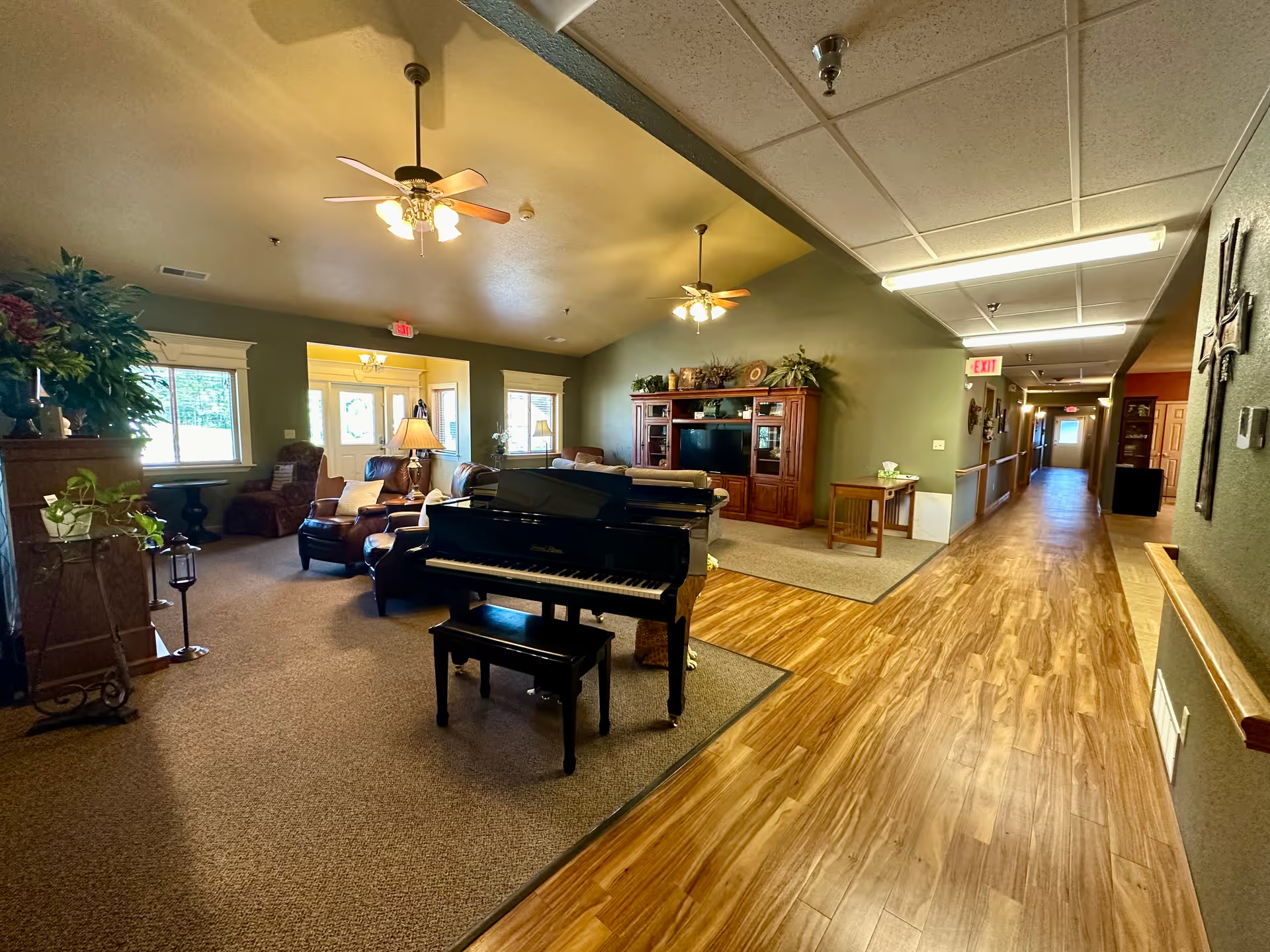
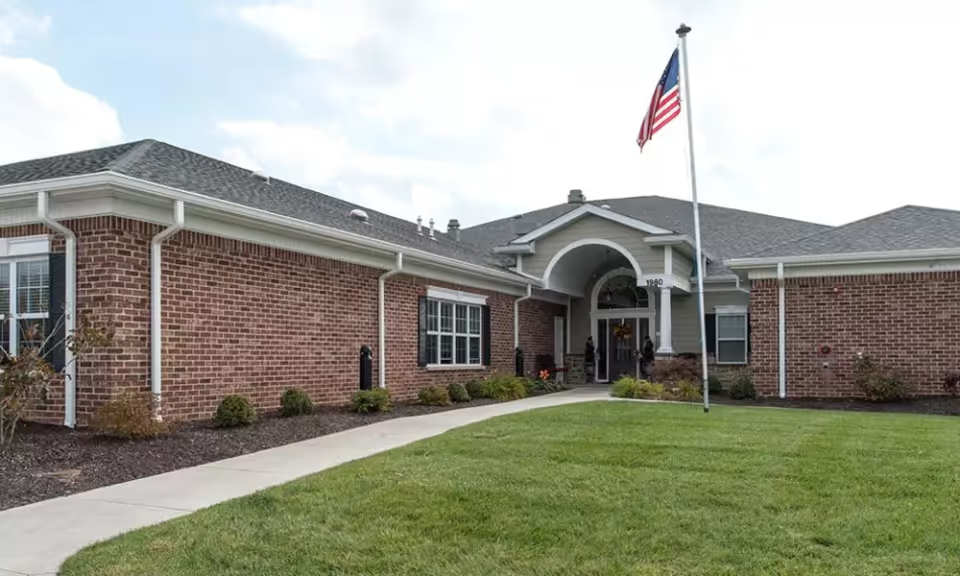
Facility and environment receive mixed but mostly positive comments: the building and grounds are often described as clean, well-maintained, and attractively landscaped. The single-level layout and some larger rooms with ample closet space are cited as convenient for residents. However, housekeeping coverage appears inconsistent—weekend staffing limitations and construction activity were called out as disruptive in some accounts. Reviewers also raised facility-access and security-control concerns.
Management and communication emerge as a notable area of variability. Several families praised individual administrators and liaisons for clear, supportive communication, while others described difficulty reaching leadership, unanswered phone lines, and a concerning tone from administrative staff. Reviews include serious individual claims — including concerns following a resident's death and reports of missing personal items — that families should pursue with the provider and appropriate regulatory channels if relevant. Overall, these themes point to strengths in frontline caregiving and therapy offset by systemic administrative, staffing, and safety-control weaknesses.
For prospective residents and families: prioritize an in-person visit across multiple shifts to observe staffing levels and mealtime service, meet therapy and nursing staff, ask for specific policies on medication administration and incident reporting, review housekeeping and security routines, and request written information about staffing ratios and intake procedures. Those steps will help reconcile the facility’s strong rehabilitative and caregiving reputation with the operational concerns described by other families.