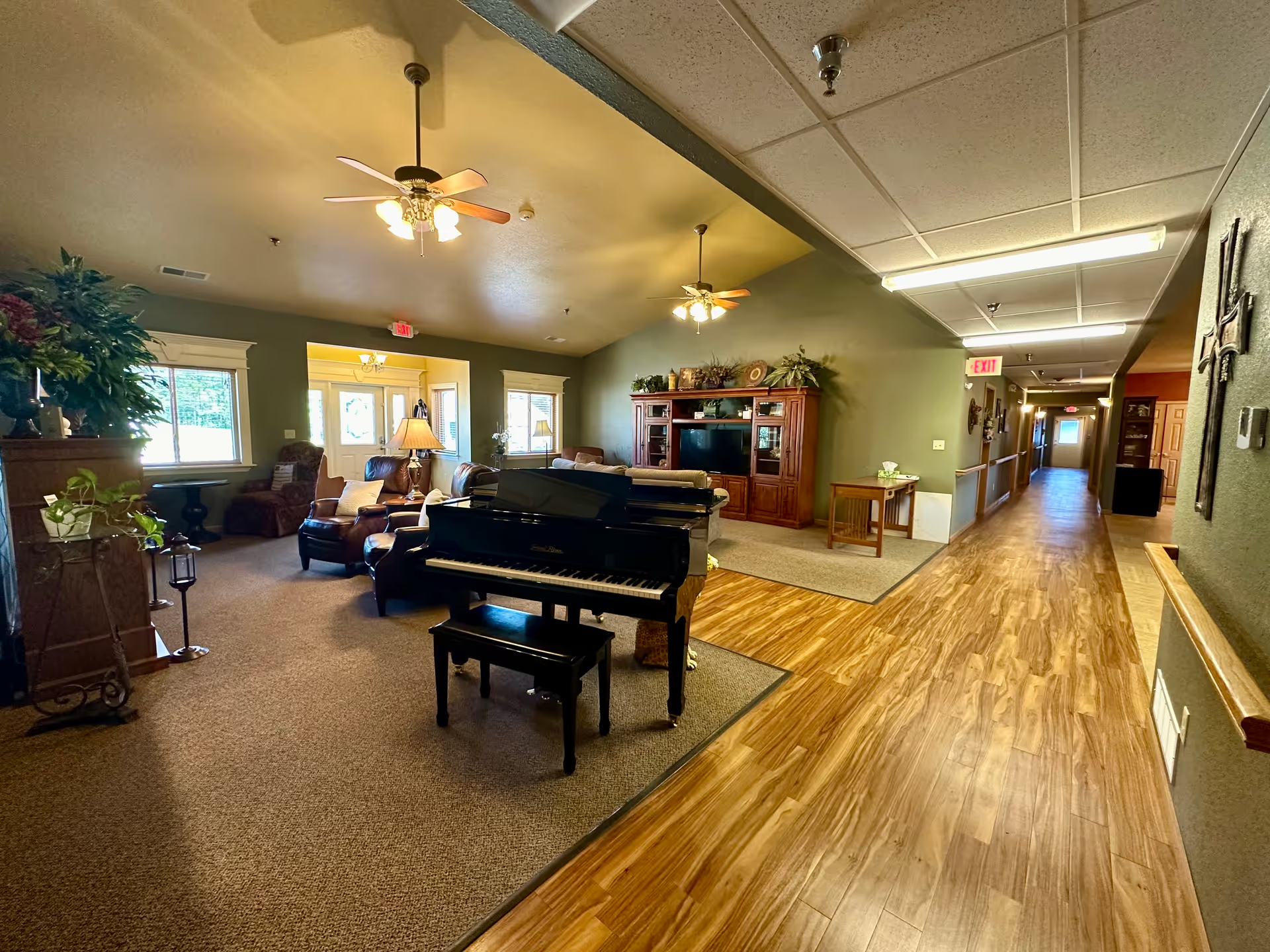
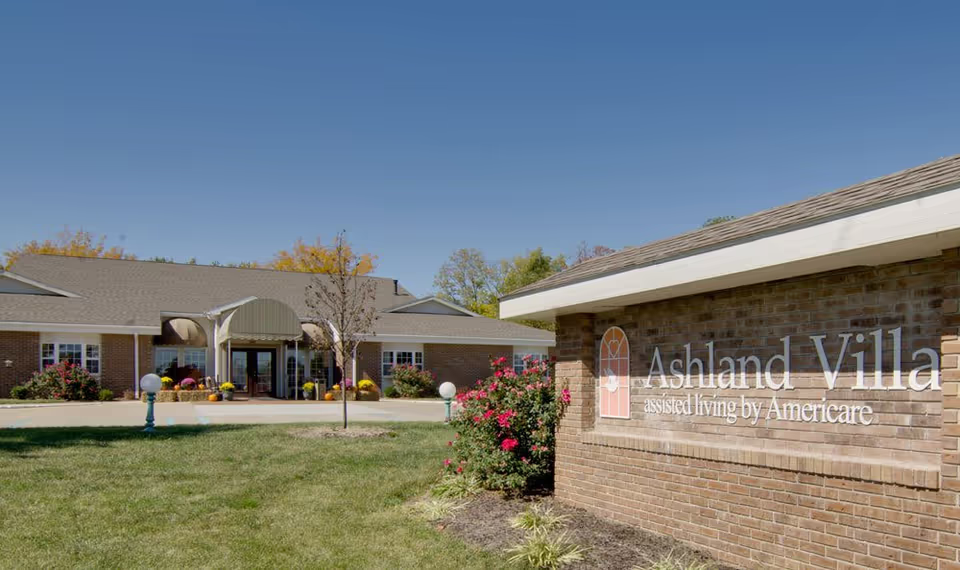
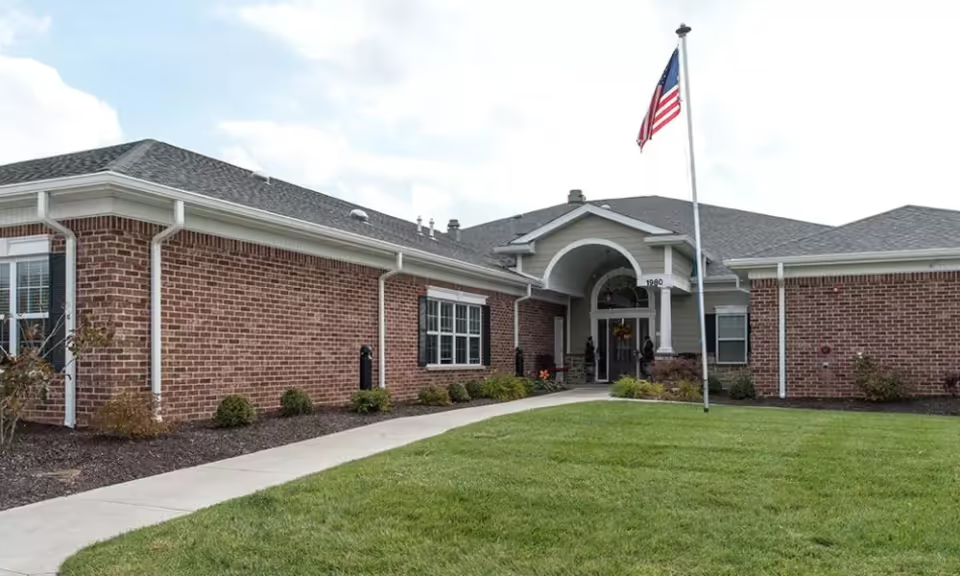
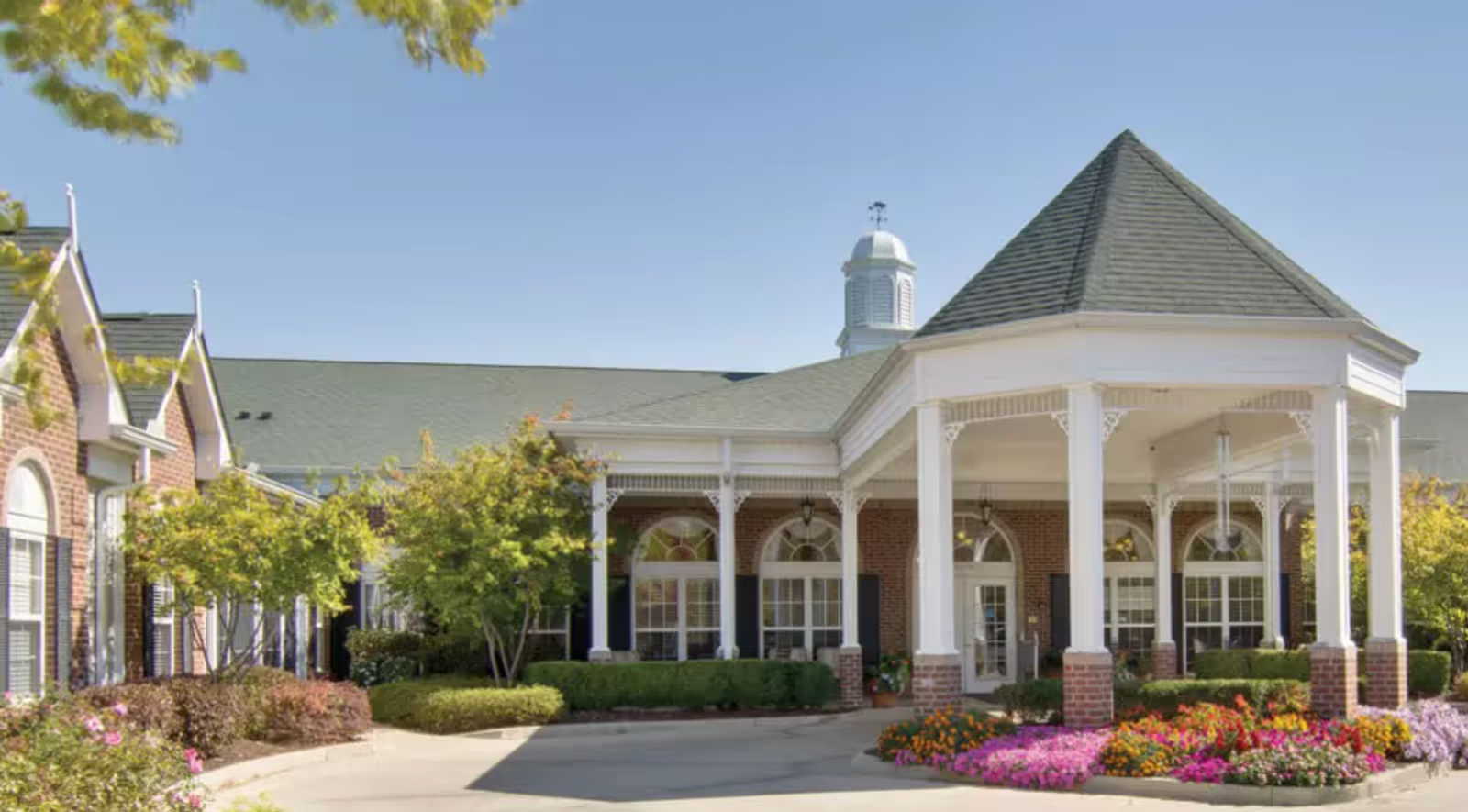
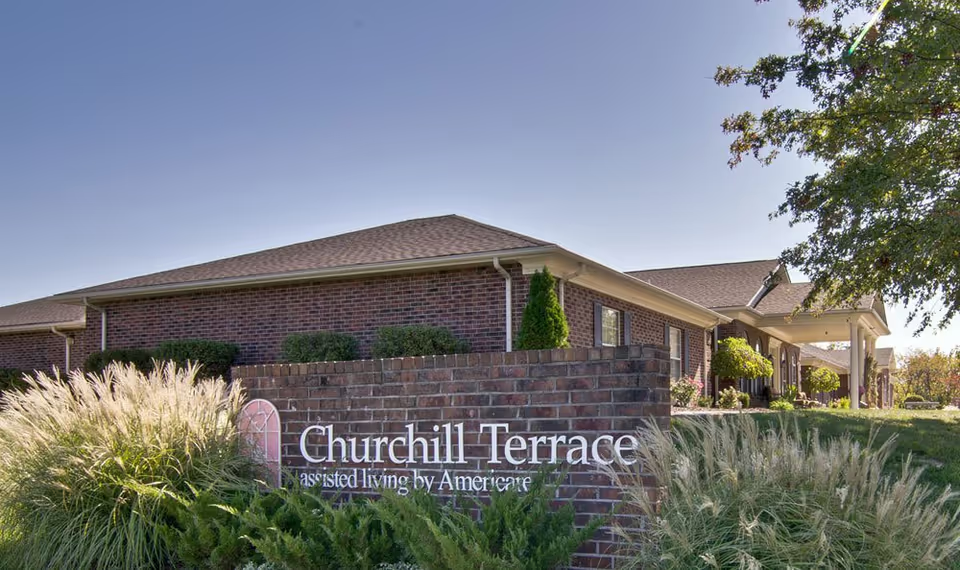
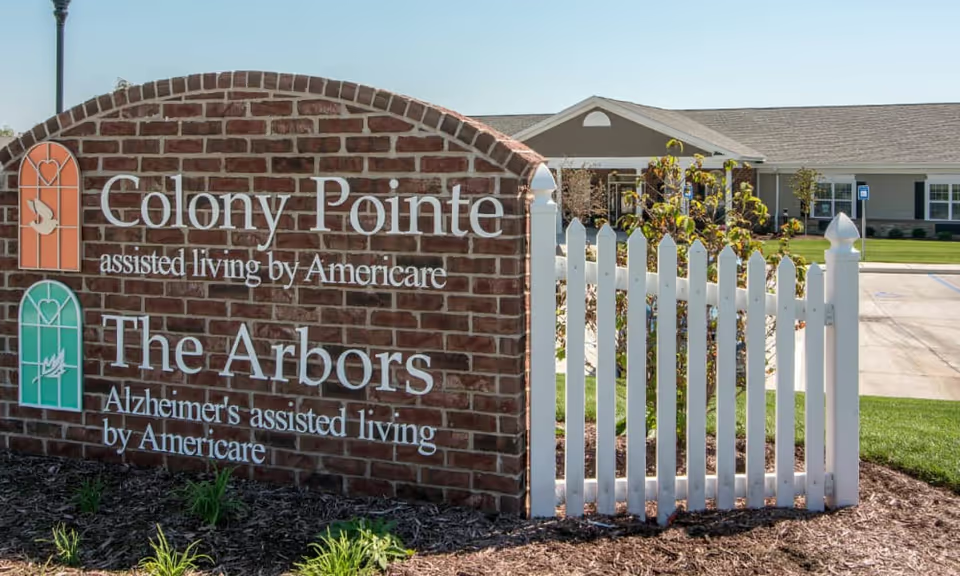
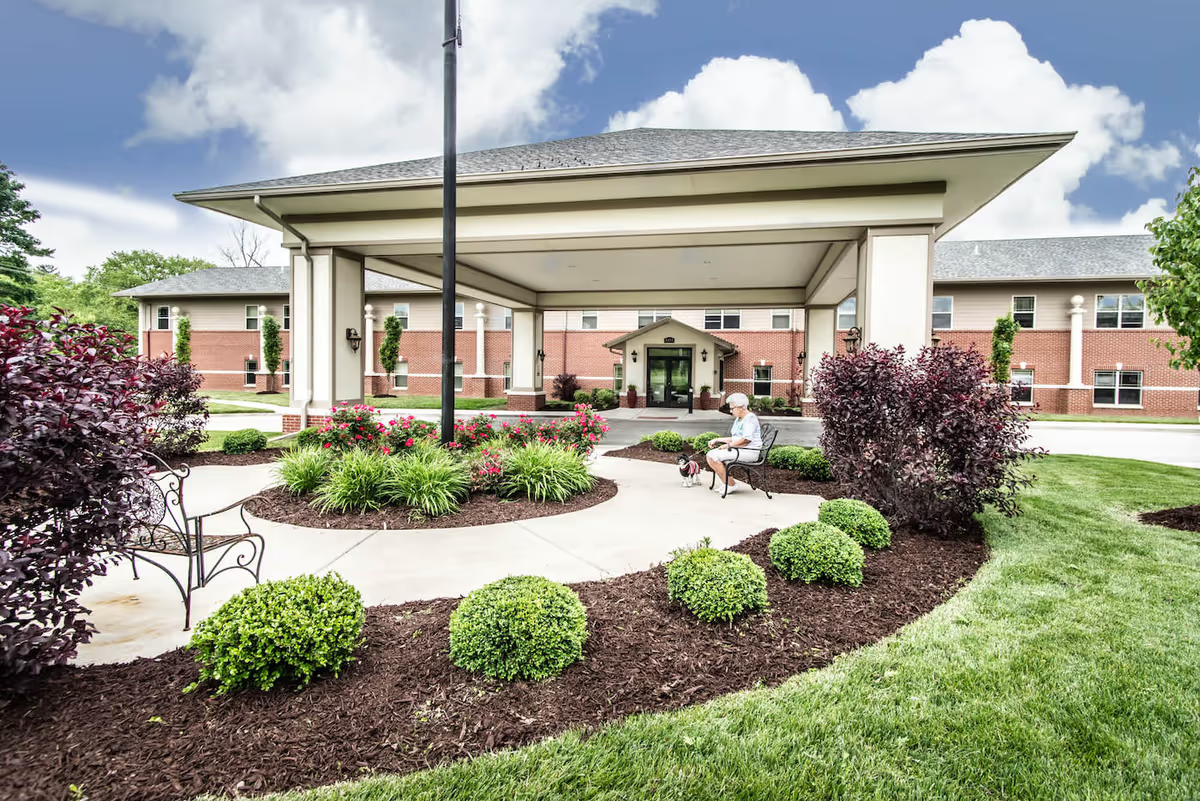
Westbrook Terrace presents as an attractive, smaller-scale senior living community with extensive on-site amenities and a campus that many families describe as inviting and well maintained. The facility offers apartment-style living, restaurant-style dining, private dining rooms, an on-site salon and day spa, a media center, outdoor walking paths and regular outings. Many accounts highlight a variety of social and enrichment activities (gardening, puzzles, embroidery, piano/music in common areas, weekly outings and occasional overnight trips) that contribute to resident engagement.
Staffing quality is a central and mixed theme. Numerous families describe caregiving staff as warm, compassionate and attentive, and several named employees were singled out for going above and beyond to support residents and families. That small-community, one-on-one caregiving model is cited as a strong point for residents needing a more personal environment. At the same time, reviewers describe variability in clinical skill mix and staffing levels; concerns include medication-administration lapses, missed medications, and periods where nursing leadership or charge nurses were not consistently visible. These operational inconsistencies have clinical implications and are a recurring point of concern.
Care quality for memory-care residents is similarly mixed. Some families credit the community with dementia-friendly programming and meaningful day-to-day engagement, while other accounts indicate that the facility’s memory-care capabilities did not meet certain residents’ needs, including clinical and behavioral-management expectations. There are also accounts raising concern about the facility’s handling of infection-control events during the COVID-19 period and concerns following a resident’s death; these items suggest variability in outbreak response and in how severe incidents are managed and communicated to families.
Dining and activities are generally described positively: meals are likened to restaurant or diner-quality offerings with reasonable variety, and the community supports regular group activities and private social options. The physical environment is often described as beautiful and well-appointed, with an inviting foyer and pleasant common spaces. Nevertheless, there are intermittent sanitation and laundry-processing issues reported, and some unit layouts or room sizes may be limiting for residents with larger furnishings or higher mobility needs.
Management and communications are the other areas with clear divergence. Some families praise leadership and specifically named directors of nursing for professionalism and responsiveness; others describe weak administrative oversight, spotty communication, and concerns about incident notification. Operational patterns implied by the reviews point to gaps in fall-prevention and resident-monitoring systems, inconsistent clinical protocols, and variability in how staff follow through on routine care tasks.
In sum, Westbrook Terrace offers many of the amenities and small-community strengths that prospective residents and families often seek — compassionate staff, strong dining and activities, and a pleasant campus — but the experience appears to be uneven. The principal patterns to probe further during a visit are medication-management processes, staffing levels and clinical training, dementia-care protocols, infection-control procedures, fall-prevention systems, sanitation and laundry workflows, and the facility’s approach to family communication during clinical events. These operational areas are where variability in resident experience is most pronounced across the available accounts.