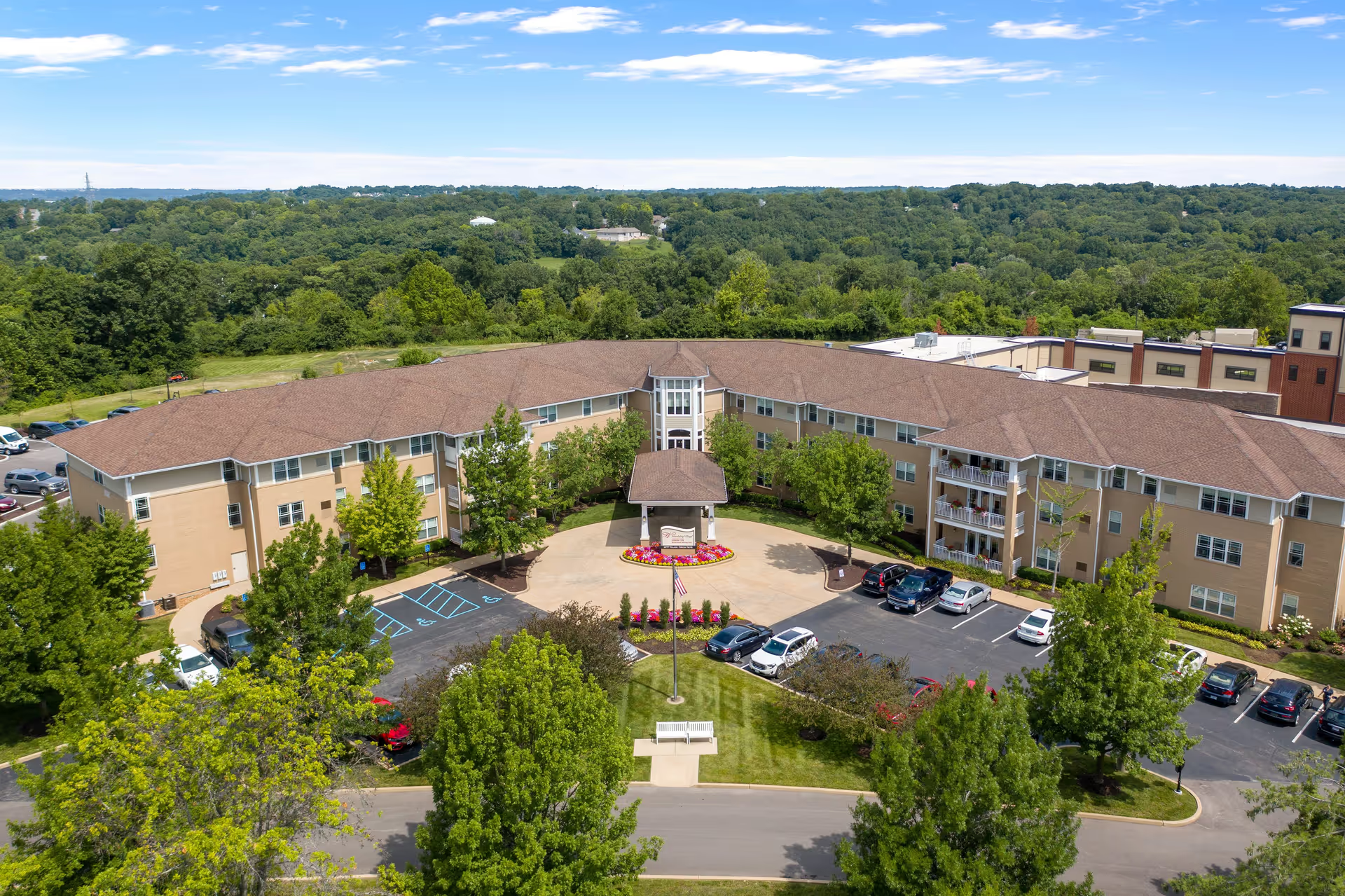
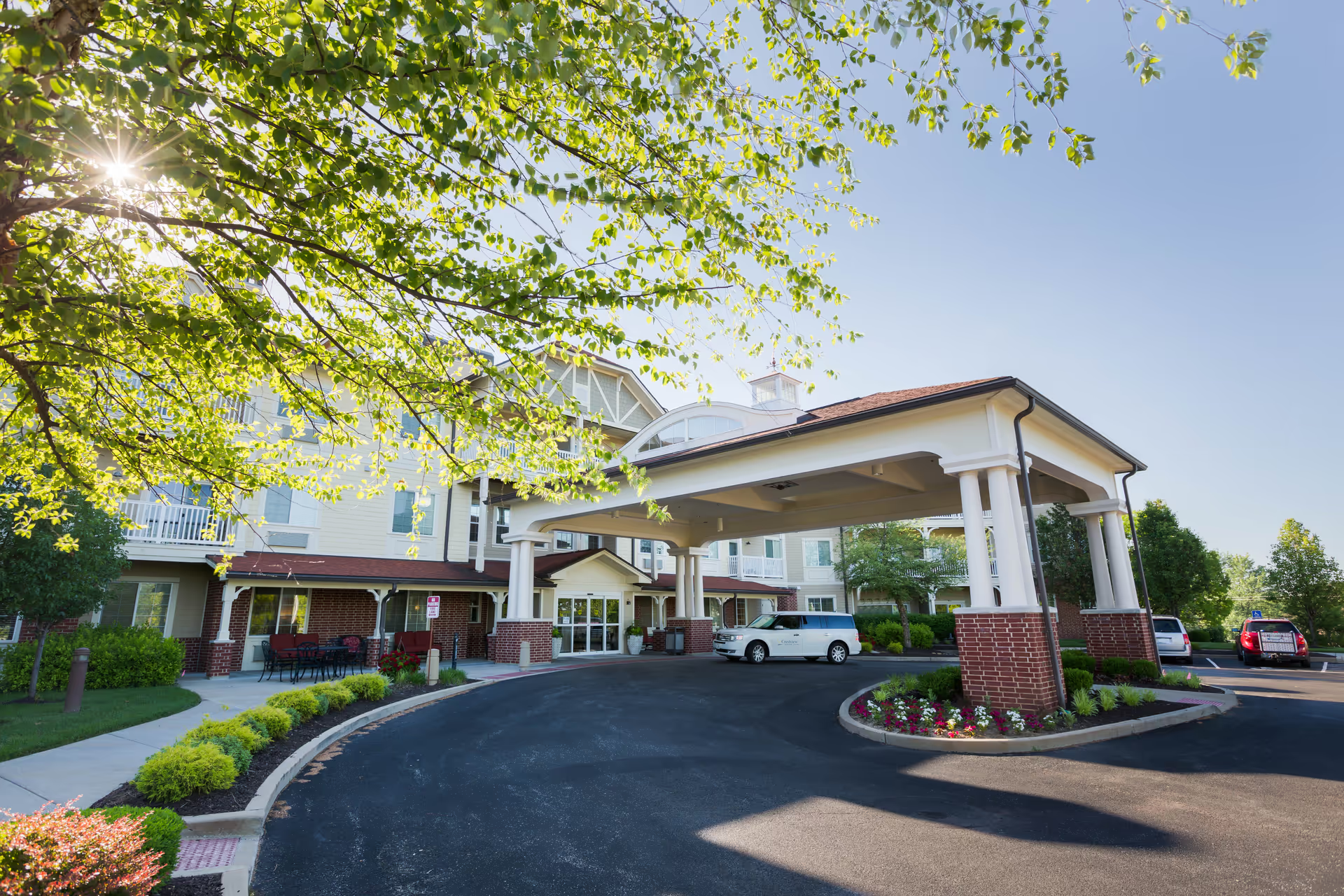
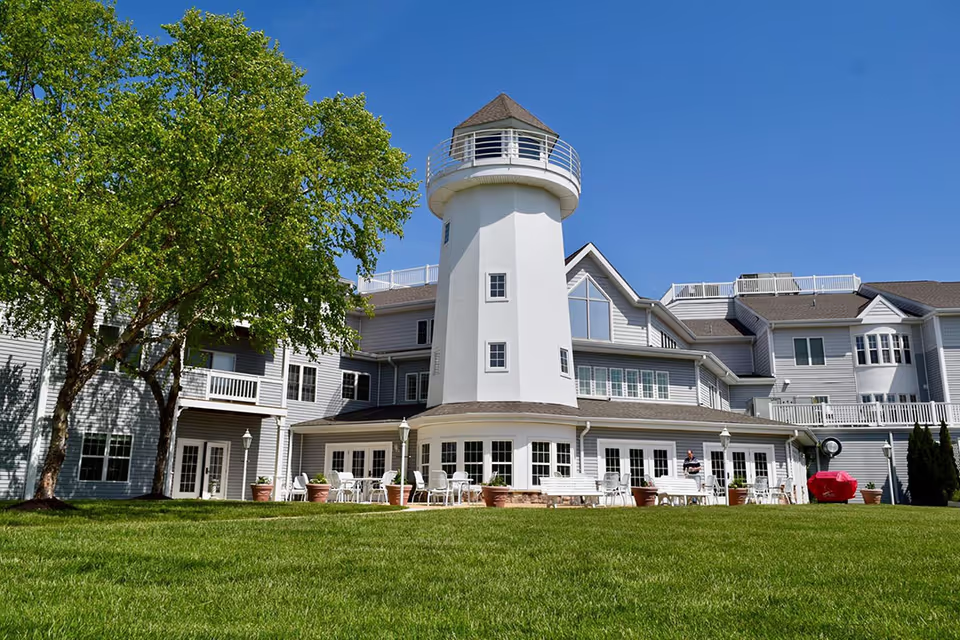
Manor Grove elicits strongly polarized impressions. Many families describe genuinely caring nursing staff, attentive support aides, and a robust therapy team — particularly for short-term, post-operative rehabilitation. These strengths are reflected in multiple accounts of successful rehab outcomes, helpful PT/OT clinicians, responsive hospice support, and a warm, family-like atmosphere. The physical campus also receives frequent praise: reviewers note clean common areas, attractive courtyards, gardens, water features, and multiple activity spaces. Dining is often described as a positive element (buffet-style options and generally well-liked meals), and the facility’s long-standing non-profit identity and welcoming reception are cited as reassuring factors by prospective residents and families.
At the same time, a persistent set of operational concerns appears across reviews. Staffing instability — including heavy reliance on agency personnel, frequent turnover, and reported low morale — is the single most consistent theme and is linked to measurable care issues: delayed responses to call lights, inconsistent bathing and toileting assistance, missed or late medication administration, and uneven clinical follow-up. Several families described gaps in leadership or vacancies in key roles, which reviewers connected to inconsistent clinical oversight, fragmented handoffs, and weak internal communication. Administrative weaknesses are also described, including billing and payroll/timekeeping problems and occasional refusal or delay in addressing supply and laundry needs.
Facility services beyond direct care show a mixed picture. Activities offerings, recreation areas, and special events are frequently praised and appear to contribute positively to resident engagement. However, logistics around supplies (laundry, linens, washcloths, dishes), meal selection consistency, and occasional sanitation and pest-control concerns were flagged. Infection-control and visitation policies were described as inconsistently enforced at times, which contributed to family frustration during public-health restrictions. Cost and payer-access are also a consideration: some families noted that private-pay rates are high while placement on Medicaid or transition to Medicaid rooms can involve delays.
There are isolated but serious allegations that go beyond routine operational complaints, including claims of inappropriate staff conduct and concerns following a resident’s death; these accounts indicate the importance of confirming current regulatory status, incident-reporting processes, and grievance procedures prior to placement. Overall, Manor Grove shows clear programmatic strengths — notably in nursing, therapy, and communal life — alongside operational risks tied to staffing, leadership continuity, and administrative reliability. Prospective residents and families should inspect current staffing levels and leadership stability, ask about recent regulatory or quality reviews, verify medication- and supply-management protocols, and tour both clinical and non-clinical areas to confirm which aspects of the facility’s performance are consistent with their expectations.