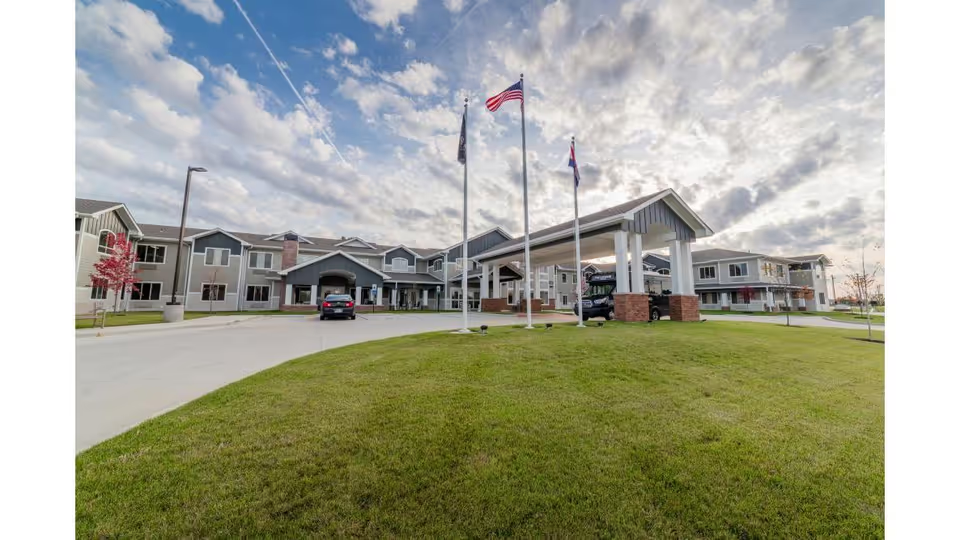
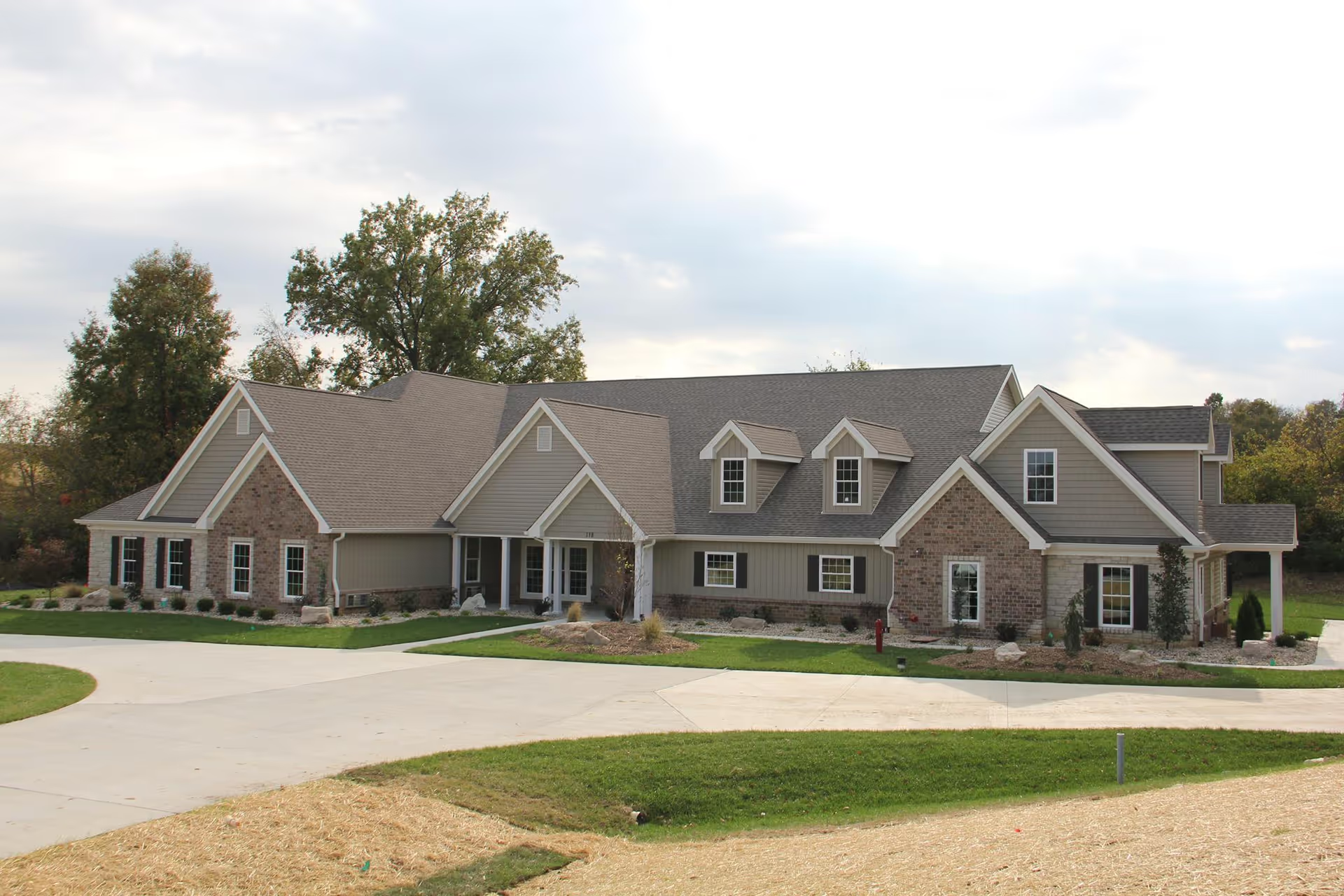
Cottages of Lake St. Louis presents as a small, cottage-style skilled-nursing and rehabilitation provider with many strengths families cite during short-term and longer stays. The physical environment and layout are repeatedly praised: private rooms with en-suite baths and ceiling Hoyer lifts, visible kitchens and family-style dining, bright common areas, and pleasant outdoor courtyards. Cleanliness and upkeep are commonly identified as positive features, with numerous accounts of tidy, well-maintained cottages and an overall home-like, noninstitutional atmosphere.
Clinical and caregiving quality is a mixed but generally positive picture. Many families describe compassionate, attentive nurses, aides, and therapists who contribute to meaningful rehabilitation progress. On-site physical and occupational therapy is frequently credited with measurable gains, and several reviews highlight strong therapist communication and individualized exercise plans. At the same time, reviewers repeatedly point to operational variability: night and off-shift staffing levels appear less consistent than daytime coverage, and there are recurrent delays reported in call-light response and assistance with toileting or transfers. Families should assess overnight staffing patterns and response-time expectations during tours.
Dining and nutrition are notable features: an on-site open kitchen, home-cooked meals, and customization (including gluten-free or texture-modified diets) are often cited positively. However, meal quality and accommodation for complex dietary needs are inconsistent; reviewers describe portions that can be large for some residents, occasional meals that do not meet specific medical diet requirements, and variability depending on the cook/shift. Prospective residents who require strict therapeutic diets or texture-modified meals should verify menu options and kitchen procedures in advance.
Activities and social programming reflect the small-cottage model. Families report a range of offerings—bingo, crafts, music nights, puzzles, and smaller social events—and the intimate size supports family-style participation. That said, the limited resident census in each cottage and quarantine or scheduling constraints reduce the breadth and regularity of group activities for some residents. The facility appears strongest when therapy-based engagement is emphasized; social programming beyond rehab can be limited by cottage size and staffing.
Operational and management patterns show strengths and areas for improvement. Many reviewers praise clear clinical updates, responsive admissions staff, visible management involvement, and occasional prompt administrative actions (for example, billing adjustments). Conversely, there are repeated mentions of communication gaps—delays in returning calls, inconsistent social-worker follow-through, and variable handoffs between shifts. Medication-management inconsistencies and charting errors are cited often enough to merit specific inquiry. A minority of reviewers raised serious allegations related to billing irregularities and staff conduct; these items merit verification via reference checks and review of facility policies during a visit.
Housekeeping and infection-control patterns are predominantly favorable but inconsistent in execution. While many reviewers describe immaculate cottages, others reported missed cleaning tasks, sticky floors, or sanitation concerns in individual rooms; pest-control concerns were raised in several accounts. These appear linked to particular shifts or episodic lapses rather than a universal condition, but they are operational weaknesses families should review (ask about cleaning schedules, pest-control contracts, and recent inspection results).
Practical guidance for prospective families: prioritize an in-person tour that includes a visit during evening or weekend hours to observe staffing levels, request documentation of therapy schedules and typical session lengths, review medication-administration and charting procedures, and ask for written dietary accommodation policies. Confirm billing practices, any additional service fees, and how the facility handles account authorizations. Ask for recent inspection reports or corrective-action documentation if sanitation or infection-control concerns are important to you.
Overall, Cottages of Lake St. Louis has many attractive features—clean, home-like cottages, strong therapy resources, and caring daytime staff—but families should validate operational consistency around overnight staffing, medication management, housekeeping, and diet accommodations before placement. These are the areas where variability in experience is most commonly reported and therefore where targeted questions on a tour will be most useful.