Overall impression: Reviews present a mixed picture. Many accounts emphasize compassionate, engaged direct-care staff and generally clean common spaces, while other accounts describe operational shortcomings that have emerged or become more visible after a management transition. The combination yields a facility where interpersonal care strengths coexist with process and oversight weaknesses.
Care quality: Prior to a management change, families described consistent, satisfactory care. Subsequent comments indicate declines in several routine care processes — for example, delays in clothing changes and other personal-care tasks, and inconsistent implementation of hygiene and housekeeping routines in resident rooms. Some reviewers also flagged concerns about medication management, including what they perceived as excessive dosing or insufficient monitoring of medication effects. A subset of reviewers described hospital visits and transfers following clinical events; these accounts point to gaps in timely clinical response and in coordination when residents require escalation of care.
Staff: Staff are a clear relative strength. Multiple accounts describe direct-care workers as kind, attentive, and invested in residents’ wellbeing. Those positive interactions appear to be consistent enough that staff compassion is a frequently noted advantage. At the same time, reviewers described variability in service consistency between shifts or over time, suggesting uneven staffing continuity or differences in practice standards across teams.
Dining and activities: Reviewers provided little specific information about dining quality or the activity program. There is no clear pattern in the available comments; neither strong praise nor systematic criticism of meals and programming emerges from these summaries. Prospective families should request current menus and an activity calendar to assess fit.
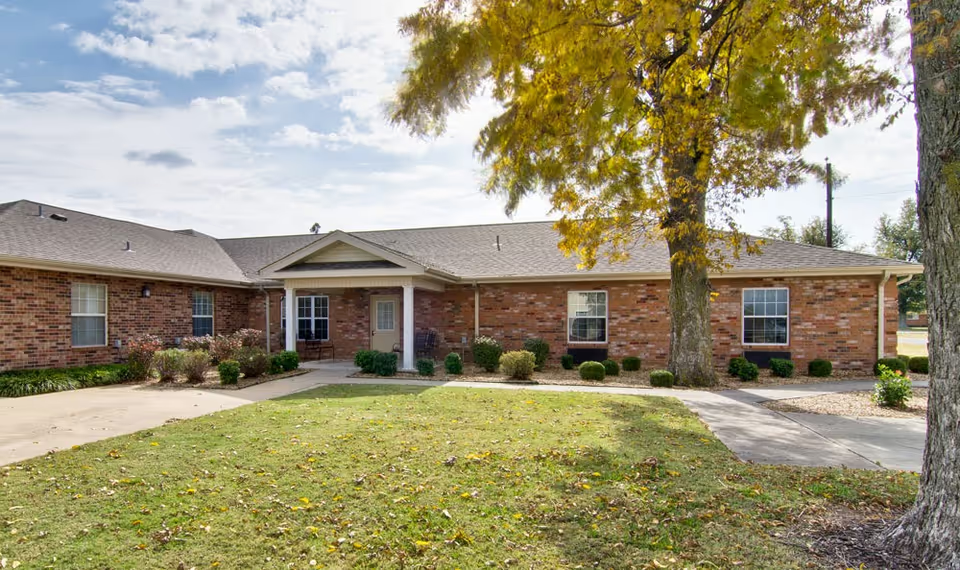
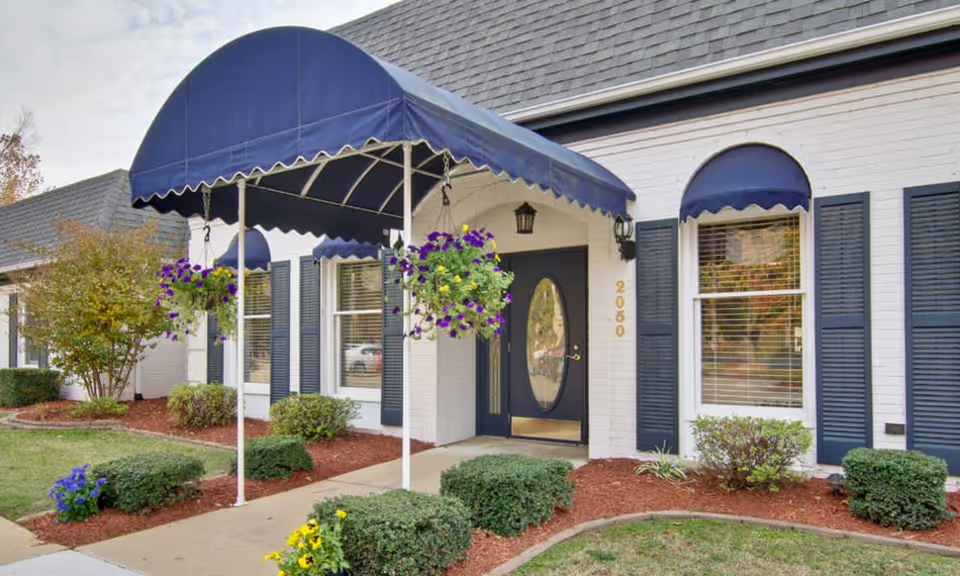
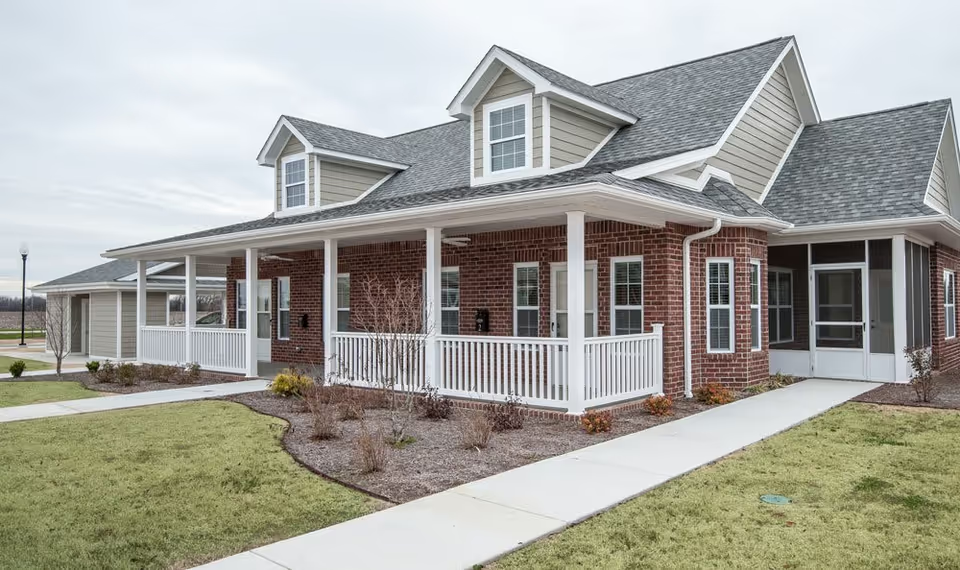
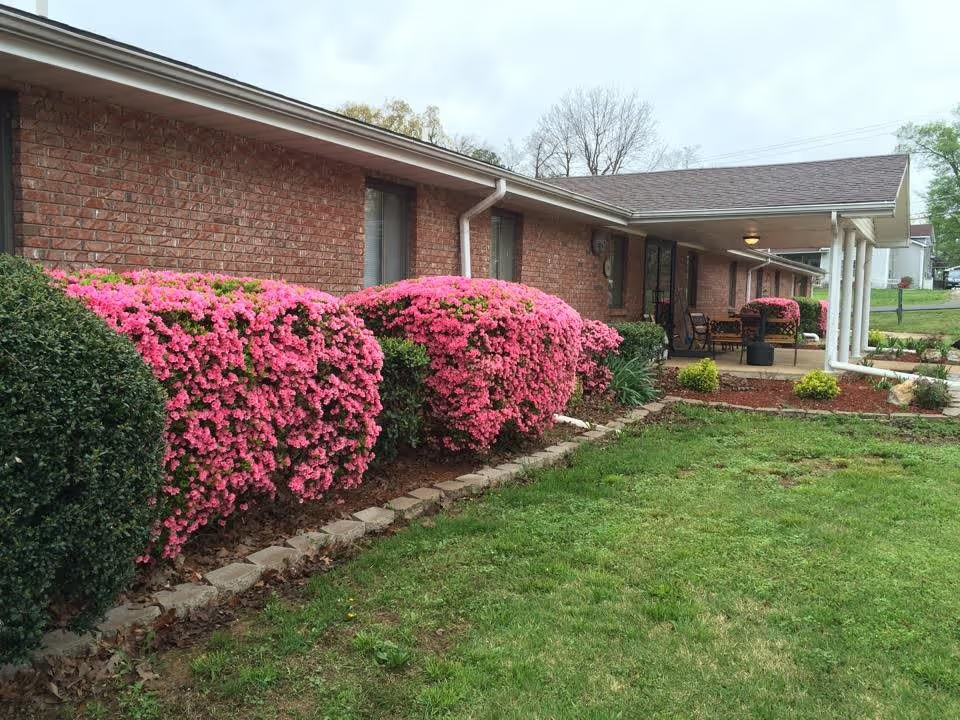
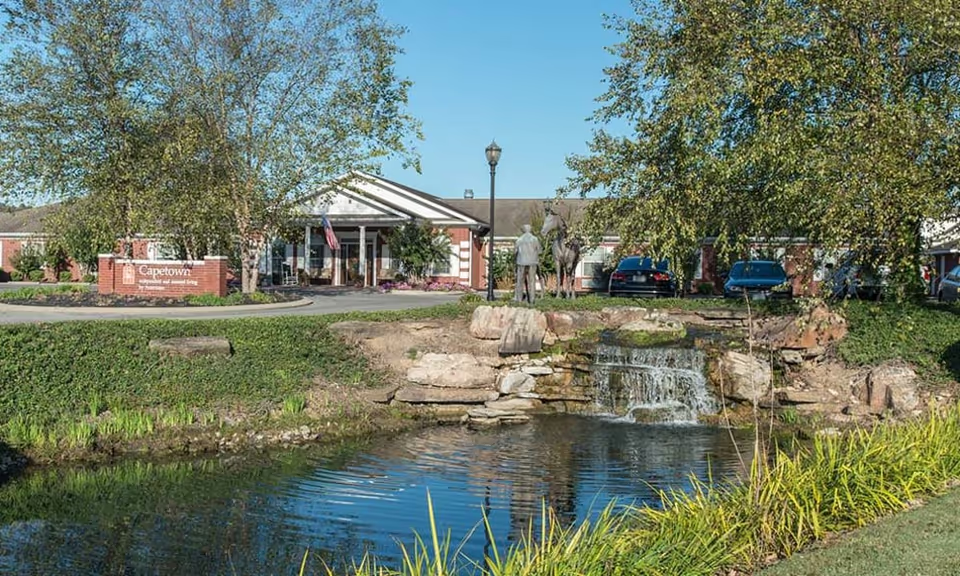
Facilities and housekeeping: Comments on the physical environment are mixed. Some reviewers praised a clean, well-maintained common environment, while others described sanitation and housekeeping issues within individual resident rooms. These contrasting accounts suggest variability in housekeeping follow-through or in room-level maintenance rather than a facility-wide uniform condition.
Management and communication: Management changes and a subsequent rate increase feature in several accounts. Reviewers described a perception that service quality declined after ownership/management transitioned, and that concerns raised to management were not always acted upon to their satisfaction. This pattern points to weaknesses in complaint-response processes and in transparency around service changes and billing.
Notable patterns and takeaways: The predominant positive theme is the quality of direct caregiving staff and resident-facing interactions. The predominant concerns cluster around operational consistency: personal-care routines, room-level housekeeping, medication oversight, responsiveness to acute clinical needs, and follow-up when families raise issues. For prospective residents and families, key evaluation steps would include observing multiple shifts, reviewing medication-management protocols, asking for housekeeping schedules, and discussing how the current management handles complaints and clinical escalations.