Overall impression: The reviews for this facility are highly mixed, with distinct pockets of strong clinical and social services alongside recurring operational concerns. Many families praise individual staff members, memory-care programming, and therapy services; concurrently, other families describe systemic problems that have affected care consistency and the lived environment. Prospective residents and families will find evidentiary strengths to weigh against persistent organizational issues.
Care quality and clinical monitoring: Strengths include notable rehabilitation and physical therapy offerings and several accounts of timely, professional clinical care when staffing is adequate. The memory-care team and some nursing staff receive repeated commendation for knowledge and compassionate approaches. However, underlying operational gaps appear to affect clinical reliability: reviewers describe inconsistent medication administration, incomplete documentation, and lapses in routine monitoring (for example, blood-glucose checks and oxygen monitoring). These gaps suggest variability in clinical processes and supervision rather than a uniform standard of care across the campus.
Staffing, conduct, and communication: Staffing levels and turnover emerge as central drivers of the facility’s uneven performance. Positive feedback highlights caring, attentive aides and responsive social-work and admissions staff, but contrasting accounts describe delayed responses to call lights, staff preoccupation with personal activities, and variable professional conduct and tone. Communication with families is similarly inconsistent: some report proactive, accessible administrators and social workers, while others report difficulty reaching nurses or getting timely explanations about incidents. There are also serious, isolated allegations regarding inappropriate staff behavior and consent restrictions; such claims warrant follow-up by families and, when indicated, external authorities.
Dining and activities: The facility’s dietary and activities programs are frequently cited as strengths. Reviewers note an engaged activities schedule (bingo, music, outings, church services), individualized meal accommodations, and a clean, well-run kitchen. Contrasting comments reference inconsistent meal appeal, late or cold meal delivery, and unmet special-diet requests in some cases. Overall, where culinary and activity staff are stable and engaged, residents and families describe meaningful social engagement and acceptable nutrition; where operational issues exist, mealtime experience declines.
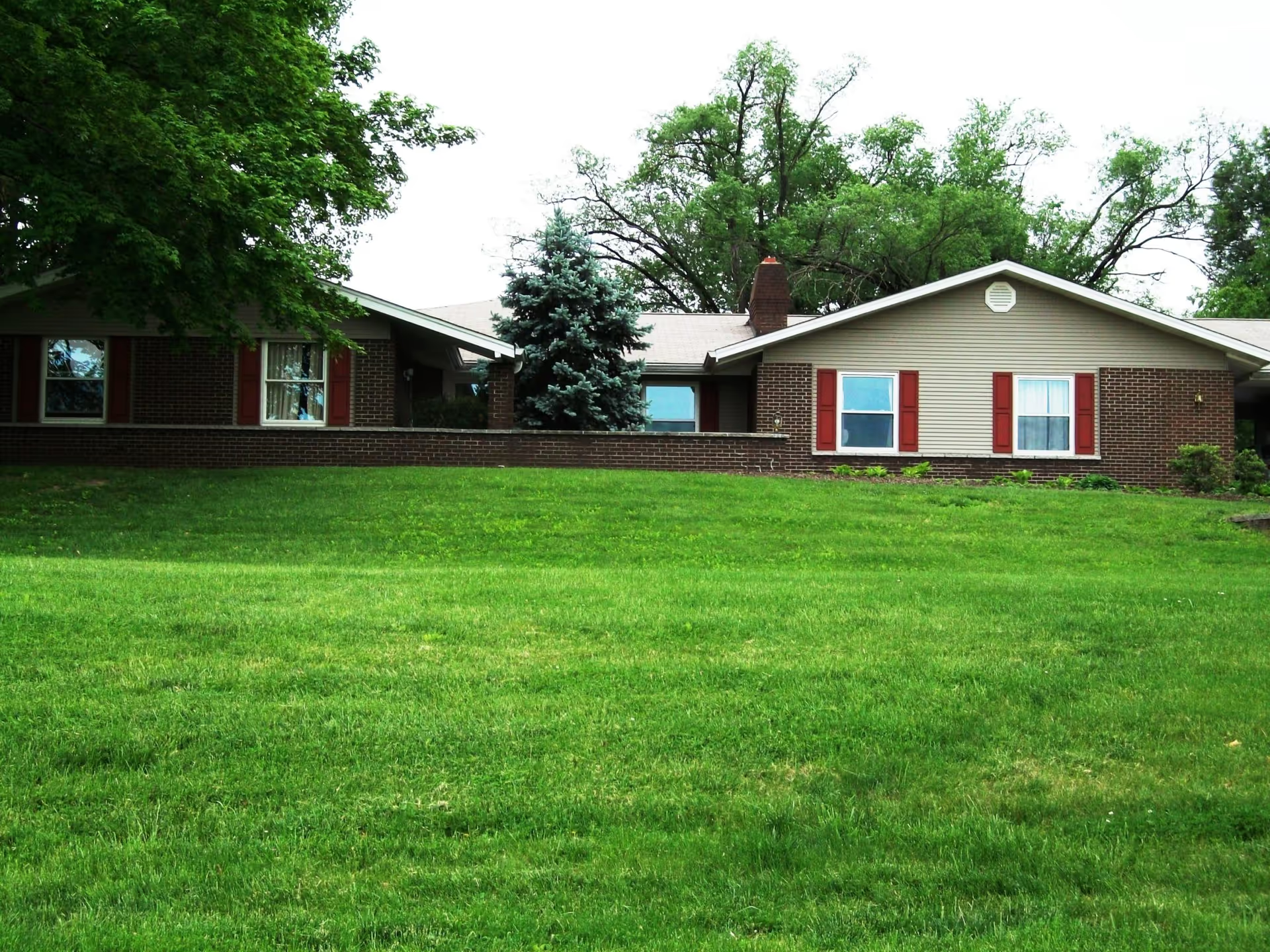
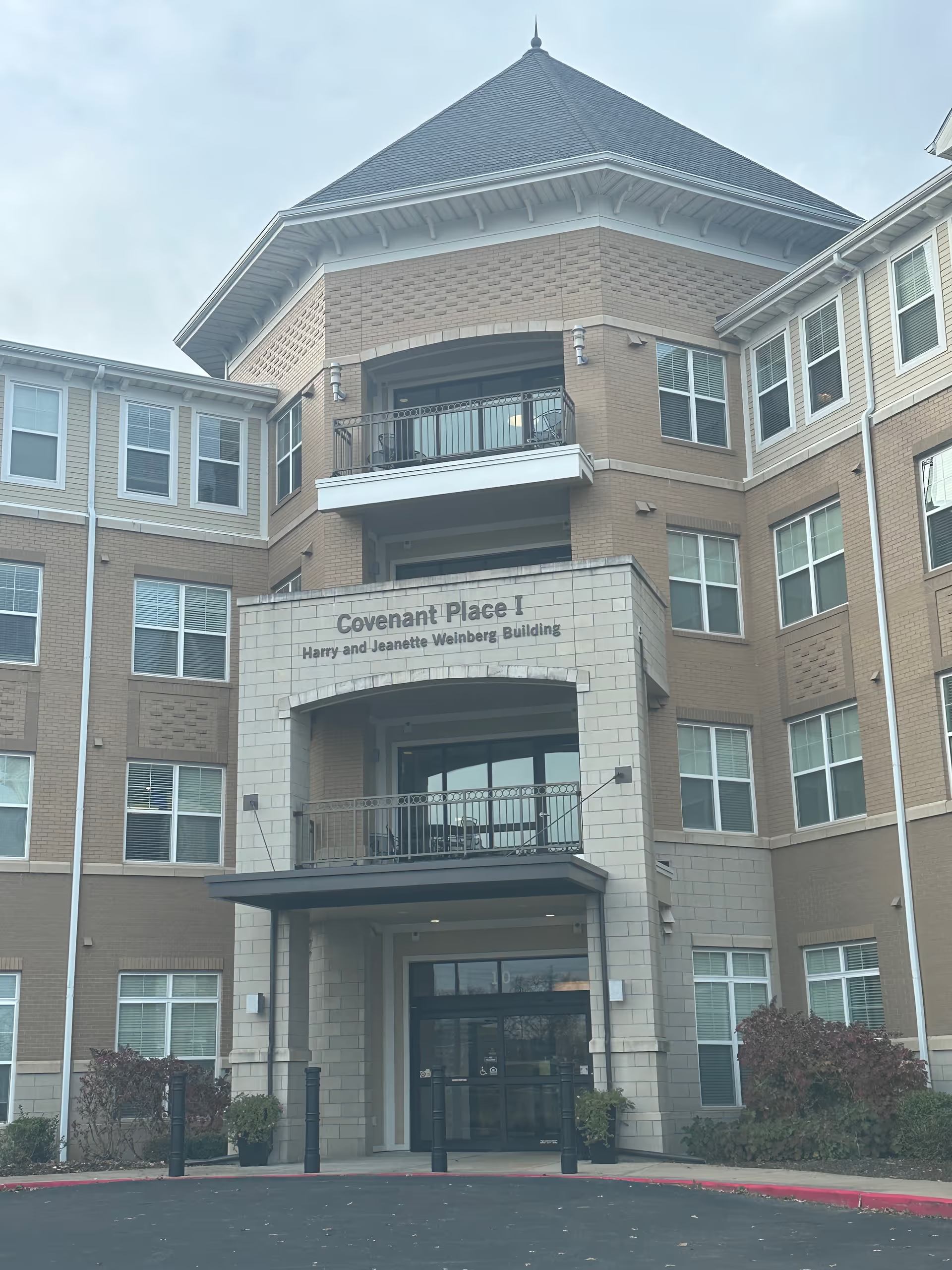
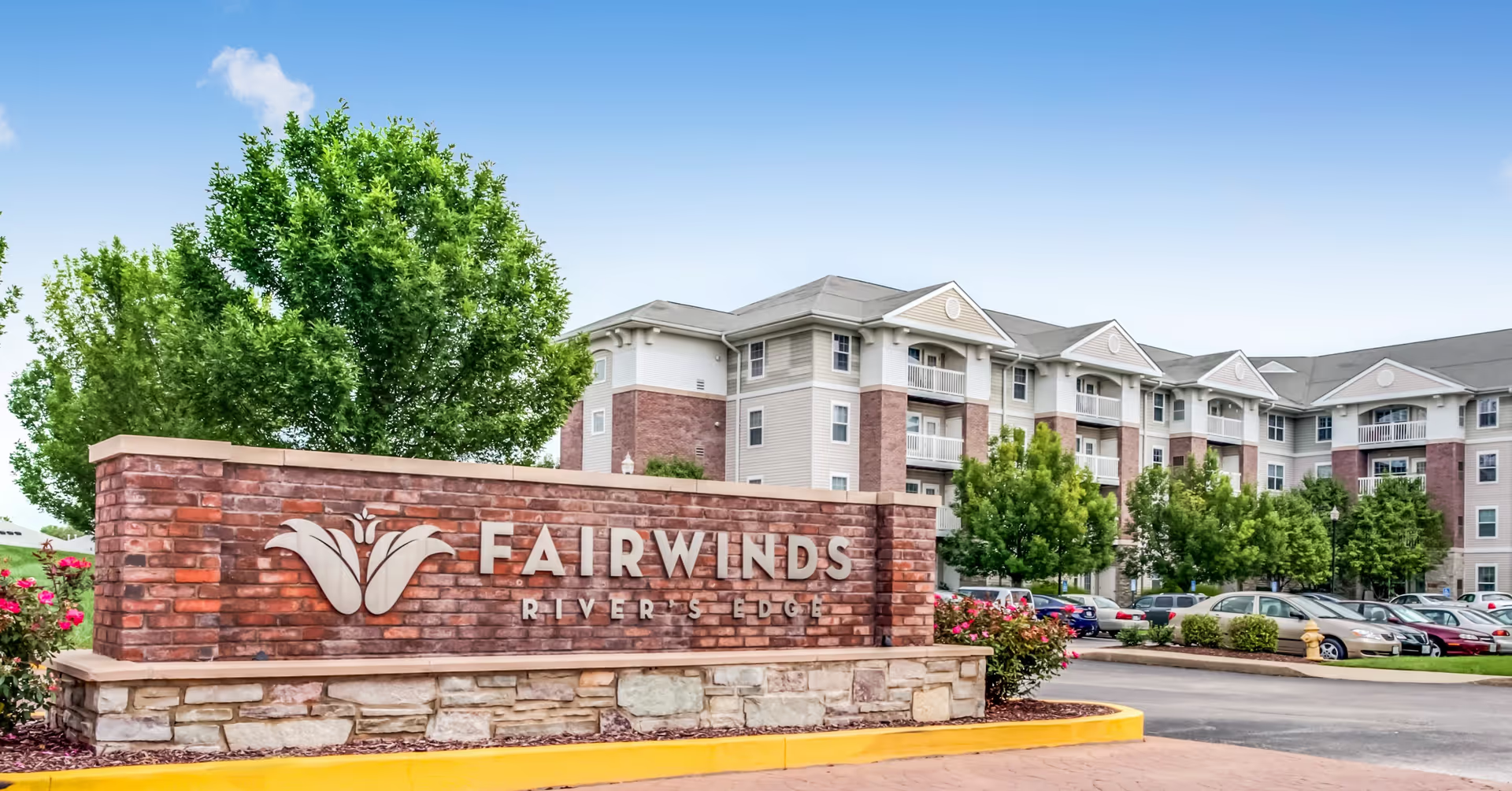
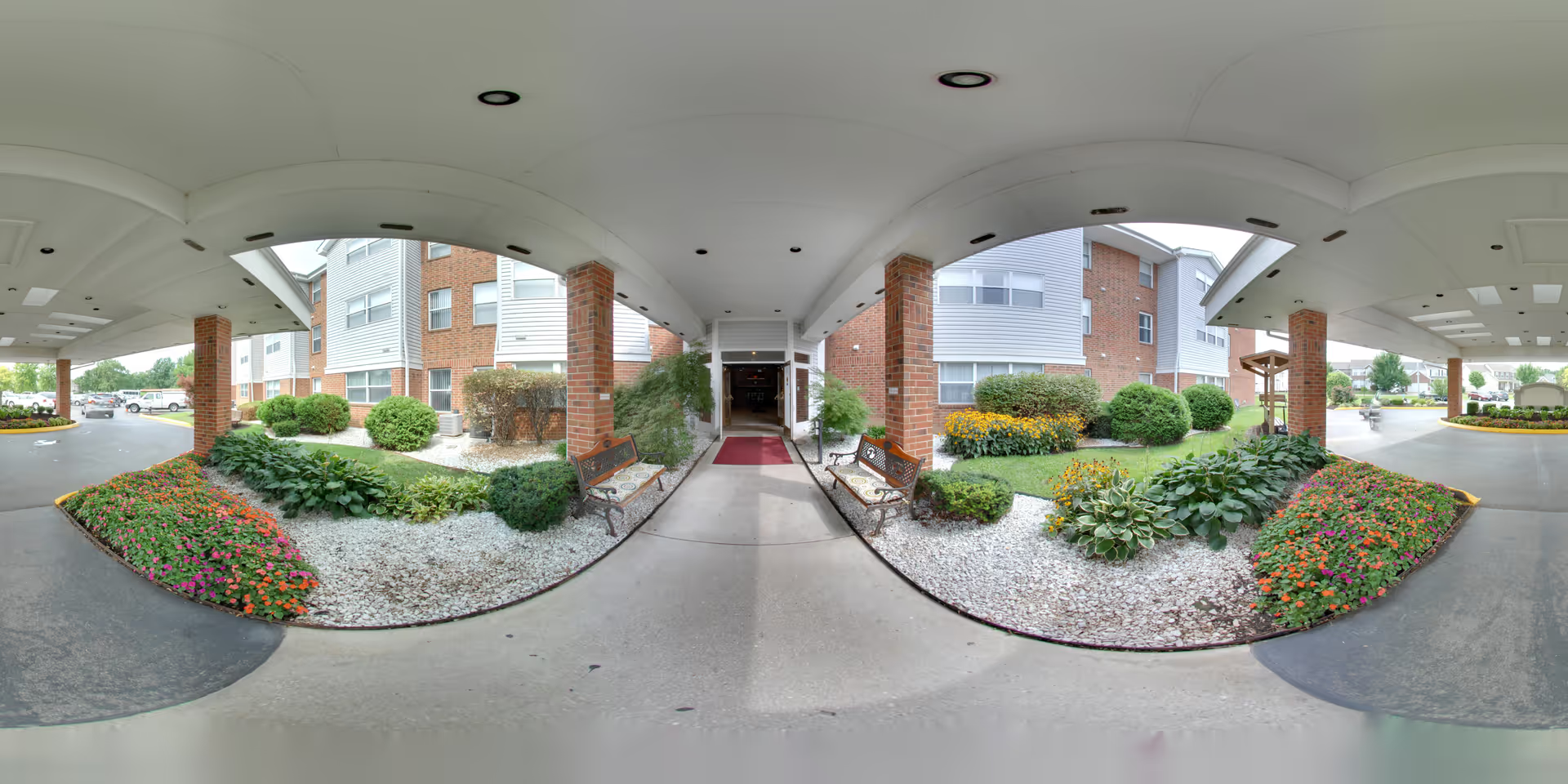
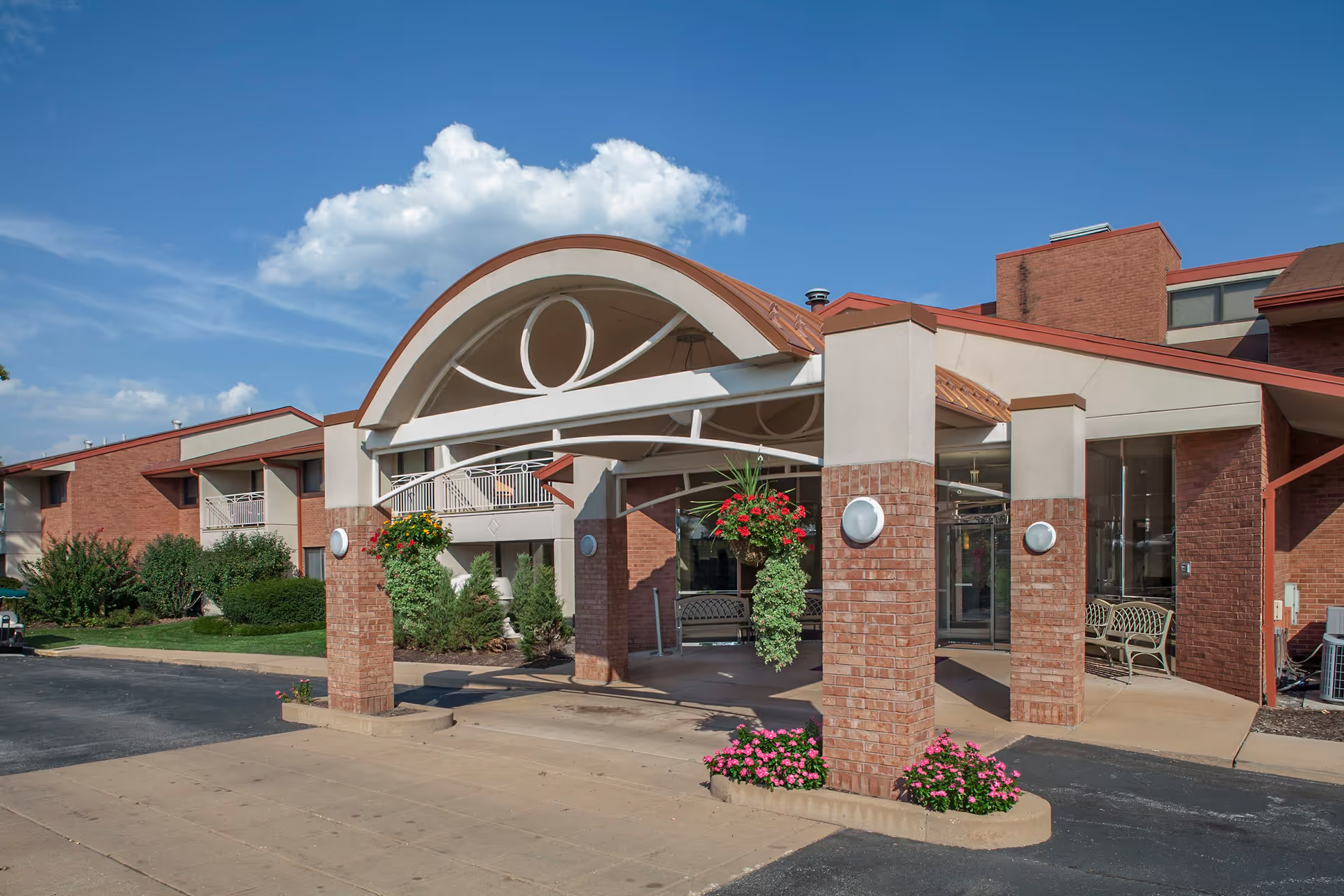
Facilities and environment: Several reviewers praise clean common areas, attractive décor, and the ability to personalize rooms. The kitchen and dining areas are often singled out for good maintenance. At the same time, multiple reviews point to variability across buildings: older units may experience ventilation and HVAC shortcomings, odor concerns, and maintenance needs (peeling paint, cracked walls, worn furniture). Outdoor shaded spaces, meeting/office space, and entry security procedures are also identified as areas for improvement. These observations suggest a campus with newer, well-maintained sections and older areas that require targeted capital and operational attention.
Management and patterns to watch: Leadership responsiveness appears mixed. Some families report prompt remediation when issues are raised and describe a family-run atmosphere with accessible administrators; others describe inconsistent follow-through, managerial turnover, and human-resources or leadership behaviors that undermine staff morale. Recurrent themes that prospective families should evaluate during a tour include staffing ratios (especially nights and weekends), medication-administration protocols, infection-control and sanitation practices, staff training and supervision, and visitor/entry procedures.
Recommendations for prospective families: Visit multiple times including evenings and weekends, ask to see staffing assignments and medication-administration logs, inquire about staff turnover and training, tour both newer and older units, observe call-light response times, and request specific examples of how dietary needs and incontinence care are managed. Given the mixed reviews, individualized due diligence—focused on clinical reliability, staff responsiveness, and the condition of the specific unit under consideration—will provide the clearest picture of whether this facility meets a given resident’s needs.