Overall impression: Reviews describe a facility with highly mixed performance. Several families praised individual caregivers, nursing staff, and programs that support residents' daily life, while other accounts point to persistent operational weaknesses that affect care continuity and family confidence.
Care quality: Observations indicate inconsistent delivery of basic personal care. Multiple accounts describe irregular bathing schedules and delayed assistance with toileting needs, suggesting systemic scheduling or staffing challenges rather than isolated incidents. There are also concerns about gaps in post-operative therapy continuation and broader clinical coordination, which in some cases was associated with clinical decline after transition from hospital to the facility. Reviews reference concerns following a resident's death; those comments suggest families experienced unresolved questions about end-of-life communication and care during that period.
Staff and conduct: The facility appears to employ both dedicated, compassionate caregivers and staff whose conduct fell short of families' expectations. Several reviewers singled out individual CNAs for exemplary advocacy and protection of residents. Conversely, other accounts describe instances of brusque or dismissive interactions and examples of perceived disrespect or discriminatory behavior. Short staffing and inconsistent supervision are recurring themes that likely contribute to variability in staff responsiveness and interpersonal tone.
Dining and activities: Comments about meals and programming are similarly mixed. Some families and residents praised food quality and daily activities, noting an engaging activity schedule. Other feedback raised concerns about inconsistent meal temperature, limited dining options for particular residents, and occasions when assistance at mealtimes was insufficient. Activity offerings appear to be a relative strength when staffing permits meaningful engagement.
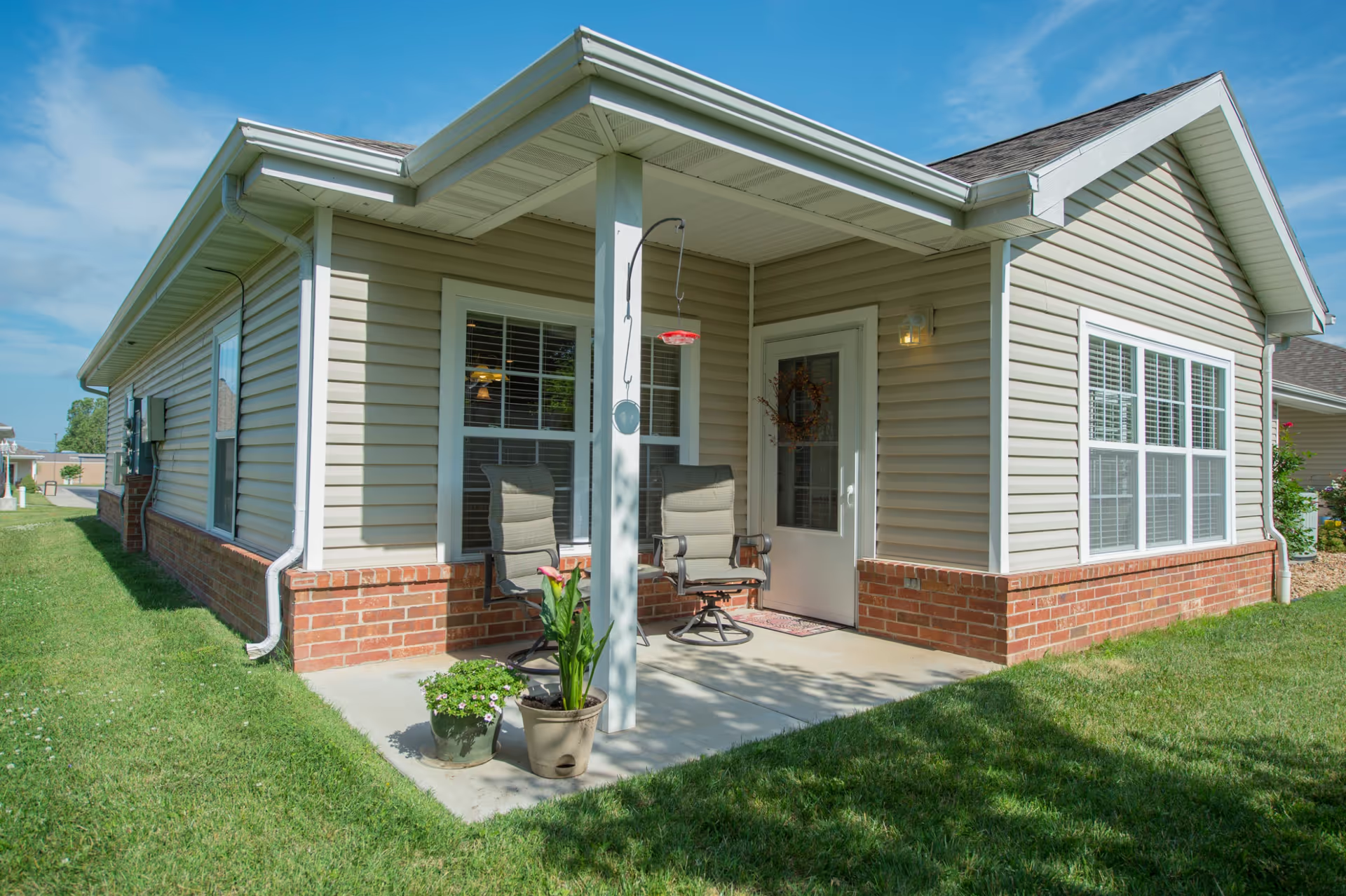
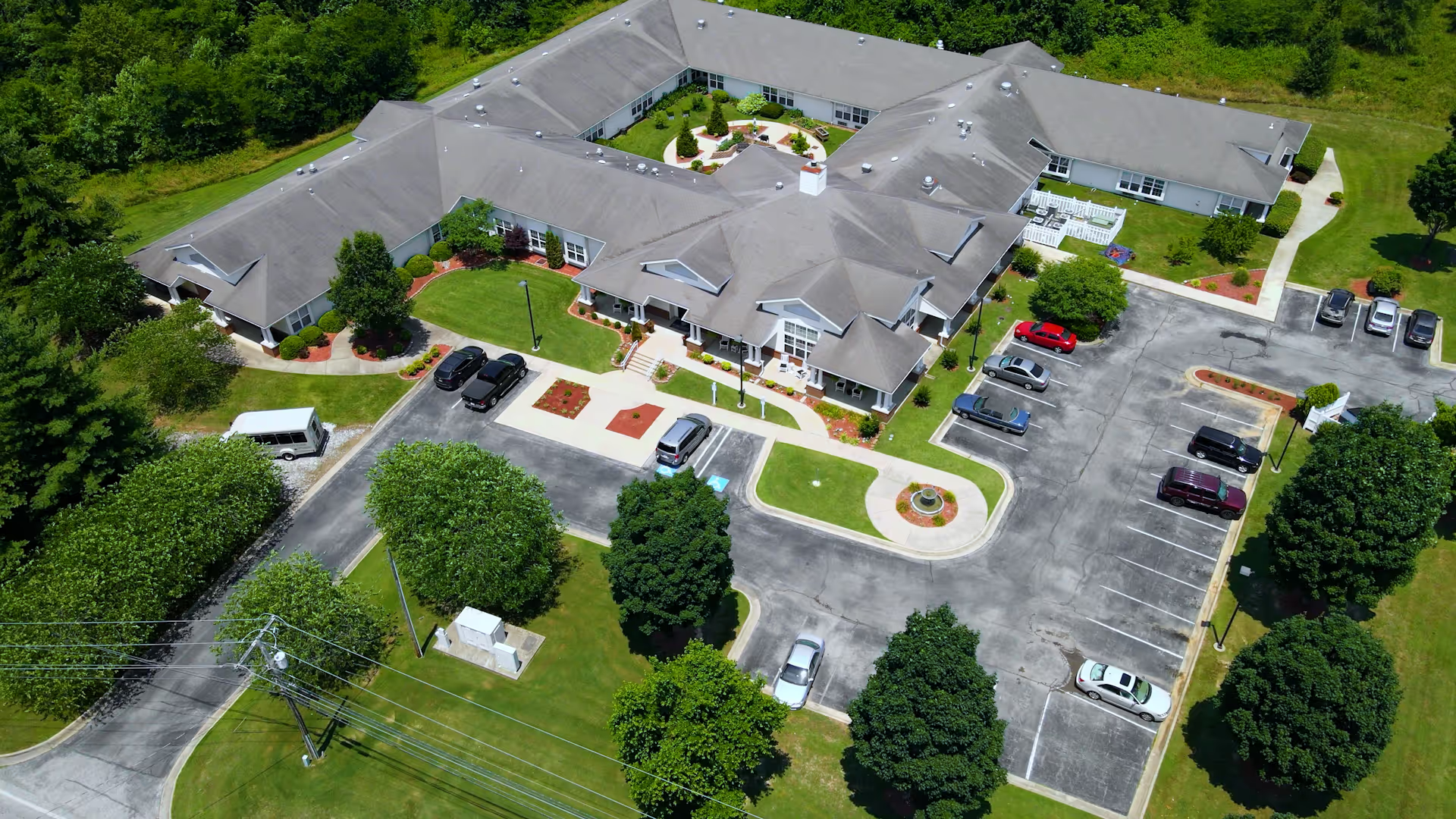
Facilities and management: Facility cleanliness and maintenance were described positively by some and problematically by others. Specific operational concerns include sanitation issues in resident rooms and inconsistent upkeep of equipment. Family communication and phone responsiveness were frequently identified as weak points; relatives reported difficulty obtaining timely updates and expressed frustration with rigid visitation policies that limited family access during important moments. Management-level oversight and quality-control processes appear uneven, given the mix of positive and negative operational experiences.
Notable patterns and guidance for families: The dominant patterns are variability and inconsistency — in staffing levels, personal-care routines, communication, and clinical follow-up. Prospective residents and families should consider asking the facility about current staffing ratios, bathing and toileting schedules, policies for therapy continuation after hospital discharge, infection-control and equipment-maintenance protocols, and the process for escalating family concerns. Also ask for specific examples of staff training on resident dignity and communication, and request clarity on visitation rules and how they are applied in end-of-life situations. These targeted questions can help determine whether the facility's strengths align with an individual resident's needs.