Overview: Meadowlands presents as a small, service-oriented assisted living and memory-care community with a strong emphasis on personalized attention, social programming, and flexible dining. Many families and residents highlight the facility’s welcoming, home-like atmosphere, accessible single-level layout, and an array of on-site amenities (theater, salon, chapel, courtyard) that support daily engagement. The community is frequently described as clean, well-maintained in public areas, and competitively priced relative to other options in the market.
Care and staff: The dominant positive theme is staff attentiveness and individualized care. Numerous accounts describe staff who know residents by name, provide patient assistance, and support families through move-in and transitions. Nursing and med-tech staff are often praised for competence and accessibility. However, there is a clear countervailing pattern: reviewers also describe staffing shortages, elevated turnover, and inconsistent coverage that can affect day-to-day responsiveness. Several families raised serious concerns about medication management and incontinence-care follow-through; in a few instances those concerns prompted transfers to other facilities. Together these patterns suggest generally strong interpersonal caregiving but uneven consistency in clinical oversight and shift-to-shift continuity.
Dining and activities: Meadowlands’ dining model is a strong selling point for many families. The kitchen’s flexible hours (commonly 7am–7pm), cooked-to-order options, and accommodating chefs create a restaurant-style experience that residents appreciate. That said, food quality is described as variable: when leadership or culinary staff change, some families report a noticeable decline in seasoning or menu variety. Activities programming is robust and wide-ranging — bingo, crafts, outings, movie nights, live music, and religious services are frequently cited — and the facility’s small size supports frequent, community-oriented events. There are also reports of lower activity participation at times, which appears related to staffing availability and occasional restrictions (e.g., pandemic-era limits).
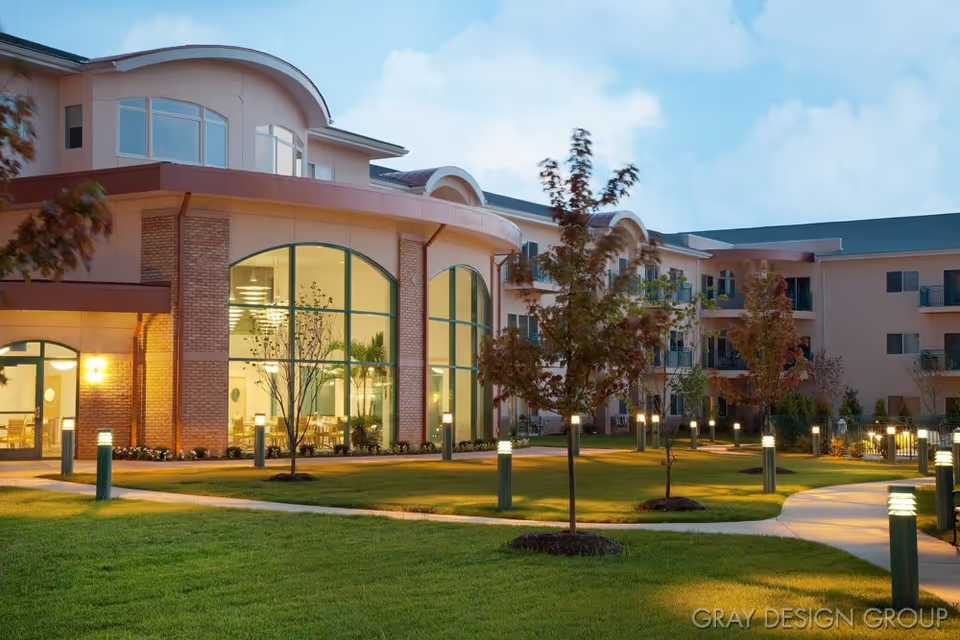
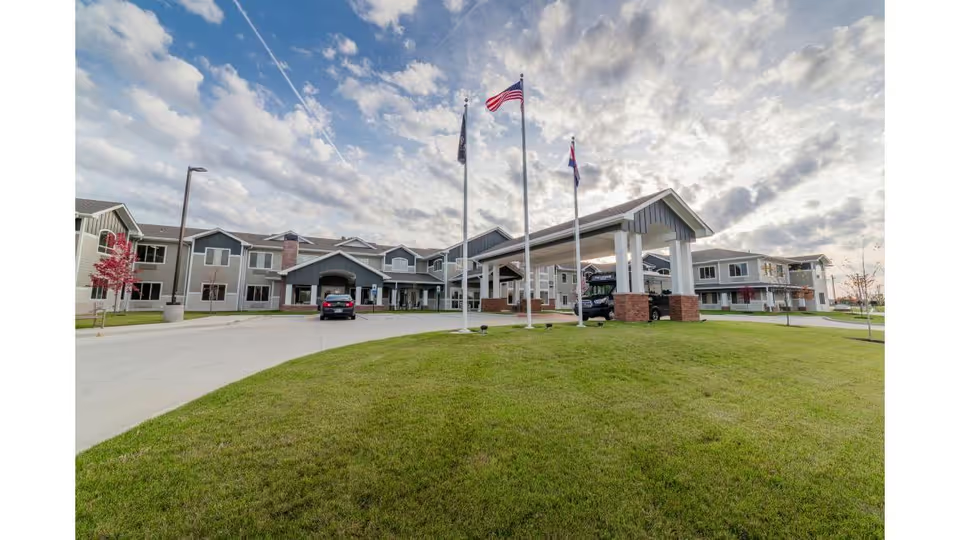
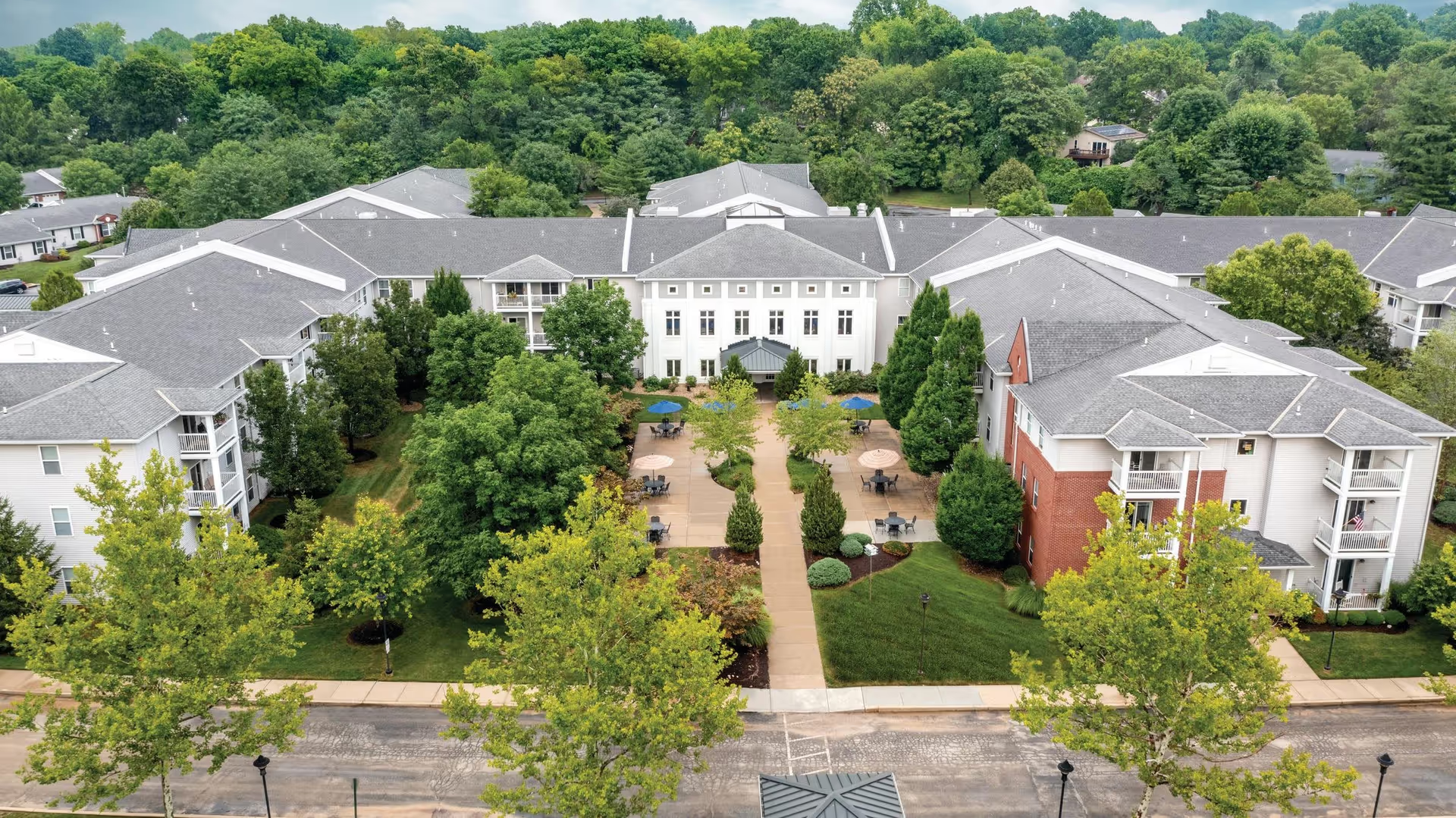
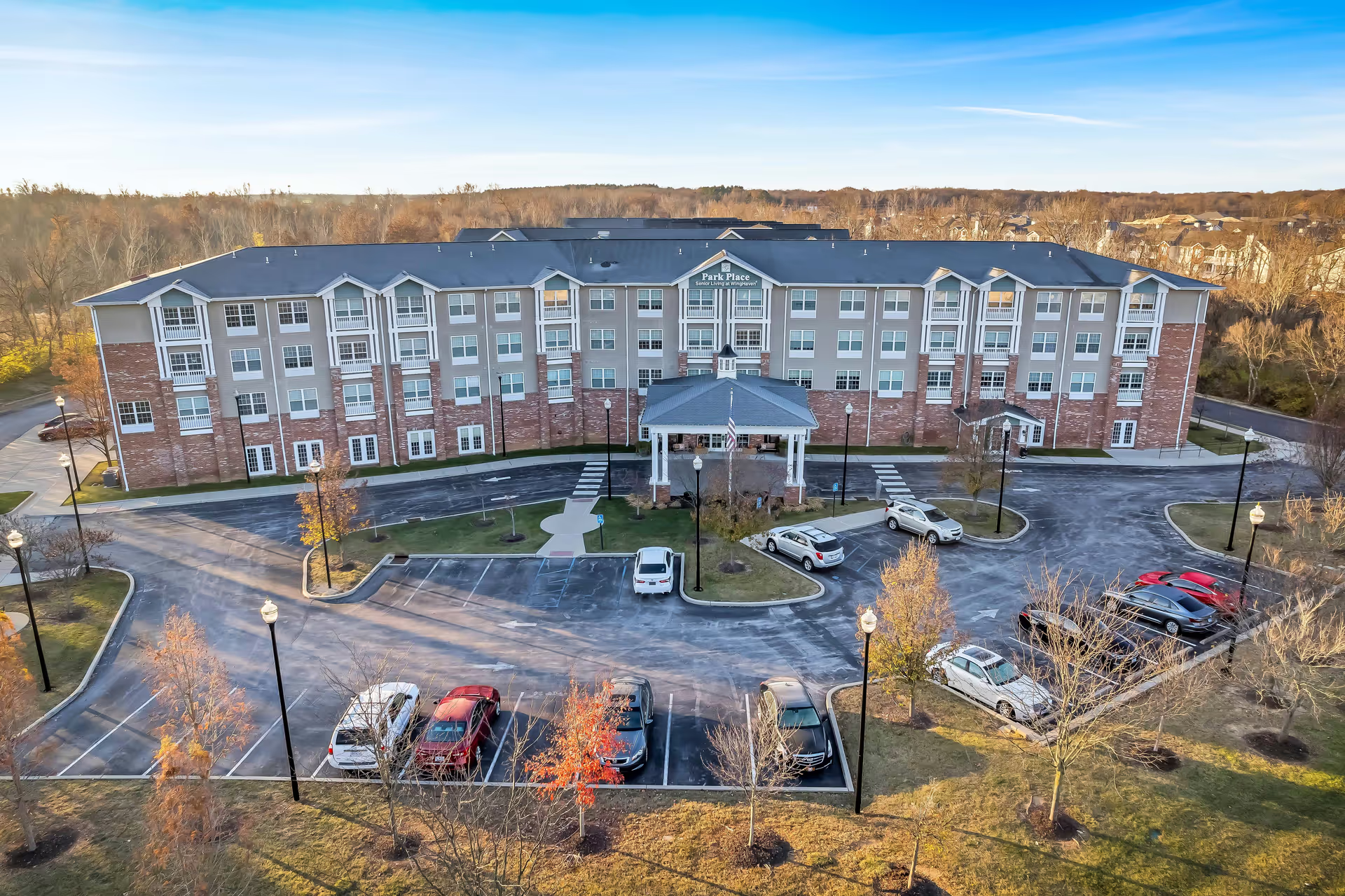
Facilities and amenities: The physical plant is generally viewed positively: many reviewers note bright common areas, wheelchair-accessible apartments, updated dining spaces, and useful amenities such as a theater, salon, and secure outdoor paths. Memory care is described as secure and well-organized in most accounts. Areas for improvement include cosmetic updates in parts of the building, occasional odor concerns in limited wings, and room-layout constraints that reduce privacy in some shared configurations. Overall, the community reads as functional and comfortable rather than top-tier luxury.
Management, communication, and finances: Reviewers express mixed impressions of management. Positive comments cite engaged leadership, helpful marketing and move-in staff, and good hospice coordination. Negative patterns include inconsistent communication (particularly cross-shift handoffs and family notifications), administrative turnover, and a lack of transparency around ancillary fees and rent increases. These operational weaknesses frequently amplify family frustration when paired with the clinical consistency issues described above. Prospective families should clarify fee structures and escalation paths during tour and move-in planning.
Notable patterns and guidance for families: Meadowlands offers many strengths for families seeking a close-knit, activity-rich, value-oriented community with flexible dining and a secure memory-care option. The most consistent cautions concern staffing consistency, clinical oversight (especially medication practices and nursing coverage), housekeeping continuity, and administrative transparency around fees. For prospective residents, recommended due diligence includes inquiring about current staffing ratios and turnover, asking how medication changes and family notifications are handled, reviewing housekeeping and laundry schedules, and confirming any potential ancillary charges in writing. Visiting at different times of day and speaking with current families can help assess whether the community’s operational consistency aligns with a prospective resident’s clinical and personal needs.