Overall impression: Reviews present a polarized but consistent set of themes. Many families and residents praise the facility’s compassionate caregiving, strong therapy/rehab teams, appealing dining, and an active program of social and recreational events. At the same time, a substantial number of accounts describe operational inconsistencies that affect care reliability and family confidence.
Care quality and clinical concerns: Care experiences vary widely. Numerous reports describe attentive, professional nursing and therapy staff who provide effective rehabilitation and good clinical oversight; hospice partners and end-of-life support are also frequently cited positively. Conversely, other accounts identify significant lapses such as delays in basic assistance, missed or incorrect medication administration, long waits for water or help with toileting, and clinical events that led to hospital readmission. These contrasting descriptions indicate inconsistent performance across shifts or units rather than uniform clinical practice.
Staffing and conduct: Staff are often characterized as caring, friendly, and available, and some reviewers describe staff who become like family. However, staffing levels and coverage are recurrent concerns — reviewers cite short-staffing, slow response to call lights, and uneven professionalism. Communication tone and responsiveness from front-line staff and nursing leadership are described as variable; some families experienced prompt resolution of issues, while others felt unheard. There are also allegations of managerial favoritism affecting accountability.
Dining and activities: Dining is one of the facility’s stronger areas for many families — frequent comments note high-quality meals, desserts, and pleasant dining environments. Activity programming is broad (exercise, crafts, bingo, music, church services, animal visits) and memory-care programming is available. Limitations are mentioned for certain populations (for example, fewer activities adapted for visually impaired residents) and occasional service lapses (trays out of reach, meals running out) have been noted.
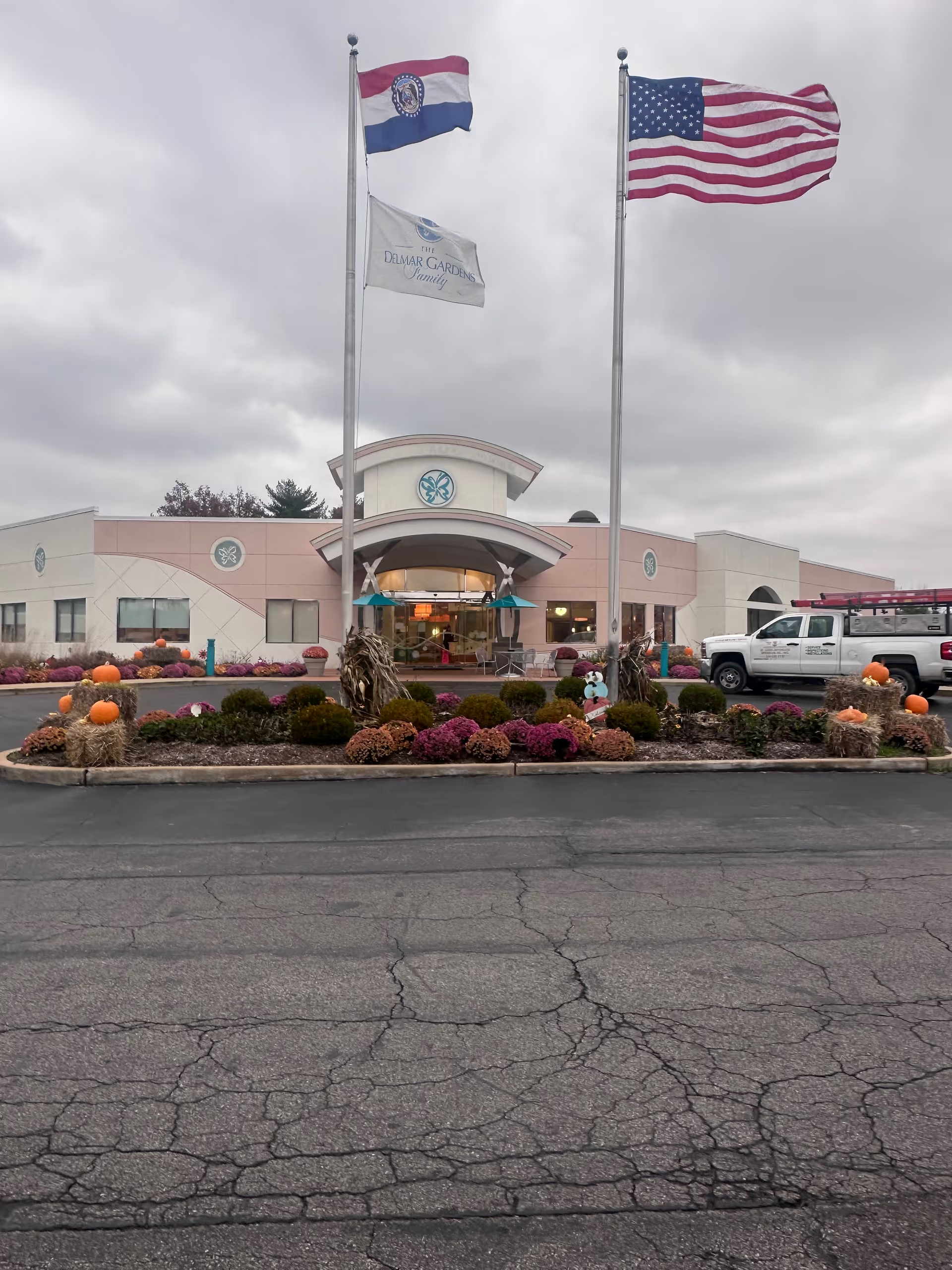
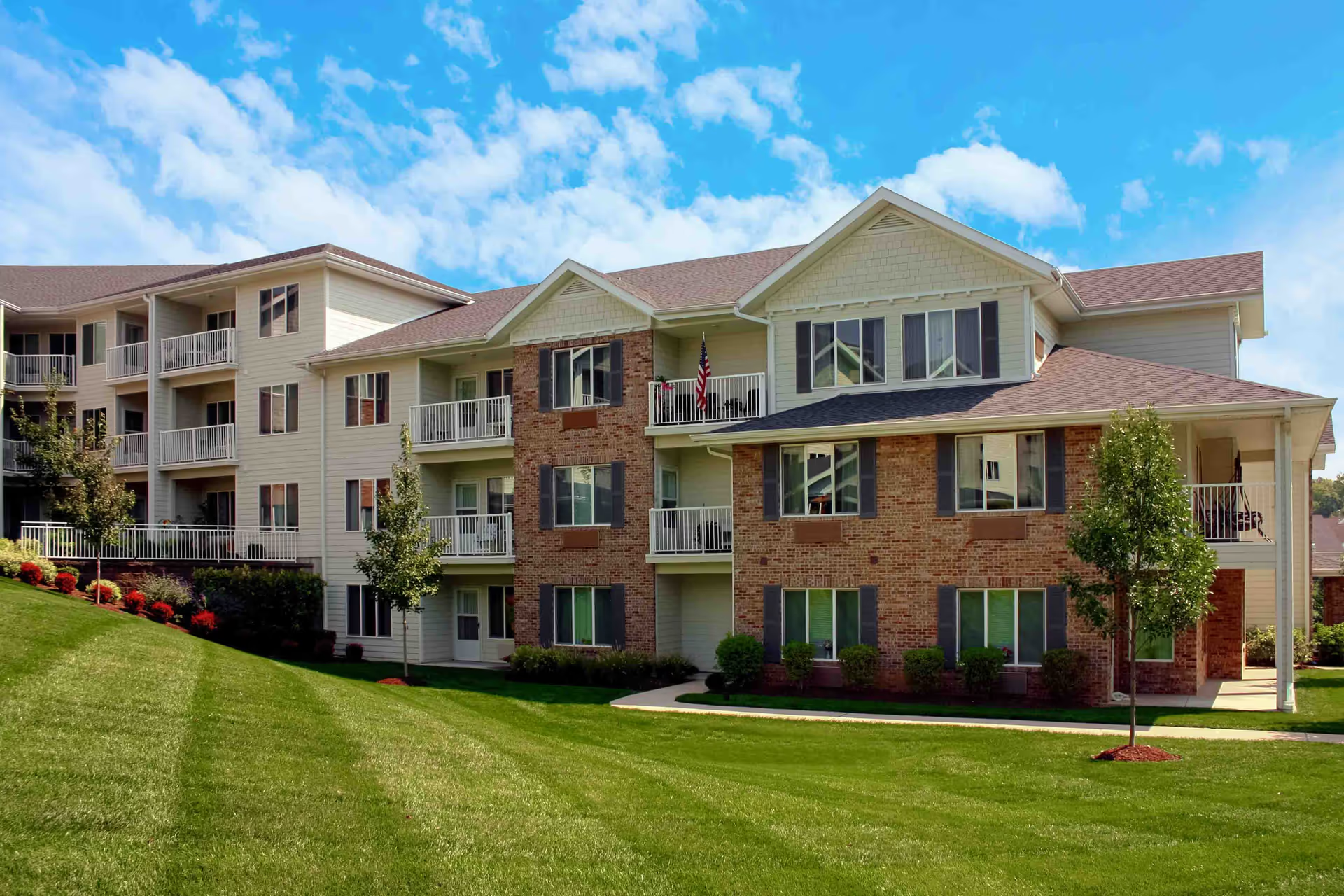
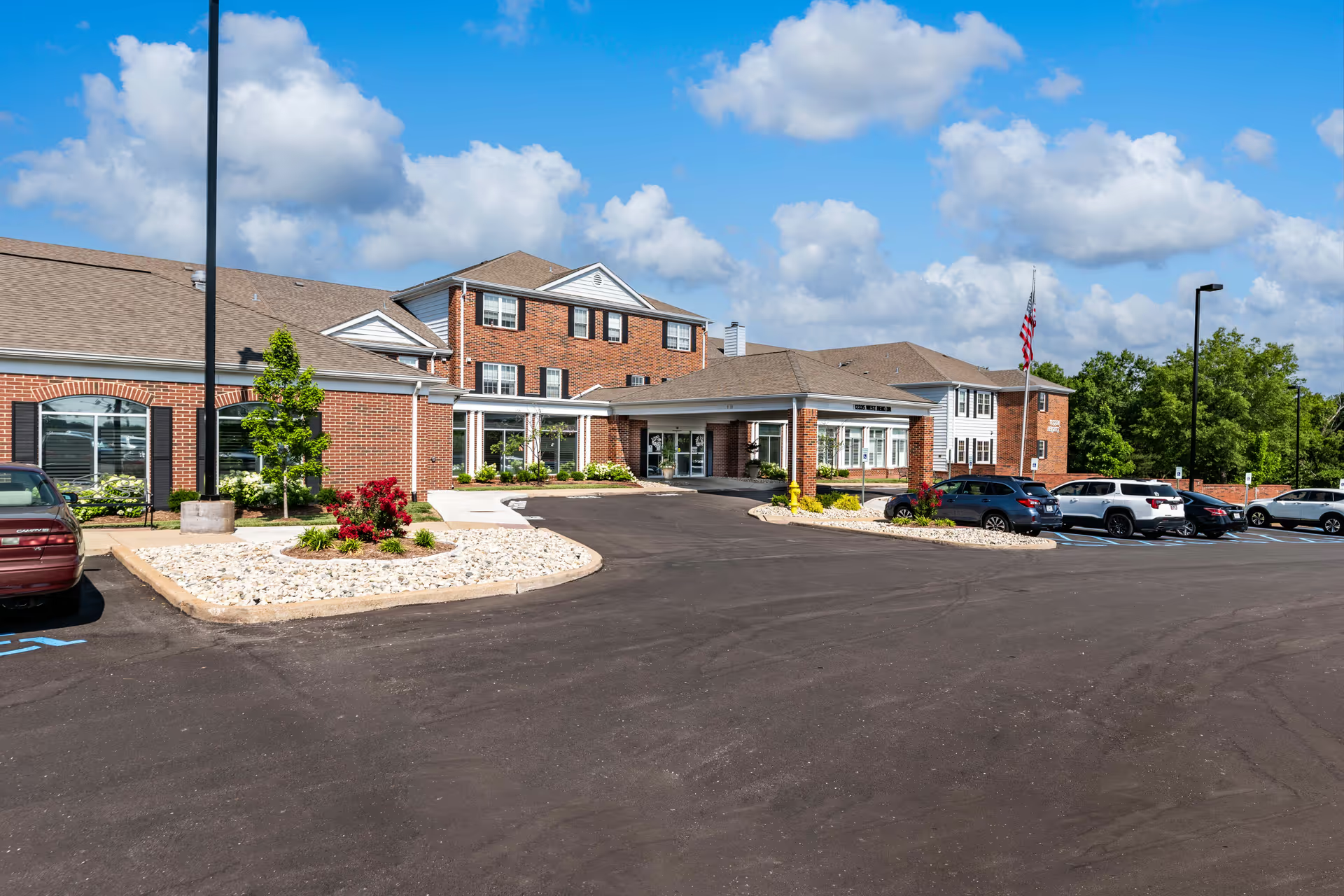
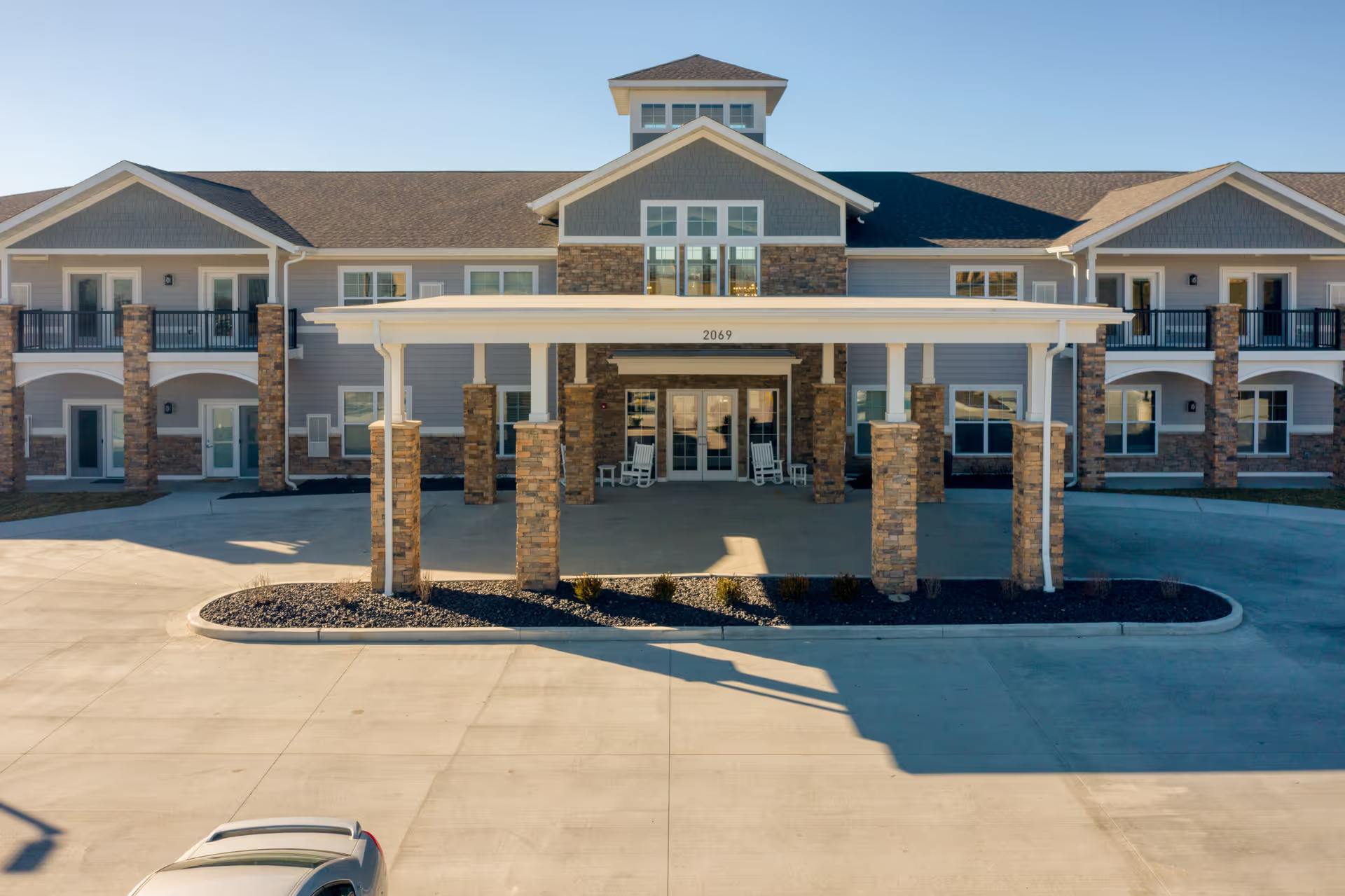
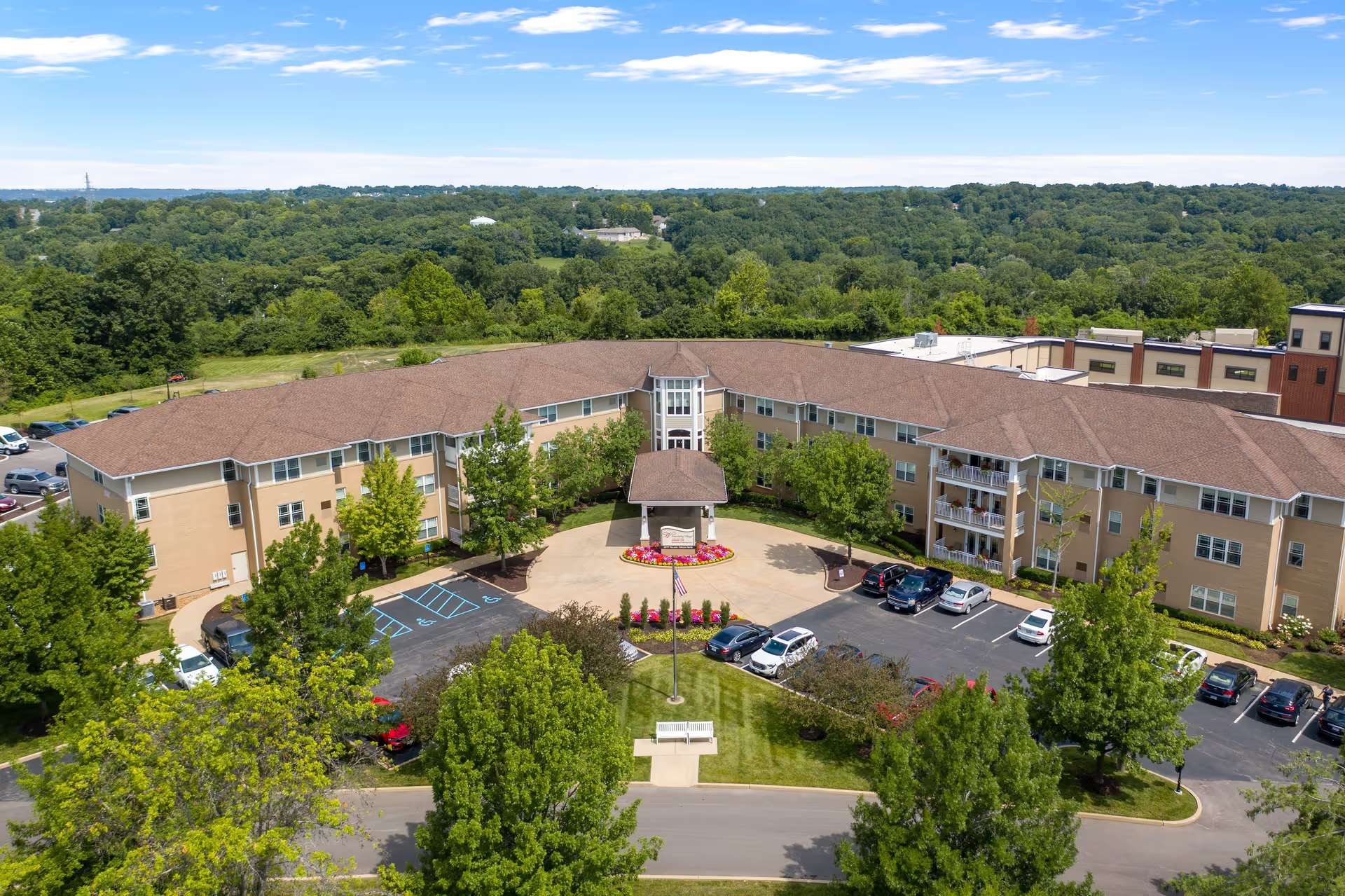
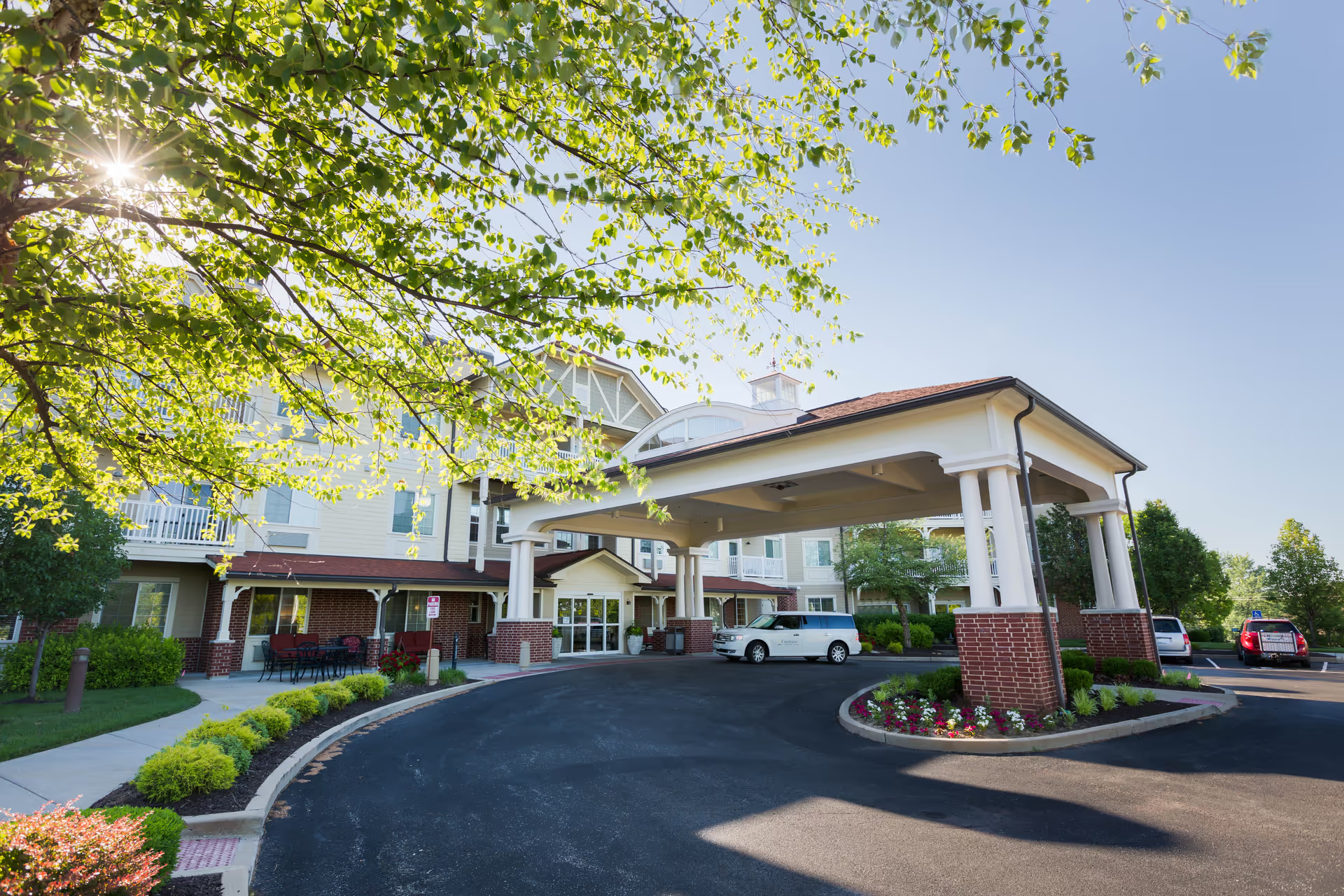
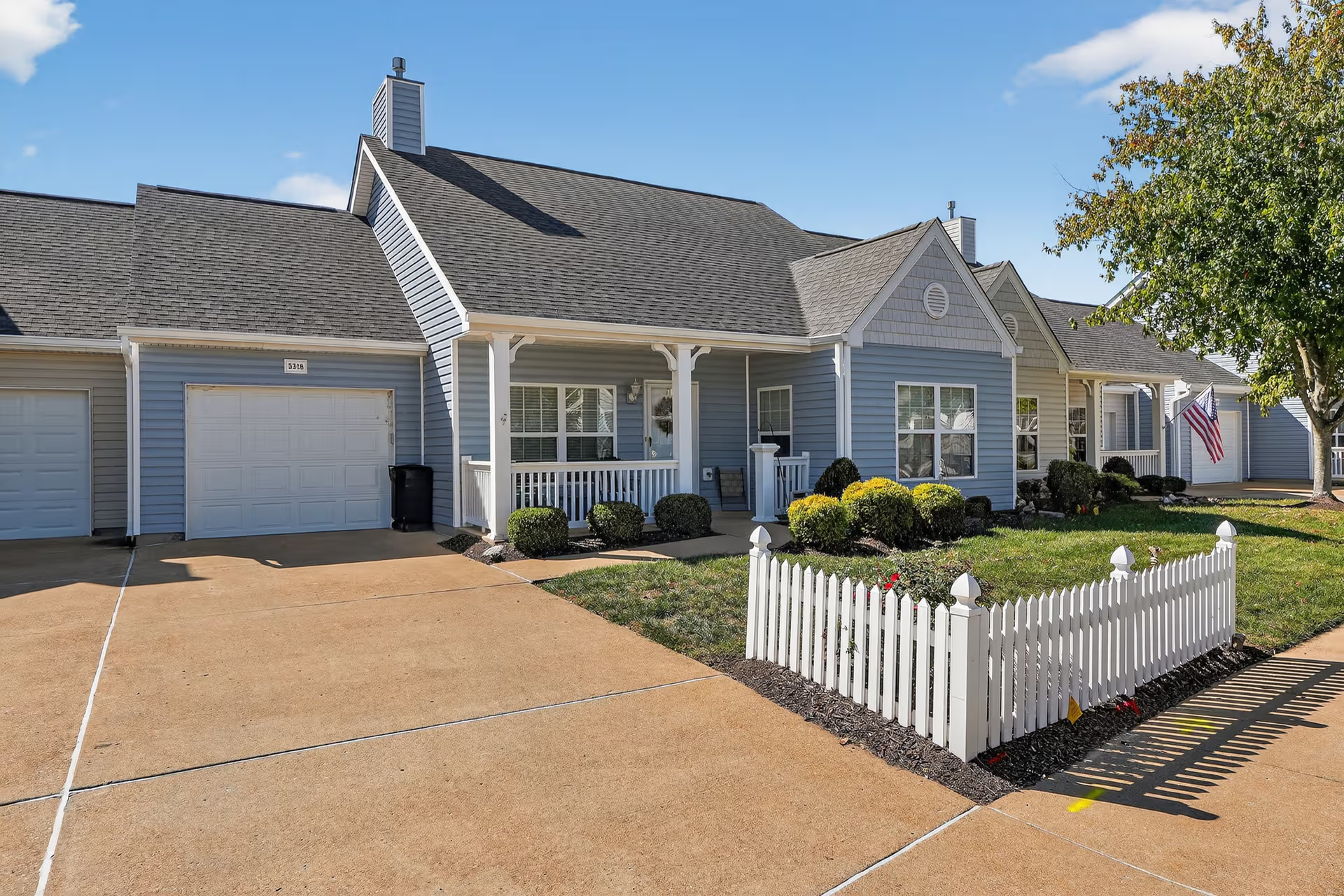
Facilities and cleanliness: Common areas, entrance, and grounds are frequently described as bright, cheerful, and well-kept. However, some resident rooms and specific units show sanitation and cleanliness issues including mold/staining and cramped layouts, creating uneven impressions between public spaces and private rooms. Rehab rooms may lack full privacy in some cases.
Management and communication: Management performance is mixed in the reviews. The facility received positive marks for pandemic-era communication and some timely family outreach, but other accounts raise concerns about administrative responsiveness, phone access difficulties, and slow follow-through on complaints. Financial interactions receive both praise (help with Medicaid/assistance with payments) and criticism (perception of high cost and limited value).
Patterns and decision considerations: The facility appears to offer strong strengths in therapy, dining, activities, and in many instances compassionate caregiving and hospice coordination. The primary risks for prospective residents and families are operational variability — inconsistent staffing, response times, medication administration, and room-level sanitation. Prospective families should prioritize on-site assessment of the specific unit and room, ask about staffing ratios for the resident’s level of need, review medication-safety and incident-communication processes, and confirm how the facility handles complaints and family escalation.