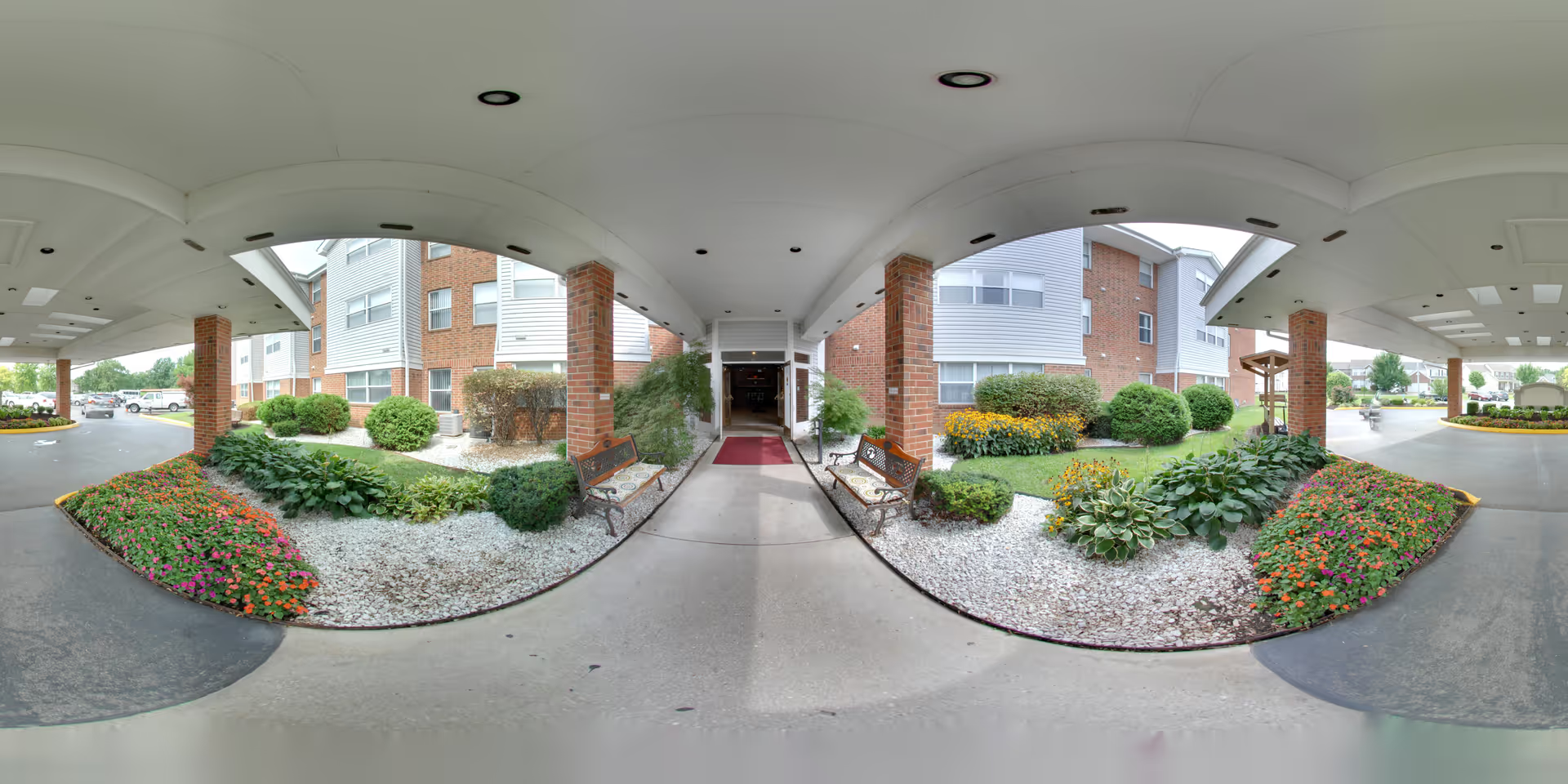
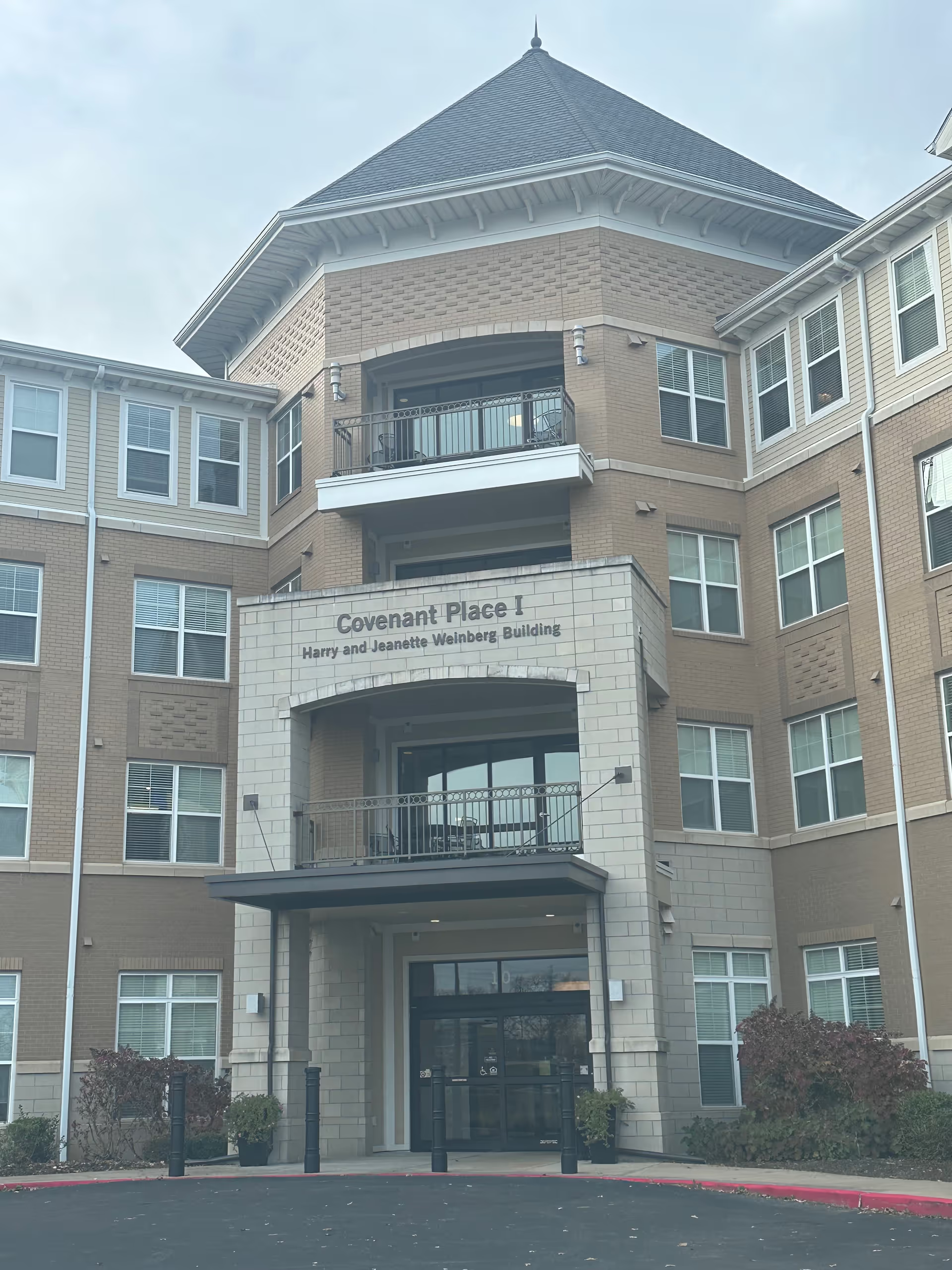
Reviews present a mixed and polarized portrait of Lewis and Clark Gardens. Many accounts praise individual caregivers, particularly specific nurses, CNAs, and therapy staff, and describe effective rehabilitation programs (PT/OT/SLP), coordinated outpatient services, and supportive relationships that made families feel included. At the same time, a substantive set of concerns describe systemic operational weaknesses that reviewers say have affected day-to-day care and the living environment.
Care quality is described as highly variable. Positive experiences emphasize attentive nursing and a comprehensive therapy plan that supported recovery and discharge. Conversely, numerous concerns point to chronic understaffing, inconsistent personal-care routines (including irregular bathing and linen changes), delays in clinical follow-up, and gaps in medication administration and wound-care protocols. Several accounts reference delayed provider calls, inconsistent physical-therapy availability for higher-dependency residents, and instances that families interpreted as failures in monitoring and follow-through.
Staffing and conduct receive mixed assessments. Reviewers frequently single out individual caregivers as compassionate and reliable, while also describing patterns of high turnover, weekend or night coverage shortfalls, and lapses in supervisory oversight. Serious conduct concerns are raised, including allegations of staff substance use and reports of staff inattention during night shifts; these items underscore perceived weaknesses in hiring, training, and supervision. There are also recurring comments about perceived favoritism in hiring and uneven staff competency across shifts.
Dining, activities, and resident engagement are similarly inconsistent. Therapy services and recreational offerings such as bingo and television programming are cited as positive elements that support resident quality of life. However, meal quality and meal-temperature control are uneven across reports, and some families felt activity engagement was insufficient for residents with cognitive or mobility impairments.
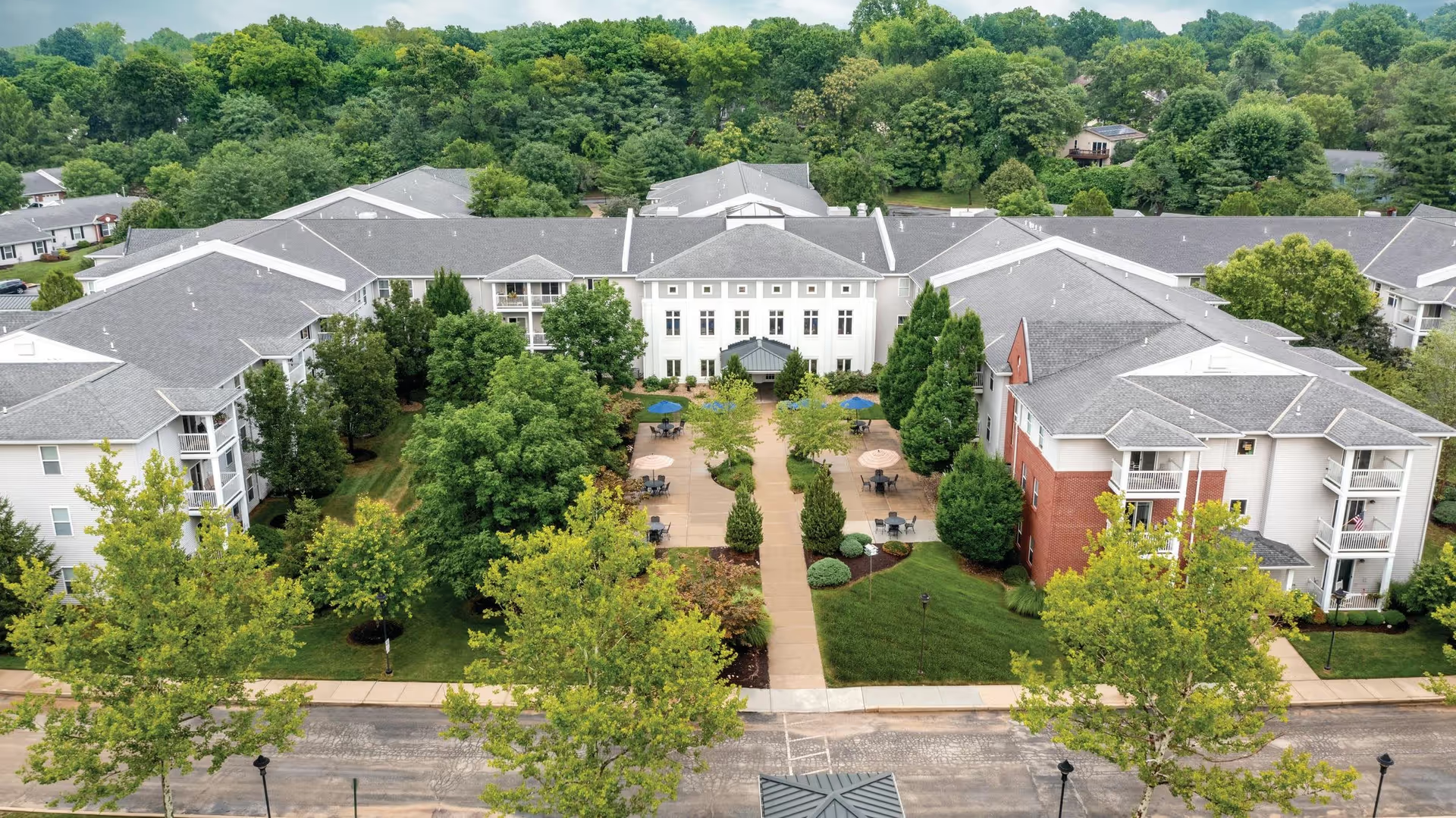
Facility condition and operations are another area of divergence. Positive notes mention assistance with laundry and medication management and, in some reviews, an improving environment under new management. Negative reports highlight sanitation concerns, odor control issues, pest-control concerns, maintenance lapses (including hot-water and linen availability), and supply-management problems that reviewers linked to care delays. Locked supply-access practices and perceived cost-cutting measures were described as barriers to timely treatment.
Management and communication are central themes. Several families described unresponsive or unstable leadership, difficulties obtaining clear incident communication, and dissatisfaction with post-hospitalization reporting. At the same time, some reviewers observed that new leadership and select staff initiatives were working toward improvement. Regulatory scrutiny and state-level investigations were referenced, indicating that some concerns have been formalized beyond anecdote.
Overall, the pattern across reviews is one of variability: the facility appears capable of delivering strong, rehabilitative, and compassionate care when staffing and supervision are effective, but operational weaknesses — especially around staffing, sanitation, wound and medication management, and administrative responsiveness — have led to repeated quality-of-care concerns for other residents. Prospective residents and families should weigh the documented strengths in therapy and individual caregiver dedication against the reported systemic issues; if considering this facility, it would be prudent to ask about current staffing ratios, wound-care and medication protocols, recent regulatory findings, housekeeping schedules, and steps taken by management to address night-shift supervision and supply-access barriers.