Overall impression: Mount Carmel at St Charles elicits predominantly positive feedback for its clinical care, rehabilitation services, and communal programming, while also showing recurring operational inconsistencies that families should consider. Many accounts emphasize compassionate nursing and therapy staff, with specific praise for wound-care expertise and medication-technology support. An engaged administrative presence and generally well-kept common areas reinforce a sense that the facility can provide a high level of short-term and long-term care for many residents.
Care quality and clinical services: Clinical care is described as a clear strength in a number of accounts — nurses and therapists are frequently characterized as caring and competent, and the facility's rehabilitation resources are often cited as effective for returning residents to baseline function. However, there are repeated operational concerns affecting clinical reliability: families described delays in medication delivery and lapses in timely responses to care requests. These point to system-level weaknesses in medication administration workflows and staffing allocation, particularly for residents who require frequent assistance.
Staff and management: Staff behavior and leadership receive mixed feedback. Many reviewers praise courteous, respectful interactions and an involved administrator who engages with families. At the same time, others describe variable conduct and communication tone depending on shift or personnel, and some recount limited follow-up from management when problems are raised. These patterns suggest solid frontline strengths tempered by inconsistent supervisory follow-through and uneven staff training or shift-to-shift culture.
Dining and activities: Dining and programming are frequently highlighted as positives. Reviewers mention varied menus, family-dining access, and an active calendar that includes small trips and faith-based groups. Conversely, a number of accounts note issues with meal temperature, timing, or disrupted service on occasion. Overall, food quality and activity breadth are assets, but meal-service consistency can fluctuate.
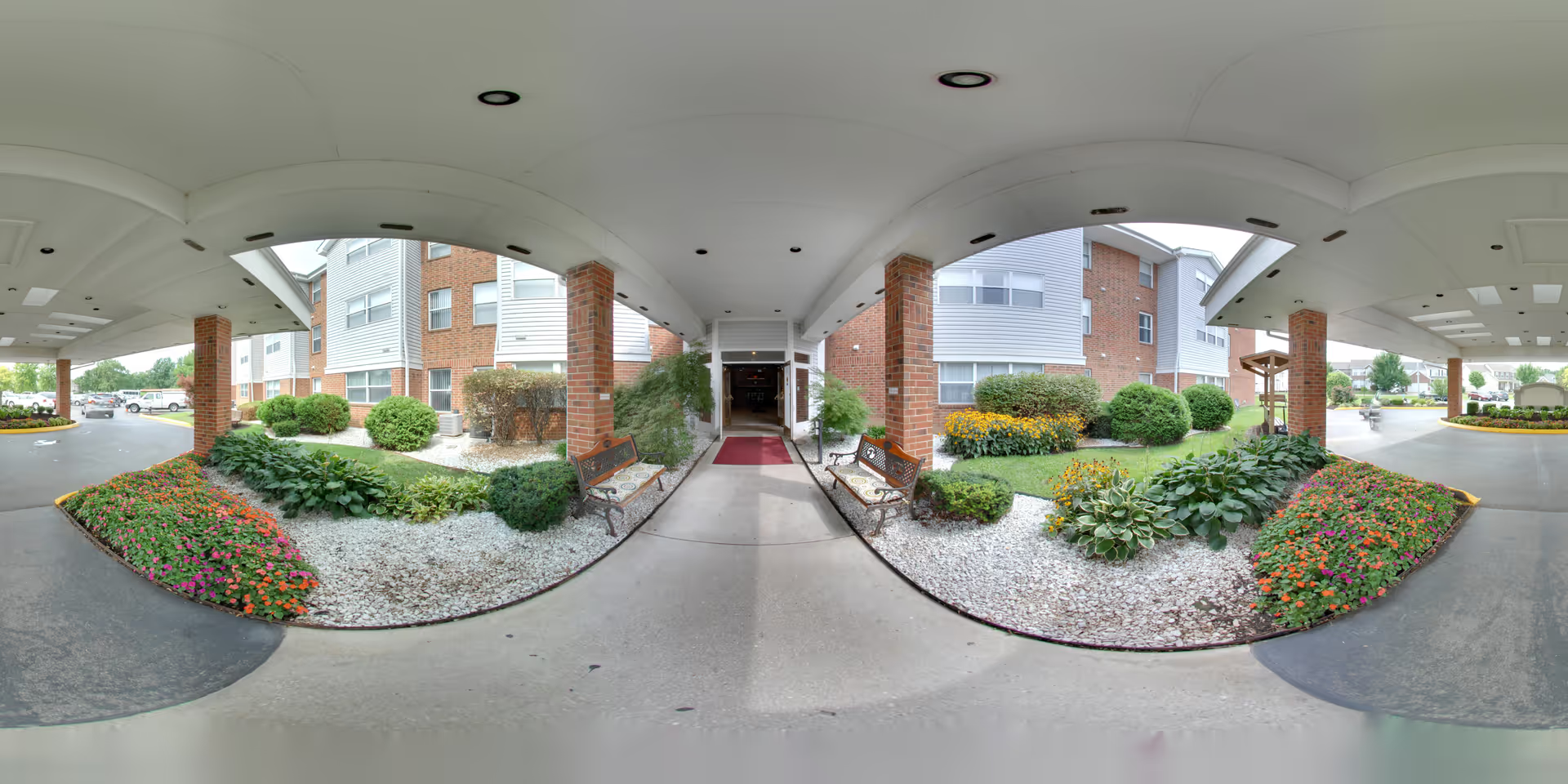
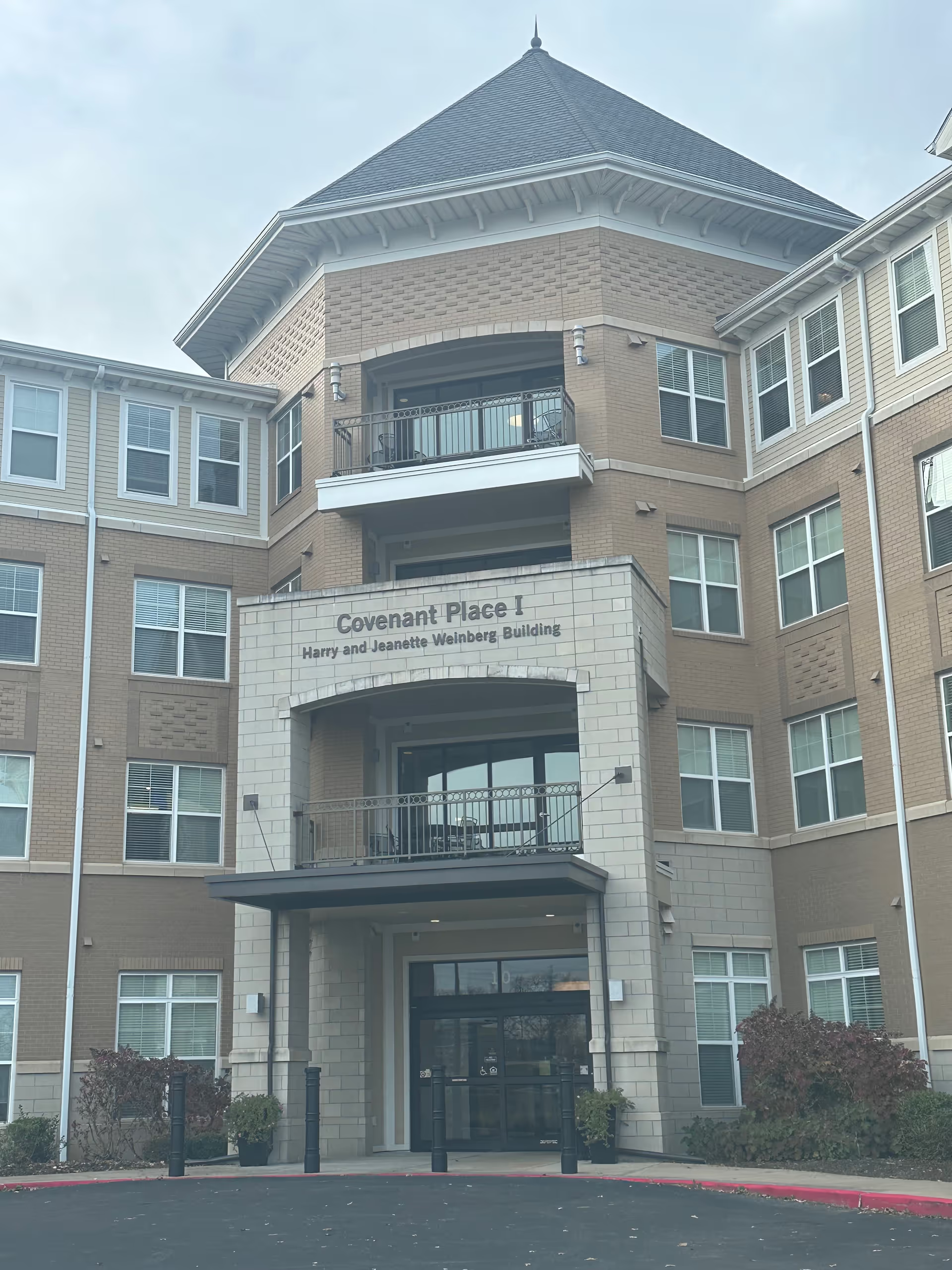
Facilities and accessibility: The facility is generally described as clean, bright, and well maintained, supporting a pleasant communal environment. Noted infrastructure limitations include an older building aesthetic, some outdated furniture, rooms that can be too small to comfortably accommodate two residents and multiple mobility devices, and a multilevel layout that can be difficult for residents with memory impairment or limited mobility to navigate. Reported maintenance gaps — for example with televisions or room climate control — reinforce the need to confirm unit-specific conditions during a tour.
Notable patterns and considerations: The strongest recurring positives are the compassion of clinical staff, the apparent effectiveness of the rehab program (especially first-floor rehab in some accounts), and the range of social programming. The principal operational concerns are inconsistent staffing and responsiveness, medication- and meal-service reliability, and variable administrative follow-up. Prospective residents and families should weigh the facility’s clinical strengths and activity offerings against these operational variability points, clarify staffing levels and medication protocols for their specific unit, and inspect room dimensions and amenity condition during a visit. For those whose needs include high-dependency care or memory support, asking about unit-specific staffing, transfer practices, and navigation supports will be especially important.