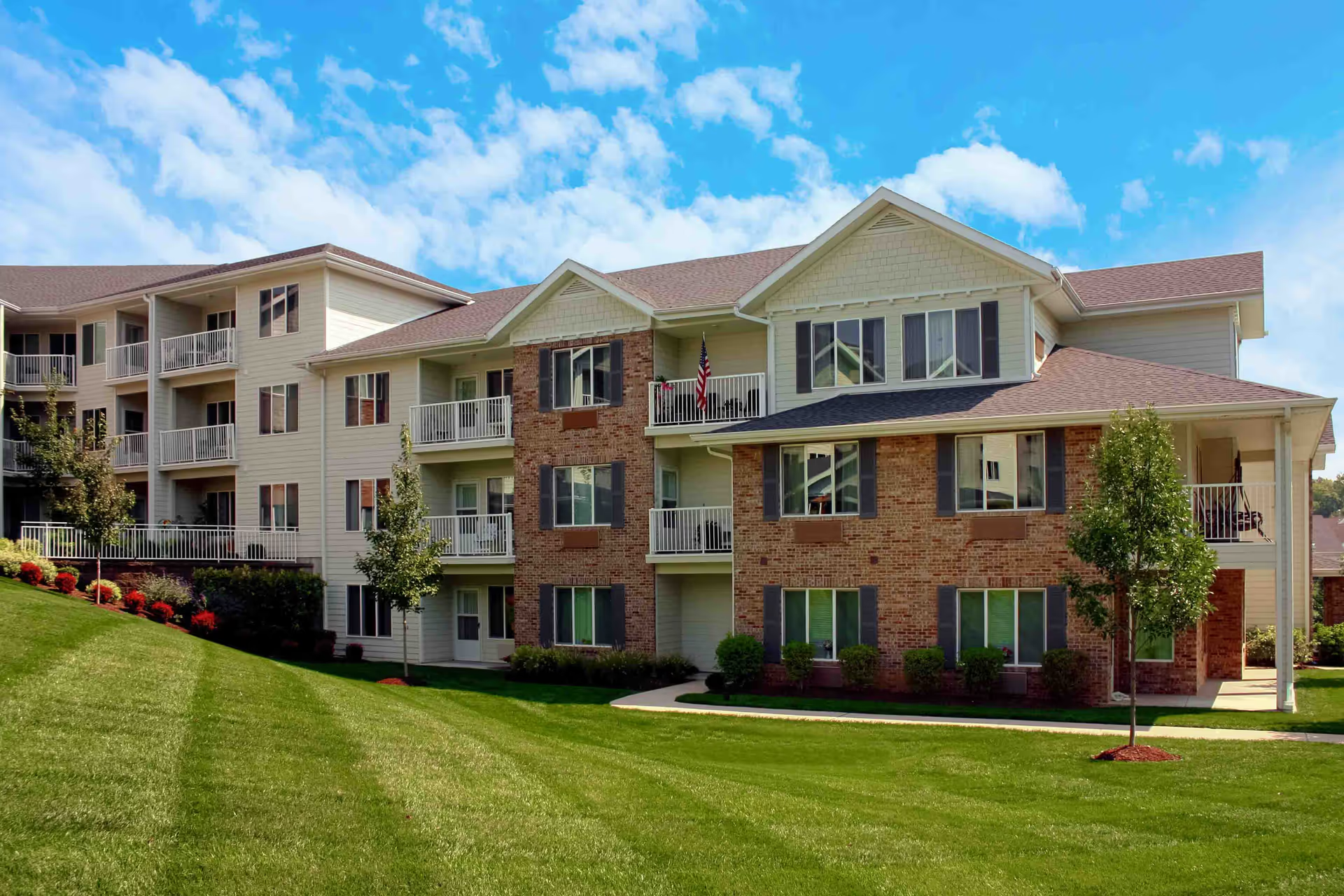
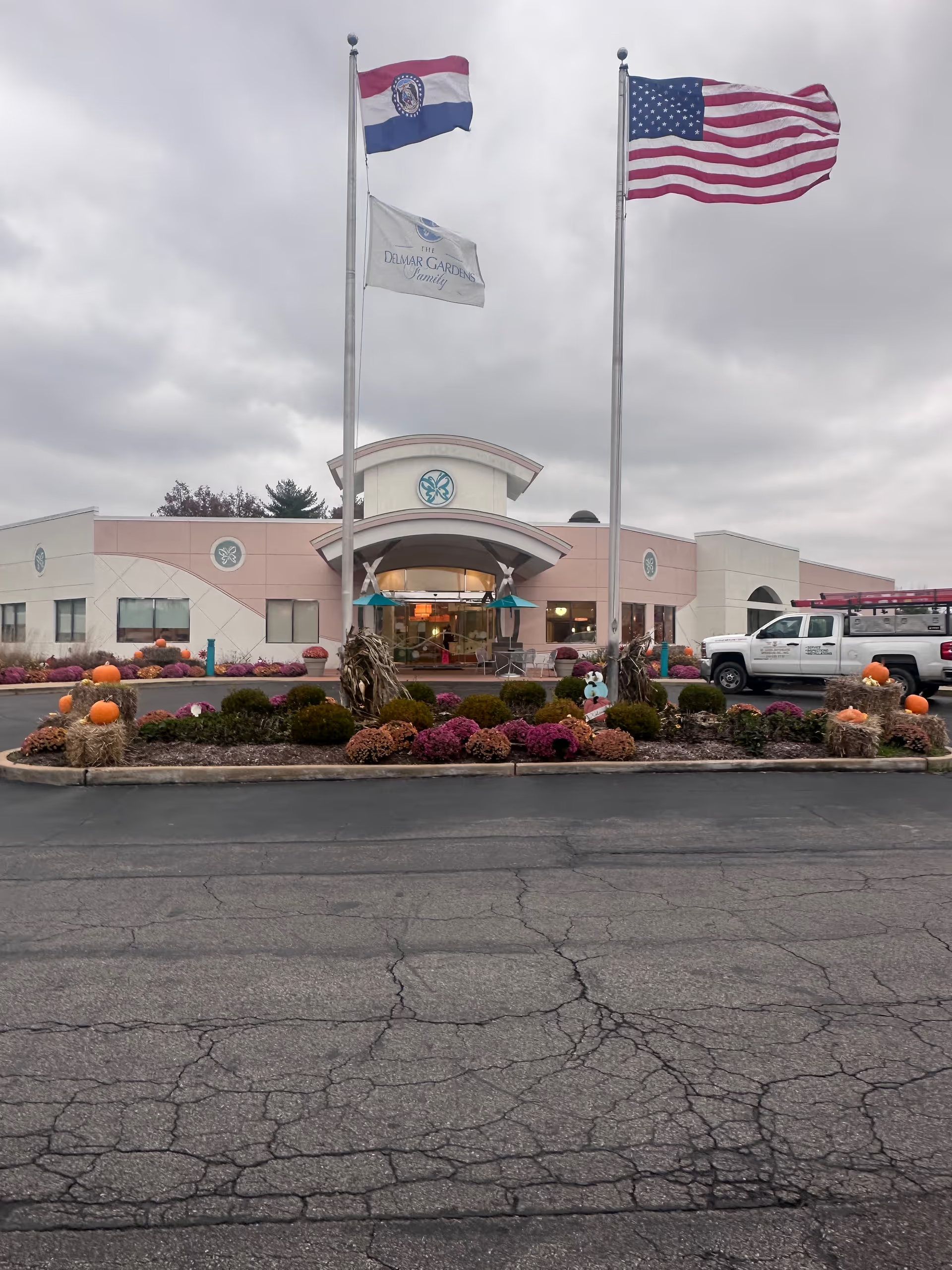
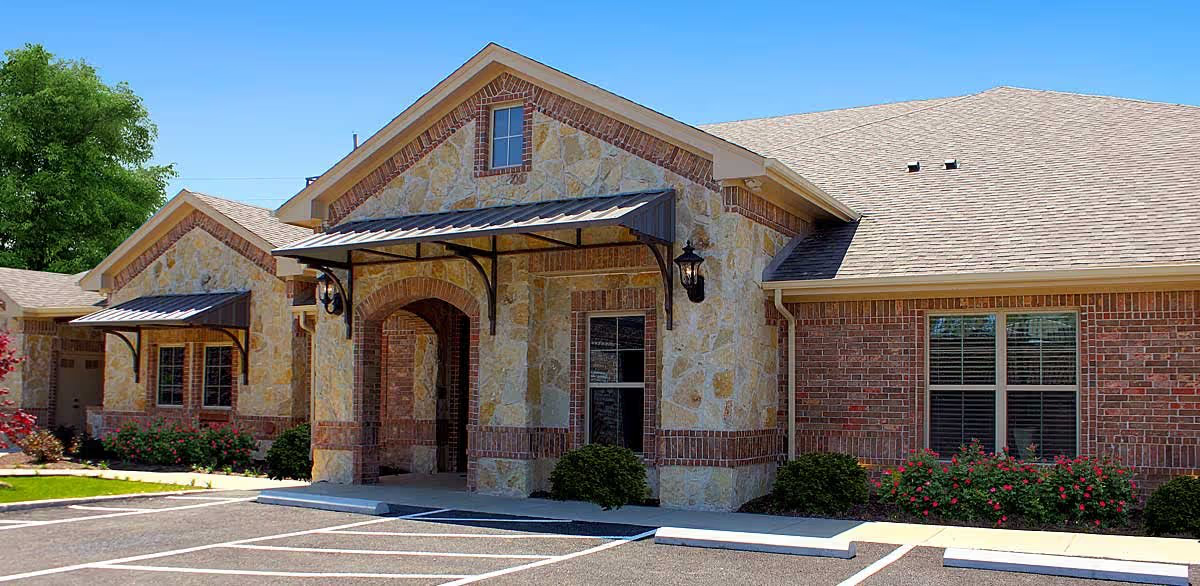
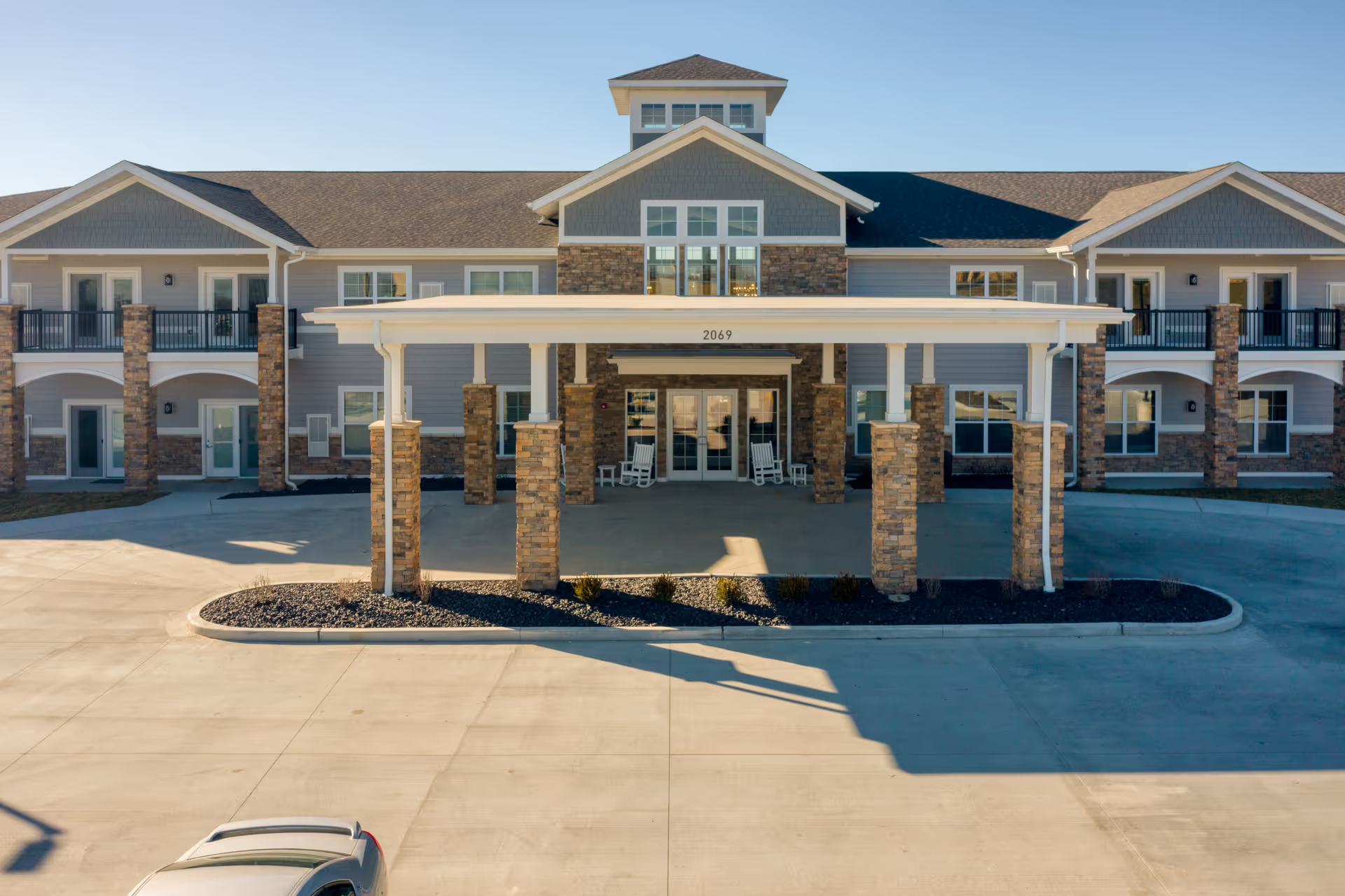
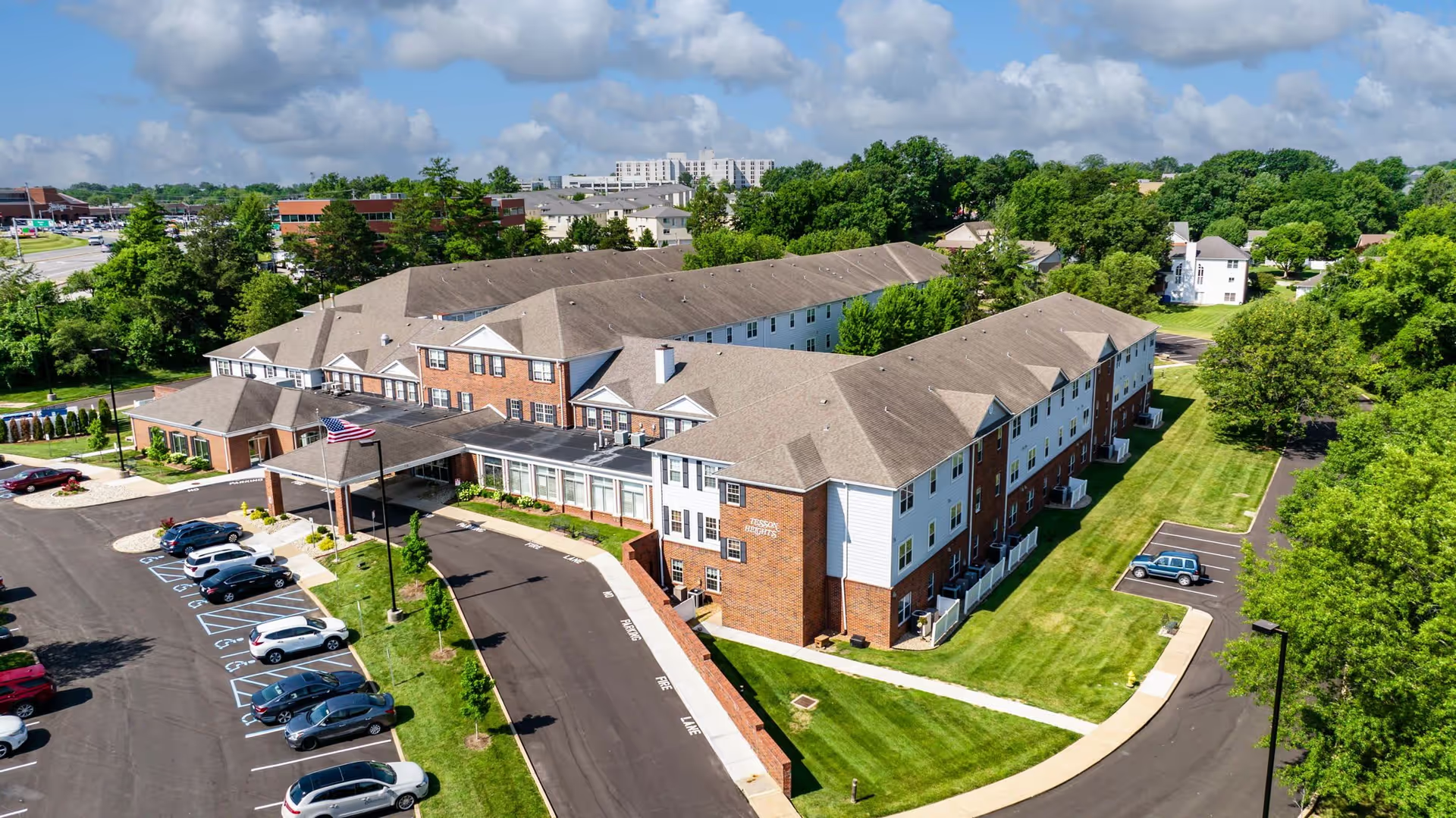
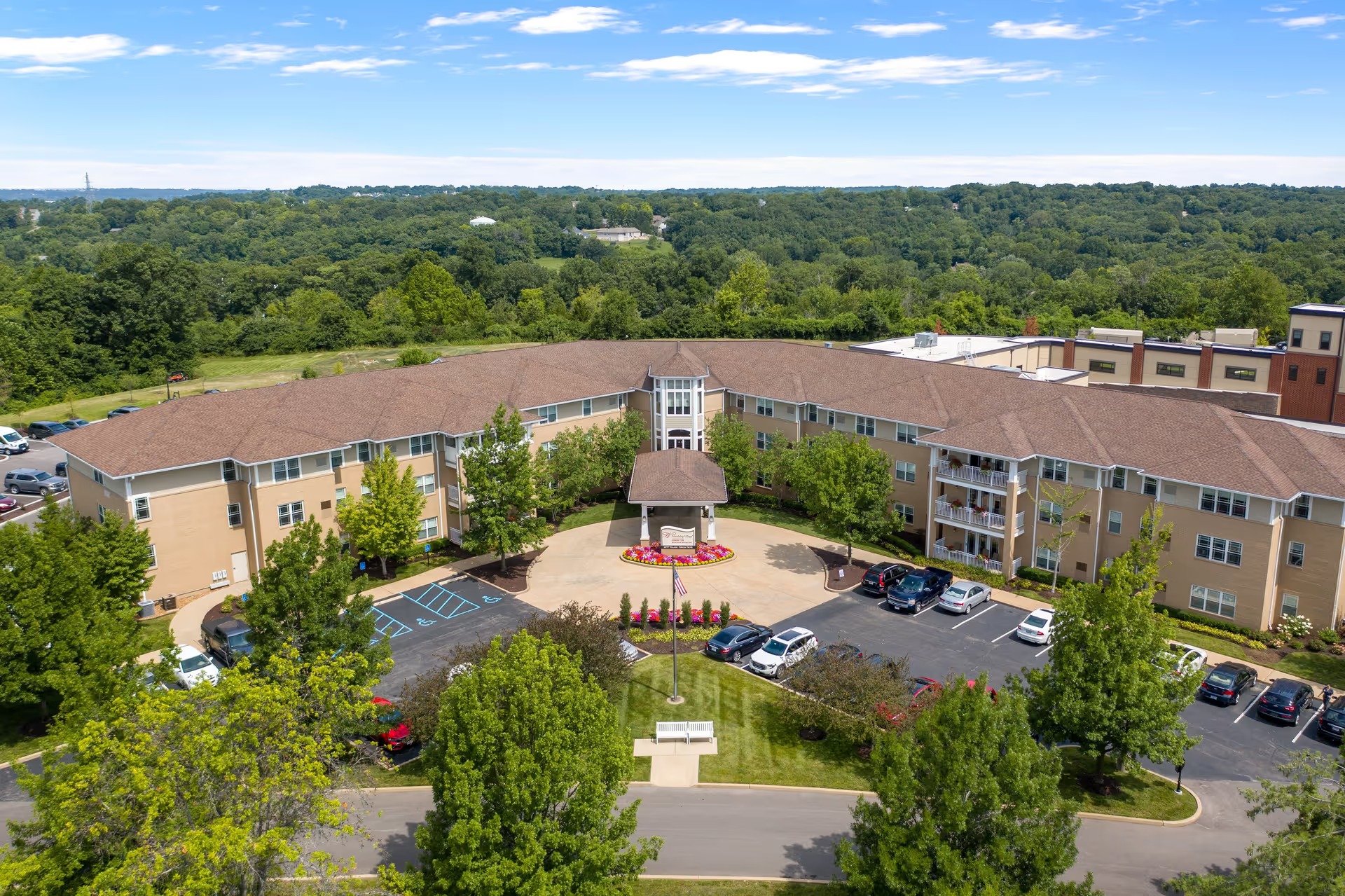
The review set presents a mixed overall picture, with many families and residents praising clinical strengths while others describe operational weaknesses. Positive commentary centers on nursing compassion, a strong therapy team, and personalized rehabilitation plans that produced successful restorative outcomes for a number of residents. The facility's physical plant is frequently described as clean and modern, with private rooms and well-maintained common areas. Dining and special events receive consistent praise from many reviewers for tasty meals and engaging social programming. Families also highlight continuity of care across assisted living, rehab, and hospice levels and note instances of open communication and helpful administrative staff.
Contrasting with these strengths are recurring operational concerns. Staffing levels and workforce stability are central issues: reviewers describe dependence on agency CNAs, short staffing, and staff working outside their expected roles. These workforce pressures appear linked to delayed responses to call bells and assistance requests, inconsistent bathing and hygiene scheduling, and gaps in supervision during shift changes. Several accounts point to inconsistent therapy availability and variable therapy effectiveness, with examples of both successful rehabilitation and inadequate therapy follow-through.
Clinical-process gaps are another common theme. Multiple reviewers raised concerns about medication-management and documentation inconsistencies and about communication breakdowns between leadership, nursing, therapists, and families. Some reviews describe failures in timely clinical escalation and follow-up, contributing to serious family distress in a few cases; there are also references to legal action and allegations that families have pursued after adverse events. Sanitation and odor concerns are mentioned intermittently, as are isolated maintenance issues (for example, mold that was later addressed). Memory-care areas are generally described as secure and well-kept, but family experiences there are uneven.
Staff culture and professionalism elicit mixed reactions: many families emphasize caring, attentive aides and long-term employees who contribute to a strong sense of community, while others describe instances of discourteous conduct, gossip, cellphone use while on duty, and unprofessional behavior near the facility. Management interactions are similarly mixed — some reviewers commend an open-door policy and responsive issue resolution, while others express distrust, poor transparency, and inadequate communication following incidents.
For prospective residents and families: the facility demonstrates clear clinical and environmental strengths that support recovery and comfort for many residents, especially where therapy engagement and nursing continuity are present. However, several operational patterns warrant attention during a visit and decision-making: confirm current staffing ratios and use of agency personnel, ask for measured call-bell response-time data, review medication-administration and documentation processes, request a sample therapy schedule and expected frequency, and inspect memory-care routines and sanitation practices. A site tour that includes conversations with nursing leadership, therapy staff, and families of current residents will help clarify whether the facility's positive elements align with an individual resident's needs.