Overall impression: Reviews reflect a facility with a clear split between historical operational problems and more recent efforts at improvement. Families and visitors describe a range of experiences: some cite high-quality, compassionate hands-on care and an improving environment under new leadership, while others report persistent operational weaknesses that affect resident comfort and family confidence.
Care quality: Feedback about personal care is mixed. Positive accounts describe attentive, professional caregivers who communicate effectively with families. Negative accounts indicate delays in attending to residents' personal-care needs, prolonged positioning in wheelchairs for some residents, and inconsistent assistance with personal items and clothing. There are also concerns raised about end-of-life care and family communication following a resident's death.
Staff and communication: Many reviewers praised individual staff members and noted welcoming reception and helpful staff such as the named front-desk personnel. At the same time, a pattern of inconsistent professionalism and variable communication tone appears in other accounts — including unreturned calls, rude interactions at the desk, and staff behavior that families found distressing. Staffing levels were frequently cited as an operational pressure point, with shortages contributing to slower response times and supervision gaps.
Dining and activities: Specific commentary on dining and programming is limited in the available summaries. Where mentioned, communication about day-to-day needs and outreach by some staff was described positively. Several reviewers focused more on personal care and environmental issues than on activity or dining programs, suggesting these areas were not the primary driver of concerns or praise.
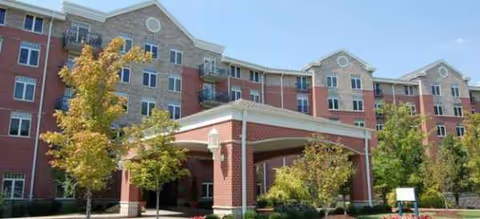
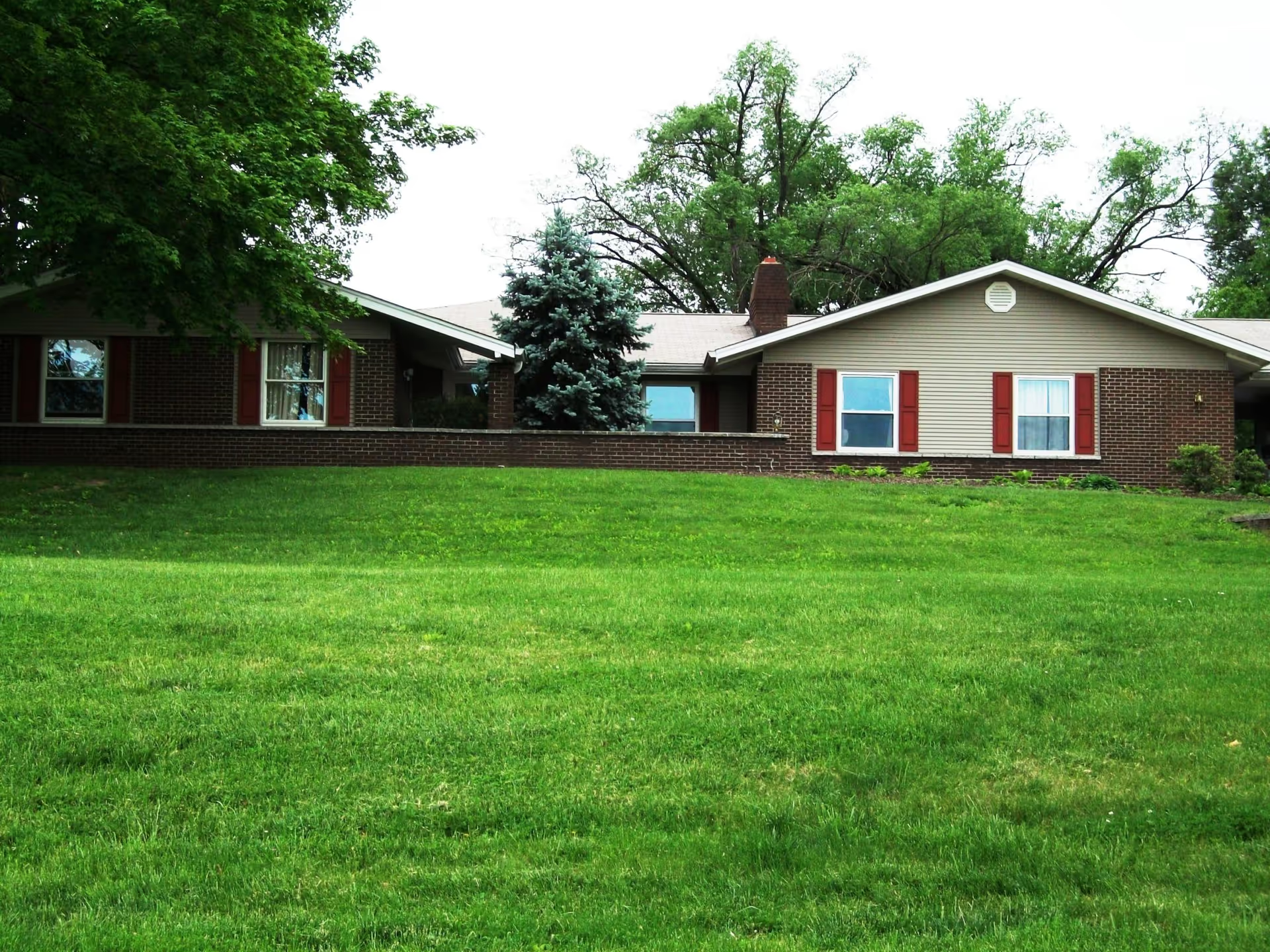
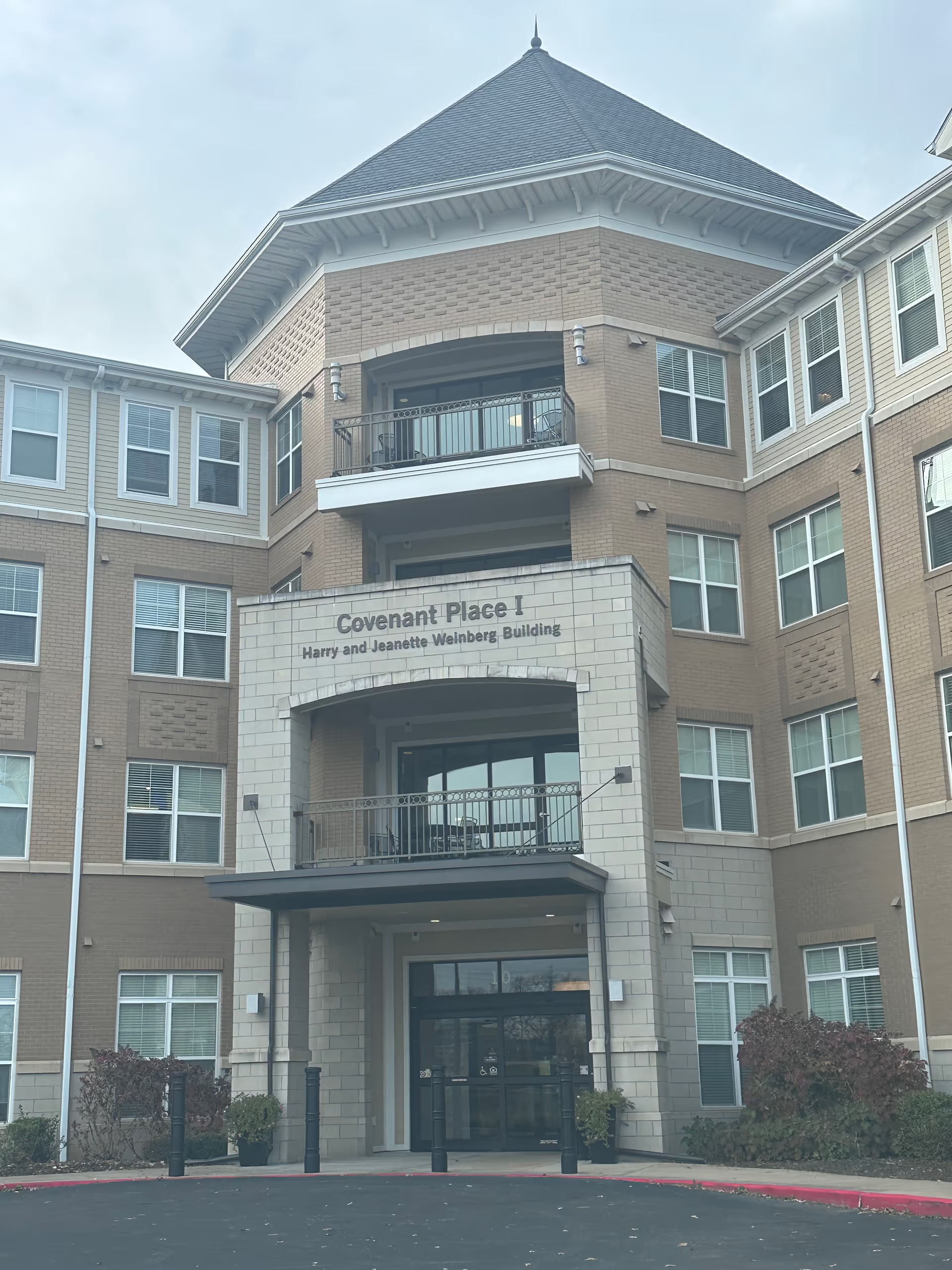
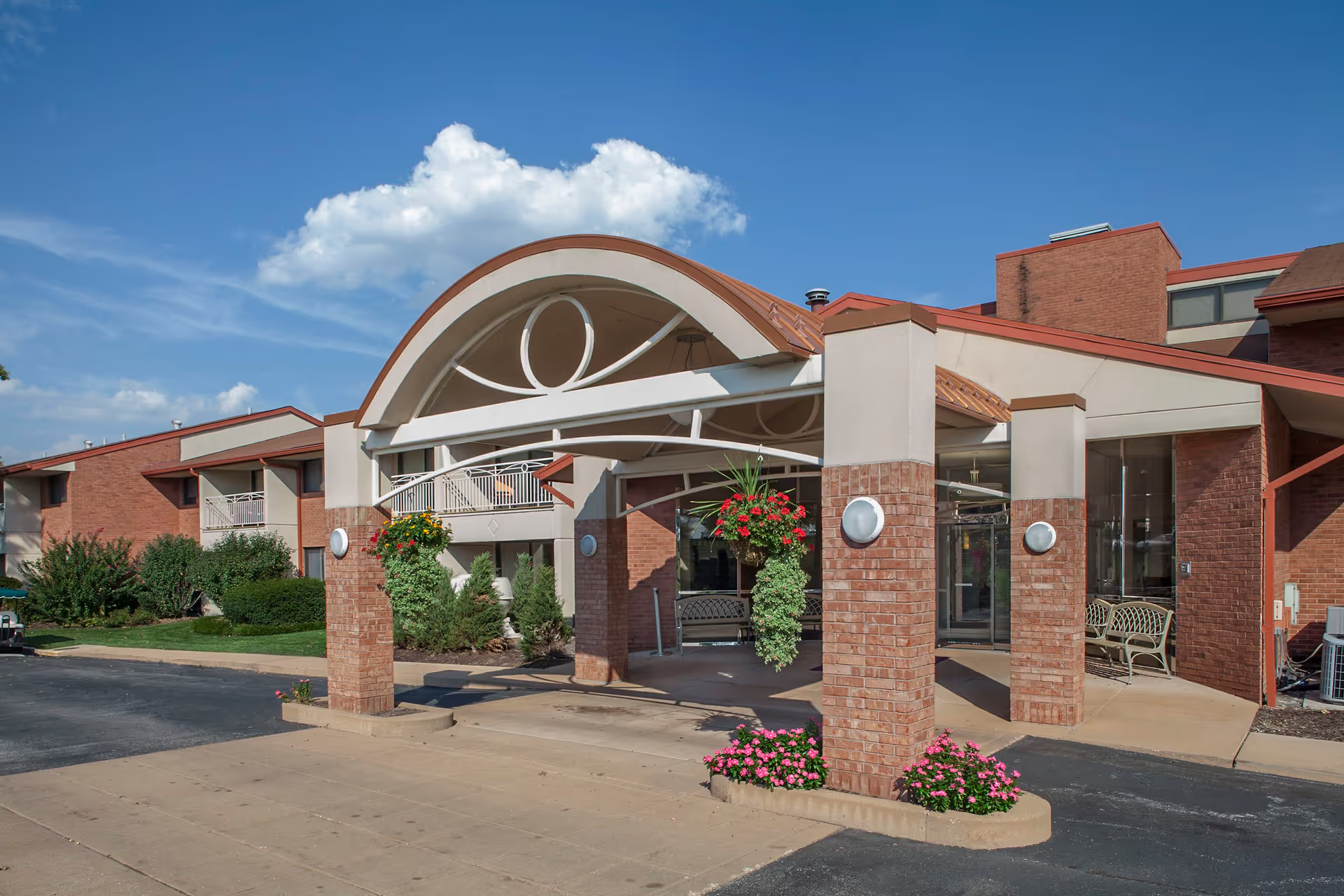
Facilities and safety: Physical improvements and a newly renovated wing are frequently noted as positives. Conversely, reviewers raised safety and reliability concerns tied to facility systems: power-outage planning, generator availability, and elevator reliability were highlighted as problematic during at least one incident involving a resident who used a wheelchair. Sanitation concerns and odor issues in common areas and resident rooms were reported by some reviewers, and inconsistent laundry and package-handling processes were another recurring operational issue.
Management and administration: Accounts indicate a history of management challenges, including complaints about billing, overcharges, and unclear financial communication. Some reviewers went further and made serious allegations related to theft or financial misconduct; these statements elevate concerns about property controls and require formal investigation when raised. At the same time, multiple reviewers specifically noted a positive directional change under new management: improved morale, clearer administrative communication, visible renovations, and active efforts to address staffing and facility needs.
Notable patterns and takeaways: The compiled feedback suggests a facility in transition. Strengths include engaged caregiving staff, a more accessible and communicative administration under new leadership, and tangible capital improvements. Key ongoing weaknesses are operational: sanitation practices, personal-property controls, staffing consistency, emergency preparedness, and billing transparency. Prospective residents and families should verify current staffing ratios, emergency systems (generators/elevators), property-handling protocols, and how the facility documents and communicates incidents. If past serious allegations are a concern, ask management for evidence of investigations or corrective actions and check regulatory records for any formal findings.