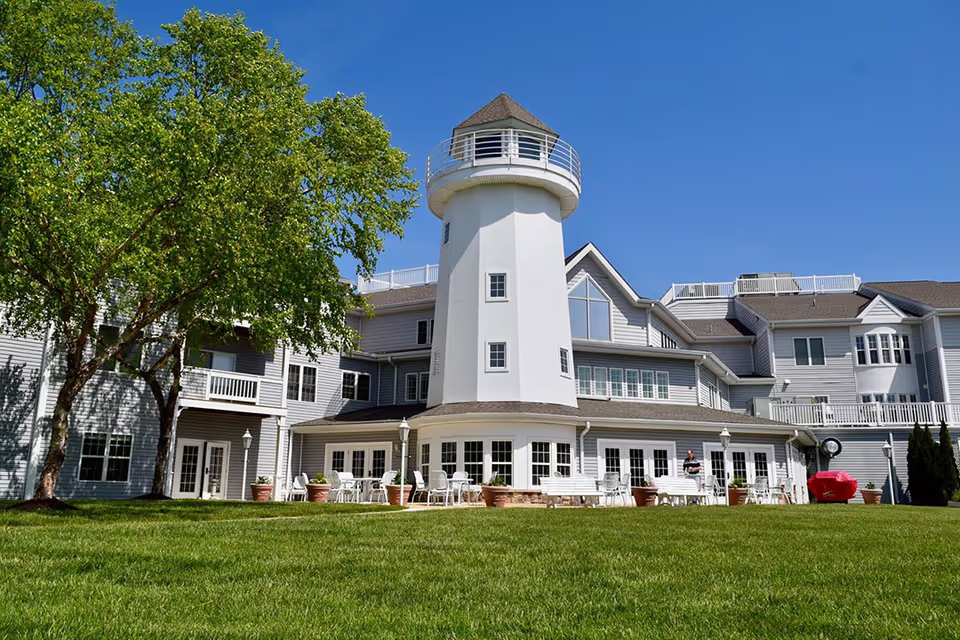
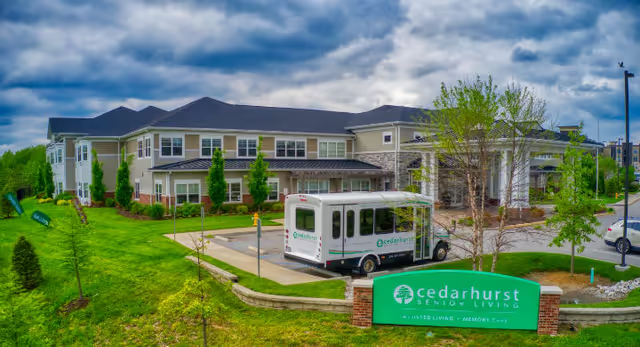
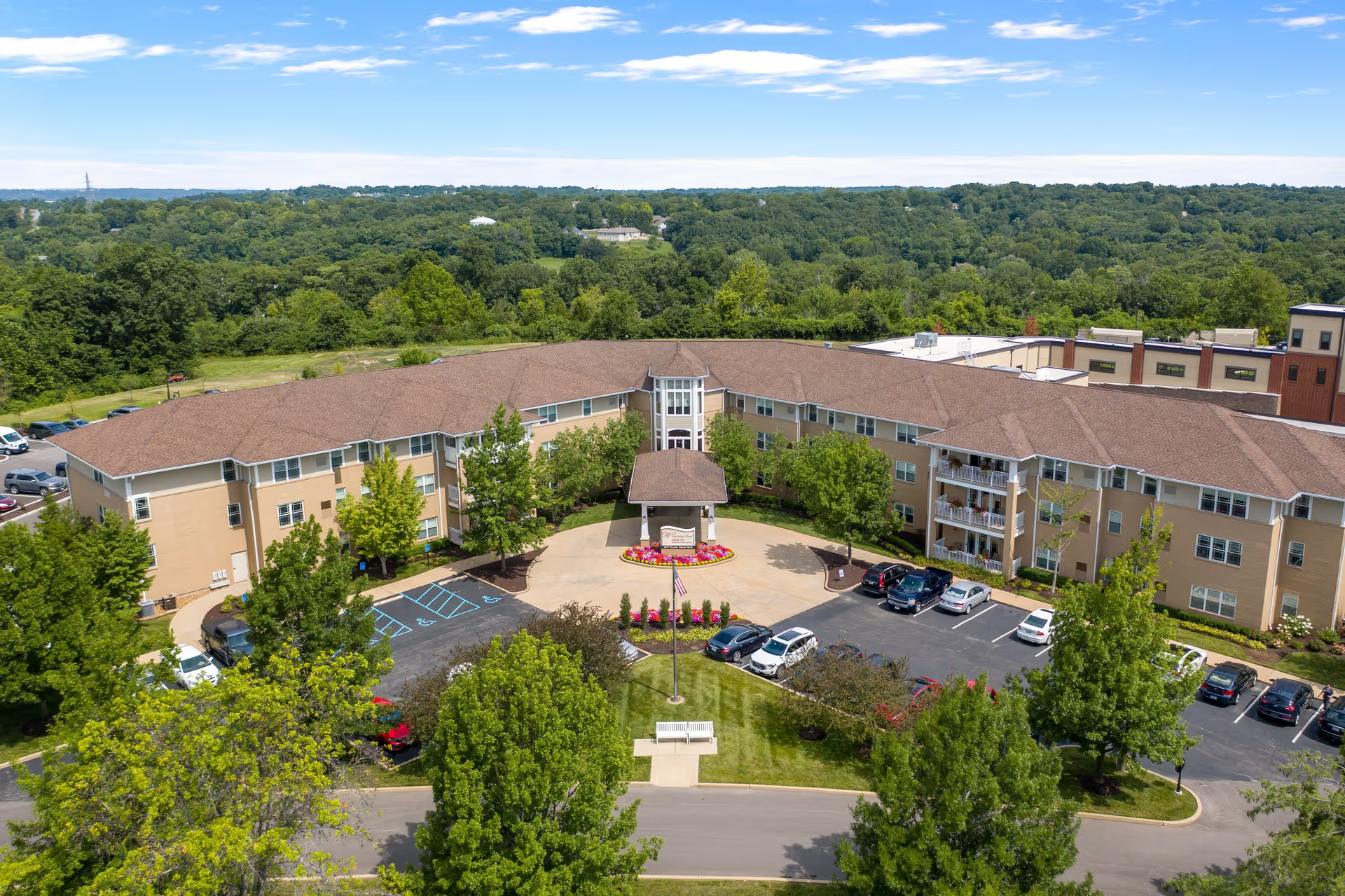
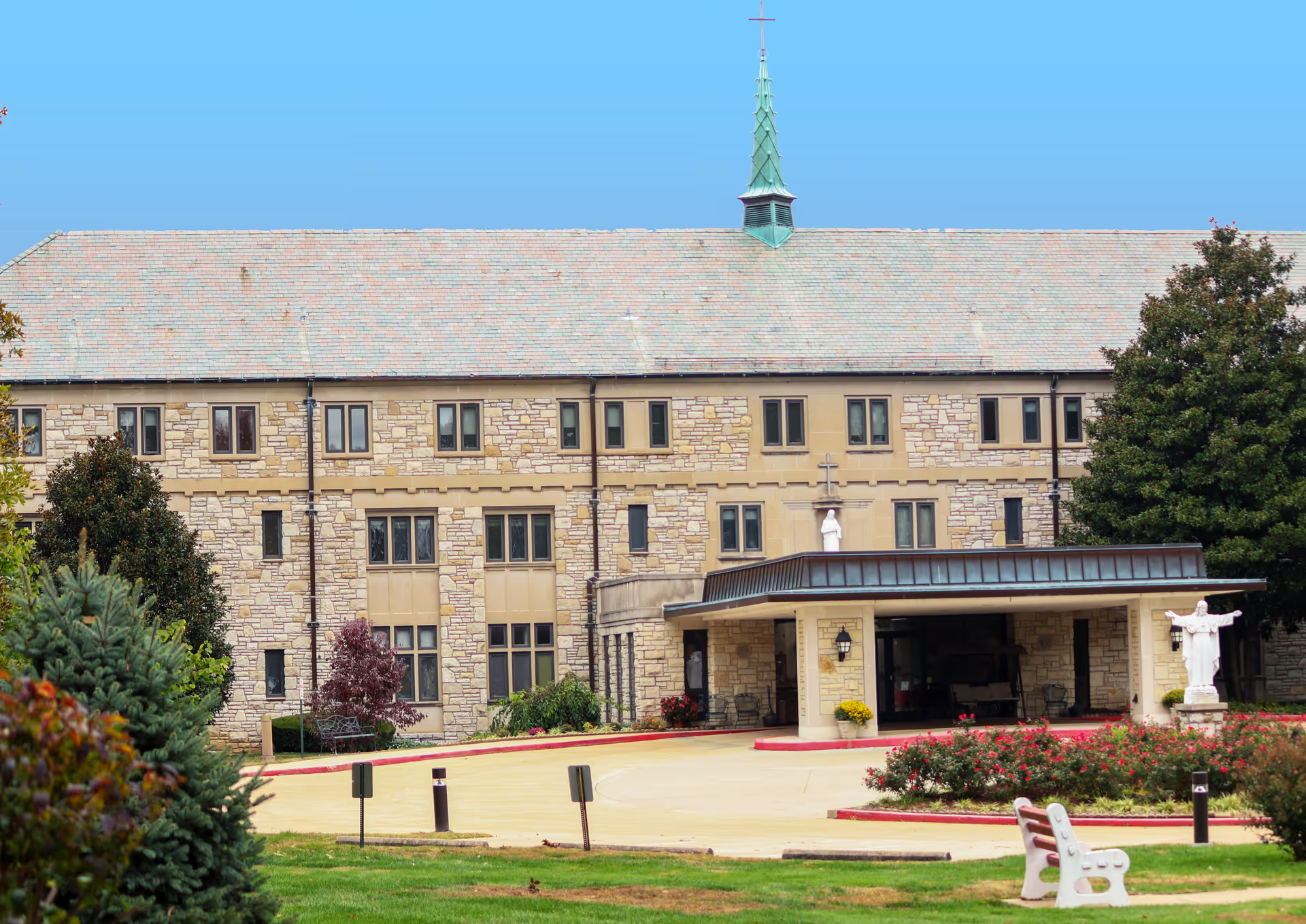
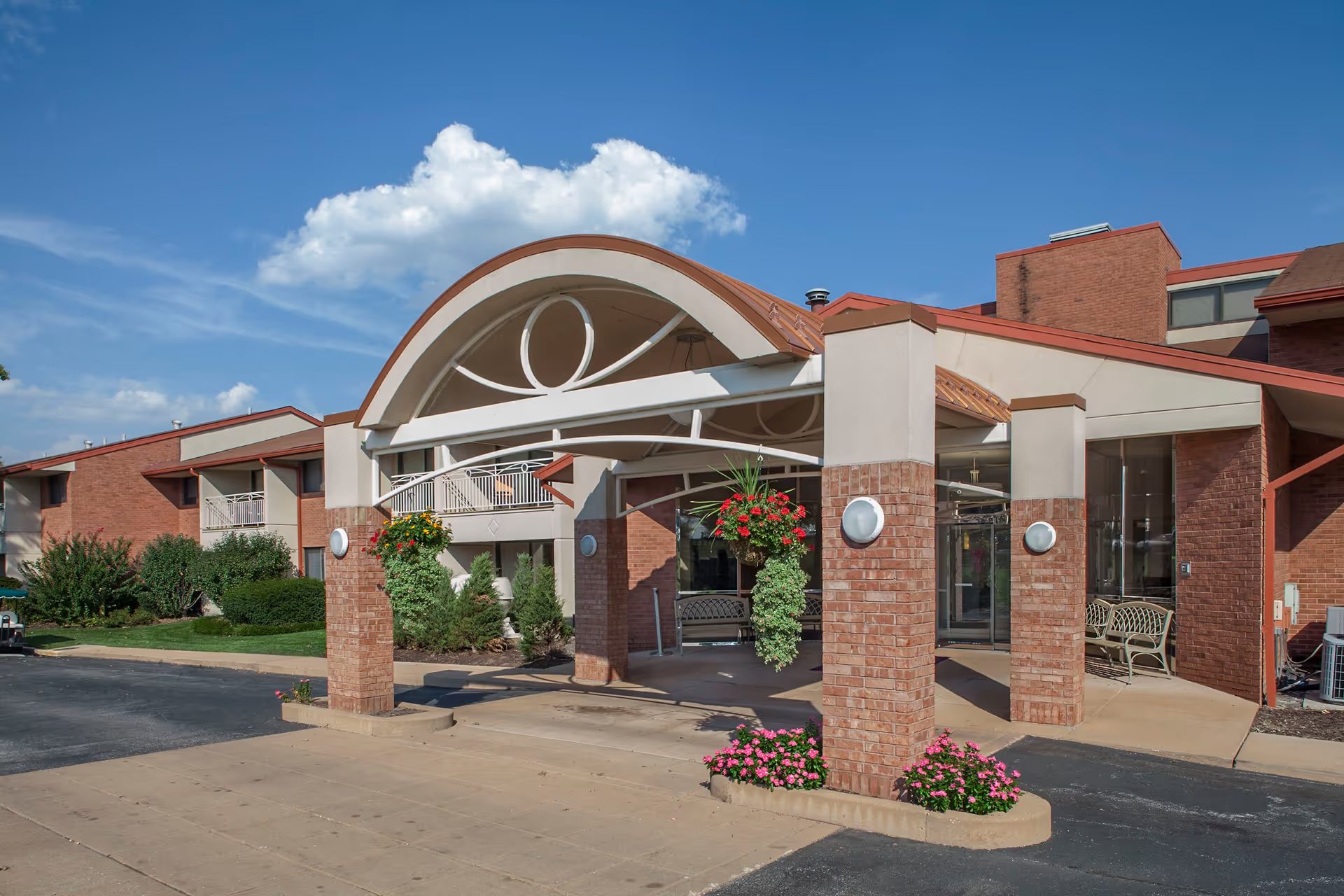
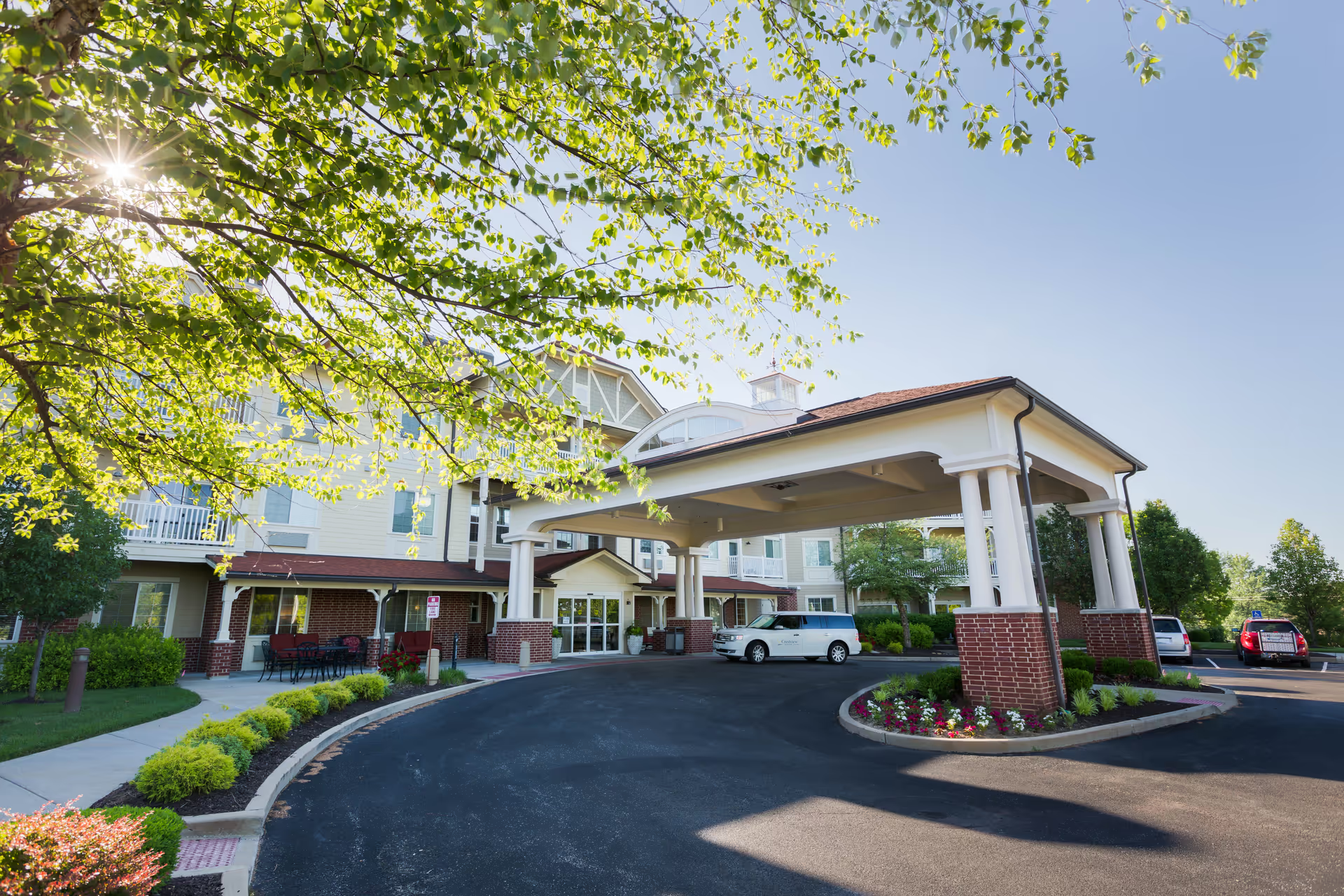
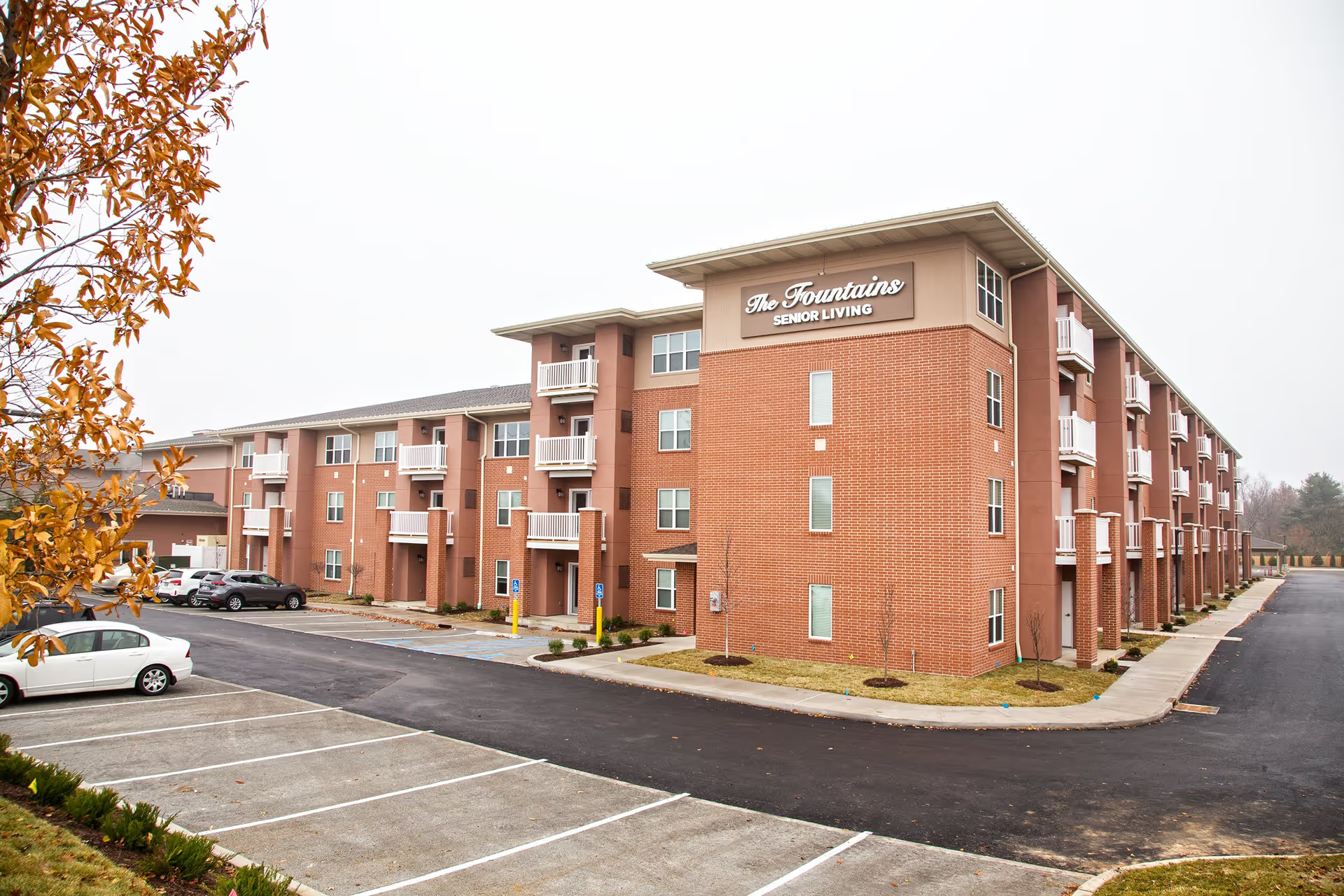
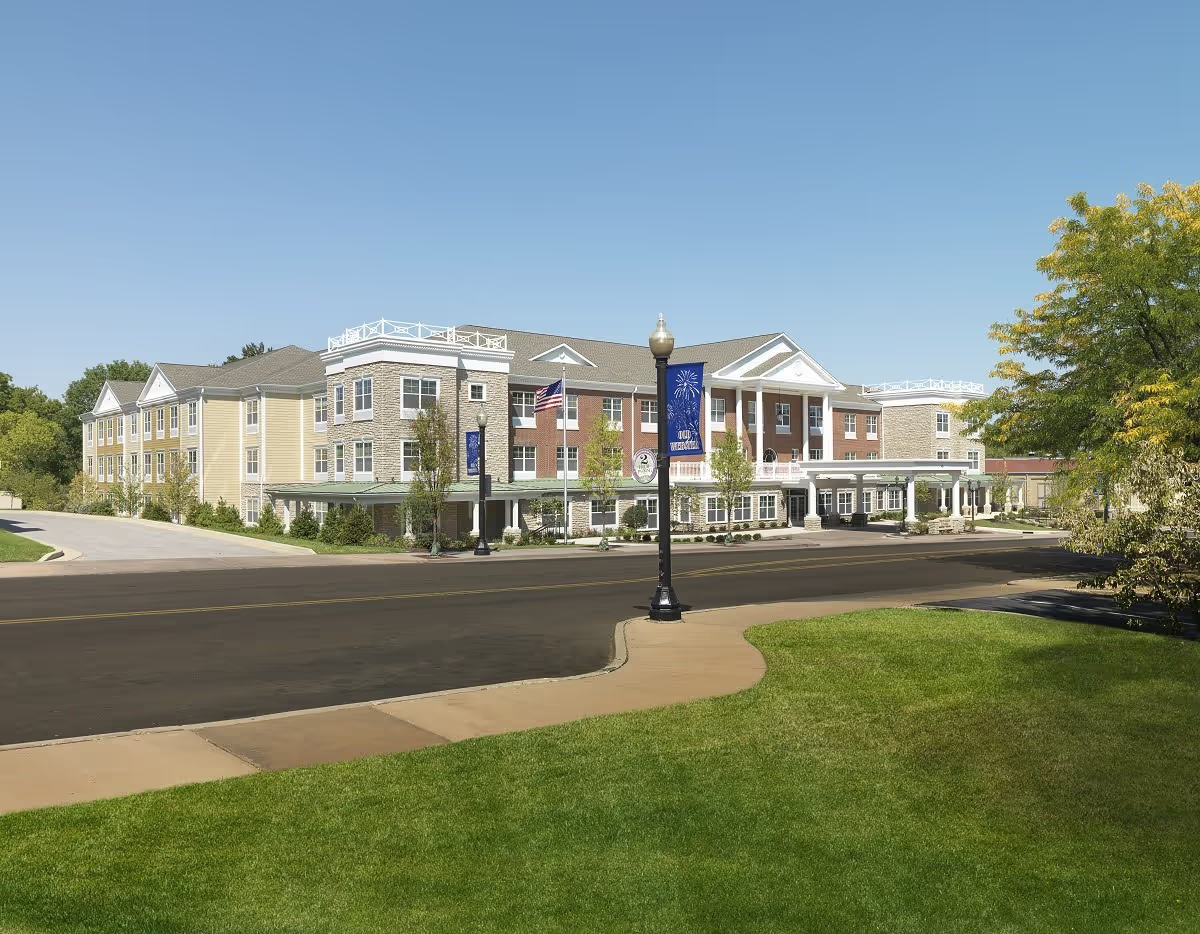
Dougherty Ferry Assisted Living and Memory Care presents as a modern, well‑appointed community with many amenities that families value. The physical plant and common spaces are frequently described as new, attractive and home‑like, with features such as in‑unit washer/dryers, a variety of apartment sizes, dedicated memory‑care dining, therapy and recreation rooms, an on‑site salon, and ample programming space. Activity offerings are a clear strength: reviewers describe a wide range of daily and recurring options (arts, gardening, animals, outings, games), an enthusiastic activities team, and programming that many residents find engaging and social.
Staffing and direct care elicit mixed but consistent themes. Numerous families praise compassionate, attentive caregiving staff and highlight strong individual caregivers and administrative staff who provide timely, personalized support. In memory care, specific leadership (named by families) is repeatedly credited with improving resident comfort and engagement. At the same time, a recurring operational pattern is high staff turnover and variable staffing levels. That pattern is associated in multiple accounts with care inconsistencies, including missed medications or medication‑documentation problems, irregular personal‑care and bathing assistance, and episodic lapses in housekeeping for some resident rooms. These issues have led some families to report hospital transfers and increased family vigilance.
Dining and activities are generally well regarded but not uniformly so. Many reviewers describe varied menus, pleasant dining venues, social events (happy hours, live music) and specific food items they enjoy. Others describe declining meal quality or isolated instances of overcooked or incomplete service. Activity programming is a consistent positive — families frequently note residents attending multiple activities per day and forming social connections — but some less‑mobile residents may experience fewer tailored options.
Management and communication show divergent impressions. Several respondents describe helpful, responsive administrative and concierge staff who facilitate moves and accommodate requests. Conversely, other families report inconsistent follow‑through from leadership, unclear or changing policies, billing and level‑of‑care transitions that were not adequately explained, and difficulty obtaining refunds or satisfactory responses from regional managers. Early phases of operation and leadership turnover are noted as contributors to these inconsistencies.
Facility-level clinical capabilities are adequate for assisted‑living and memory‑care levels but appear limited for higher acuity needs; multiple reviews advise that the community is not a substitute for onsite skilled nursing or extended rehab services. Infection‑control practices (including COVID precautions) were described positively in several accounts. Notable patterns for prospective families to consider are the tradeoffs between attractive physical amenities and variable operational reliability: strong programming and many caring staff members exist alongside recurring concerns about staffing continuity, medication and hygiene protocols, housekeeping consistency, and managerial follow‑through.
Recommendations for prospective residents and families based on these patterns: tour the dedicated memory‑care neighborhood and meet the memory‑care leadership, ask for written staffing ratios (including overnight coverage) and nursing availability, review medication‑administration and documentation protocols, clarify housekeeping and personal‑care schedules, and obtain a clear written explanation of level‑of‑care tiers and billing adjustments. These steps can help align expectations with the community’s strengths (amenities, activities, engaged caregivers) while addressing operational risks that several families have experienced.