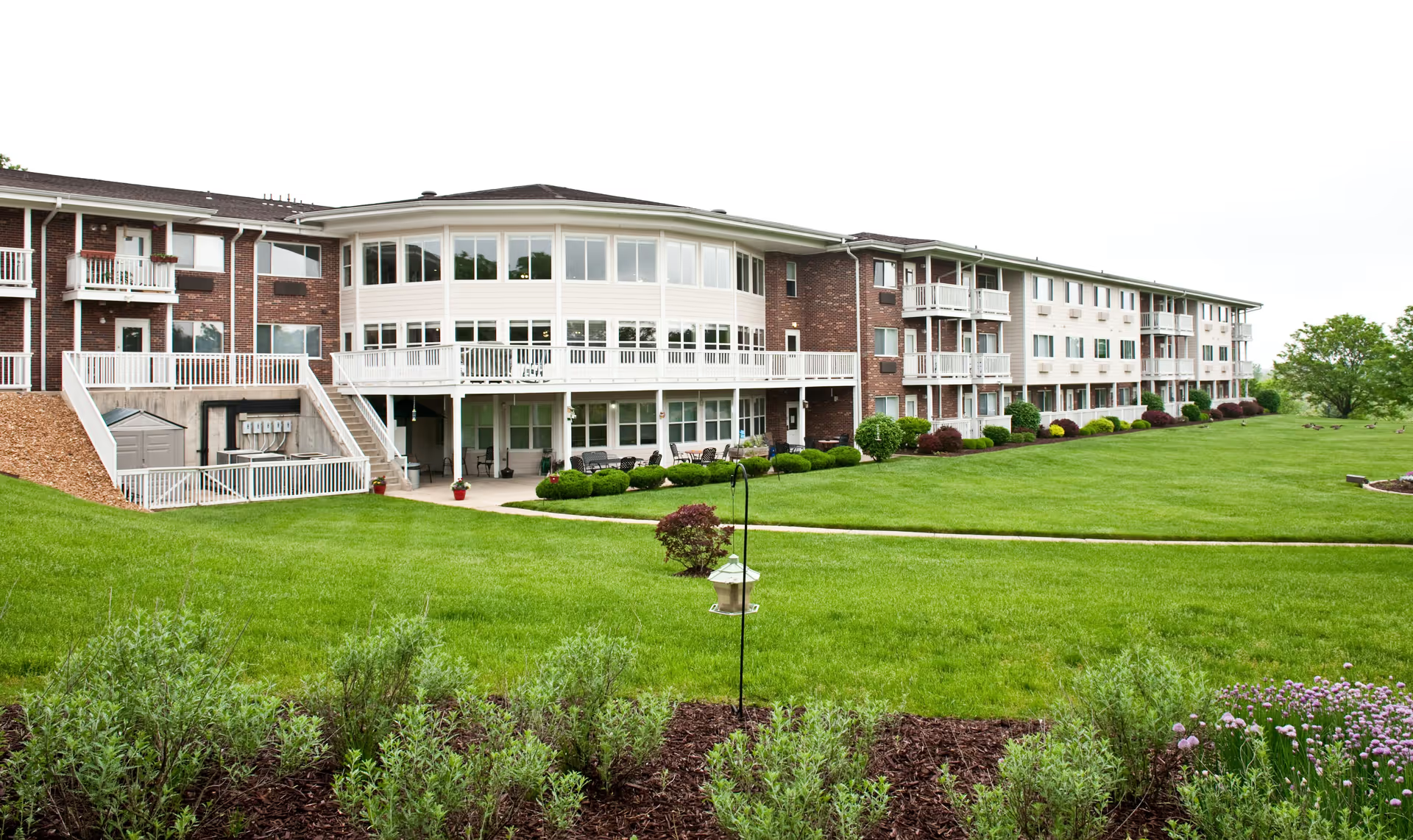
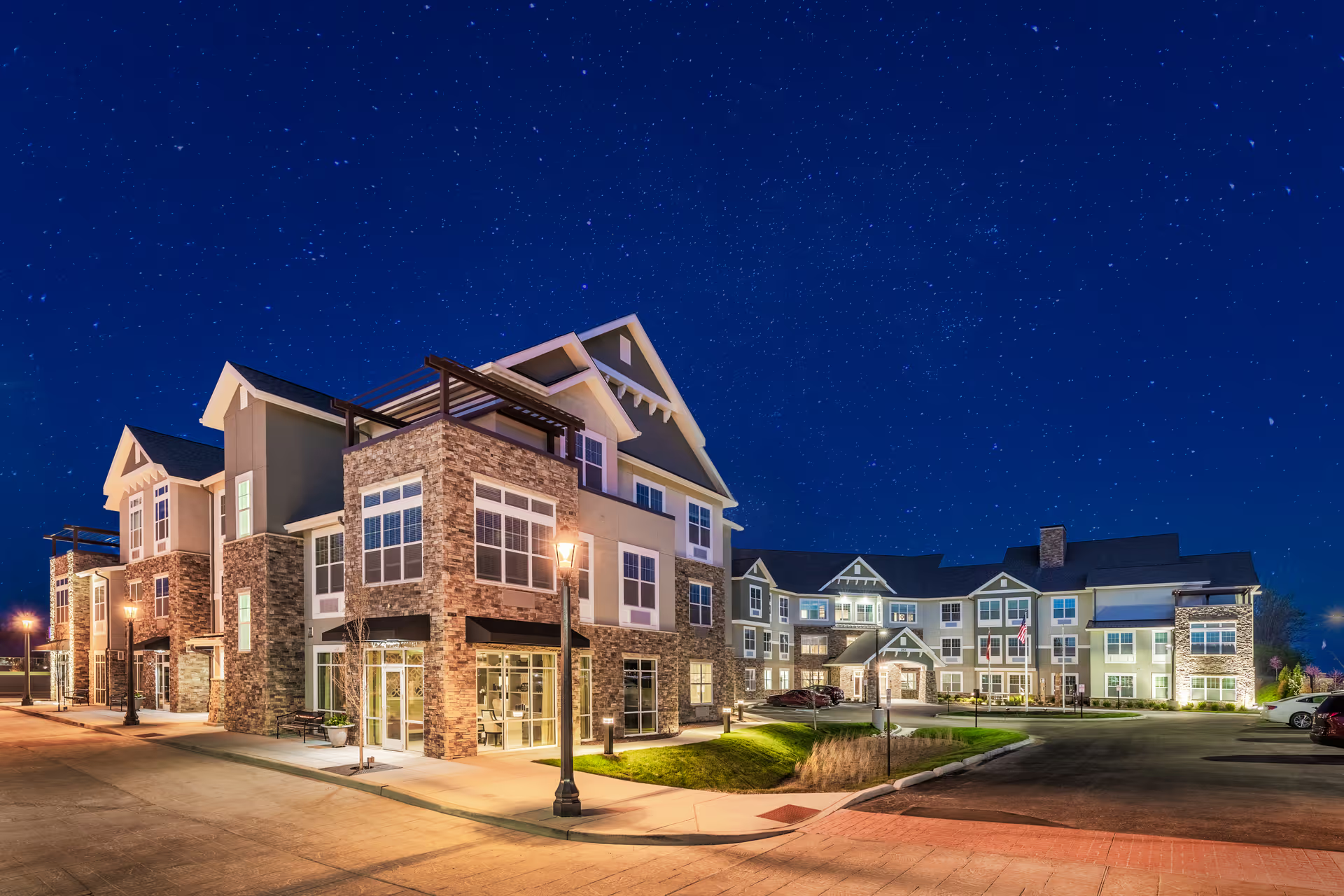
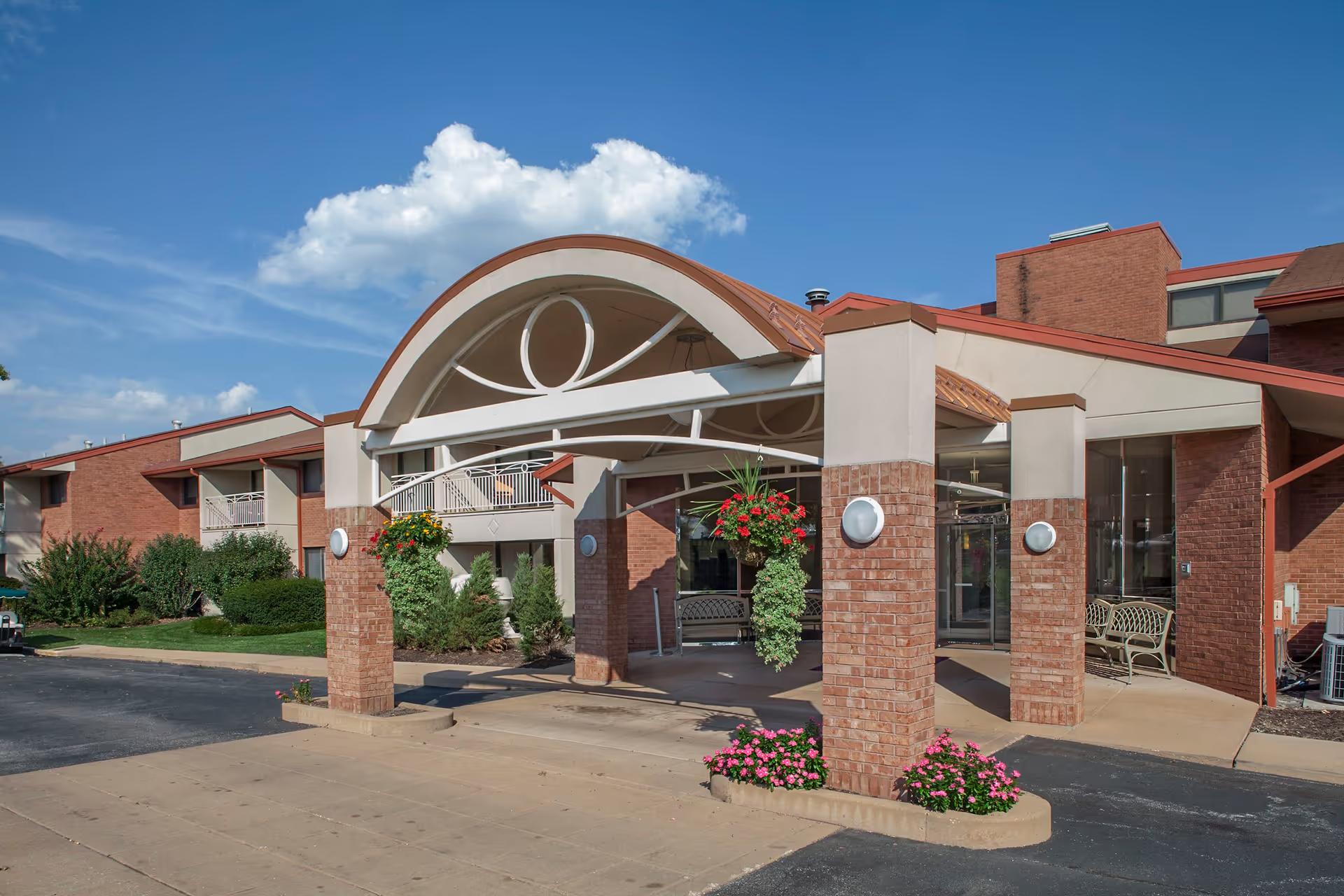
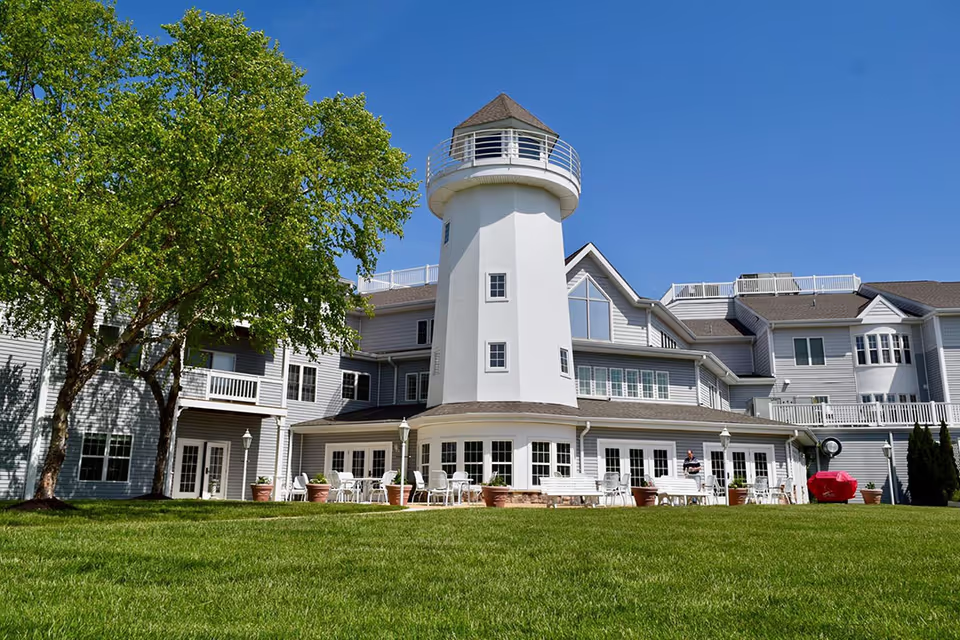
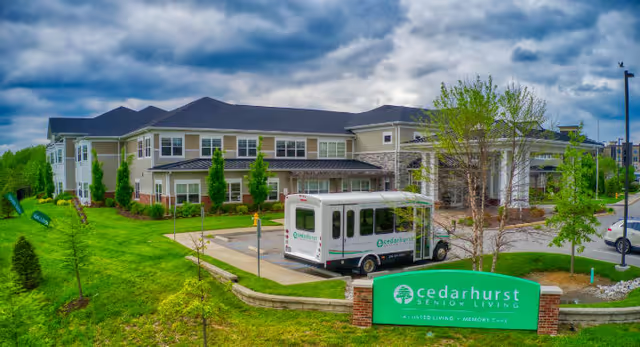
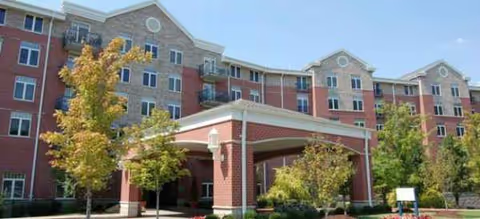
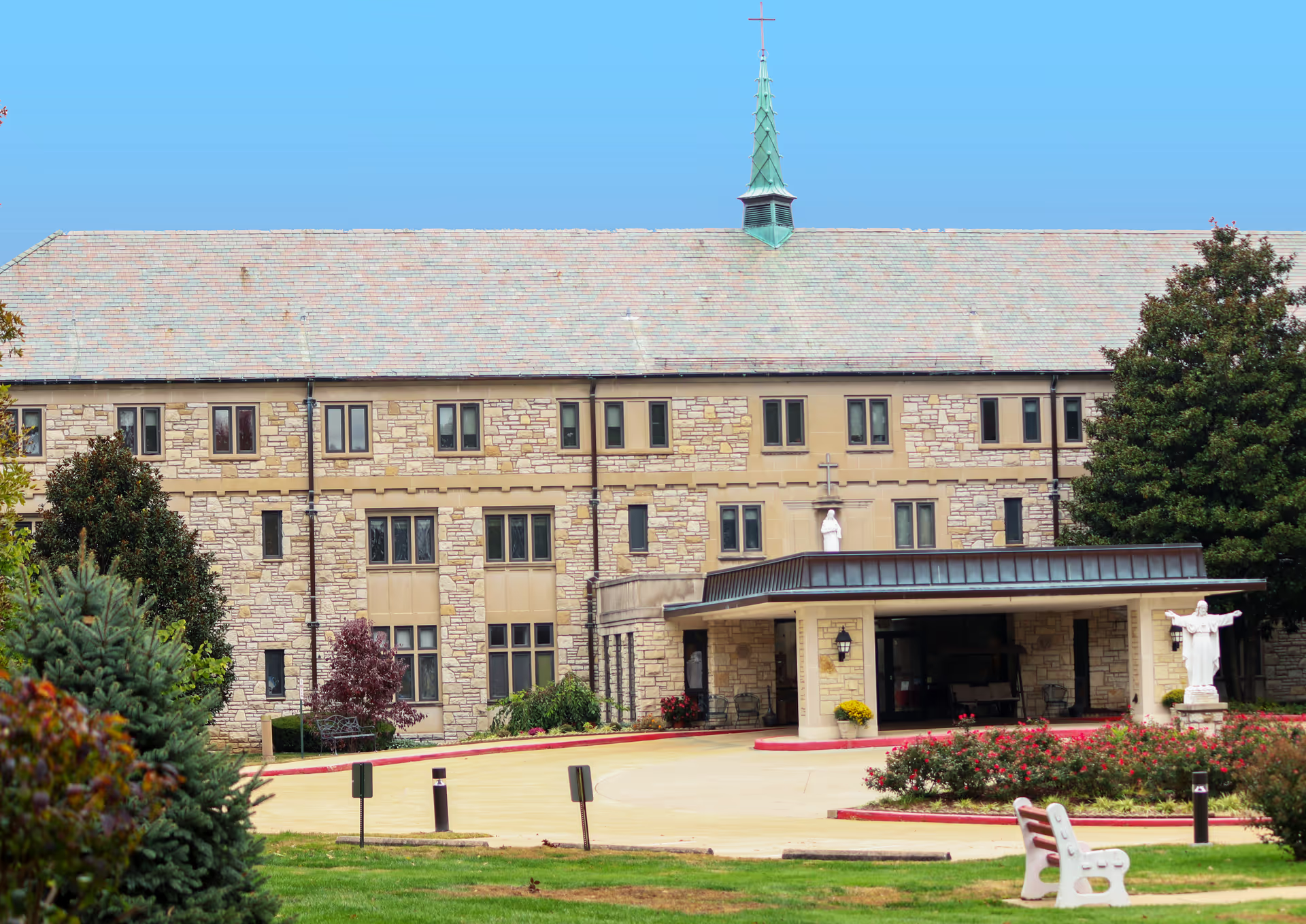
The Fountains of West County presents as a well-appointed, recently refreshed senior living community with substantial on-site amenities and an active social calendar. Many reviewers highlight renovated apartments and common areas, hotel-like cleanliness, and an array of amenity spaces including a pool, spa, fitness area, theater, and outdoor patios. The community offers independent, assisted, and memory-care levels, full kitchens in many units, and a monthly-rent model that some families appreciate as an alternative to a large entrance fee.
Care quality and staff performance receive mixed but frequently positive commentary. Numerous accounts describe engaged, personable caregiving staff, individualized attention for clinical needs, and long-tenured employees who contribute to a family-owned culture. Several families expressed confidence in medication handling and fall protocols, and named leadership stability as a reassuring element. At the same time, reviewers also describe staffing shortages and turnover that have affected responsiveness at times; these operational pressures are linked to slower service in residents’ daily routines.
Dining is a strong selling point in many reviews: a broad menu, multiple dining options, and restaurant-style service earn praise. However, there are recurrent operational shortcomings tied to dining: inconsistent food quality over time, item shortages during second seatings, long waits when staffing is thin, and occasional serving-staff turnover. These issues suggest variability in meal-service continuity rather than a consistently predictable dining experience.
Activity programming and social opportunities are consistently cited as a strength. Reviewers note an active calendar with fitness classes (including water aerobics), bus outings to restaurants and cultural sites, games, and social events that support a lively community atmosphere. Residents and families often describe the environment as welcoming and socially engaging, with opportunities for learning and companionship.
Operational and management patterns warrant careful consideration. Several reviews point to opaque or add-on charges for clinical services and transportation, occasional communication breakdowns between administration and families, and examples where promised services were not delivered. A few accounts characterize management responses to sensitive events—such as bereavement and end-of-life situations—as insufficiently compassionate or poorly coordinated. Maintenance responsiveness is described as variable, with isolated reports of extended repair timelines. Parking constraints and some small or awkward unit floor plans (for example, bathroom placement in certain one-bedroom layouts) are additional practical limitations mentioned.
Overall, the facility appears well suited to prospective residents seeking a renovated, amenity-rich community with active programming and attentive day-to-day caregivers. Prospective residents and families should verify current staffing levels, ask for written detail on the fee schedule for clinical and transportation services, observe meal-service flow during peak dining times, and confirm policies for family communication and bereavement handling before committing. These steps can help align expectations with the community’s strengths and identified operational variability.