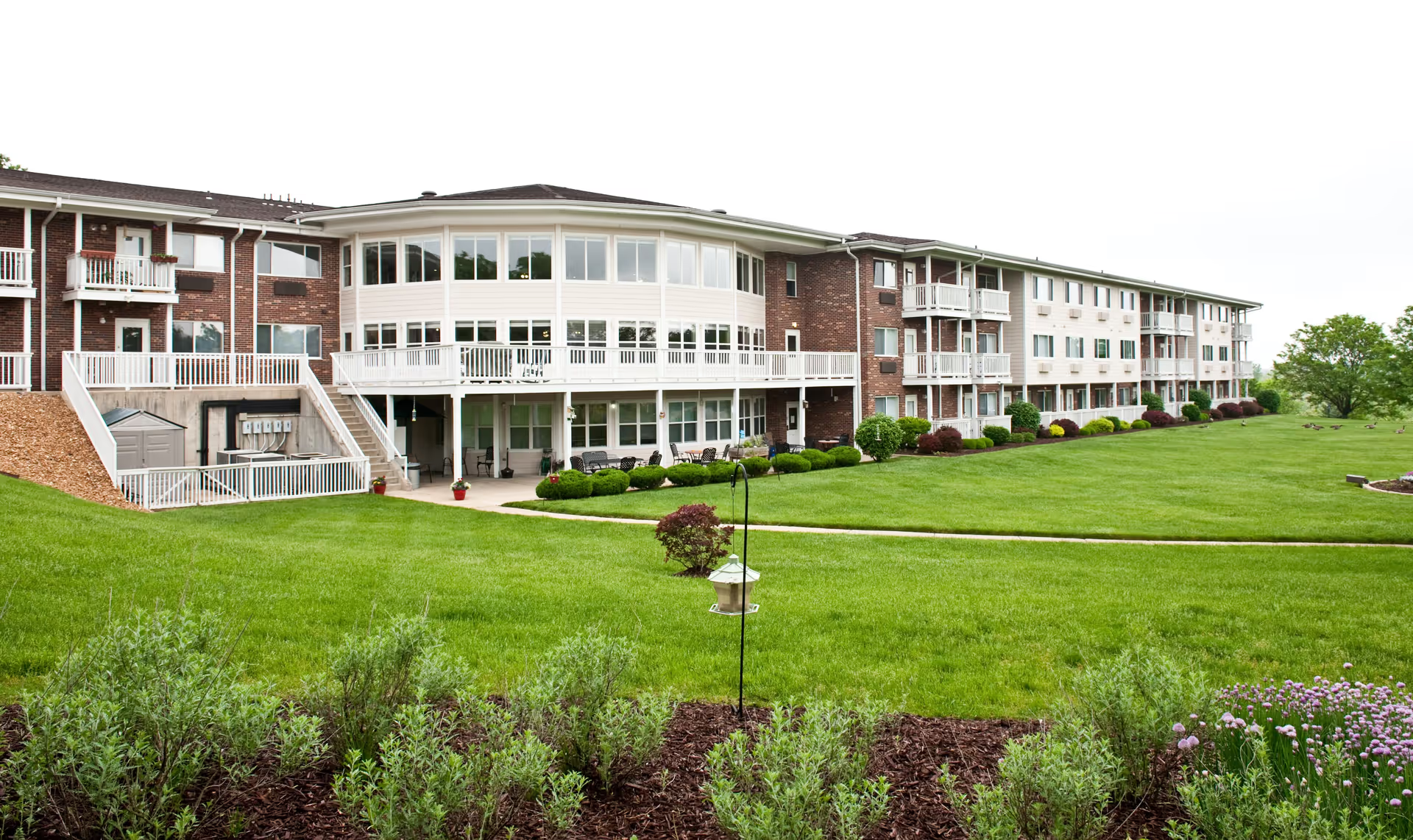
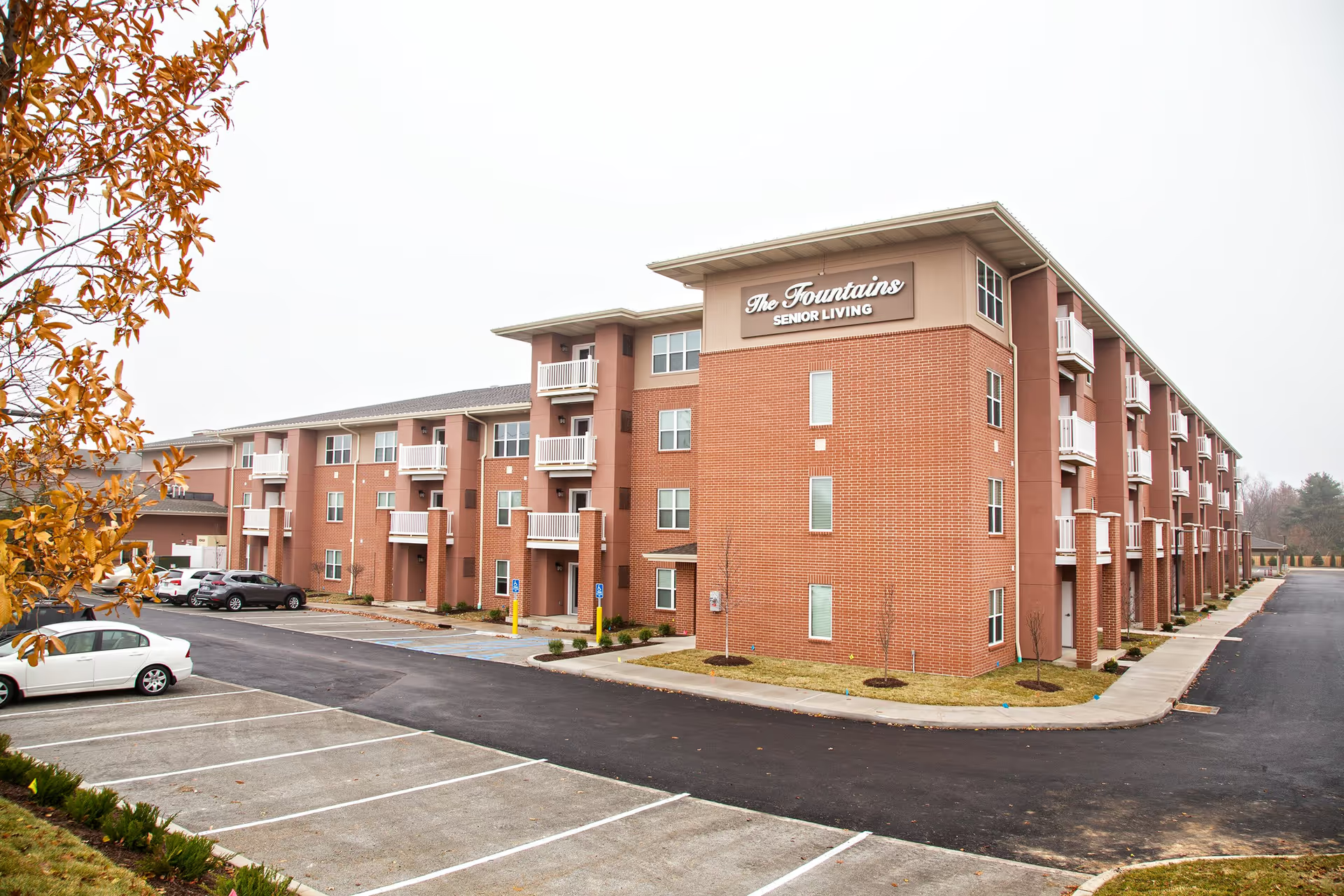
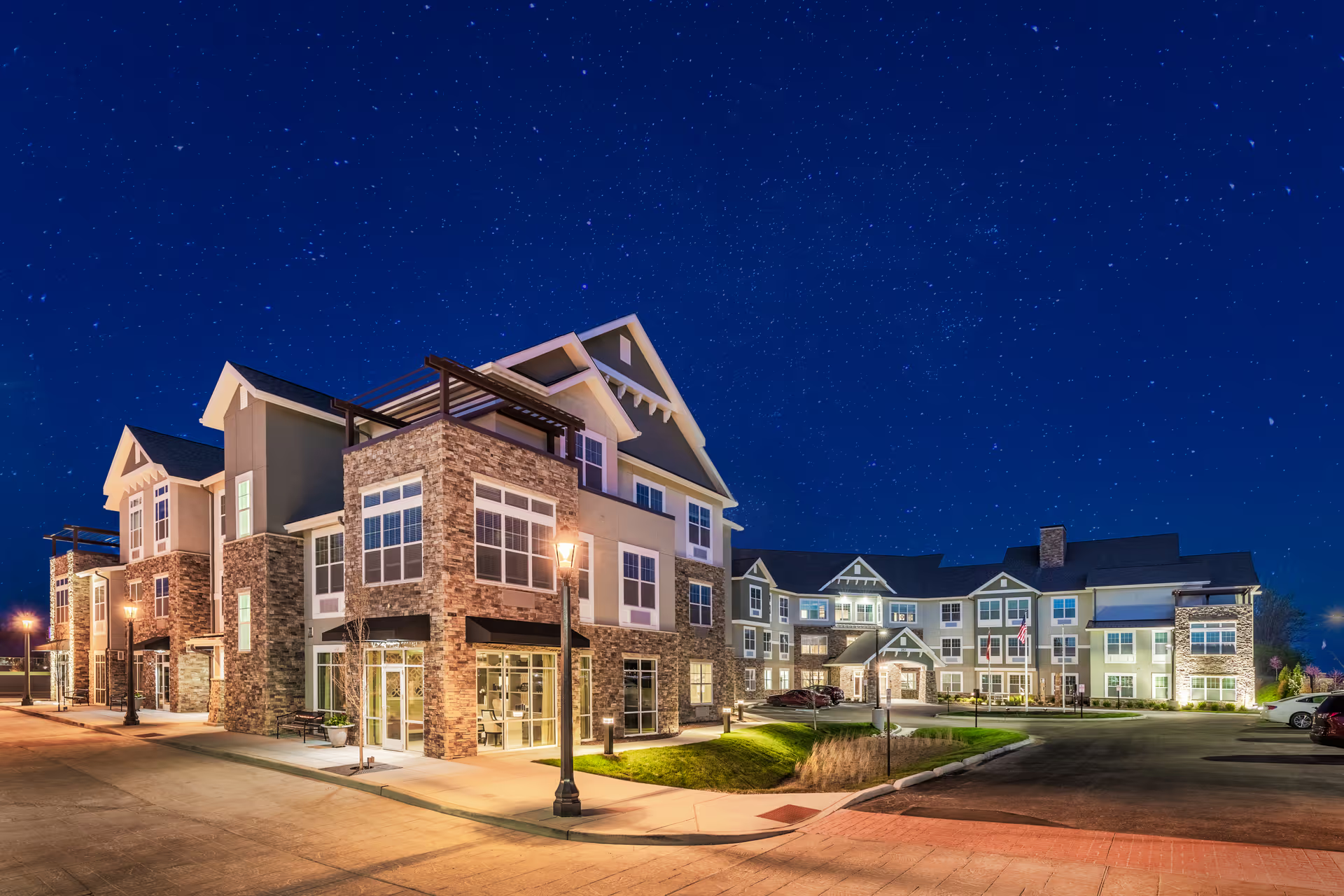
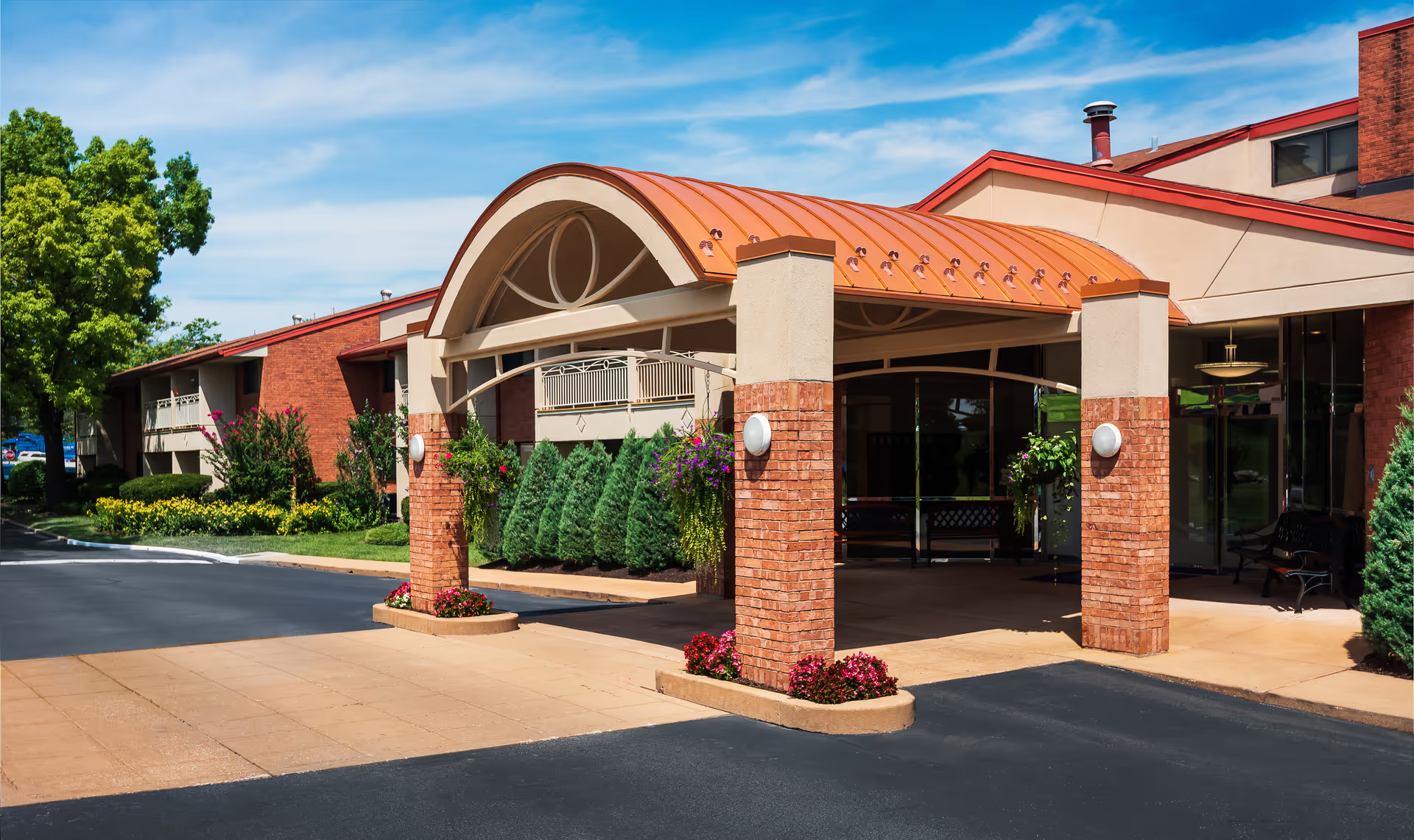
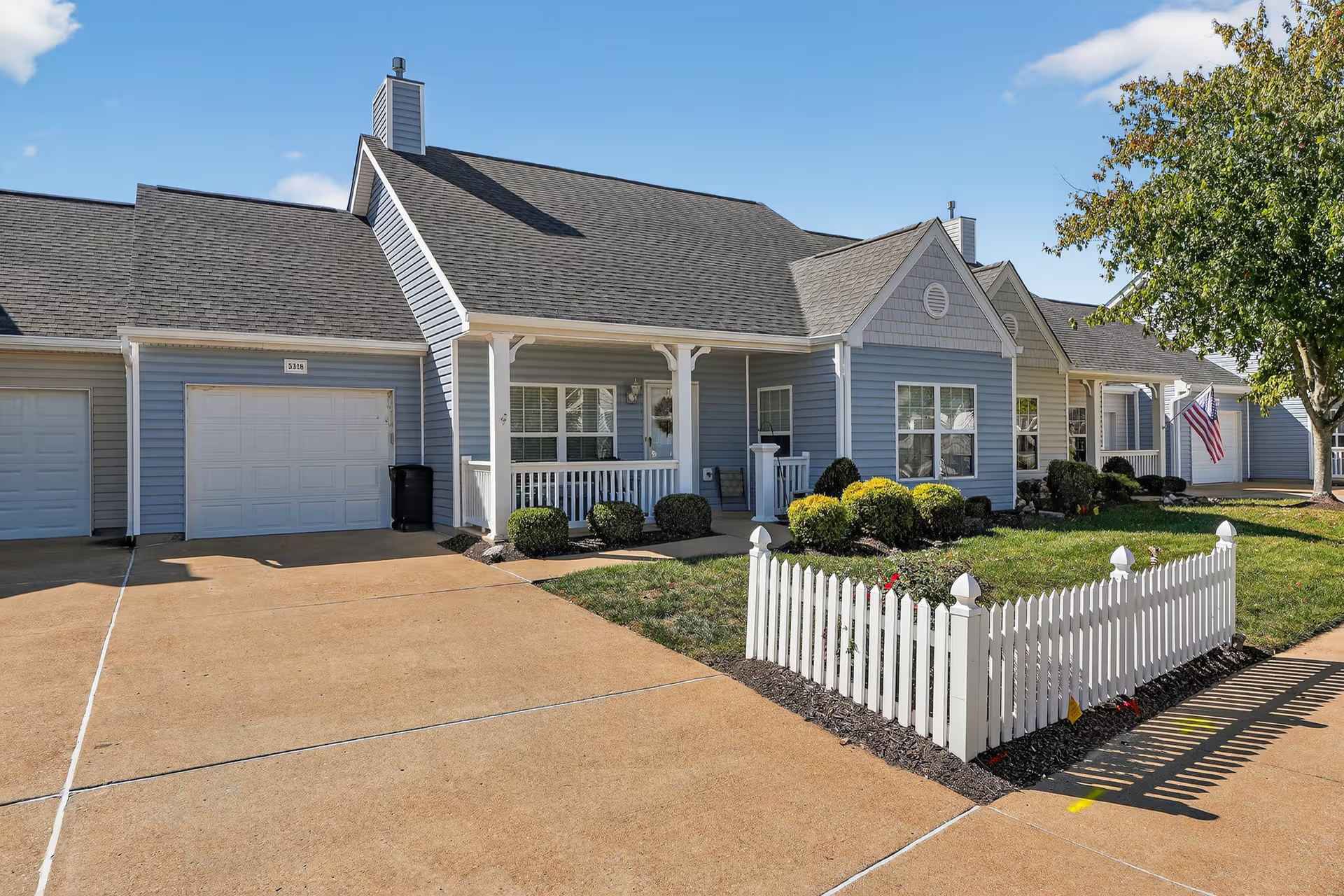
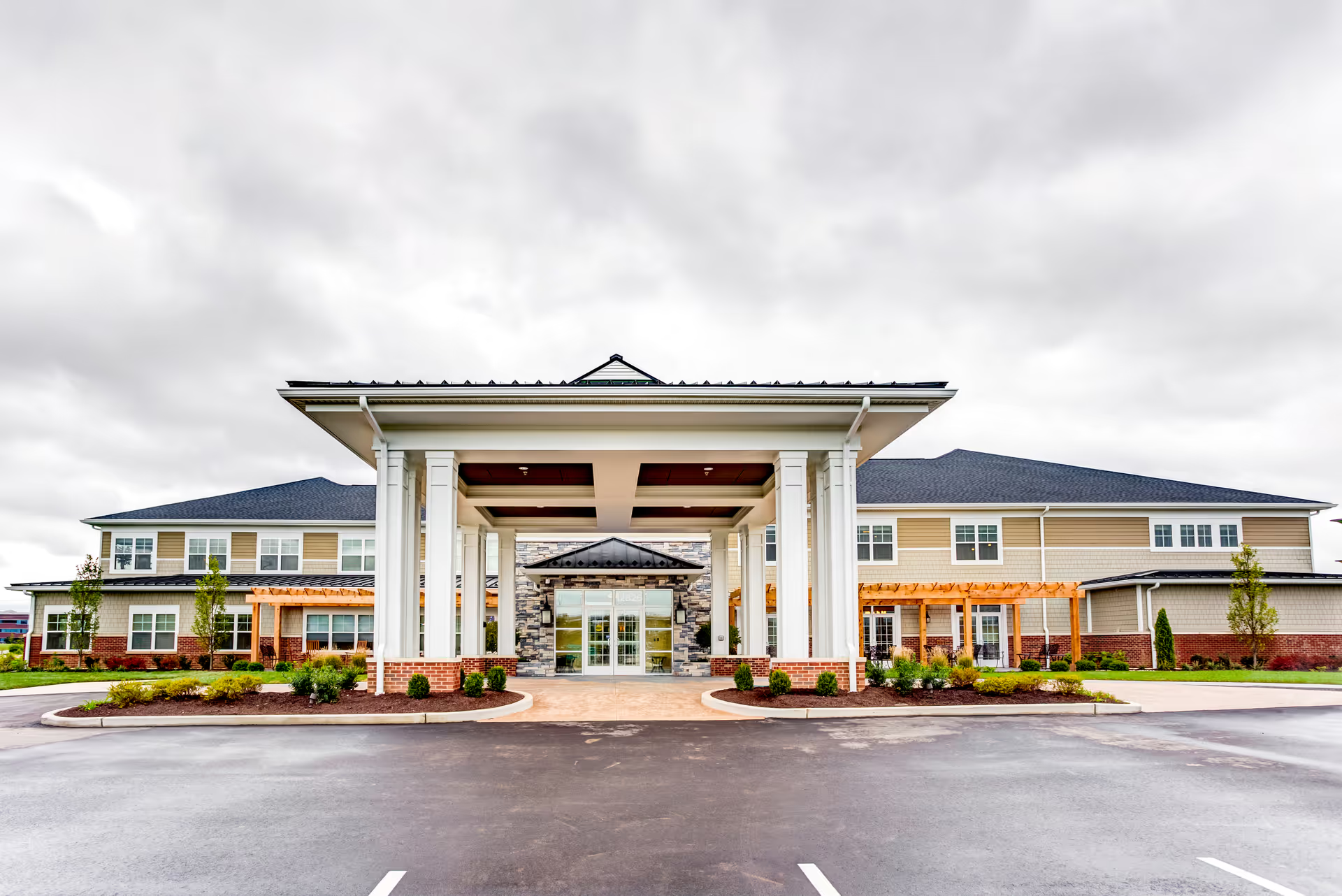
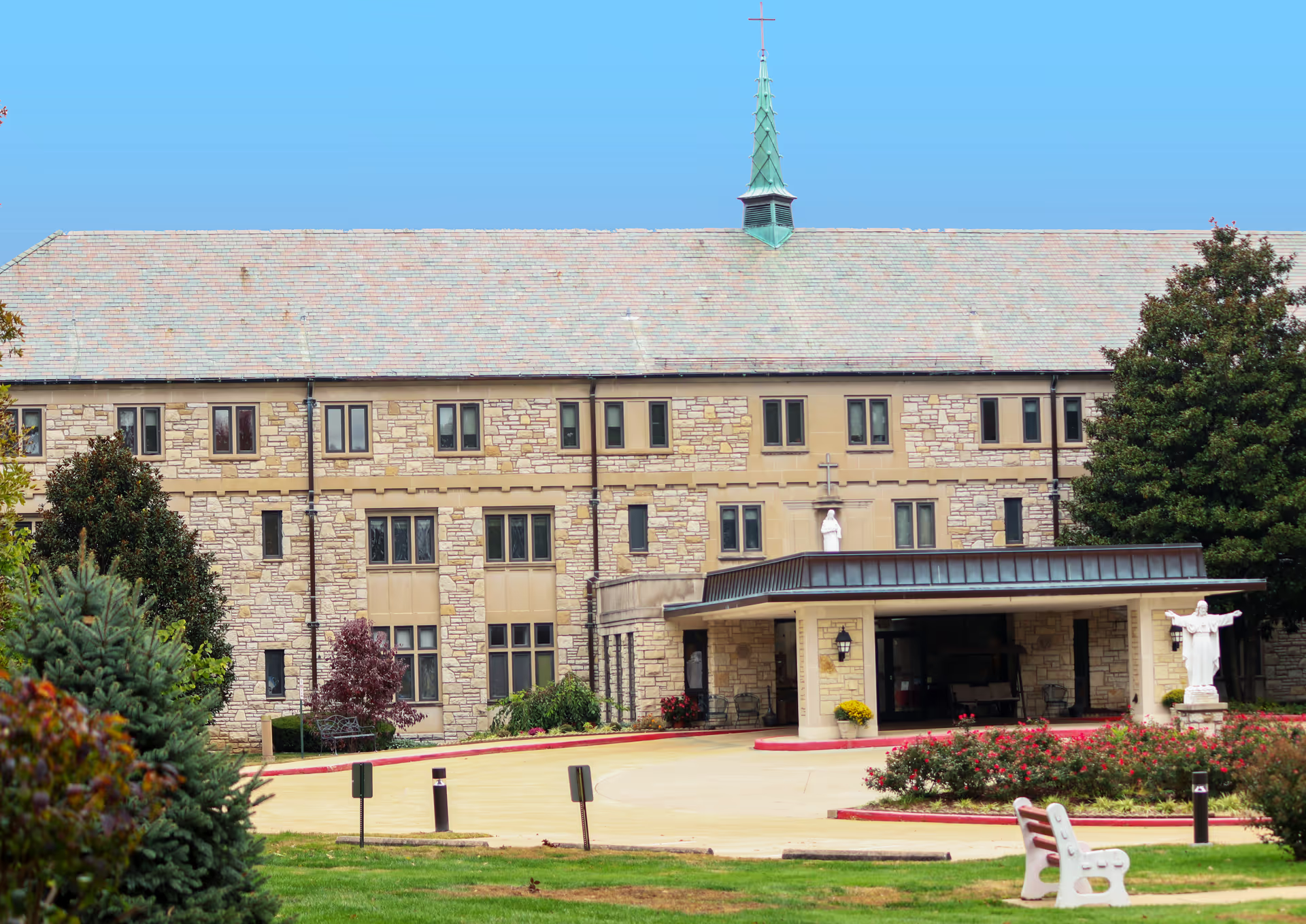
Gambrill Gardens presents a mixed but informative profile for prospective residents and families. The facility has undergone extensive recent renovations that many reviewers describe as attractive and modern; common areas, updated interiors, and invested landscaping are consistent highlights. The campus offers a broad set of on-site services and amenities — including a theater, fitness center with dedicated staff, rehabilitation and therapy services, beauty salon, bistro and on-site shop — which support an active independent-living lifestyle. Apartment options include one- and two-bedroom layouts with full kitchens in many units, and reviewers frequently cited spacious common areas, a chapel, transportation services, and HUD-subsidized affordability as positives.
Staff and care quality show a generally favorable but variable pattern. Numerous commenters praised front-line employees, fitness trainers, dining staff, maintenance teams, and engaged executive and leasing staff who helped with move-ins and resident needs. These accounts emphasize attentiveness, quick maintenance response, and a community-oriented environment. At the same time, other reviews describe inconsistent staff responsiveness, occasional unfriendly interactions at reception, and administrative shortfalls. Families should note the variability: while many residents and relatives report strong, caring engagement, there are also instances of poor communication, voicemail/phone-system issues, and management transitions that have affected some residents' experiences.
Dining and activities are central to community life but present tradeoffs. Activity programming is robust — jewelry making, arts, card clubs, movie nights, karaoke, BBQs, regular outings, exercise classes, and religious services create a busy social calendar that several reviewers praised. The dining program includes an on-site chef, a bistro, and offerings described as fresh and varied by many. However, a recurring operational concern is the meal-service model: some residents face mandatory meal-plan requirements, advanced meal-ordering windows, perceived small portions or variable food quality, and charges for additional services. These constraints, together with occasional service glitches (including dining disruptions during construction), suggest prospective residents should clarify meal-plan options, portion expectations, and pricing before committing.
Operational and management patterns warrant careful review. Reported strengths include proactive maintenance and visible on-site leadership; reported weaknesses include inconsistent housekeeping coverage, disruptive renovation management, fragmented fee structures with extra charges for internet/cable/activities, and occasional sanitation or pest-control concerns. There are also accounts of administrative issues with subsidy continuity and management transitions that led to significant family concern. Waitlists and move-in delays are common and may affect timing. Importantly, the community is primarily independent living; families seeking higher-acuity assisted care should verify clinical capabilities and transfer protocols.
In summary, Gambrill Gardens offers an extensively updated campus with diverse amenities, active programming, accessible rehab services, and many residents who describe the staff as caring and the grounds as pleasant. The main caveats are operational: dining model constraints and fees, variability in management and staff responsiveness, housekeeping and construction disruption management, and some facility-level sanitation and pest-control issues. Prospective residents and families would benefit from a targeted onsite visit to inspect renovated spaces, review meal-plan and fee details, ask about housekeeping and pest-control protocols, and confirm how the community handles communication and care transitions.