Autumn View Gardens in Ellisville presents as a small, faith‑based assisted living community with several clear strengths and a few operational limitations to consider. Reviewers consistently highlight warm, compassionate caregiving and a core of long‑tenured staff; nursing and med‑tech support are described as professional and responsive. Many families reported that staff‑resident interactions are respectful and family‑like, and that admissions and front‑desk personnel are helpful and informative. The presence of on‑site therapy, hospice partnerships, and monitoring cameras contributed to family reassurance in multiple accounts.
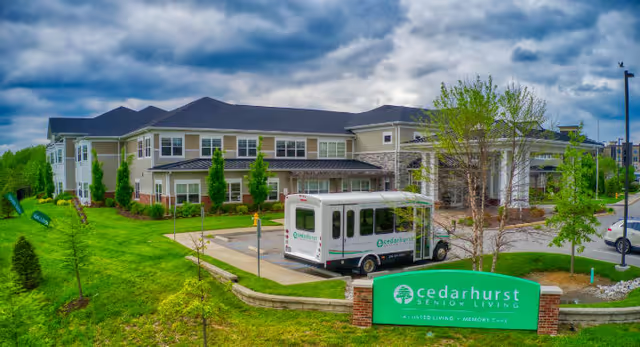
Dining and social life are prominent positives. The community offers restaurant‑style dining, menu variety including multiple entree choices, and willingness to accommodate dietary requests. Activities are a major feature — an active calendar with arts and crafts, themed parties, frequent outings, and a highly engaged activities director were repeatedly noted. Transportation (mini‑bus and special rides), field trips, and regular social events foster resident engagement and higher socialization levels. Outdoor spaces, natural light in common areas, and attractive dining-room views add to the community atmosphere.
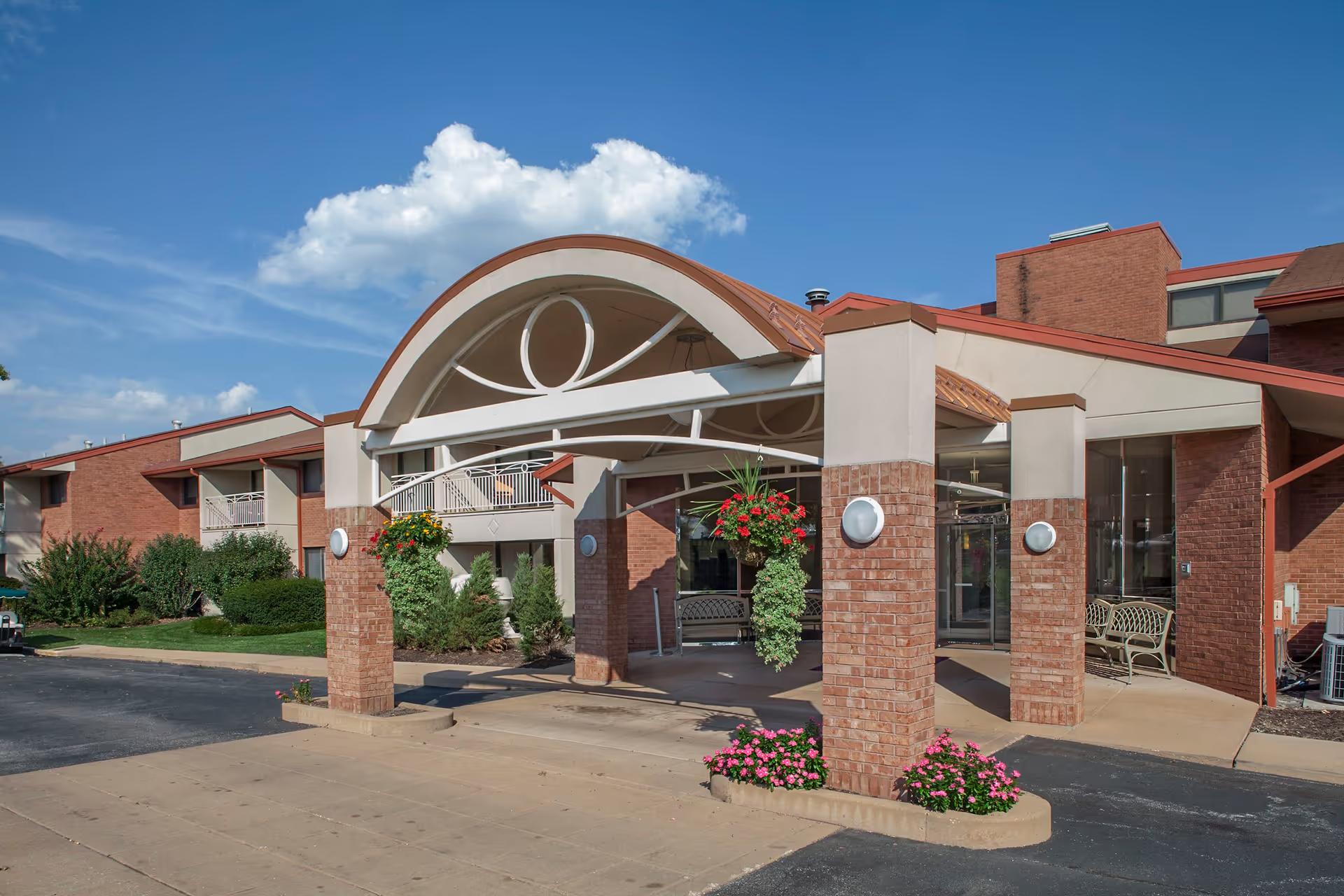
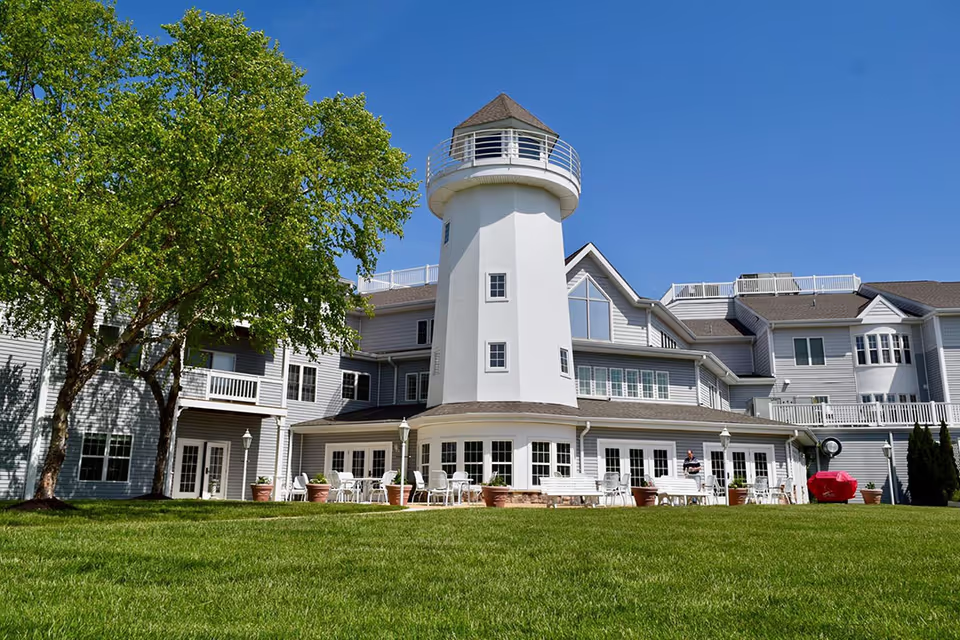
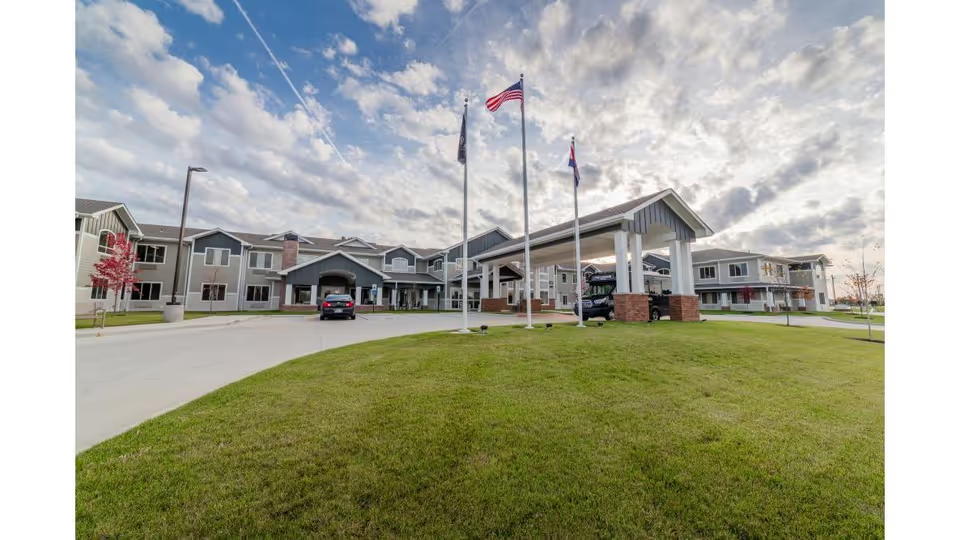
Facility and unit attributes tend toward a small, homelike footprint: suite options (including companion suites) with decks or balconies, well‑kept grounds, and an intimate layout that many families prefer. Reviewers appreciated the cleanliness, helpful amenities (salon, convenient therapy), and the community’s transparent, all‑inclusive pricing model. The faith‑based mission and emphasis on social connection contributed to reports of improved quality of life for many residents.
Operationally, reviewers described recurring limitations that merit attention. Staffing variability and turnover can affect continuity of care and activity staffing; several comments cited short‑staffing or staff replacements as sources of inconsistency. Dining‑service continuity and occasional menu substitutions tied to budget or staffing were described; prospective families may want to clarify current meal staffing and menu planning. Clinical scope is another consideration: the community is positioned at lower assisted‑living acuity levels, with limited capability for wheelchair transfers, toileting assistance at higher needs, and a relatively small memory‑care program. Families requiring higher levels of clinical support should confirm capabilities and transfer protocols.
Additional operational themes include intermittent issues with laundry and personal‑care scheduling, periodic maintenance or dated room configurations in some units, and concerns about incident communication and response timelines raised by a few families. The community operates on a self‑pay financial model (no Medicaid beds), and affordability or rent adjustments were noted as a concern for some. Leadership transitions and longer director searches were mentioned; leadership stability appears to influence perceived quality over time.
In sum, Autumn View Gardens offers a socially active, well‑maintained assisted living setting with strong activity programming, personable staff, and quality dining for many residents. Prospective residents and families should weigh those strengths against operational limits in clinical acuity, memory‑care capacity, and occasional staffing or service continuity issues. On a tour, clarify current staffing ratios, transfer and toileting assistance policies, memory‑care availability, meal staffing and budgeting, laundry/personal‑care scheduling, and the facility’s incident‑notification procedures to ensure alignment with the prospective resident’s needs.