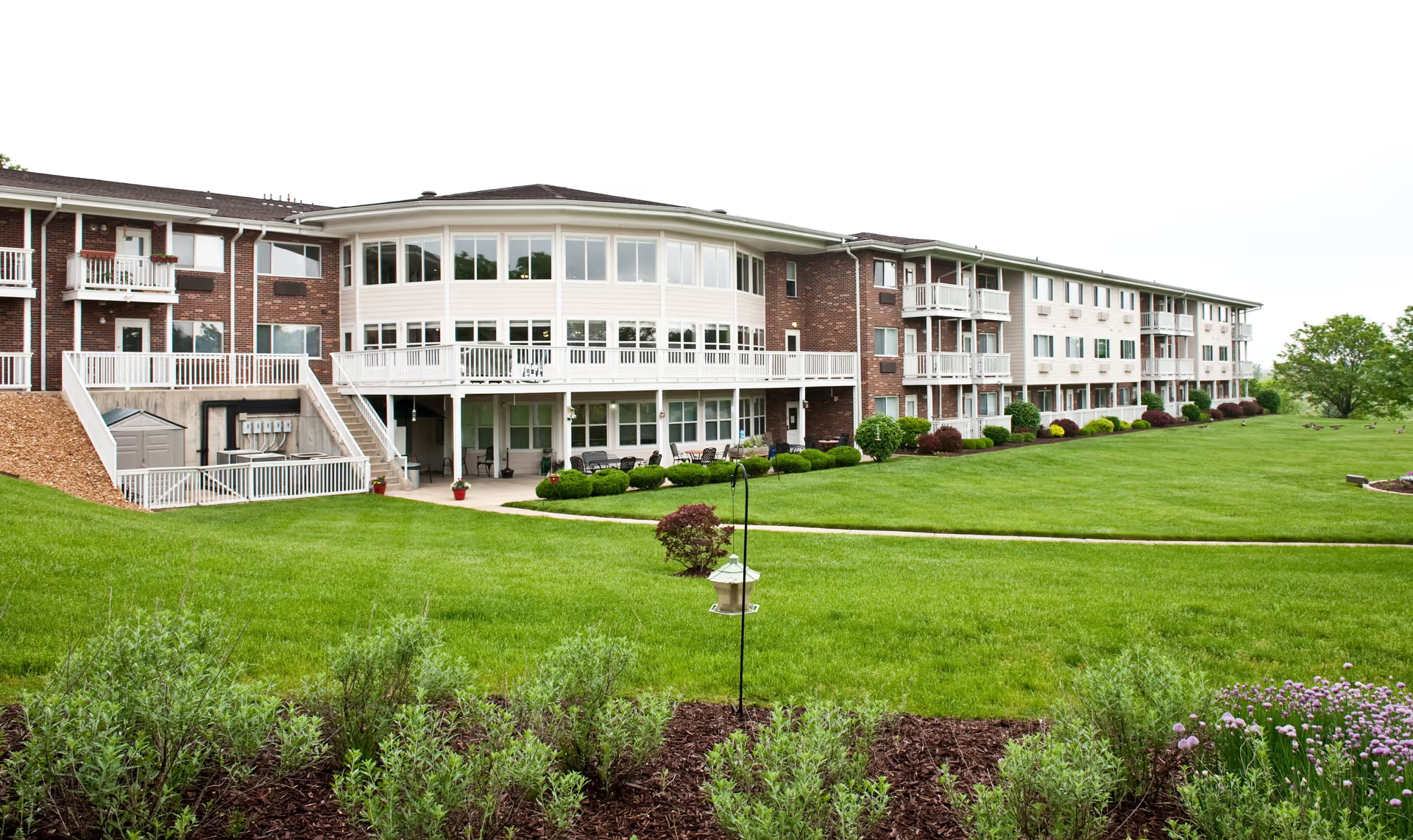
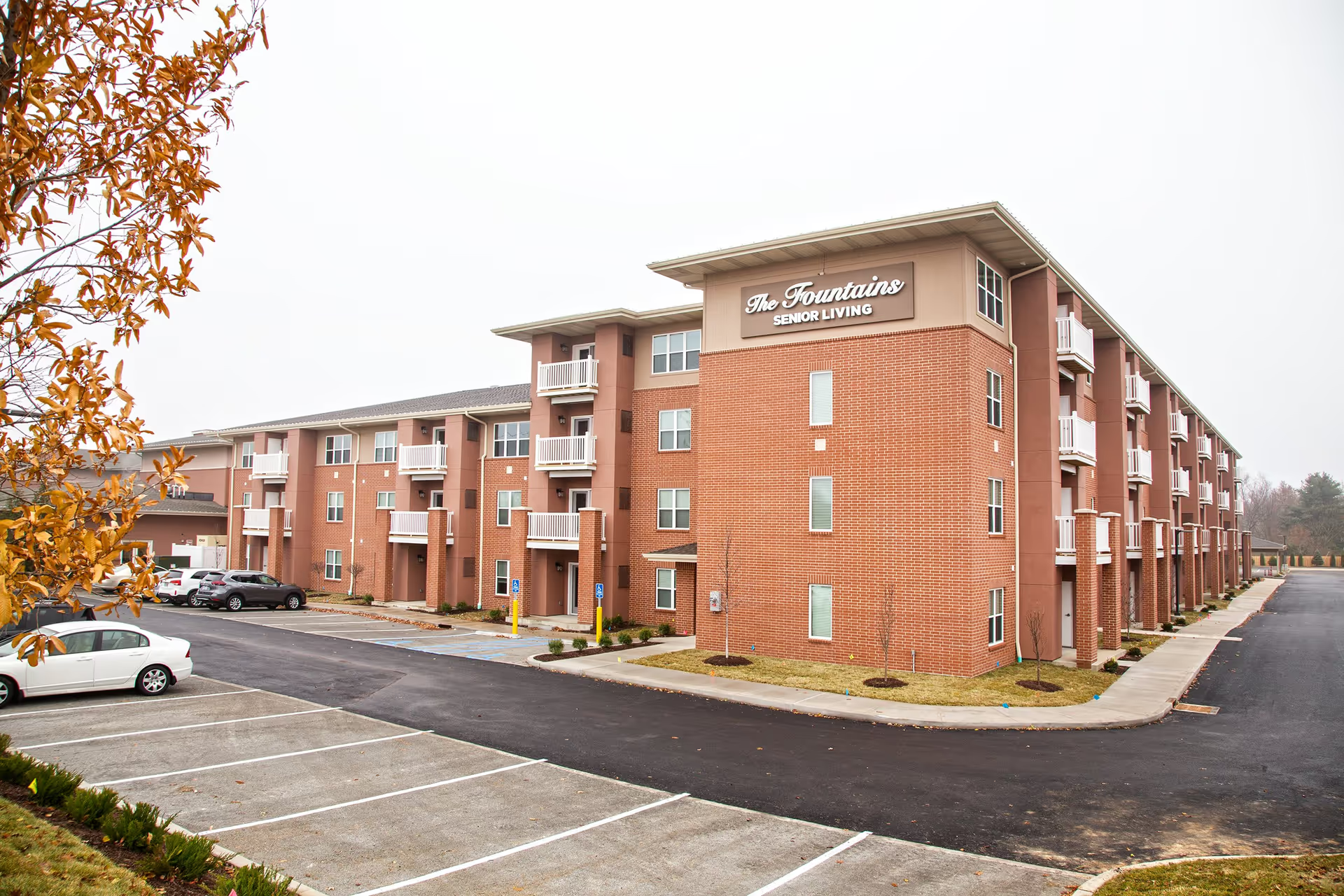
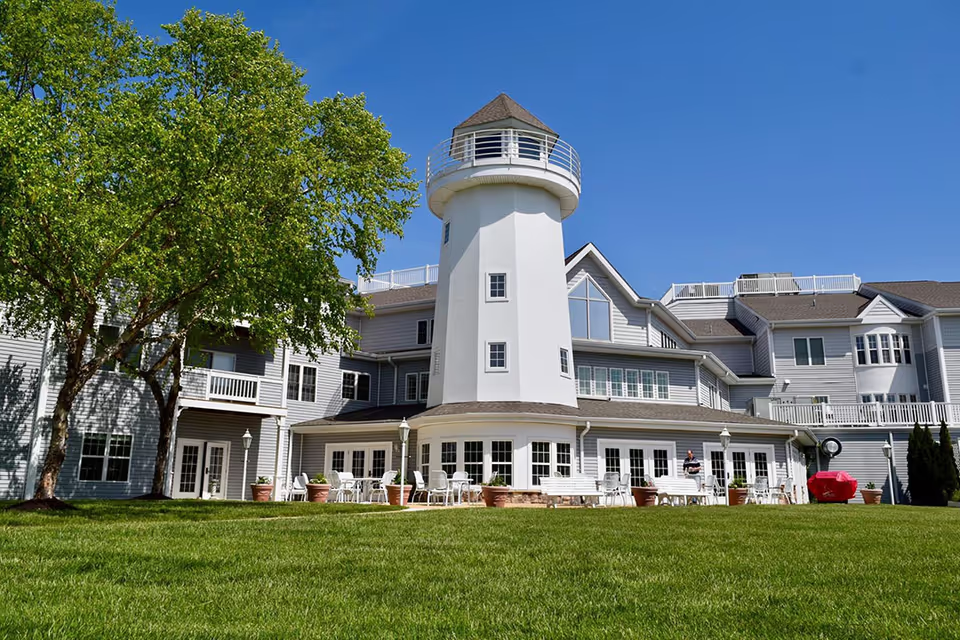
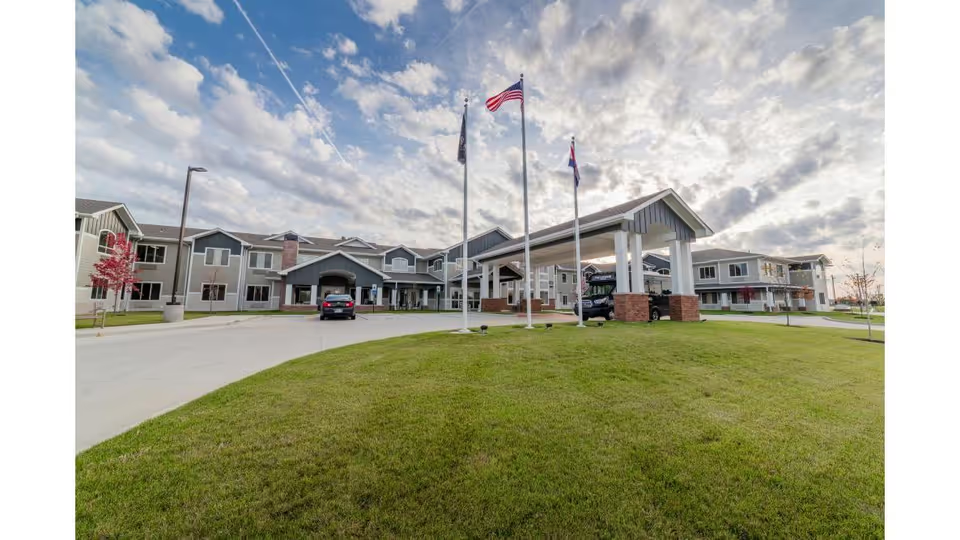
American House Wildwood Village presents a mixed but detailed picture. The physical plant and location are recurring strengths: reviewers describe a modern, four-year-old facility with large, accessible floor plans, full-size kitchens, attractive common spaces, and convenient proximity to shopping, restaurants and medical offices in Wildwood. Housekeeping and maintenance are frequently praised, and many families highlighted the community’s warm, family-like atmosphere and pet-friendly policies.
Dining and social programming receive substantial positive feedback. Several families cited gourmet meals, professional wait staff, regular live music, themed events, and activity offerings that include outings, craft classes and social gatherings. These elements are credited with improving residents’ mood, engagement and mobility in many accounts. Memory-care programming and staff expertise are often singled out as strengths, with reports of knowledgeable, experienced CNAs and dedicated memory-care directors who provide individualized transition support.
Care quality and staffing show a clear divide in the reviews. Many reviewers commend compassionate, attentive caregivers and accessible leadership who make transitions smoother and respond to clinical needs. However, a persistent pattern of operational concerns also appears: inconsistent staffing levels, frequent staff turnover, and gaps in overnight and weekend coverage are repeatedly cited. Related operational weaknesses include long call-response times during off hours and variability in staff training and competency. Several reviews raise specific concerns about medication administration — delayed, missed or poorly documented doses — and insufficient monitoring and documentation practices. There are also mentions of end-of-life care concerns and inadequate family follow-up after critical incidents.
Operational management and culture are another area of mixed feedback. Some families describe improvements following management changes and praise proactive directors and nursing leadership. Others describe service disruptions during ownership transitions, reduced communication to families, price increases without clear service enhancements, and slow or unsatisfactory HR responses to serious staff-related concerns. A small number of reviews include allegations of discriminatory staff conduct and dishonest documentation; these are serious claims that reviewers say were inadequately investigated by management.
Practical facility-level issues that prospective families should note include limited laundry capacity on the memory-care floor (two washers/dryers), which can create backlogs, and some sanitation or laundry service concerns. A few reviewers reported inconsistent meal temperatures and quality after dining-vendor changes. Several families recommended improved security and documentation transparency — for example, consistent incident records and camera review — to resolve contradictory accounts of events.
Recommendations for prospective families: during a tour, visit at different times (including evenings and weekends) to assess staffing and response times; ask to review medication-administration logs, staffing ratios, and incident-investigation policies; inquire about memory-floor laundry capacity and turnaround procedures; request examples of transition plans and post-incident family communication; and ask how management has addressed staff-training, retention, and any prior allegations. In sum, the community offers strong physical amenities, dining and activity programming and has demonstrable memory-care strengths, but prospective residents and families should seek specific operational assurances around staffing stability, medication controls, communication protocols, and incident-resolution processes before committing.