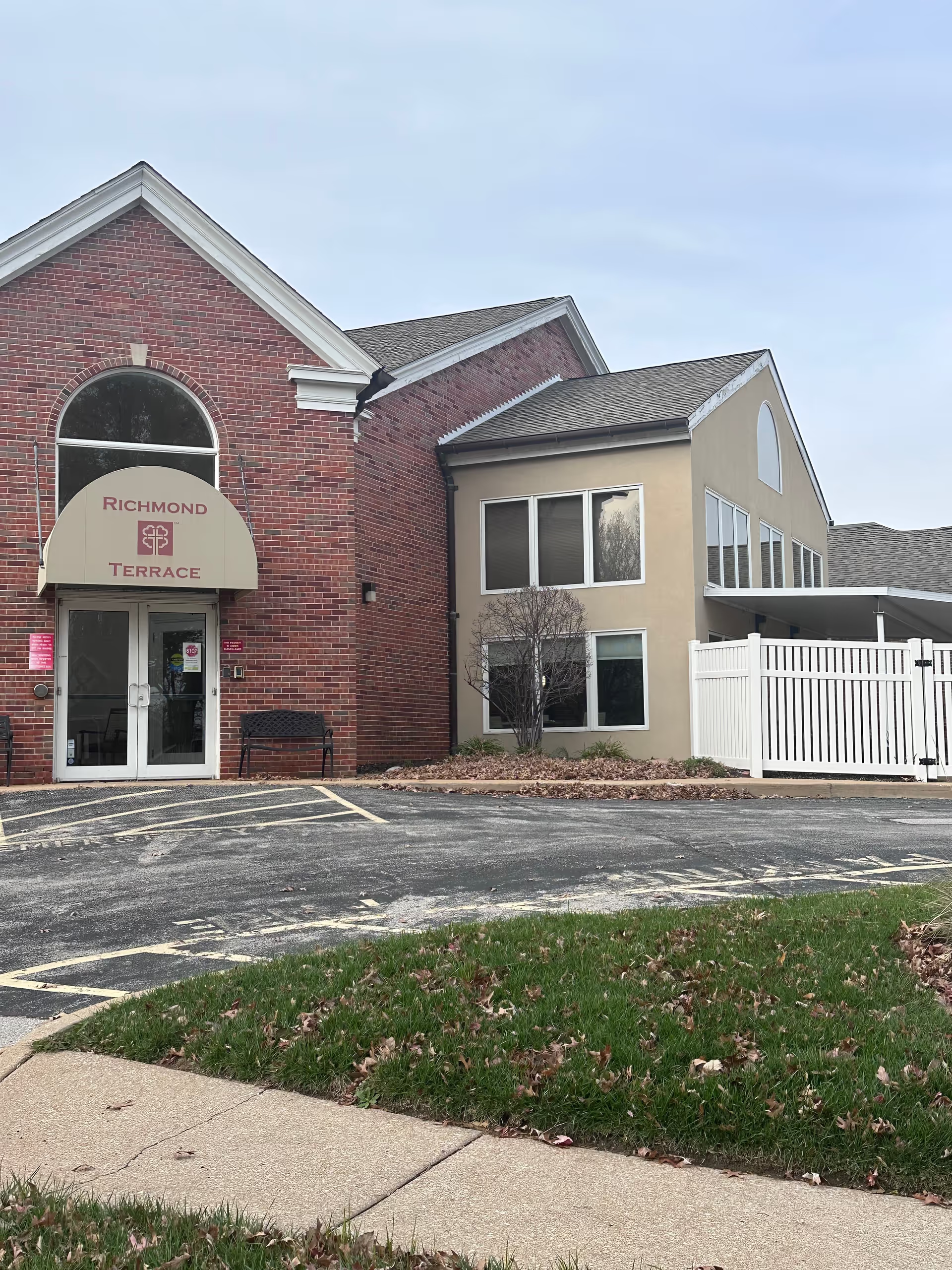
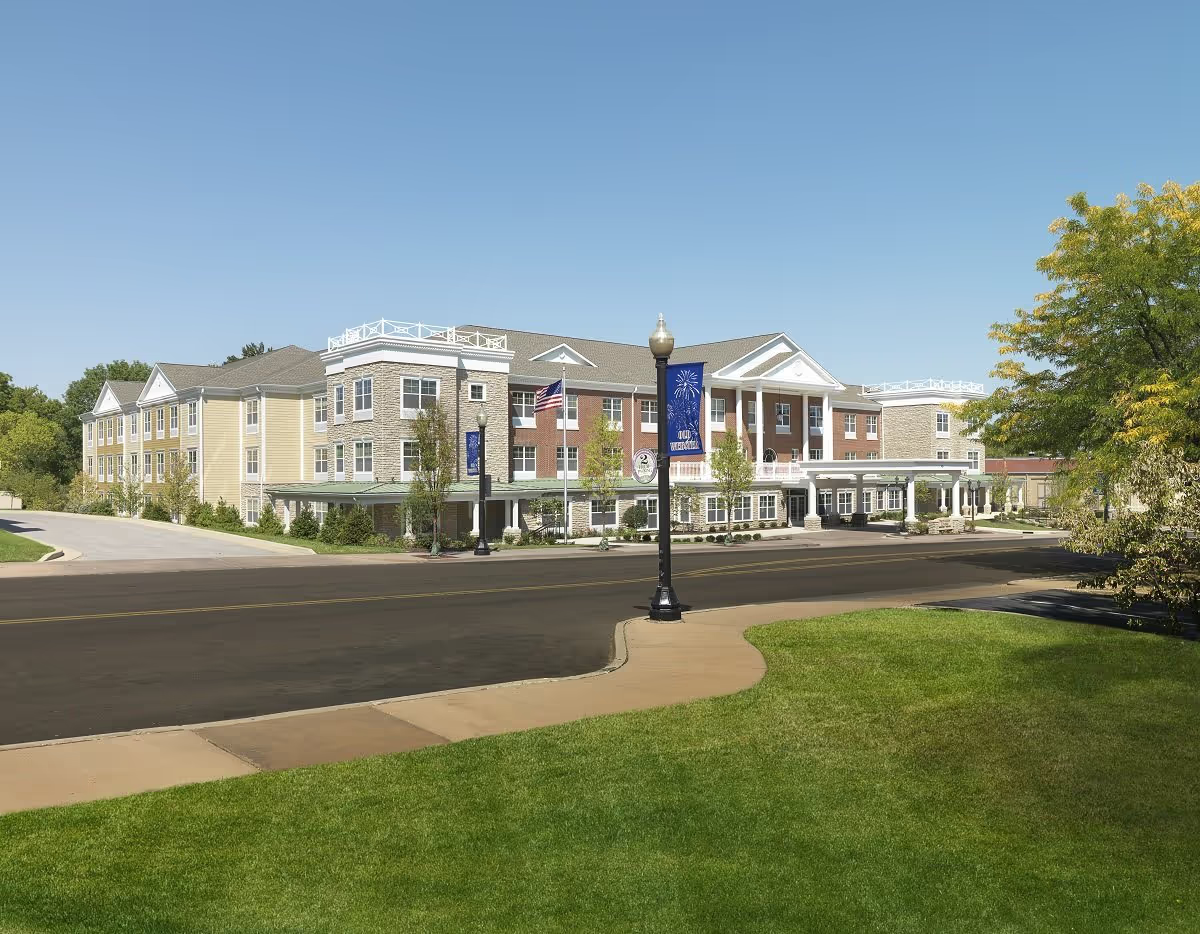
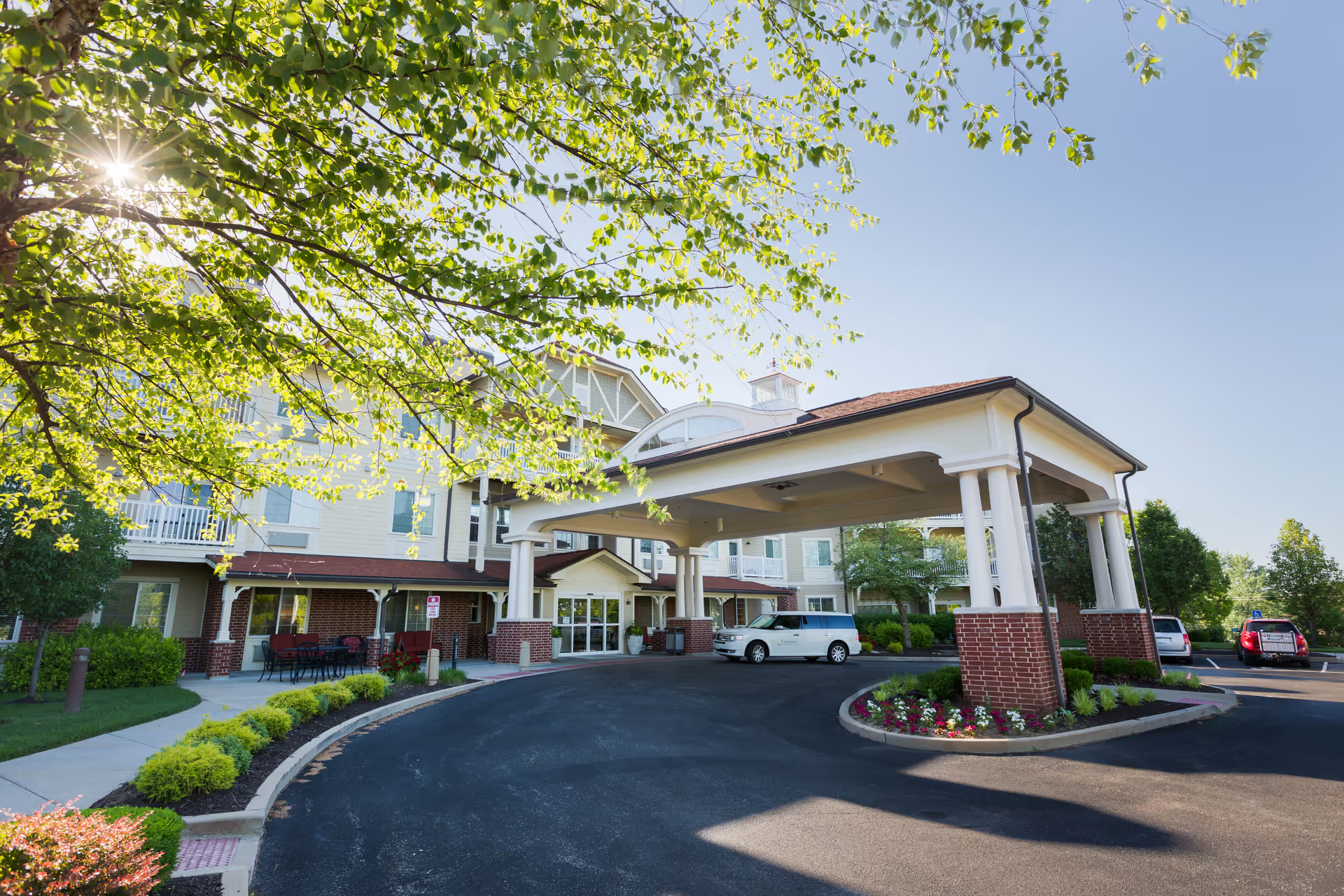
St. Louis Altenheim presents as a historically attractive, well-located facility with notable strengths in ambience, resident accommodations, and certain areas of care. Many accounts emphasize the property's mansion-era architecture, scenic river and Arch views, well-kept common areas, and a home-like, non-clinical atmosphere. The site offers mostly private rooms, family-friendly visitation (including complimentary dining and overnight family apartments), and a range of on-site amenities and activities that some residents find engaging and social.
Care quality descriptions are mixed. Numerous families praise caring, attentive caregivers, responsive nursing staff, and effective rehabilitation support; several reviewers specifically noted individualized meal preferences being honored and good coordination with physicians and transportation. At the same time, other families described lapses in clinical monitoring, medication-administration concerns, and instances where assistance was delayed. These accounts suggest variability in day-to-day clinical performance and hand-off communication between shifts or departments.
Dining and activities receive similarly mixed feedback. Positive comments highlight home-style meals, tasty desserts, dining-room service, and personalized attention from dining staff. Conversely, a number of reviewers described inconsistent food quality, occasional kitchen cleanliness concerns, and a decline in dining standards after ownership or staffing changes. Activity offerings such as Bingo, crafts, outings, and lectures are available and appreciated by some residents, but programming consistency and stimulation levels were described as uneven by others.
Facility maintenance and sanitation present a split picture. While many note an attractive, well-maintained environment with pleasant smells and comfortable common spaces, there are also reports of sanitation issues and pest-control concerns in specific areas. Reviewers mentioned portions of the building with older or outdated amenities, and smaller room sizes in some care units, which may matter depending on resident needs.
Management and organizational patterns are an important area of concern. Several reports point to high staff turnover, perceived workplace-culture problems (including hiring practices and interpersonal conflict), and management instability. Families also raised issues about billing practices, a substantial rate increase after ownership change, and instances of disputed charges or poor communication around finances. There are even allegations relating to marketing and rating authenticity; these claims warrant verification through independent inspection records and regulatory history.
Taken together, reviews describe a facility with clear strengths in setting, some strong caregiving relationships, and useful services, contrasted with operational inconsistencies that affect daily life for some residents. Prospective residents and families should consider an in-person visit, sample meals, review recent inspection and pest-control records, ask about current staffing ratios and turnover, request documentation of clinical protocols (medication administration, monitoring, and hand-offs), and clarify contractual billing and rate-change policies before making a placement decision.