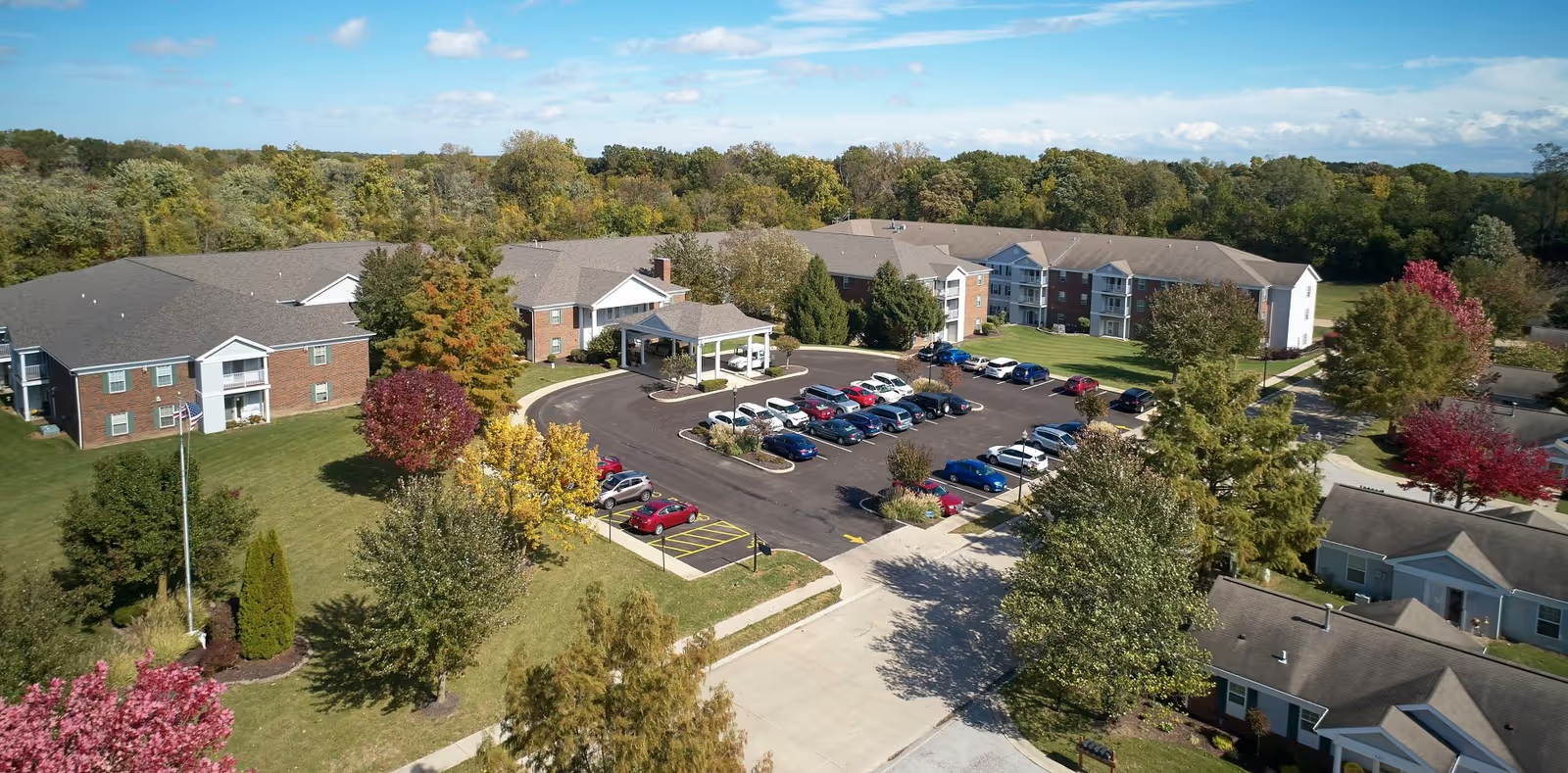
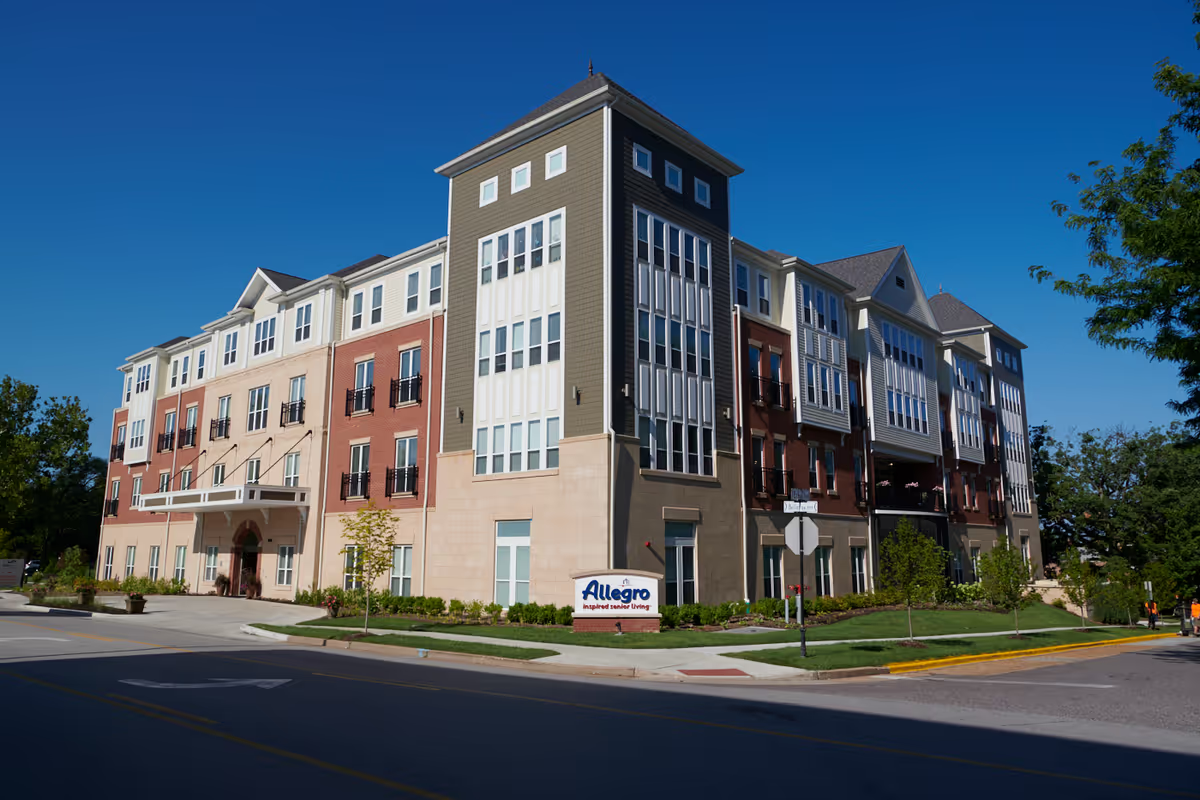
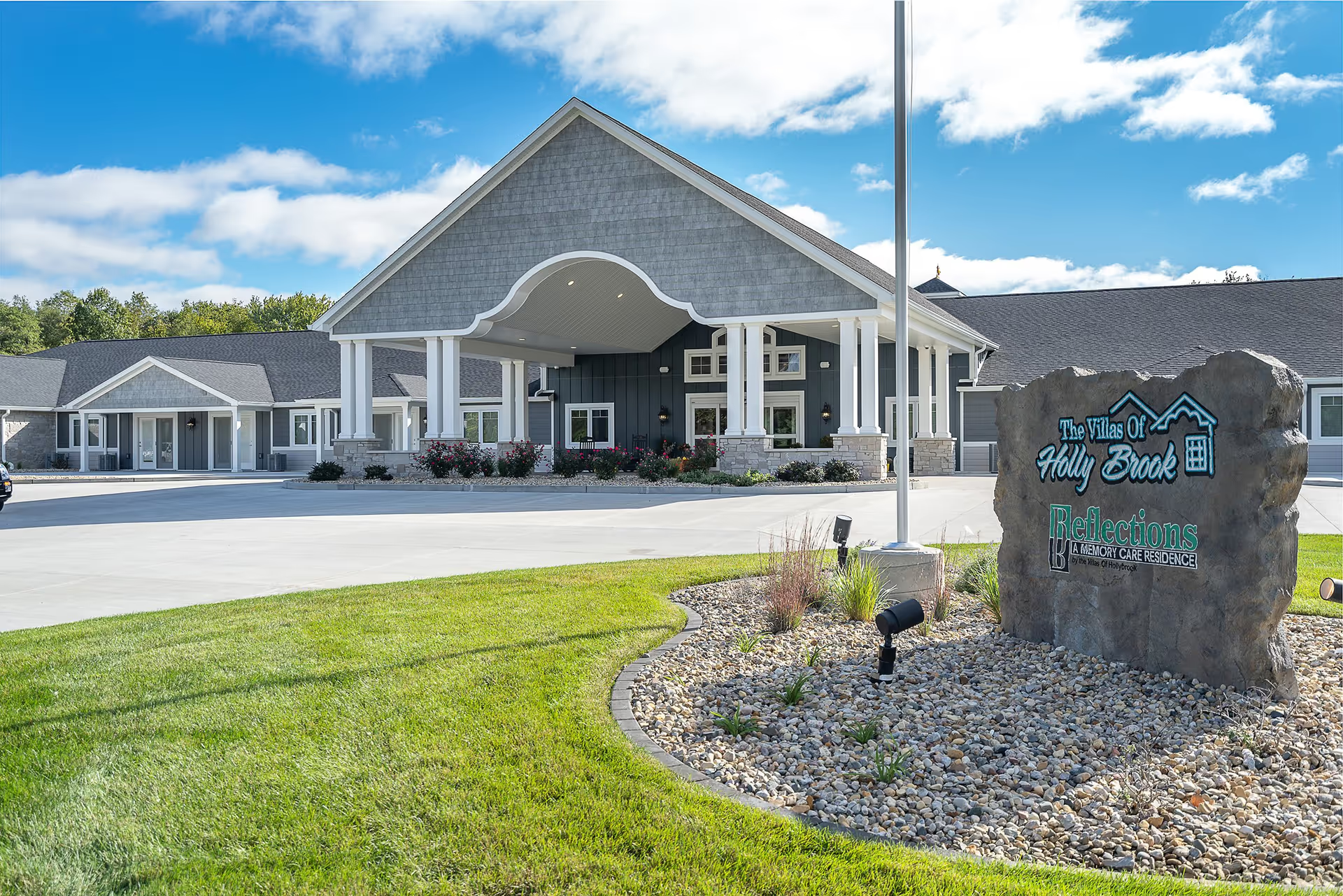
The Estates of Hidden Lake presents a mixed profile: it offers a clear continuum of care with on-site nursing, memory-care programming, skilled nursing options, and independent-living apartments. Many residents and families praise spacious, well-appointed apartments (large bathrooms, ample closet space, private entrances and patios), a pleasant campus with garden and lake access, and on-site amenities such as a chapel, library, salon, and therapy/rehab spaces. Activity programming — including crafts, games, music, church services, themed holiday events, and memory-care activities — is available, and transportation/shuttle services and scheduled outings are part of the lifestyle offerings. Several accounts highlight friendly, personable staff, knowledgeable nursing in parts of the building, and value-for-money pricing in the independent- and assisted-living segments.
Care and staff experience appear uneven across the facility. Positive notes include attentive aides, strong one-on-one nursing in some units, thorough medication management in certain wings, and staff who keep families informed. However, multiple accounts indicate staffing instability and periods of understaffing that have led to delayed responses and longer wait times. Clinical documentation and charting practices were described as inconsistent, and there are examples of medication-administration inconsistencies and near-misses; these suggest gaps in process reliability rather than uniformly unsafe practice. Oversight of staff conduct and time-keeping is another operational weakness cited in multiple accounts.
Dining and activities likewise vary by unit and time. Many reviewers described appetizing meals, accommodations for dietary restrictions, and three daily meals served on a regular schedule; others described uneven food quality and occasional service disruptions. Activity offerings and the social program are present and appreciated by engaged residents, but there are also descriptions of limited visible engagement in certain areas and slower activity schedules in others, producing an uneven resident experience depending on placement and staffing levels.
Facility condition and safety present a mixed picture. Numerous units and common areas are described as clean, bright, and well-kept with attractive landscaping. Contrasting descriptions point to inconsistent preventive maintenance, infrastructure reliability issues (heating, cooling, and electrical), sanitation concerns in some common areas and units, and pest-control issues. Security and access-control procedures appear strong in some parts of the campus (check-in/passcode) but weak in others, with unlocked access and perimeter-control gaps noted. Grounds and parking-lot maintenance have also been described as uneven.
Management and operational patterns emerge as a consistent theme. Reviewers cite frequent ownership or management changes, slow or unresponsive communication by phone or email, and policy decisions (for example, non-refundable move-in and pet deposits) that families should review carefully. Serious operational allegations — including staff substance misuse and time theft — have been raised in some accounts; these are significant and should be evaluated through direct inquiry and verification. Conversely, other accounts describe helpful, professional management and positive tours, indicating variability in leadership and day-to-day execution.
Bottom line: The Estates of Hidden Lake offers substantive strengths — a full continuum of care, attractive living spaces, active programming, and staffed clinical resources — that make it appropriate for many prospective residents, particularly those seeking on-site clinical continuity and social programming. At the same time, persistent themes around inconsistent maintenance, variable housekeeping and dining experiences, staffing turnover, documentation and medication-administration reliability, and uneven management responsiveness warrant careful investigation. Prospective residents and families should arrange multiple visits at different times of day, request recent inspection or staffing records, clarify deposits and admission policies, and meet clinical and administrative leaders to assess current conditions and remediation plans before making a placement decision.