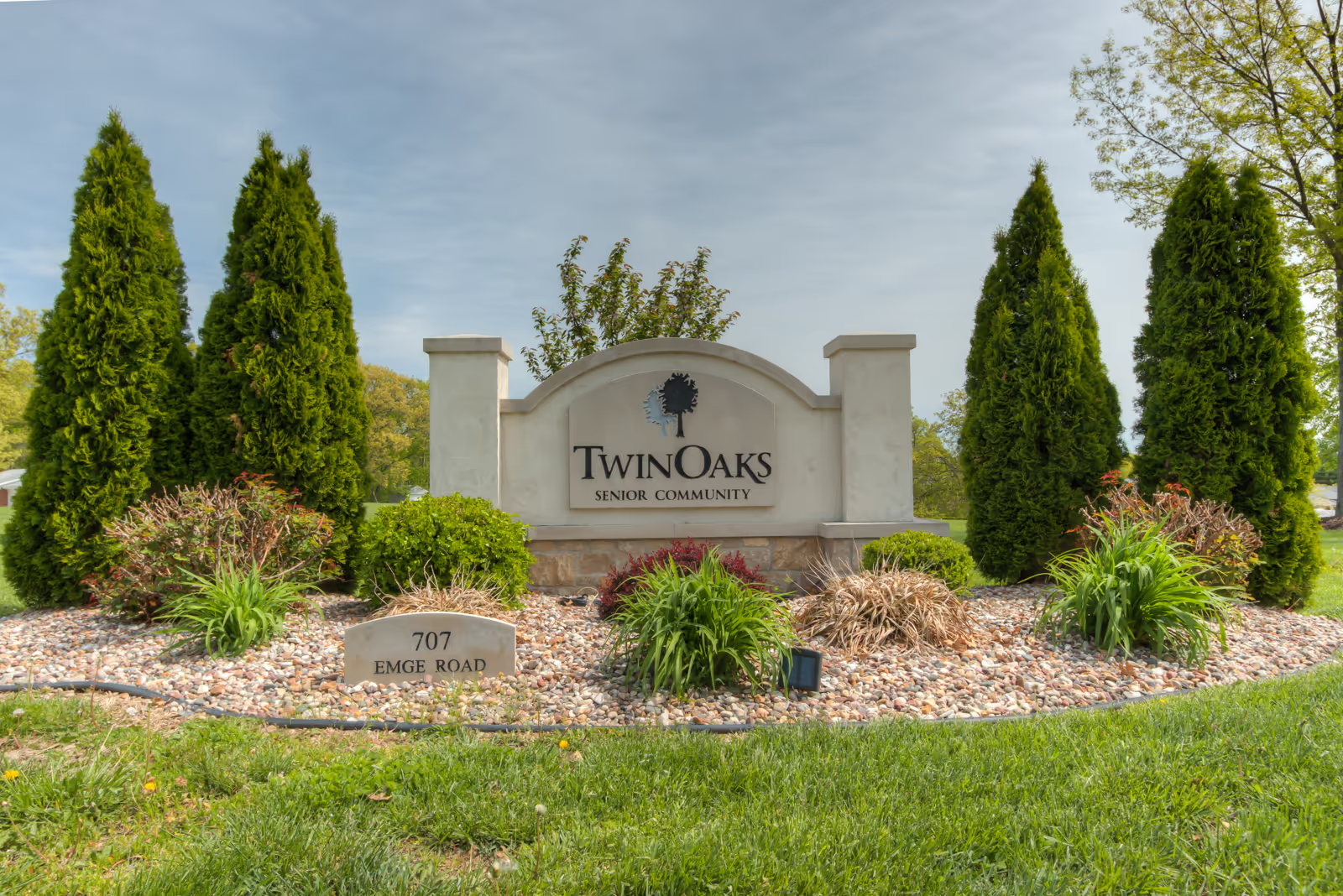
The reviews indicate a facility with strongly mixed experiences. On the positive side, many families describe genuinely compassionate, attentive front-line caregivers and long-tenured aides who provide emotional support and hands-on assistance. Several accounts praise the quality of meals, hospice and end-of-life support, and friendly nursing or medical staff in parts of the building. The facility accepts Medicaid and some visitors noted clean, home-like common areas and a refreshed entryway.
Care quality appears inconsistent across shifts and units. A recurring pattern is understaffing and staffing instability, which reviewers link to delays in personal care, inconsistent bathing and incontinence-care routines, and variability in basic daily assistance. While some residents received attentive care, others experienced gaps in care continuity. Several accounts describe delays in responding to family requests and limited responsiveness from social work or administrative staff.
Communication and management are frequent points of concern. Families reported difficulty getting timely updates, delayed return calls, and tension between clinical staff and leadership. Reviewers also noted turnover in clinical leadership and front-office absenteeism, which they felt contributed to inconsistent care oversight. There are multiple references to alleged unprofessional conduct and workplace harassment; some reports escalate to regulatory complaints. Prospective families should ask about current leadership stability, complaint-resolution processes, and recent survey findings.
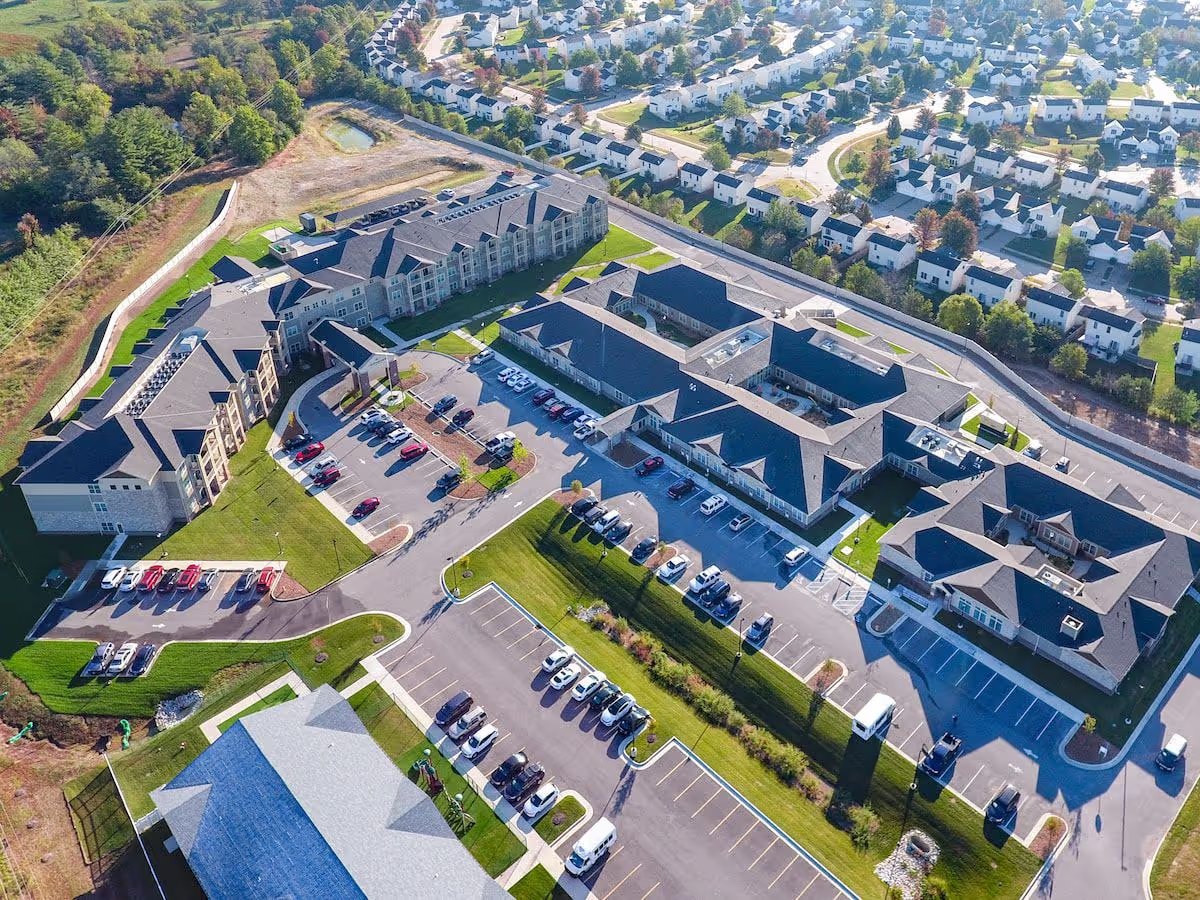
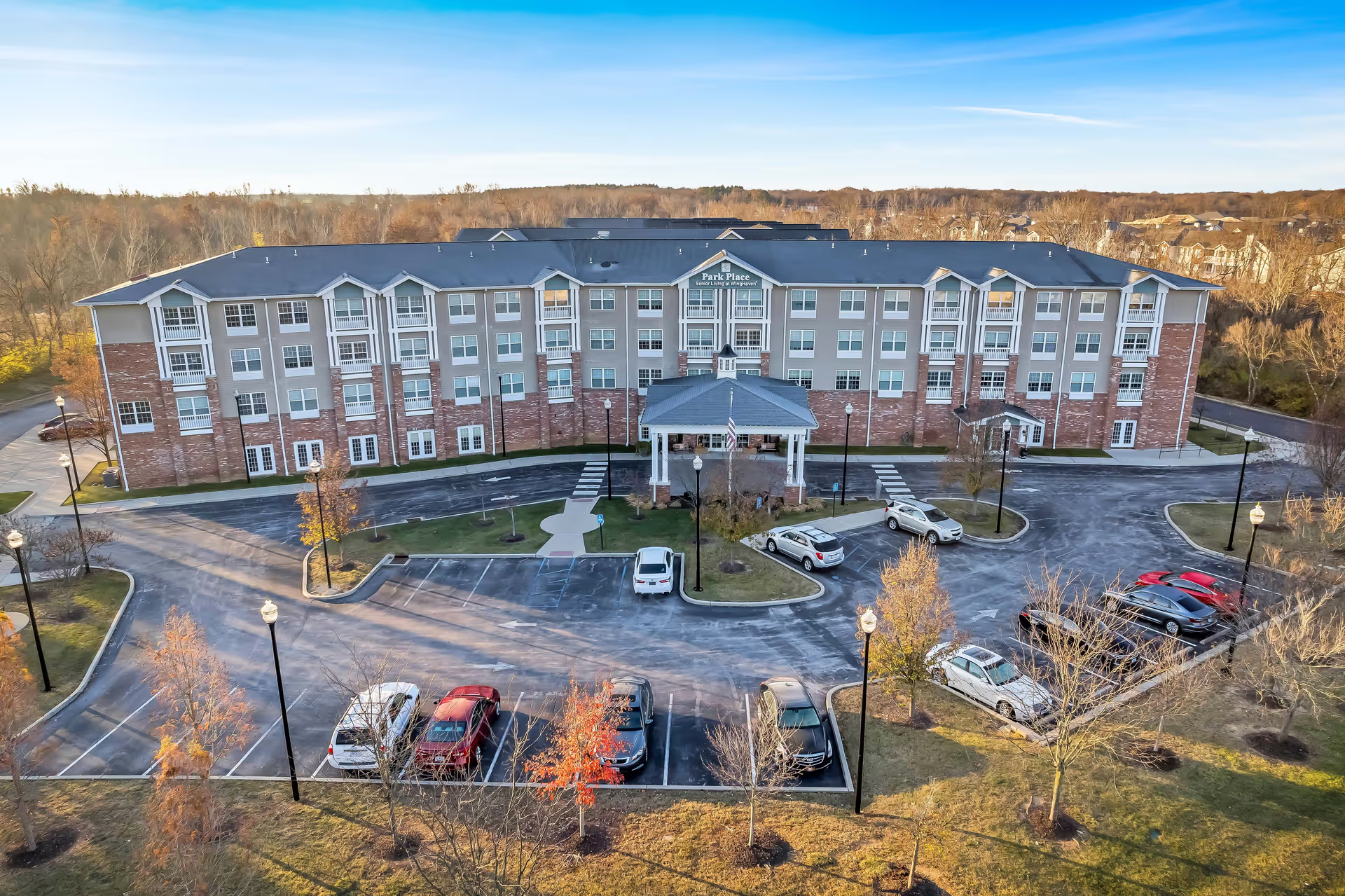
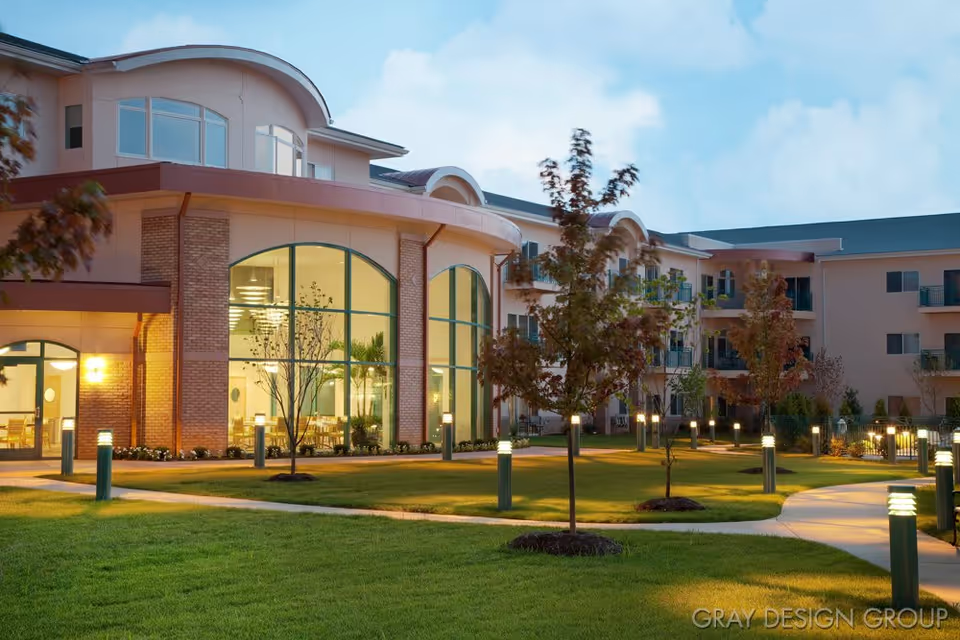
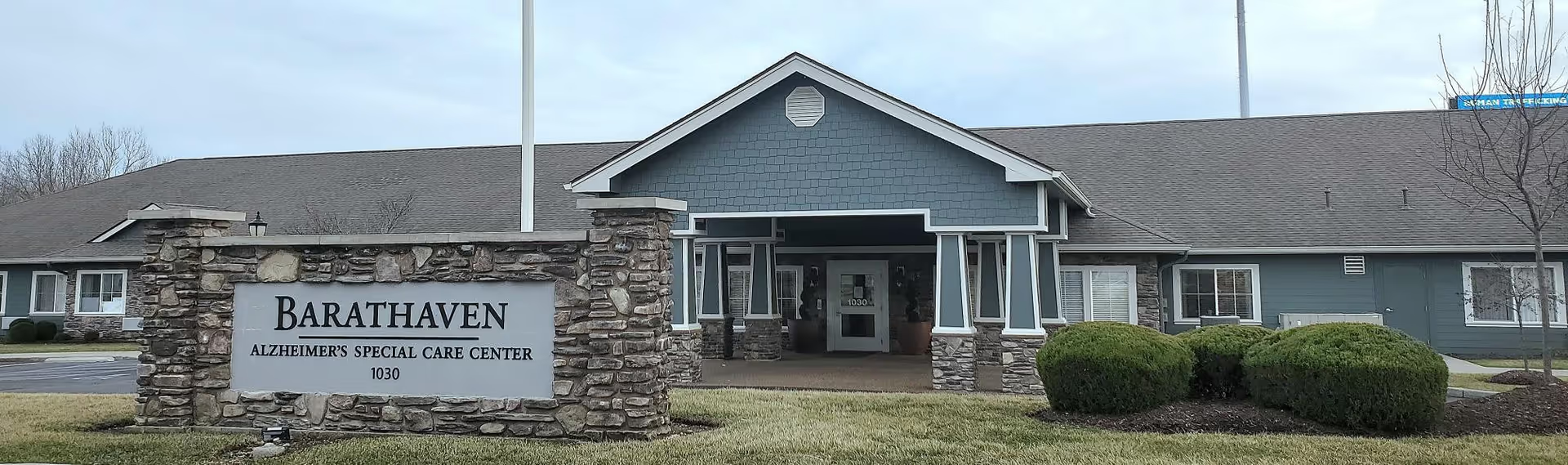
Facility condition and operations are uneven. The building is described as dated in many accounts, with deferred maintenance, broken or worn furniture, and parking/visitor-area shortcomings. Some reviewers expressed sanitation and odor concerns in specific areas and mentioned pest-control issues. Conversely, other visitors reported parts of the facility as clean and odor-free. Activity programming was described as limited—especially during infection-control events—and several families would like more engagement options for residents.
Dining received mostly favorable comments about food quality, but reviewers also described dietary-staffing gaps that resulted in late or inconsistent meal service. Admissions and Medicaid processing were a practical concern for a subset of families; clarify timing and documentation expectations before placement. Safety and equipment maintenance issues were raised by multiple reviewers and should be explored directly with facility administration.
Notable patterns: experiences appear polarized—some families describe exemplary, compassionate care and effective hospice support, while others describe systemic operational weaknesses tied to staffing, leadership, and facility maintenance. When evaluating this facility, prospective residents and families should schedule extended visits across different shifts, request current staffing ratios and turnover data, review recent state inspection reports, ask about infection-control and pest-management practices, and confirm the facility’s procedures for family communication and escalation of concerns.