Overall impression: The facility presents as a small, home-style community with notable strengths in direct caregiving and a personalized approach to resident needs. Many accounts highlight long-tenured, compassionate staff, a favorable caregiver-to-resident mix, and staff willingness to make individualized accommodations (for example, dietary adjustments and assistance with grooming). The community-scale setting and engaged activity director support social opportunities such as bingo, Pictionary, adult coloring, walks and occasional outings, and several families cited a comfortable, noninstitutional atmosphere and reasonably priced care.
Care and staff: Reviewers consistently describe caring, attentive staff and low turnover, which contributes to continuity of care and familiar relationships between caregivers and residents. Multiple staff members were named positively and families mentioned staff who go beyond basic duties to assist with resident comfort and preferences. Areas to probe during a tour include staffing levels at peak times and responsiveness in complex clinical situations: some accounts point to scheduling gaps, appointment no-shows, or variable communication from management that can affect family coordination and expectations.
Dining and services: Dining is frequently described positively—three meals per day with a homemade quality to the food and flexibility around specific dietary needs. On-site personal services such as nail care are available. Cost is often cited as reasonable for the level of service provided. Prospective families should confirm menu variety, special-diet handling, and meal-service consistency during a visit.
Activities and social life: The small size supports individualized, one-on-one activities and a quieter community rhythm. Organized programming includes group games, crafts, walking, and planned outings; the activity director receives positive mention for engaging residents. However, the breadth and frequency of activities may be limited compared with larger facilities, so families should ask about typical weekly schedules and outing frequency if robust programming is a priority.
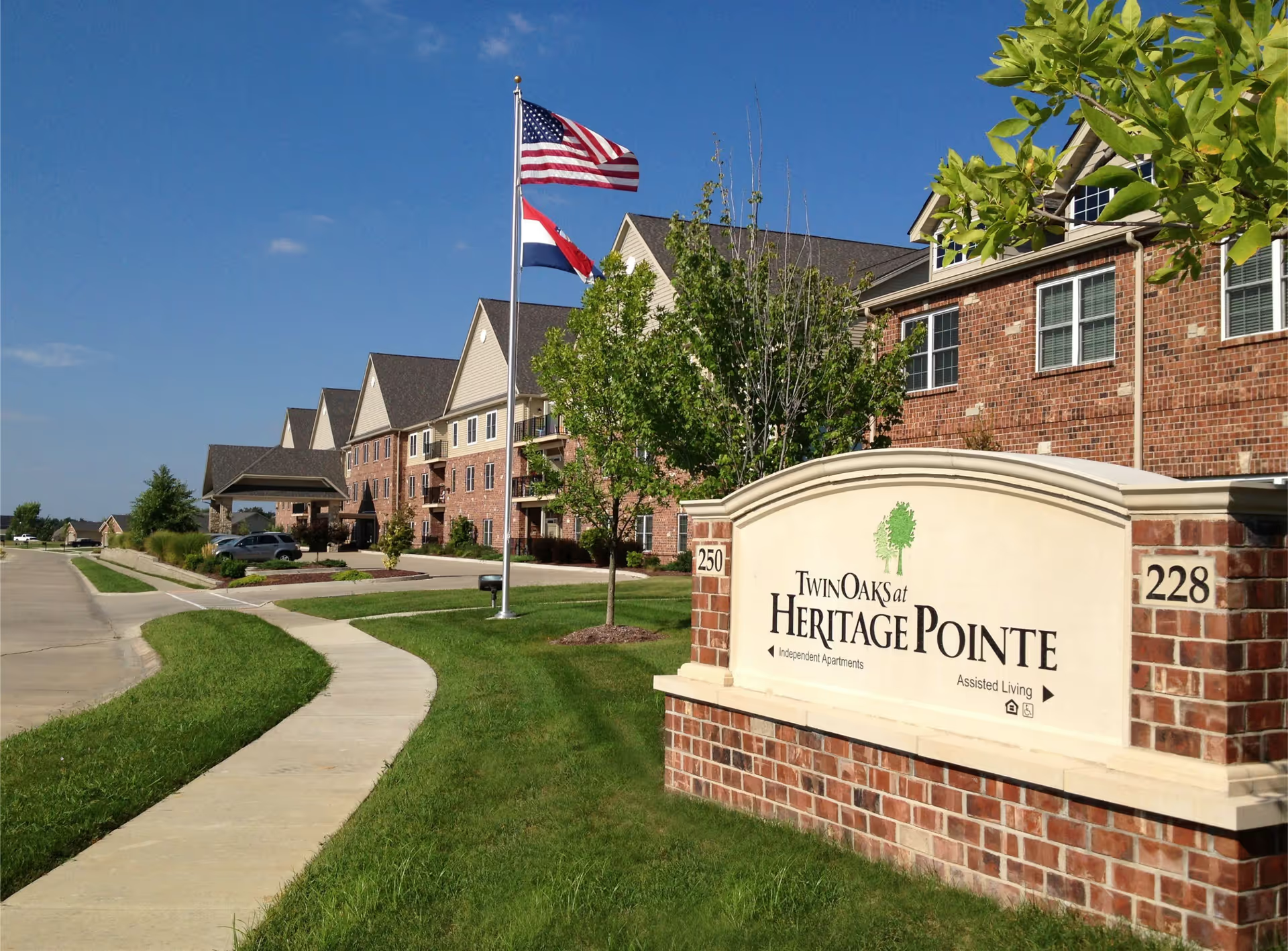
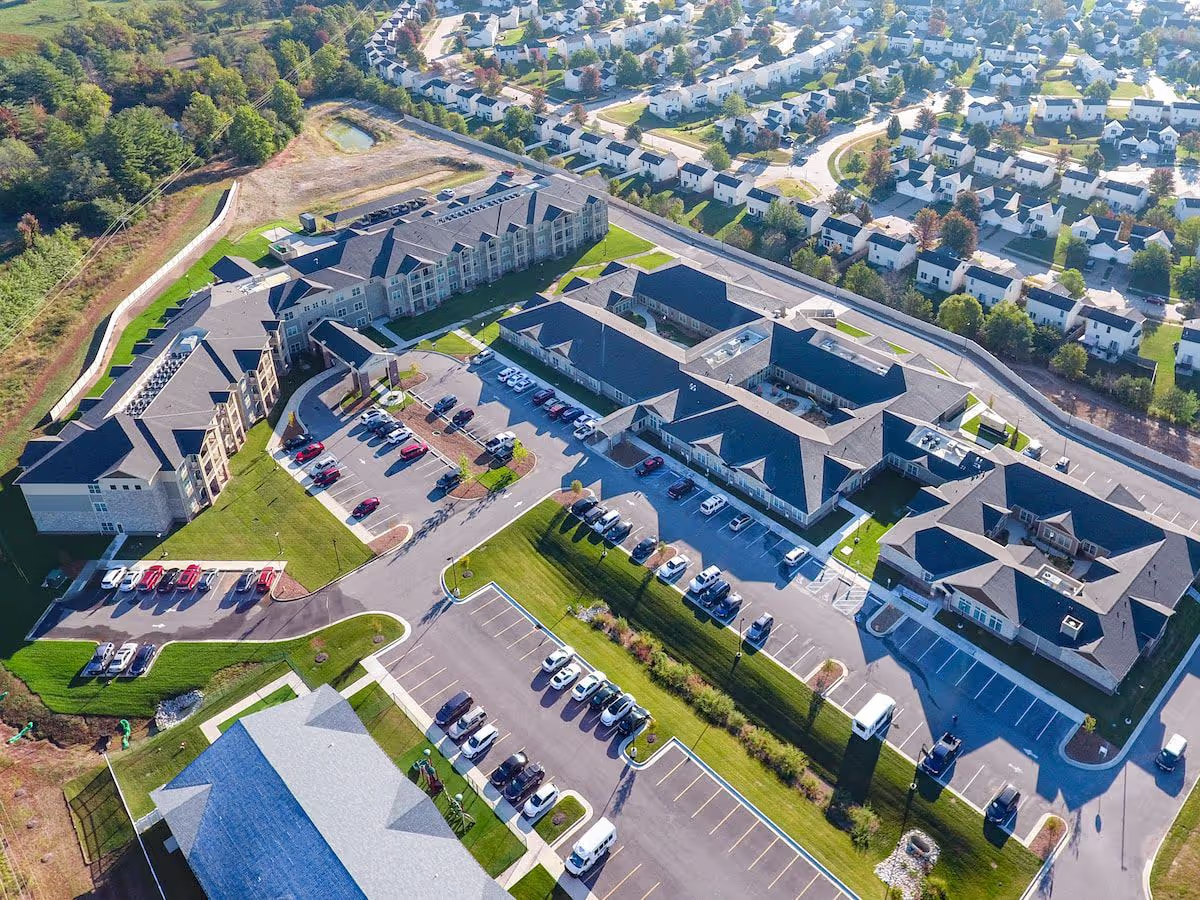
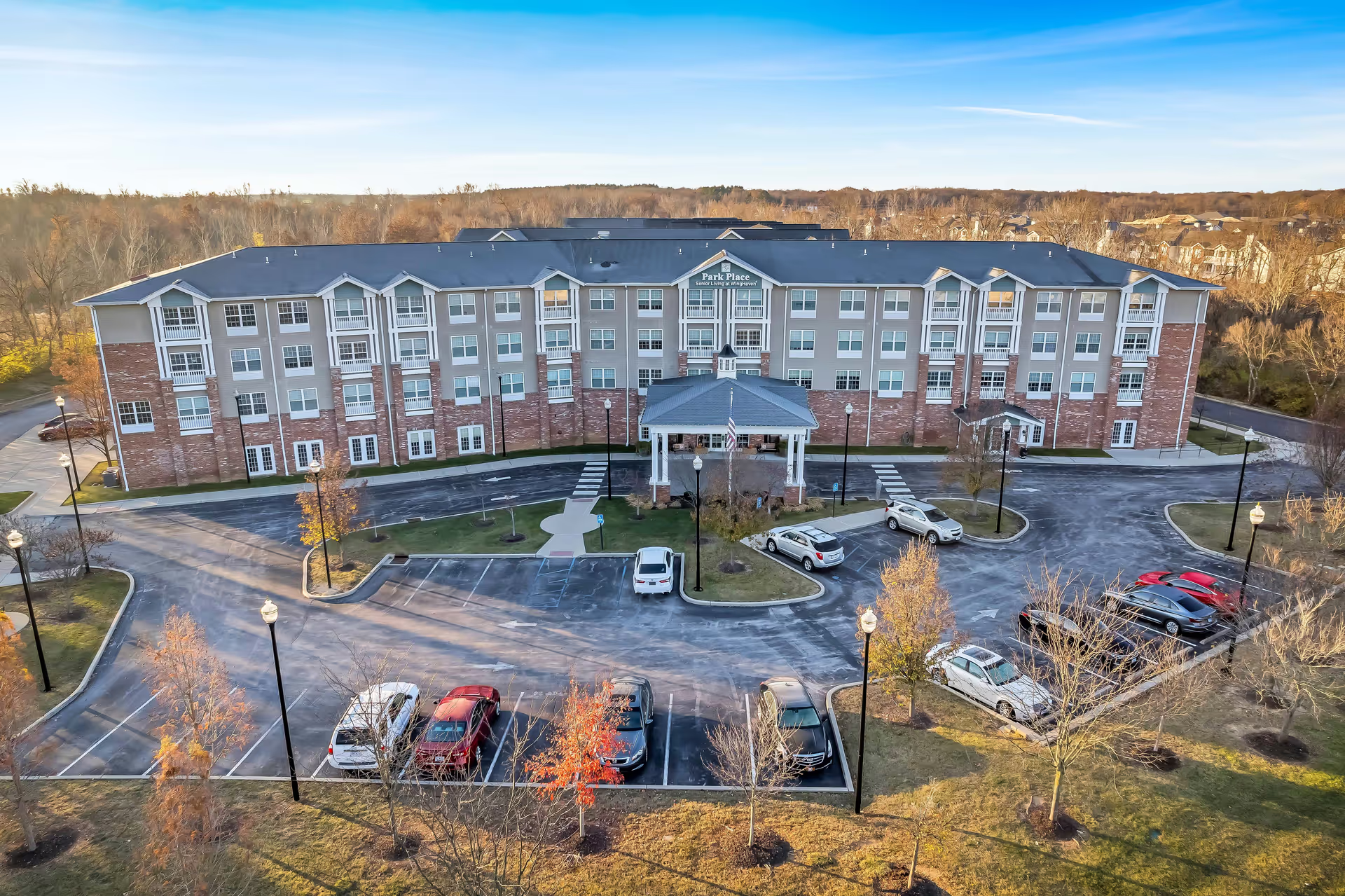
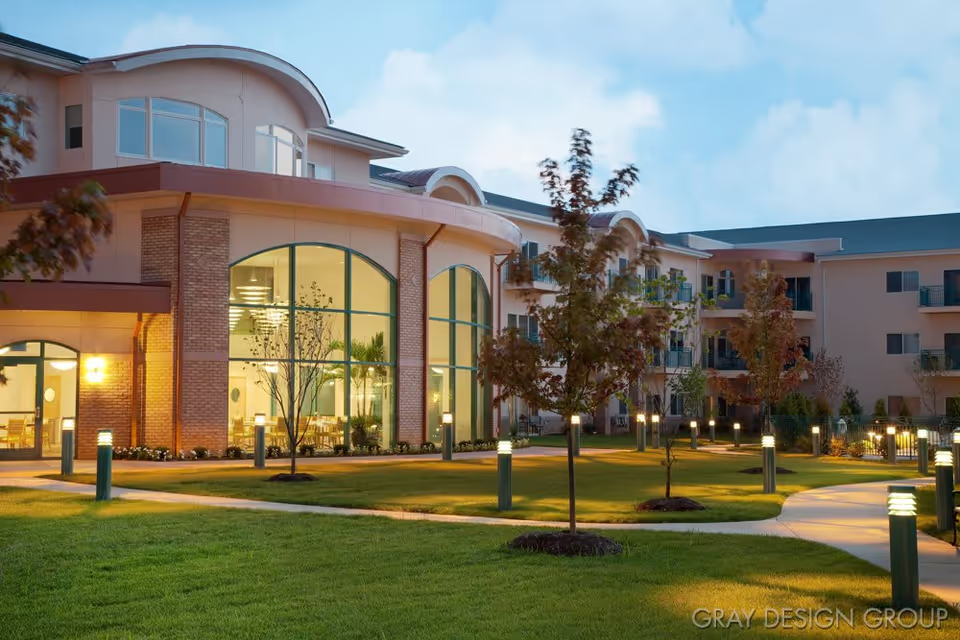
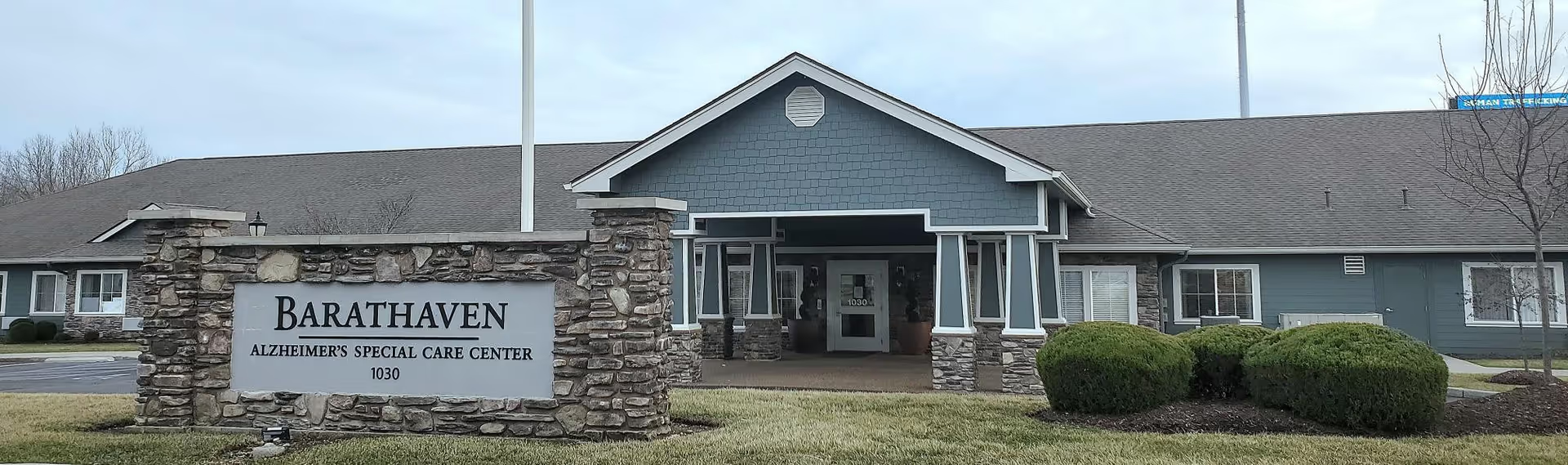
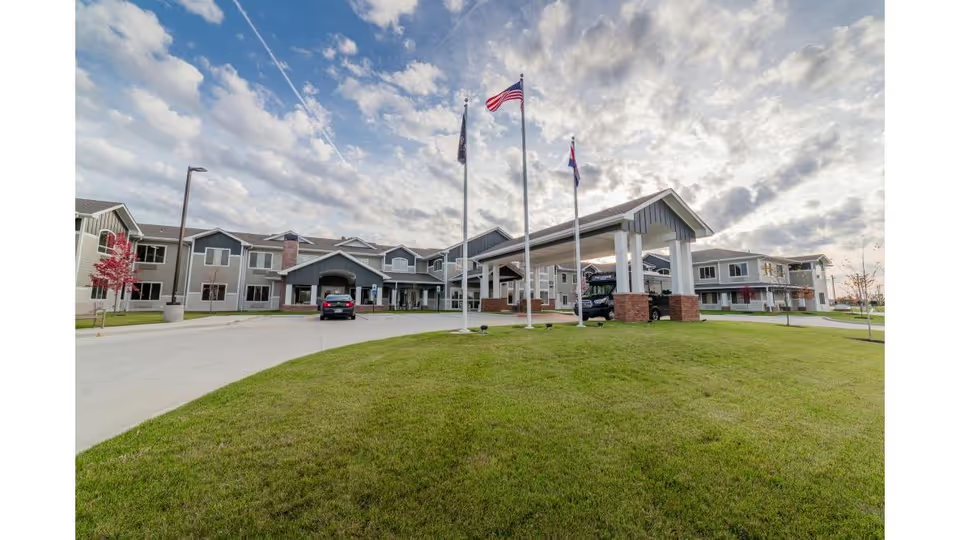
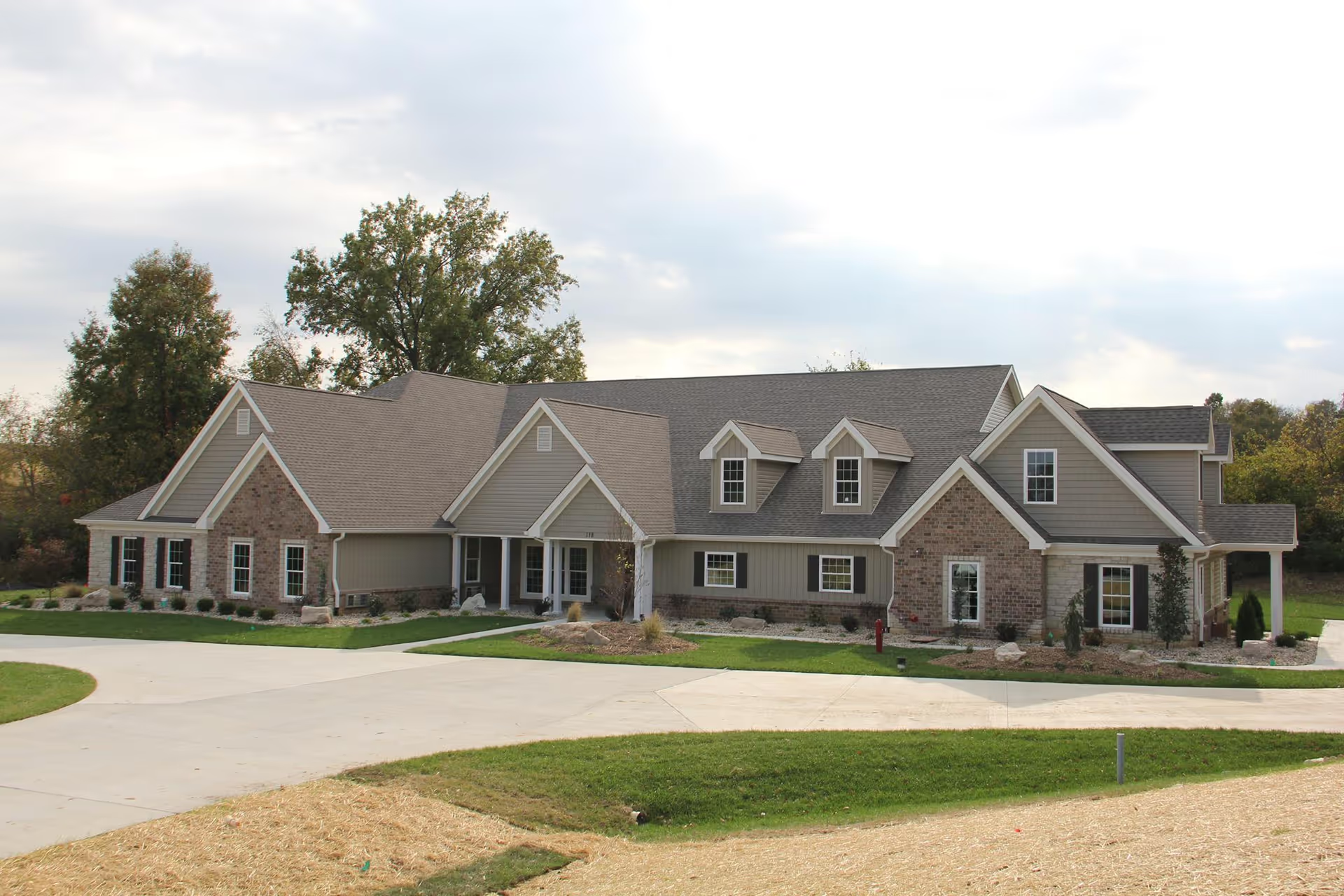
Facilities and safety: Physical characteristics are a mix of well-kept elements and clear signs of aging. Some reviewers describe tidy rooms, freshly redone floors, and spotless common areas; others report dated, dimly lit rooms, and sanitation or odor concerns. Room size and layout vary considerably—many rooms are shared and not all have en-suite bathrooms—while some larger private rooms with attached baths are available. Accessibility is limited in places; wheelchair access and overall floor plans should be assessed in person. Safety considerations include a secure buzzer entry and a fenced back patio, but the memory-care area lacks a full external perimeter fence in some accounts, creating potential wandering-safety risk. The property is also adjacent to a railroad, which may cause periodic noise exposure.
Management and patterns to verify: The facility tends to offer close, personalized care at a lower price point, but reviewers describe operational inconsistencies around maintenance, cleanliness, and administrative reliability (scheduling, communication, and visitation policies). Some families found staff exceptionally helpful and proactive; others experienced lapses in welcoming procedures or unclear visitation rules. Given the mixed descriptions, prospective residents should arrange multiple visits, inspect rooms and common areas at different times of day, ask about cleaning schedules and pest-control protocols, review staffing ratios and emergency procedures, clarify visitation and memory-care perimeter policies, and confirm accommodation availability and accessibility before deciding.