Reviews of BeeHive Homes of Missoula present a mixed but coherent picture: many families describe a warm, home-like environment with staff who treat residents like family, while other accounts raise operational concerns that prospective families should evaluate closely.
Care quality is discussed in both positive and negative terms. Numerous families credit staff with compassionate, attentive care that supported cognitive and emotional improvement for some residents and facilitated a smooth transition to hospice when needed. Conversely, several reviewers raised concerns about the facility’s ability to meet higher-acuity needs—particularly dementia-specific care—and noted issues such as missed meals, weight loss, and gaps in bathing and incontinence-related care. There are also recurring concerns about medication management and monitoring that families should inquire about directly.
Staff and management receive mixed evaluations. Many comments praise long-tenured caregivers, a low-turnover culture, hands-on management, and owners who are visible and responsive. These strengths correlate with accounts of individualized attention, frequent outings, and staff who go beyond basic duties. At the same time, reviewers described inconsistent responsiveness at times (including delays in notification after clinical events) and cited concerns about professionalism and hiring practices; a few reviewers raised allegations of serious staff misconduct, which prospective families should investigate with facility leadership and regulators if appropriate.
Dining and activities are frequently cited as strengths. The facility is described as serving home-cooked, nutritious meals in a communal dining setting with menu updates over time. Families also report structured activities, weekly musical and faith-based programs, holiday events, puzzle and craft areas, and regular outings to restaurants and the community. However, activity engagement can be variable for residents with greater clinical needs, and some families felt activity offerings were limited or inconsistent.
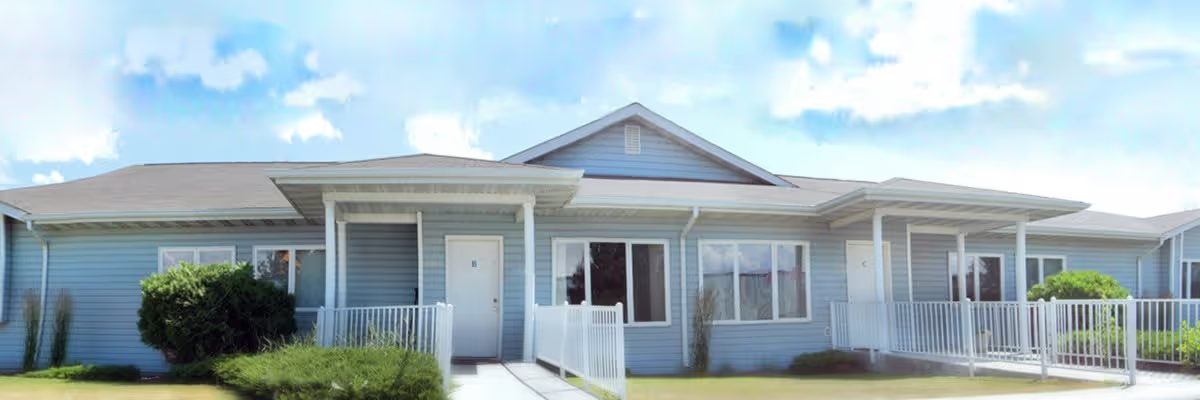
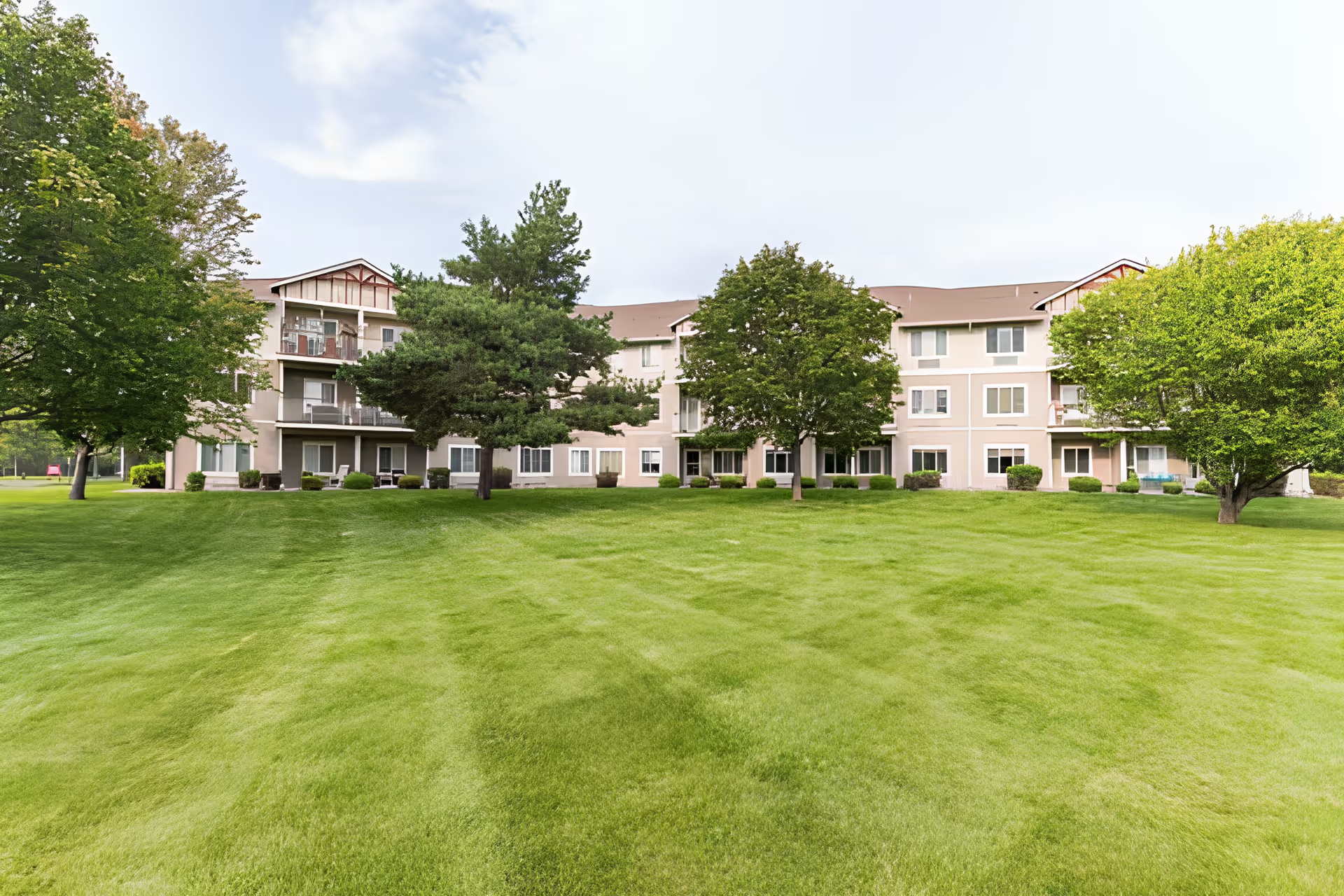
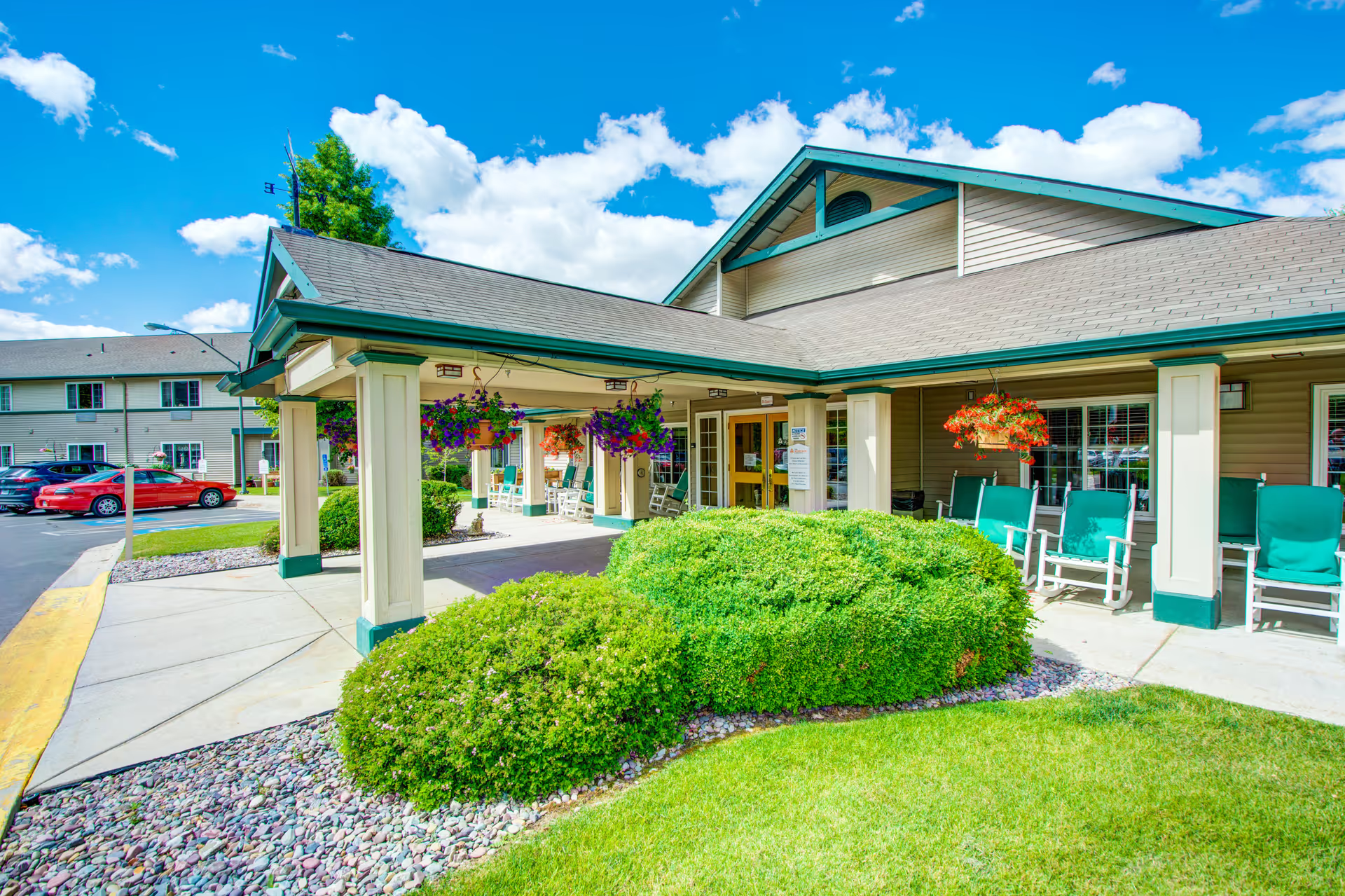
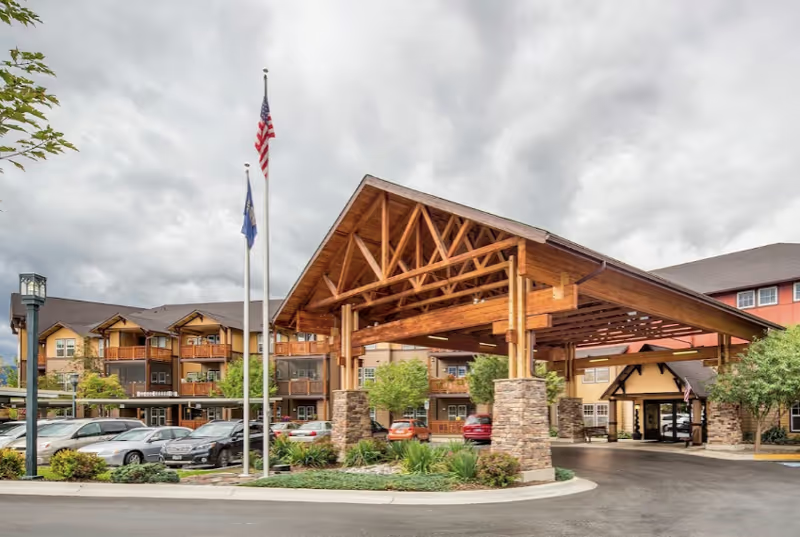
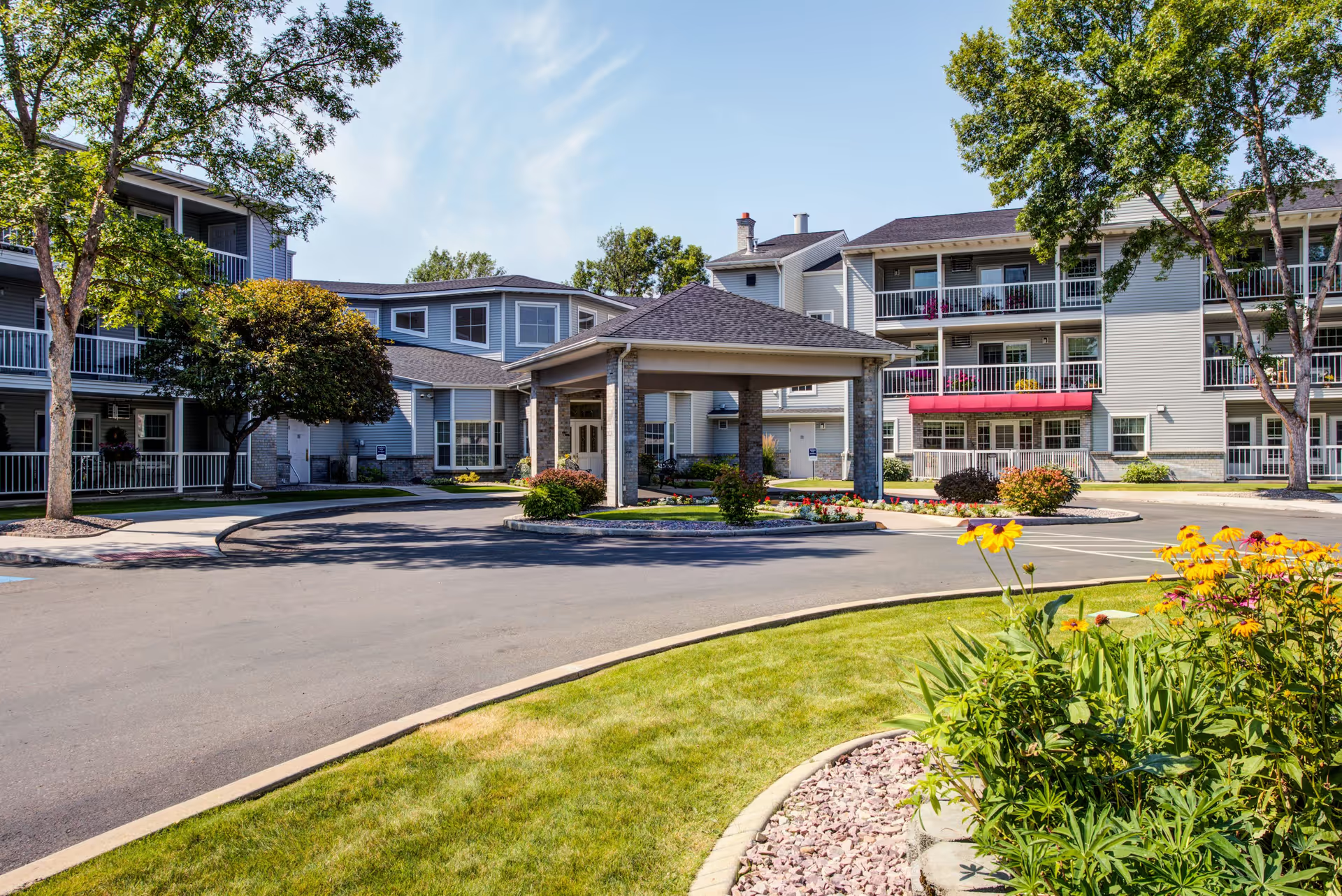
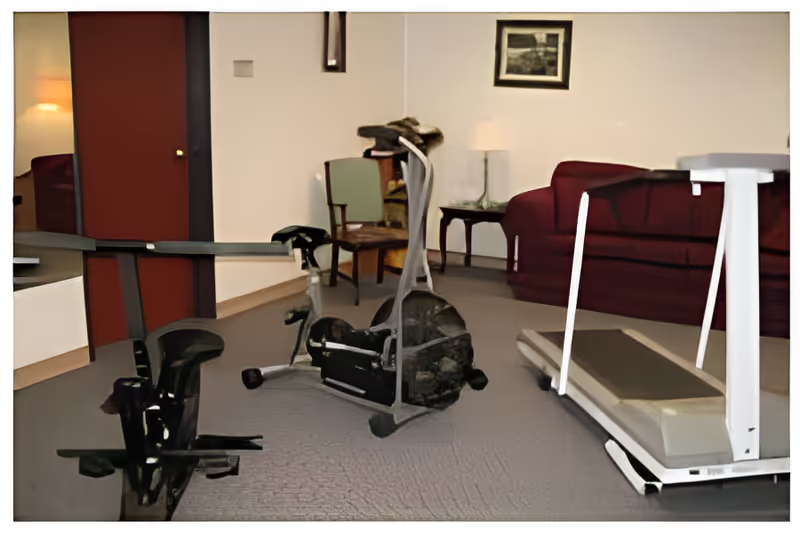
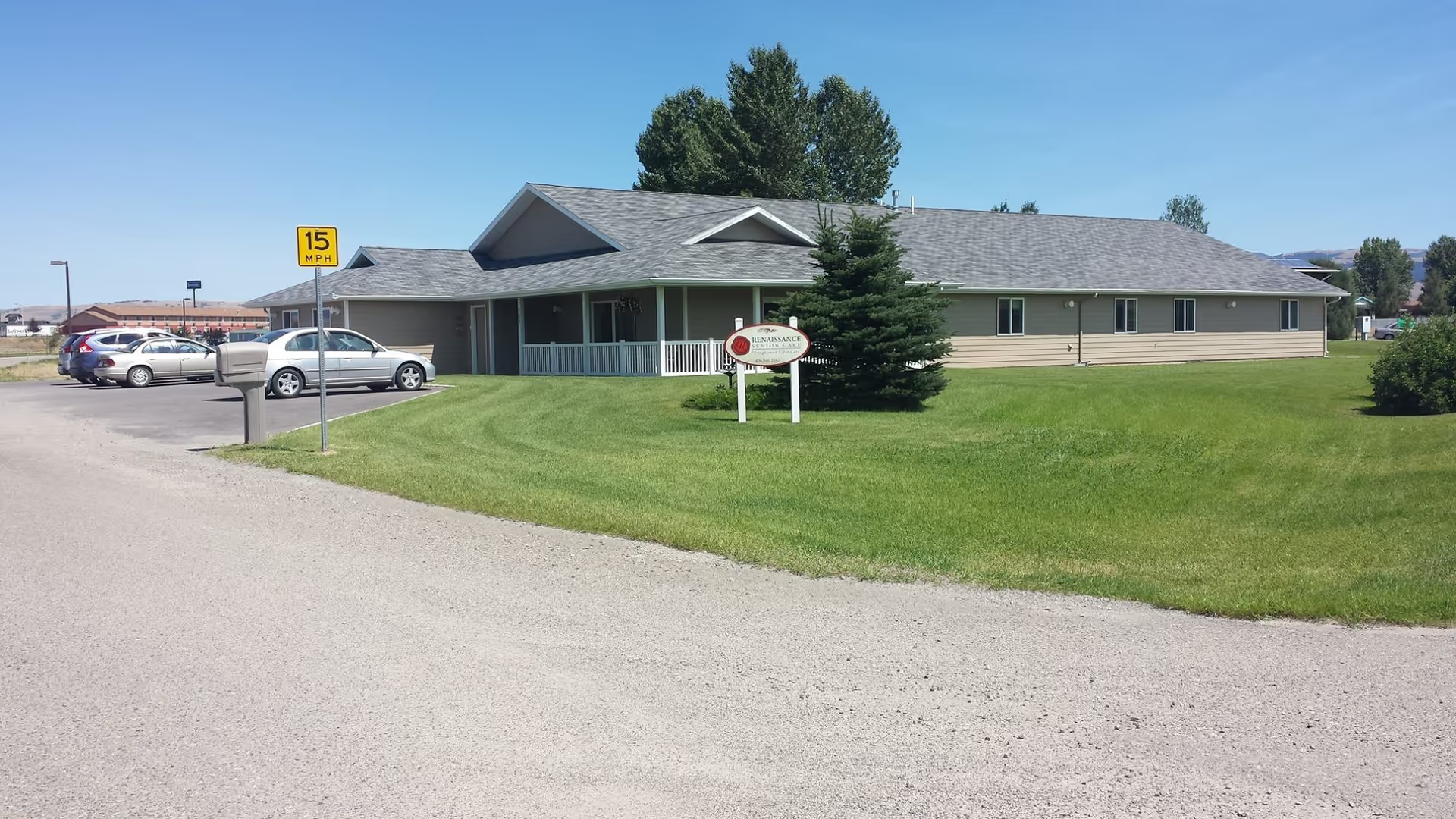
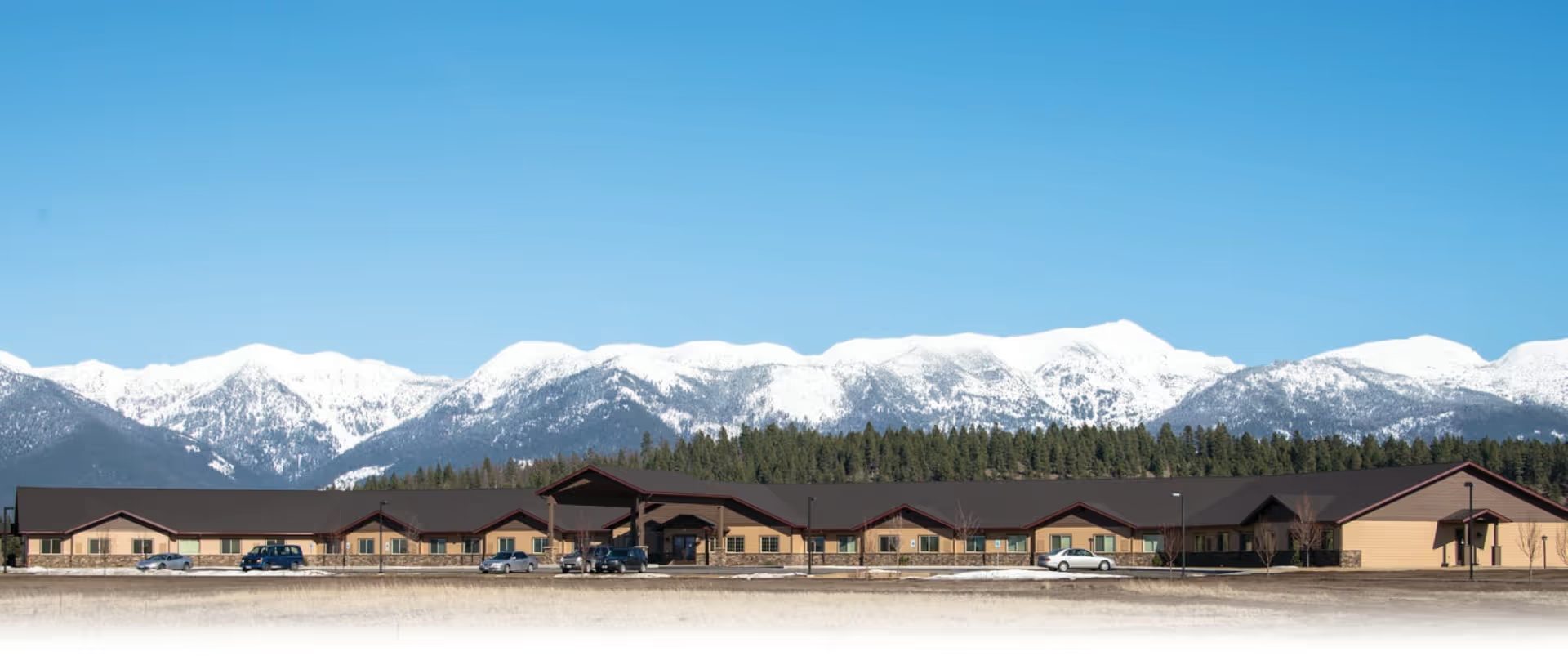
Facility features include private rooms with en-suite bathrooms, an open kitchen/dining area, large shared living spaces, gardens and walking paths, and a generally homelike aesthetic. Offsetting those positives are comments about environmental comfort (temperature control, ventilation, lighting) and occasional cleanliness or odor concerns in parts of the building. Prospective residents should assess individual rooms and common areas in person and ask about routine housekeeping and maintenance practices.
Notable patterns for prospective families to evaluate: 1) dementia-care programming and staff training for behavioral de-escalation, 2) medication-administration policies and monitoring, 3) staffing ratios and after-hours responsiveness, 4) clinical incident reporting and family communication protocols, and 5) hiring practices and background-check procedures. Given the polarized experiences, an in-person tour (including unannounced visits when possible), conversations with current family members, and direct questions about the items above will help determine whether this facility matches a specific resident’s clinical and social needs.