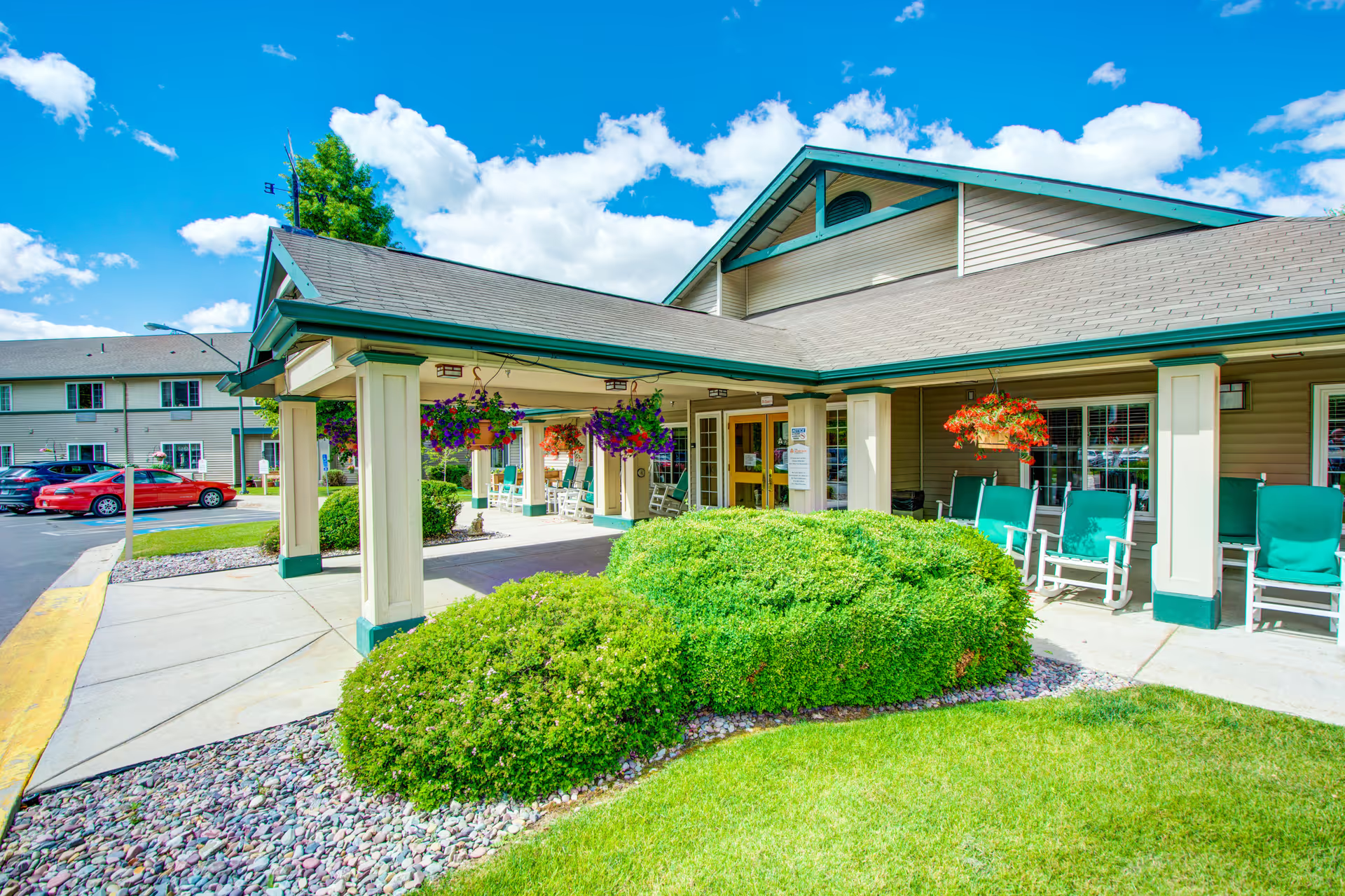
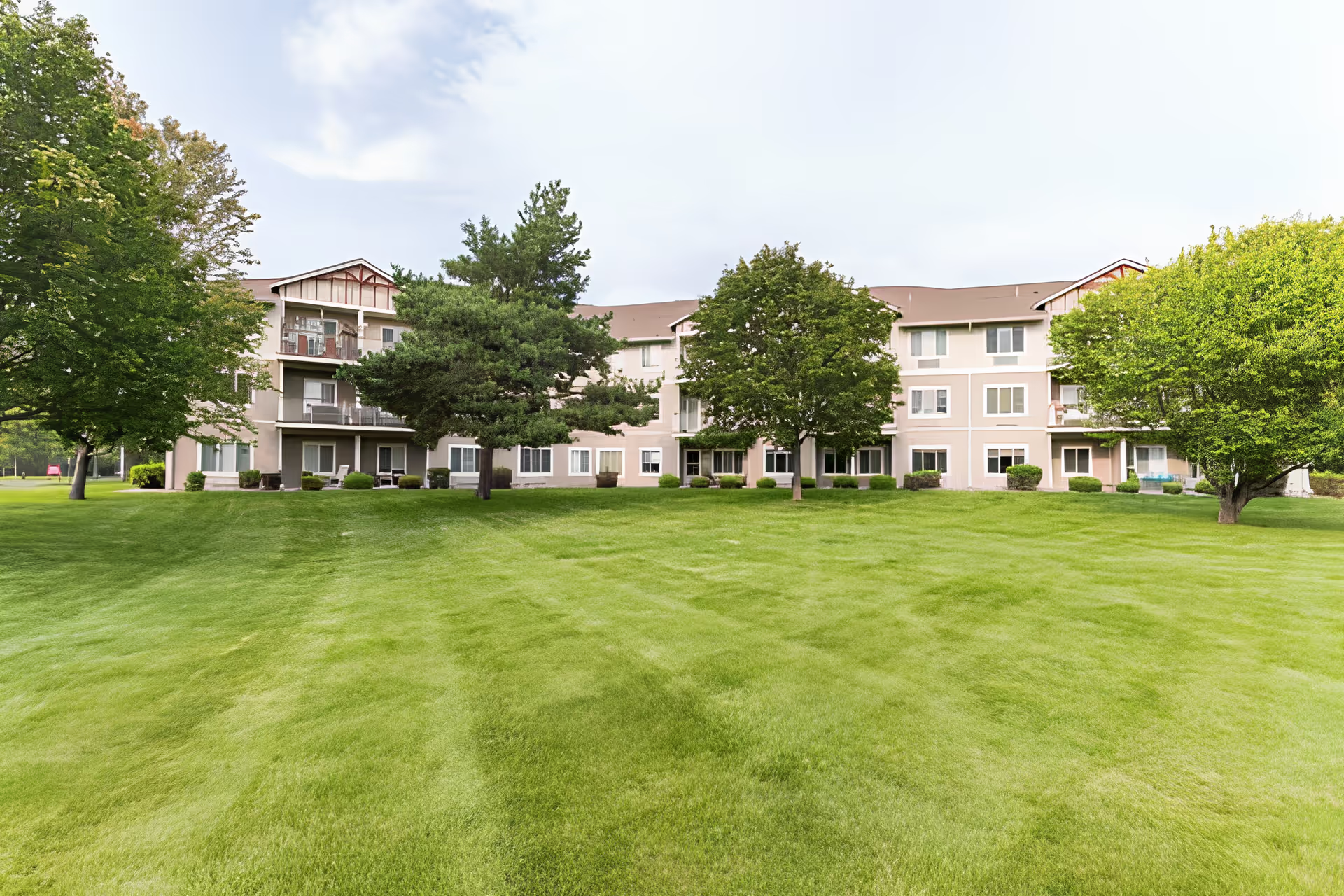
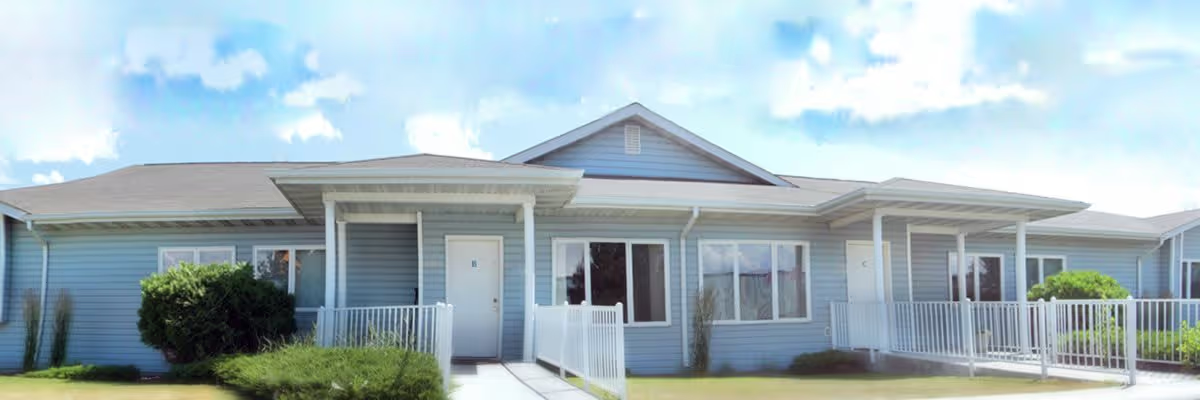
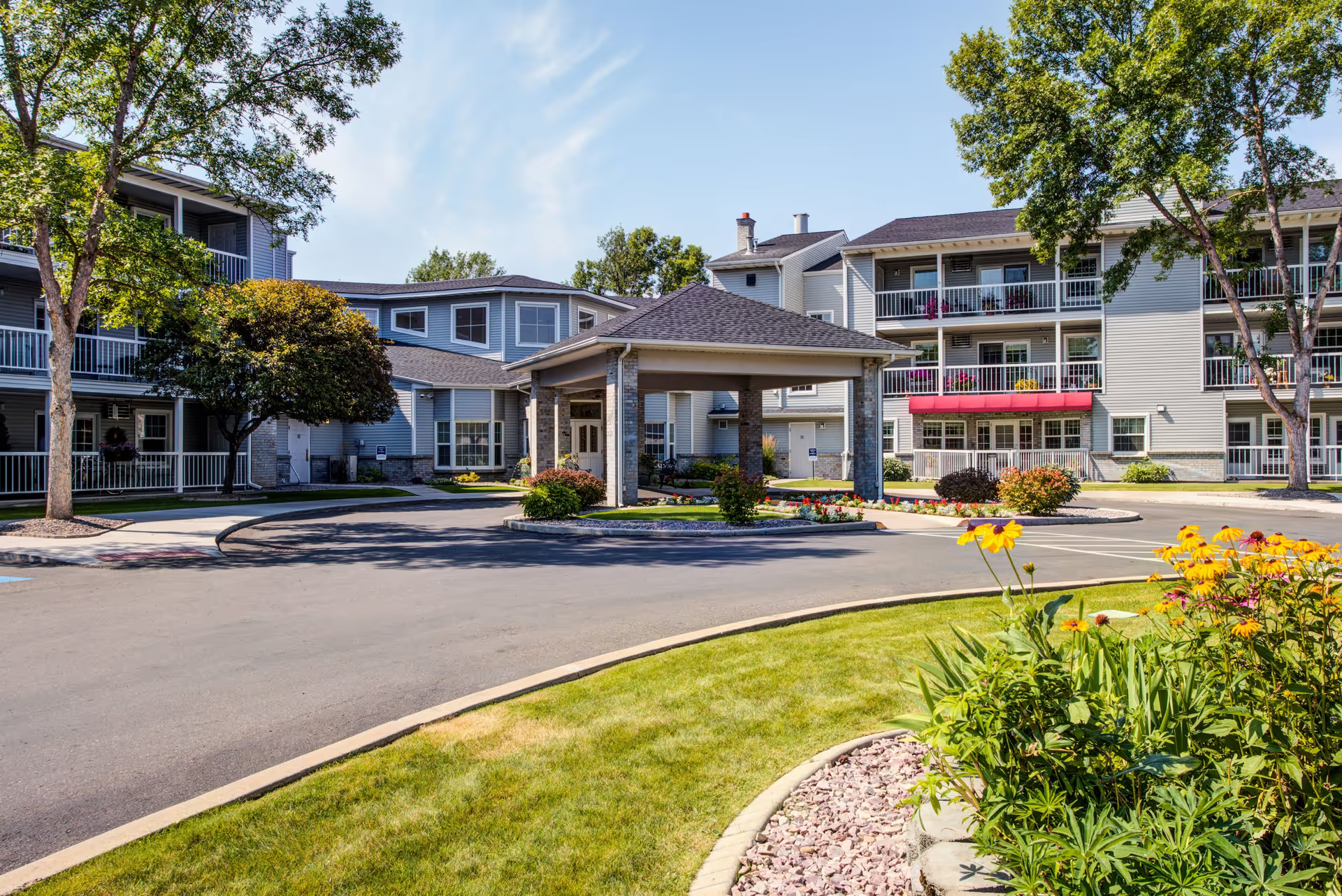
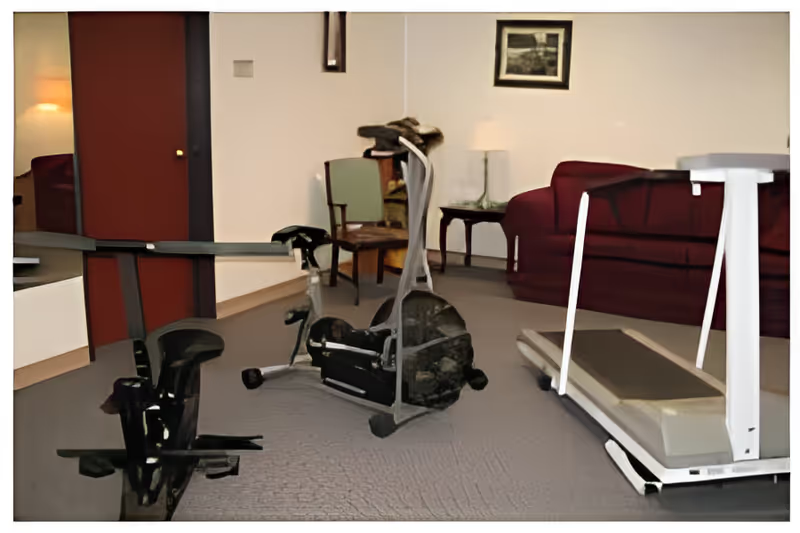
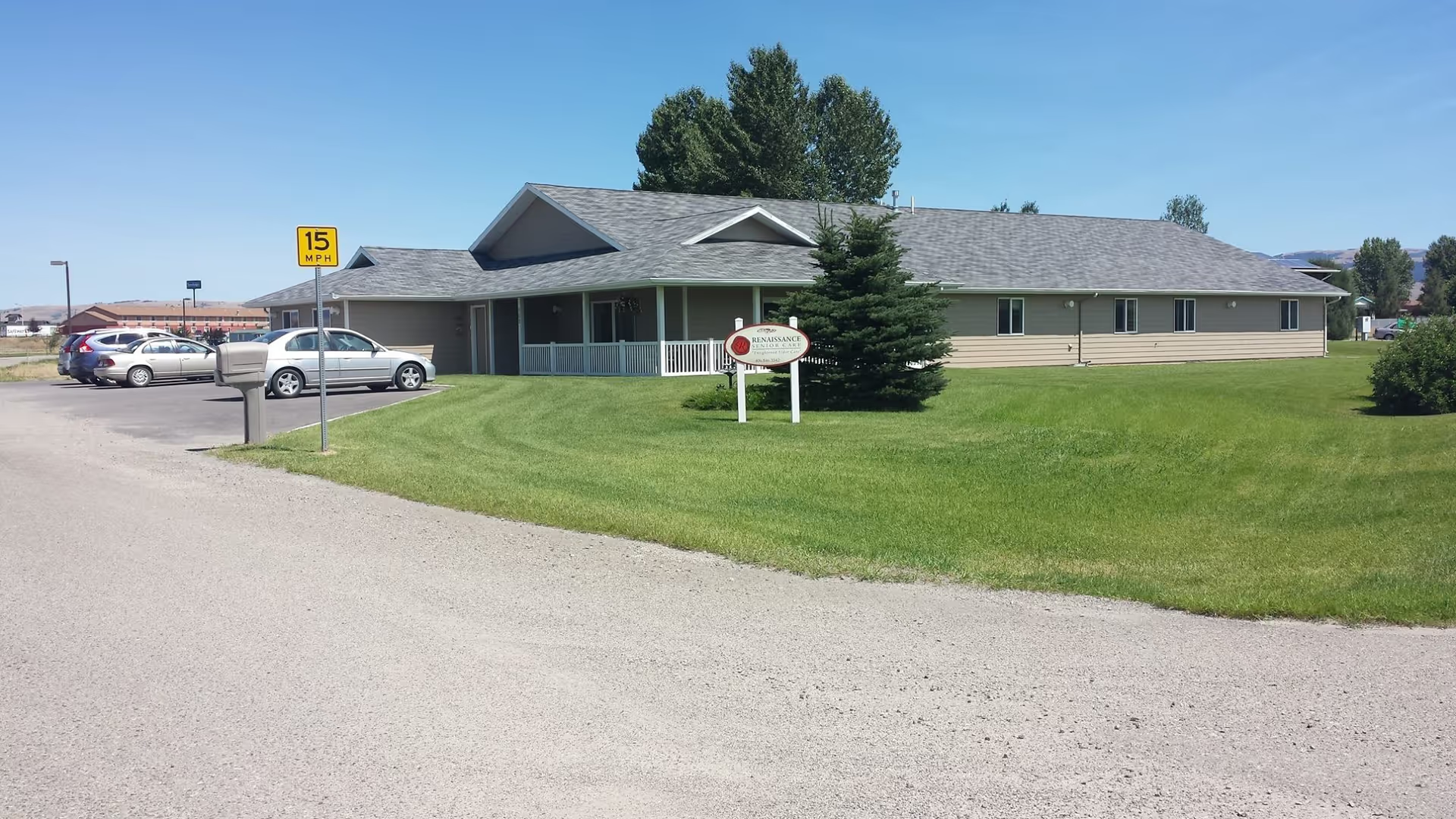
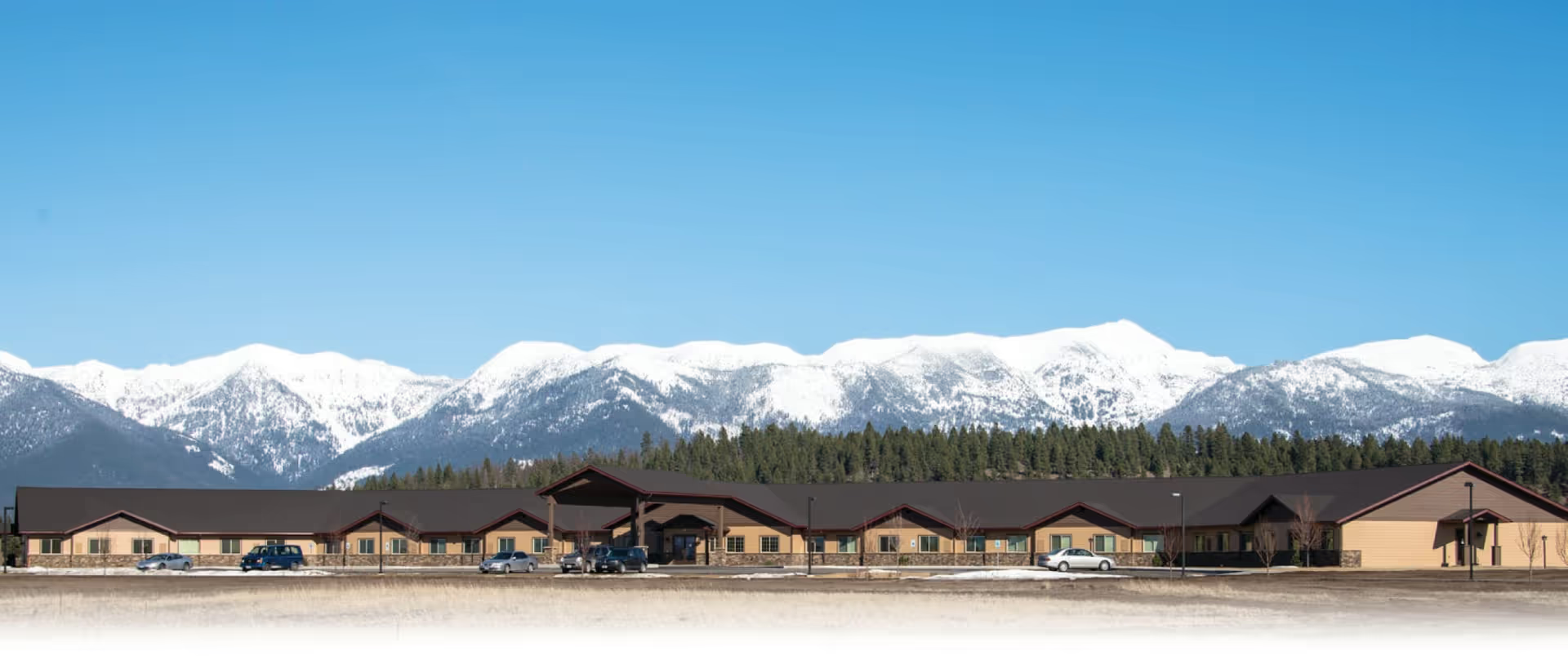
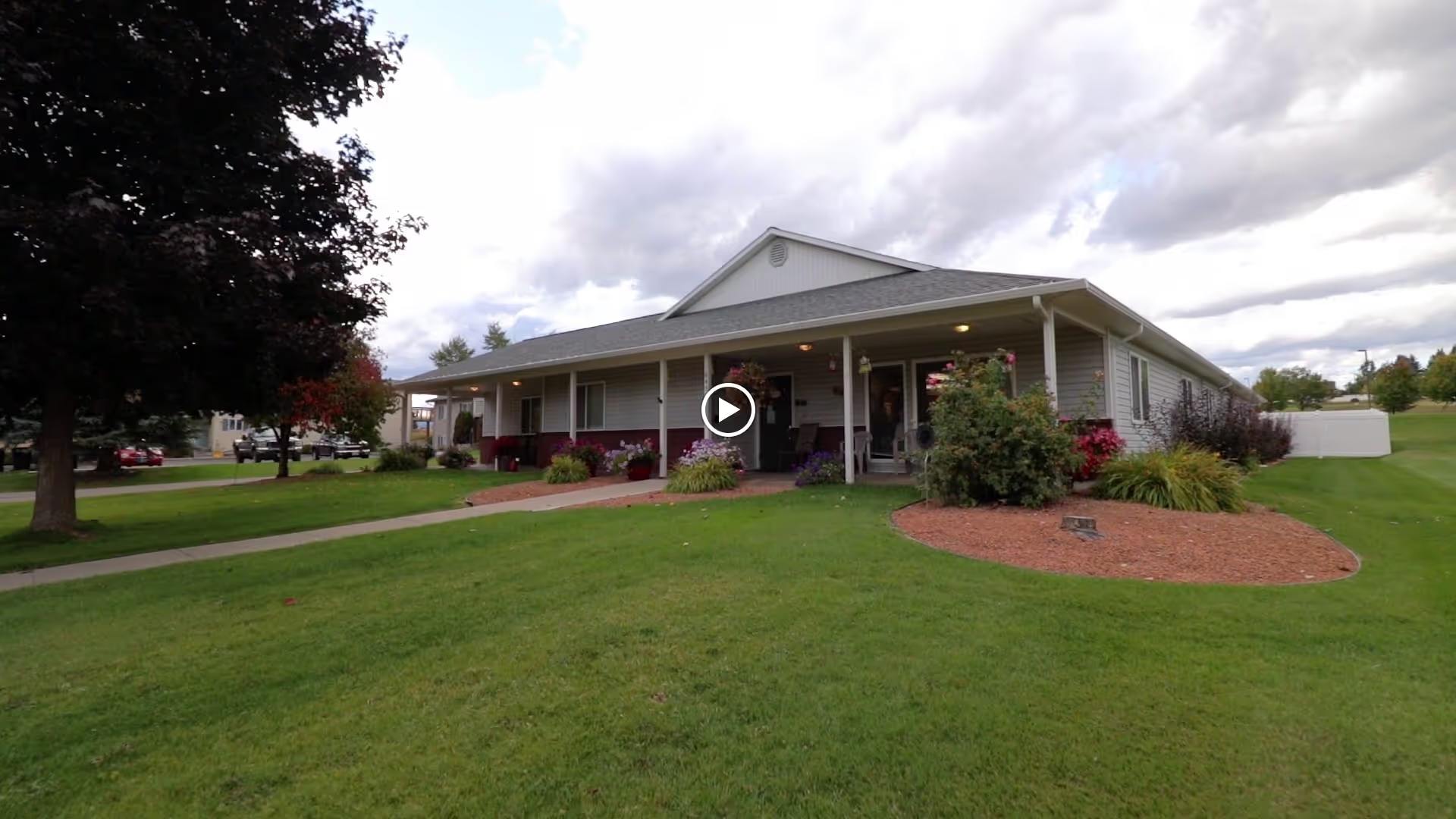
The Springs at Missoula presents as a high-end, well-appointed senior community with strong amenities and an active social program. Many families and visitors highlight attractive, lodge-style interiors, clean common spaces, a pleasant courtyard and putting green, and a variety of apartment formats including full kitchens in most units. The community supports multiple care levels—independent living, assisted living, and a distinct memory-care neighborhood—which is physically secured with coded doors and a fenced outdoor area. On-site services such as physical therapy, a fitness room, hair salon, and restaurant-style dining are commonly cited as strengths.
Activity offerings are a consistent positive: reviewers describe a packed, varied calendar that includes art groups, board games, bridge, exercise, religious services, outings, and other social opportunities. Memory-care programming is frequently noted as active and focused on engagement; families appreciated individualized activities like reading and one-on-one attention. Dining is often praised for quality and presentation, with several mentions of an excellent chef and home-style meal offerings, although there are occasional comments about difficulty accommodating specific dietary preferences.
Care and staff performance receive mixed assessments. Numerous accounts describe compassionate, attentive caregivers and staff members who go above and beyond, with individual staff singled out for praise. Concurrently, there are substantial concerns about staff conduct, professionalism, and consistency. Some critiques point to gaps in training, uneven caregiving practices, and questions about medication-administration and resident-handling protocols. There are also mentions of sanitation or cleaning inconsistencies. Because several of the more serious claims involve individual incidents affecting resident safety and medication management, prospective families should seek direct answers on staff training, medication controls, incident-reporting procedures, and staffing ratios.
Management and organizational culture appear to be a recurring tension point. While some reviewers commend responsive leadership and a collaborative spirit, others describe perceived favoritism, uneven accountability, and personnel-management problems that affected employees and families. Operational-level issues noted include constrained dining seating/circulation that can require staff escorts, and premium pricing that may not align with all families’ expectations.
Overall, the facility combines upscale accommodations, substantial activity programming, and many positive caregiving experiences with a set of operational concerns centered on staff consistency, clinical oversight, and management responsiveness. For families considering placement, an in-person tour is recommended with focused questions about staffing levels, medication safety and training protocols, cleaning schedules, dietary accommodations, and how management addresses conduct or performance issues. These targeted inquiries will help clarify whether the facility’s strengths match the prospective resident’s needs and risk tolerances.