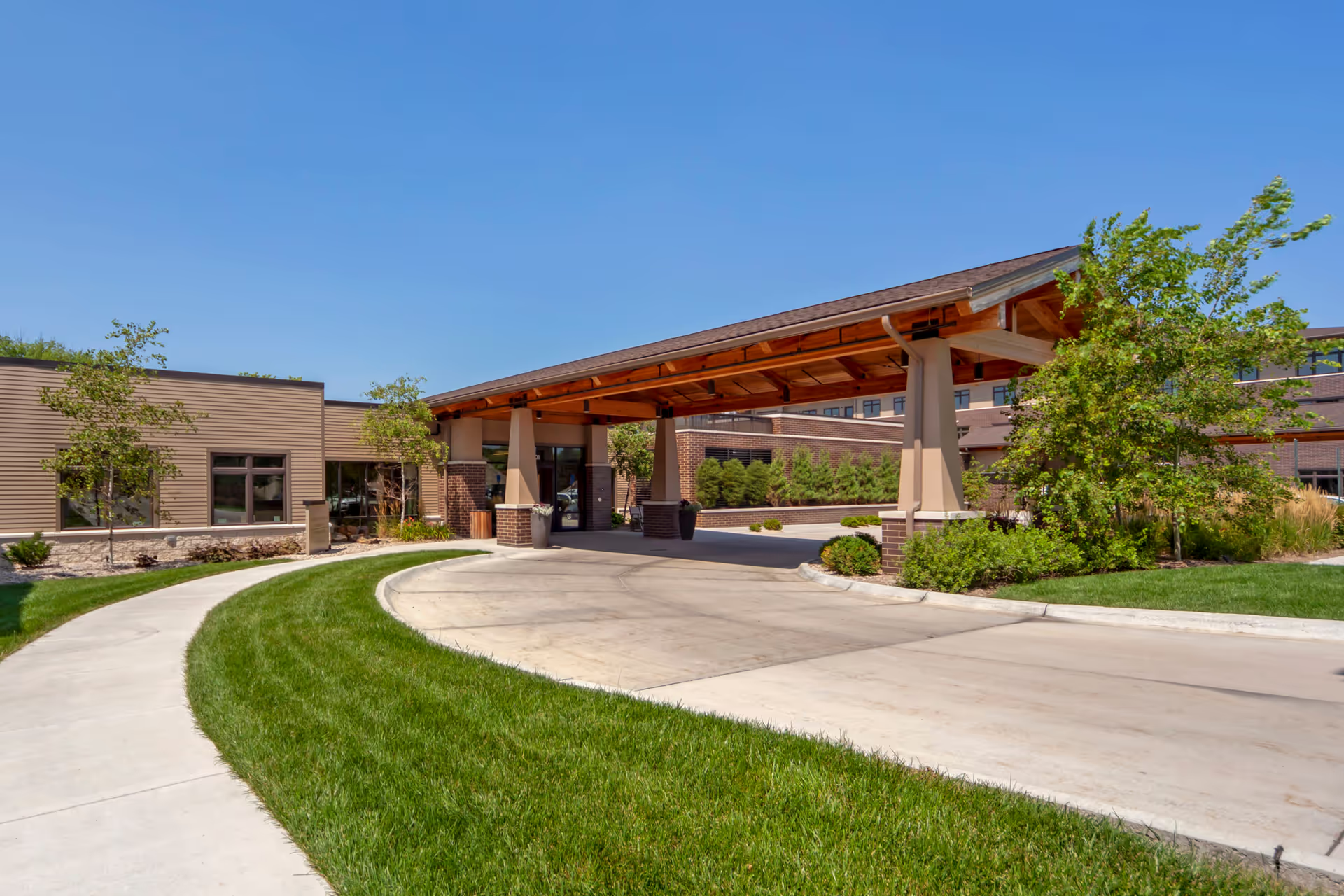
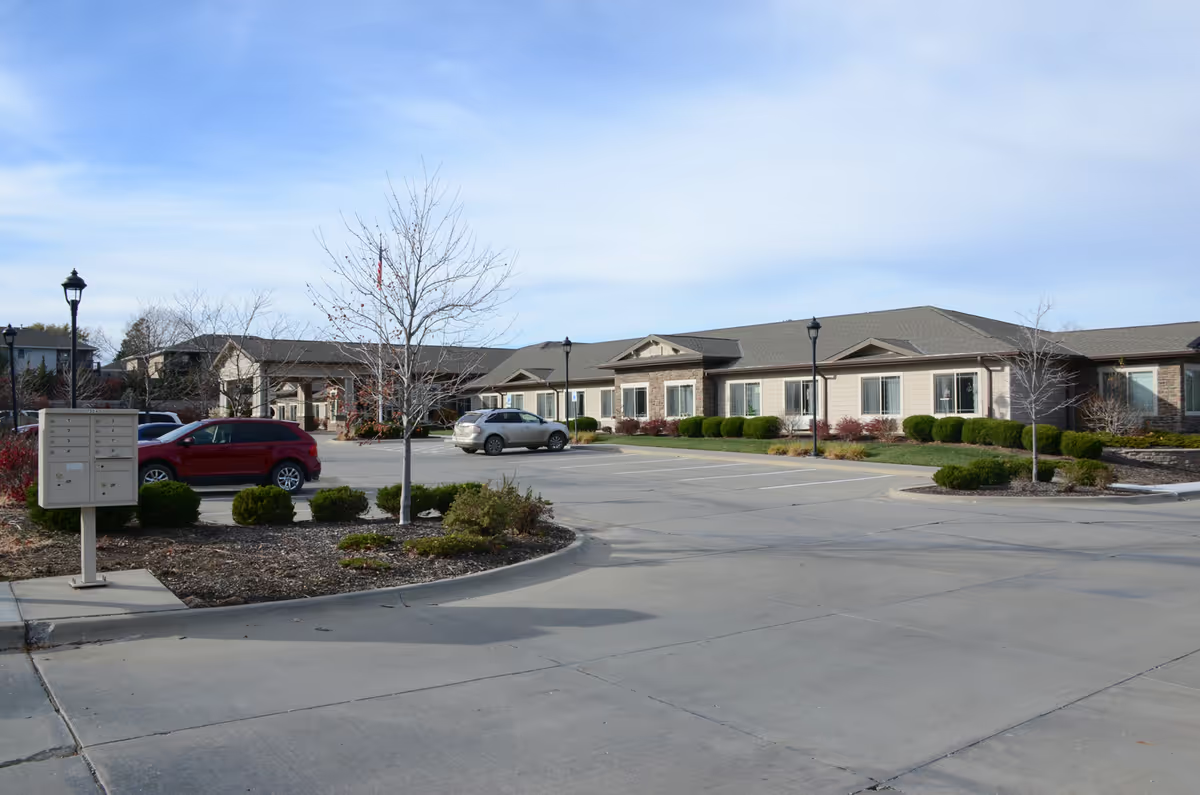
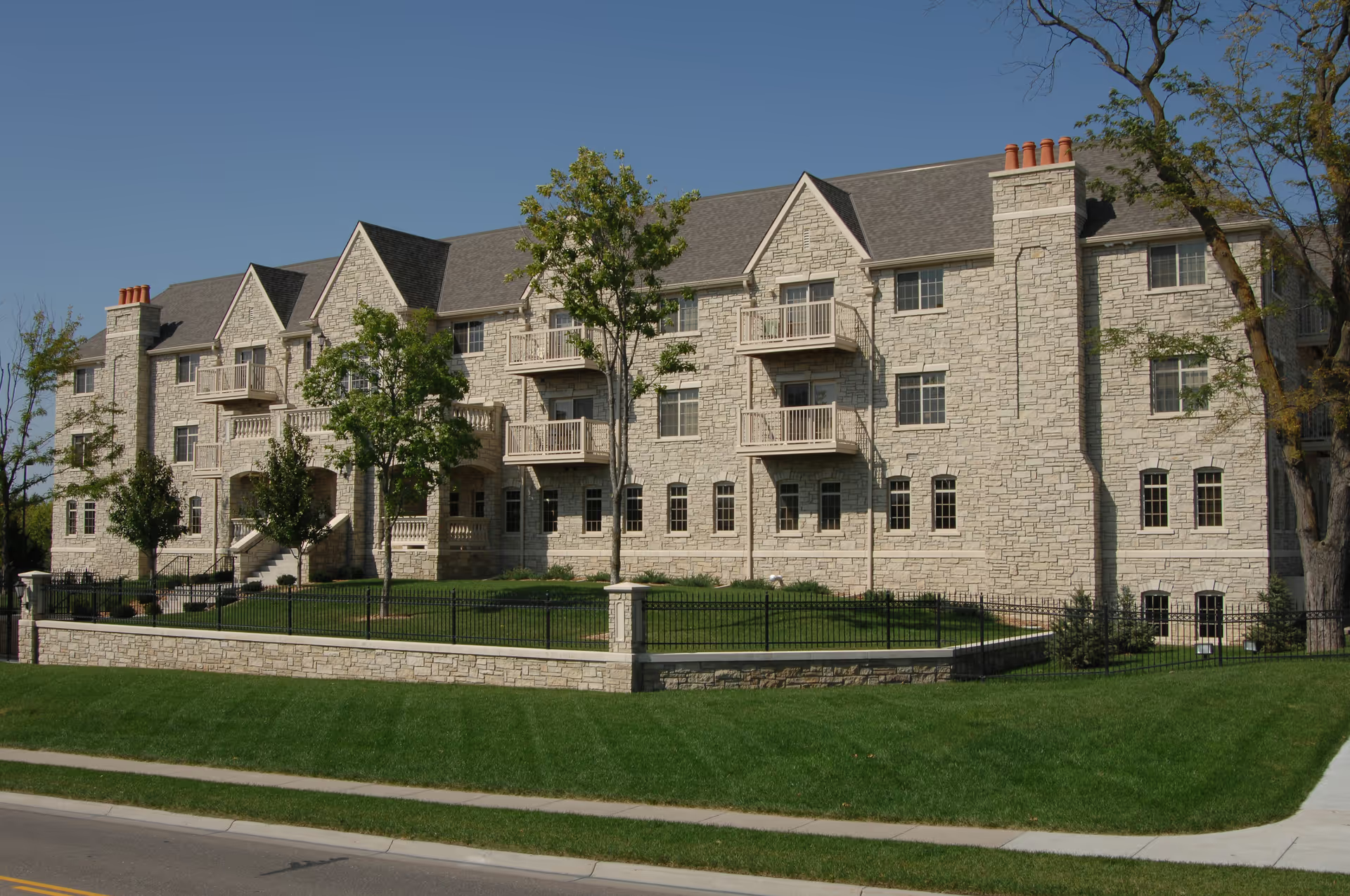
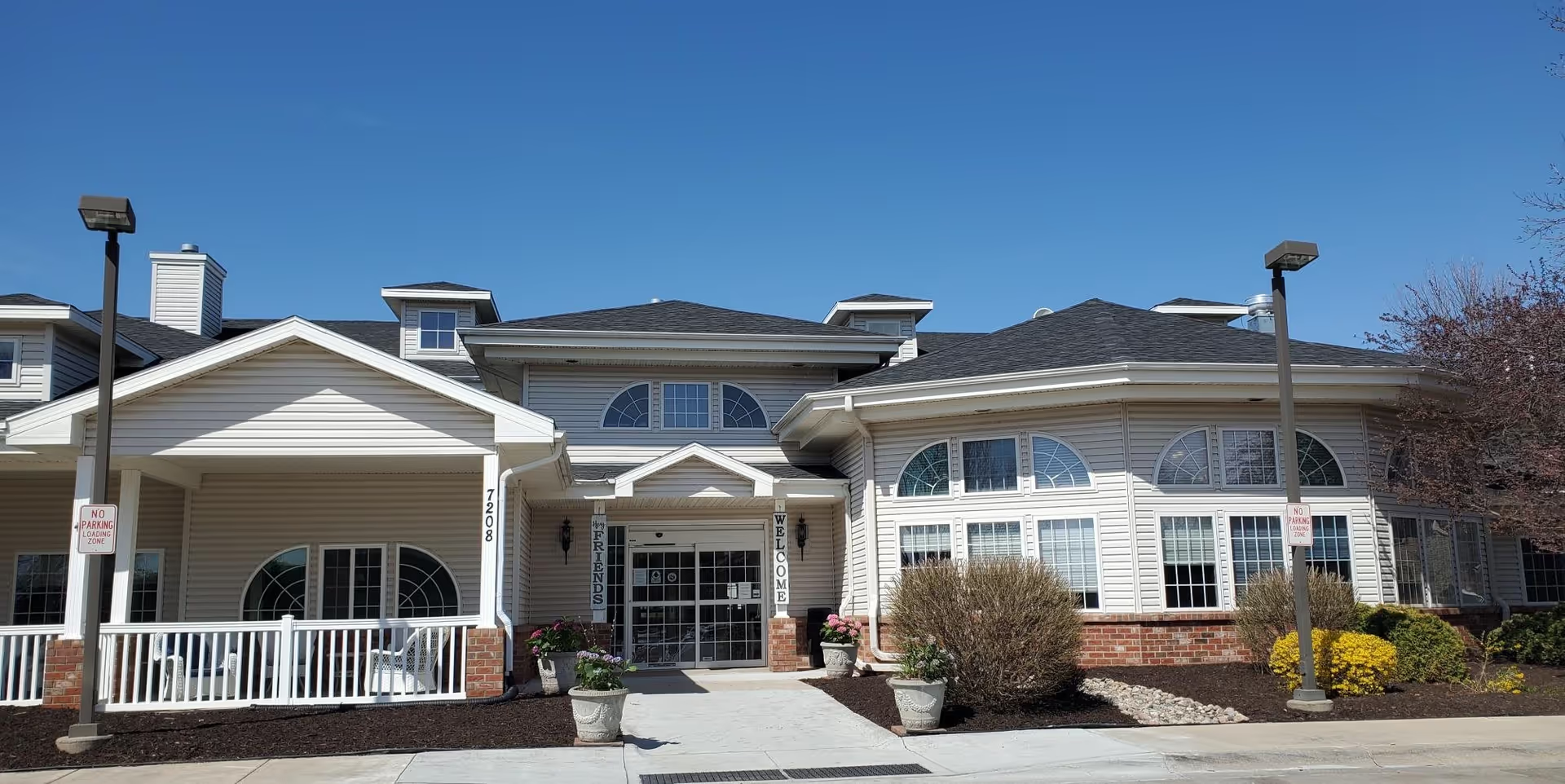
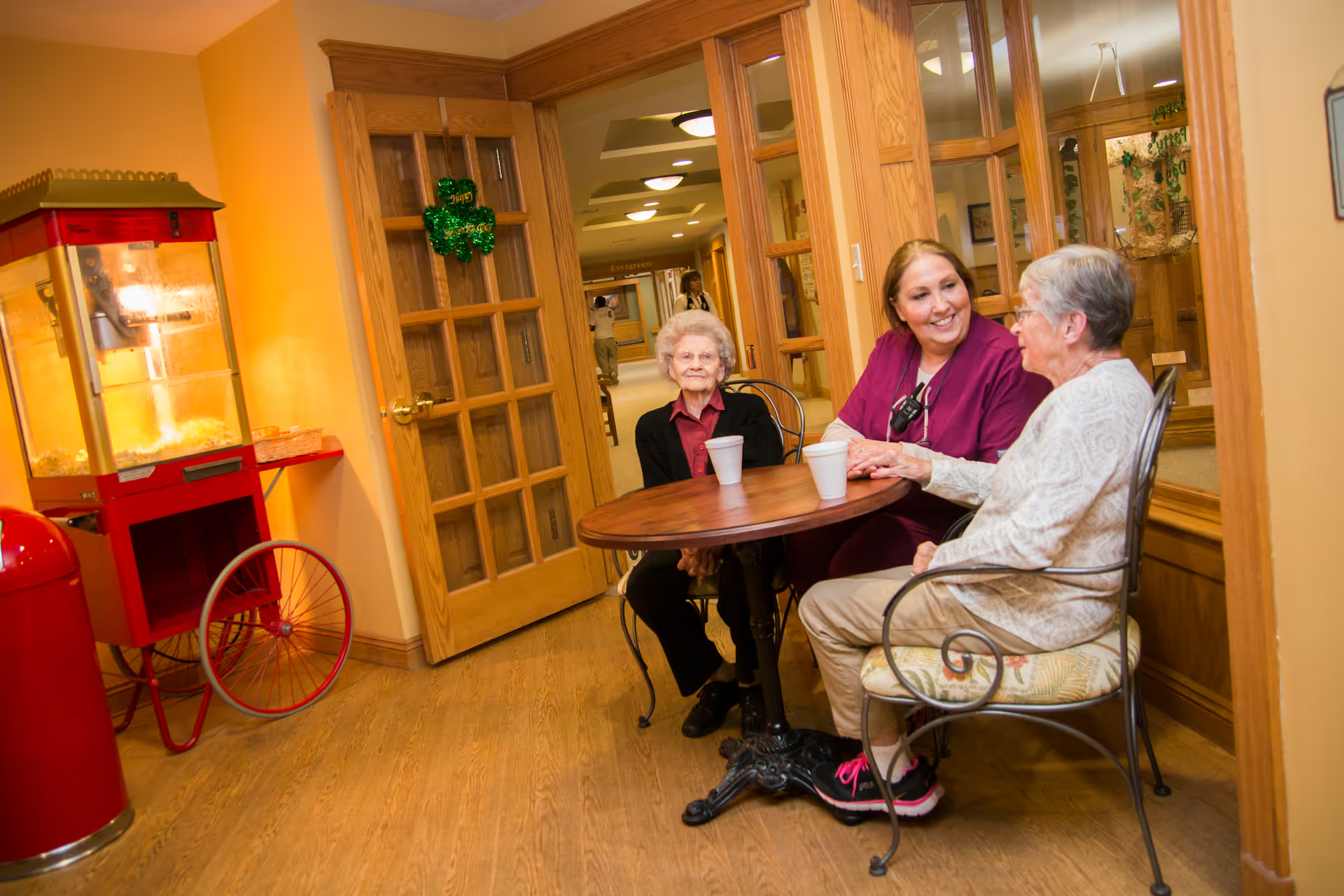
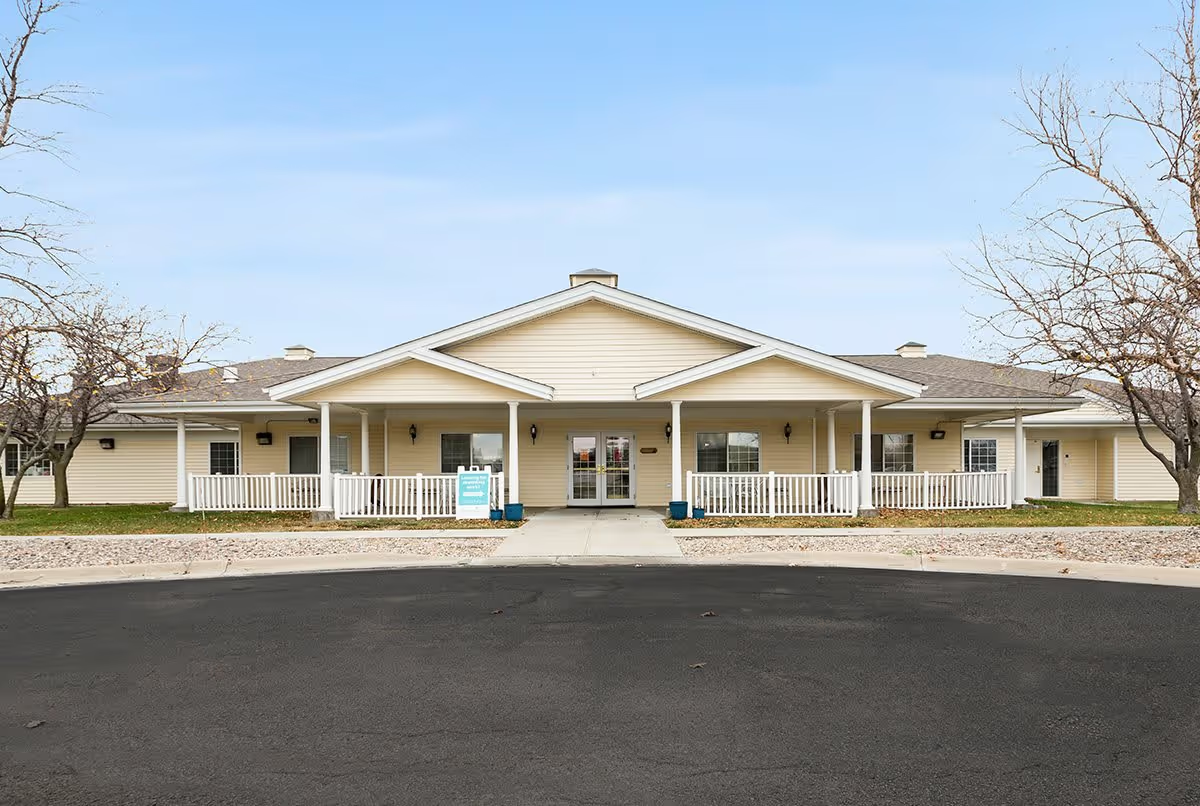
The reviewer feedback presents a mixed picture. On the positive side, the facility's physical plant and public spaces are repeatedly described as new, attractive and well maintained; reviewers highlight modern amenities, a peaceful atmosphere and high cleanliness standards. Multiple comments single out nursing staff and certain caregivers for compassionate, attentive care, which supports an overall perception of solid frontline clinical caregiving in many day-to-day situations.
At the same time, there are important concerns about staff conduct and communication. Comments describe instances where family interactions with staff were tense or handled poorly, including episodes in which families felt excluded or were asked to leave. Separately, one or more reviews raise end-of-life care concerns; these suggest gaps in coordination, communication with family members, and expectations around how final-phase care is managed. Taken together, these remarks indicate variability in interpersonal care and family engagement even as clinical caregiving receives praise in other respects.
The available feedback does not include substantive detail about dining or activity programs, so neither strength nor weakness can be confidently asserted in those areas from these reviews alone. Prospective families should request sample menus, observe a meal service, and review the facility’s activity schedule and participation rates during a tour to assess fit.
Facility amenities and maintenance are clear strengths: the building, furnishings and common areas are consistently described as attractive and clean. Management-level issues are less clear but worth exploring: the contrast between positive remarks about particular staff members and the reports of problematic family interactions suggests inconsistent staff training, supervision, or protocols around family communication and end-of-life processes.
Notable patterns for prospective residents and families to probe further include staff communication style and conflict-resolution practices, formal end-of-life care policies and family-notification procedures, and consistency of staffing and professionalism across shifts. When evaluating the community, ask to meet nursing leadership, review written policies for family presence and end-of-life planning, request references from current families, and observe staff–family interactions during a visit to better understand whether the strengths observed by other families are consistent and whether the communication concerns have been addressed.