Ambassador Health of Lincoln elicits sharply mixed impressions. Many accounts highlight strong rehabilitation services, an interdisciplinary team that can include attentive therapists and supportive social-work and housekeeping staff, and a welcoming, hotel-like environment with enjoyable meals and engaging activities. Short-term rehab outcomes are described positively in numerous instances, and hospice/palliative-care options are available. Several reviewers emphasized staff who provide compassionate, family-style attention and therapies that helped residents regain independence.
At the same time, a consistent pattern of operational weaknesses appears across reviews. Medication-management processes are described as inconsistent, with both delays and errors cited; families should verify medication-safety protocols and administration routines. Multiple entries describe slow responsiveness to call lights and assistance requests, which, together with under-staffing and reports of high staff burnout, suggests variability in monitoring and timely hands-on care. There are also concerns about physician follow-up and clinical oversight that can affect care continuity.
Staff performance is uneven: while many individual caregivers, therapists, and clinical students are praised for professionalism and empathy, others are characterized by inconsistent conduct and low morale. This variability is linked to communication issues at care meetings, limited transparency with families about care plans, and occasional staff distraction during shifts. Physical-safety issues are another recurring theme—reviews reference falls and transfer-safety gaps—so prospective residents should inquire about fall-prevention protocols and staffing for high-risk patients.
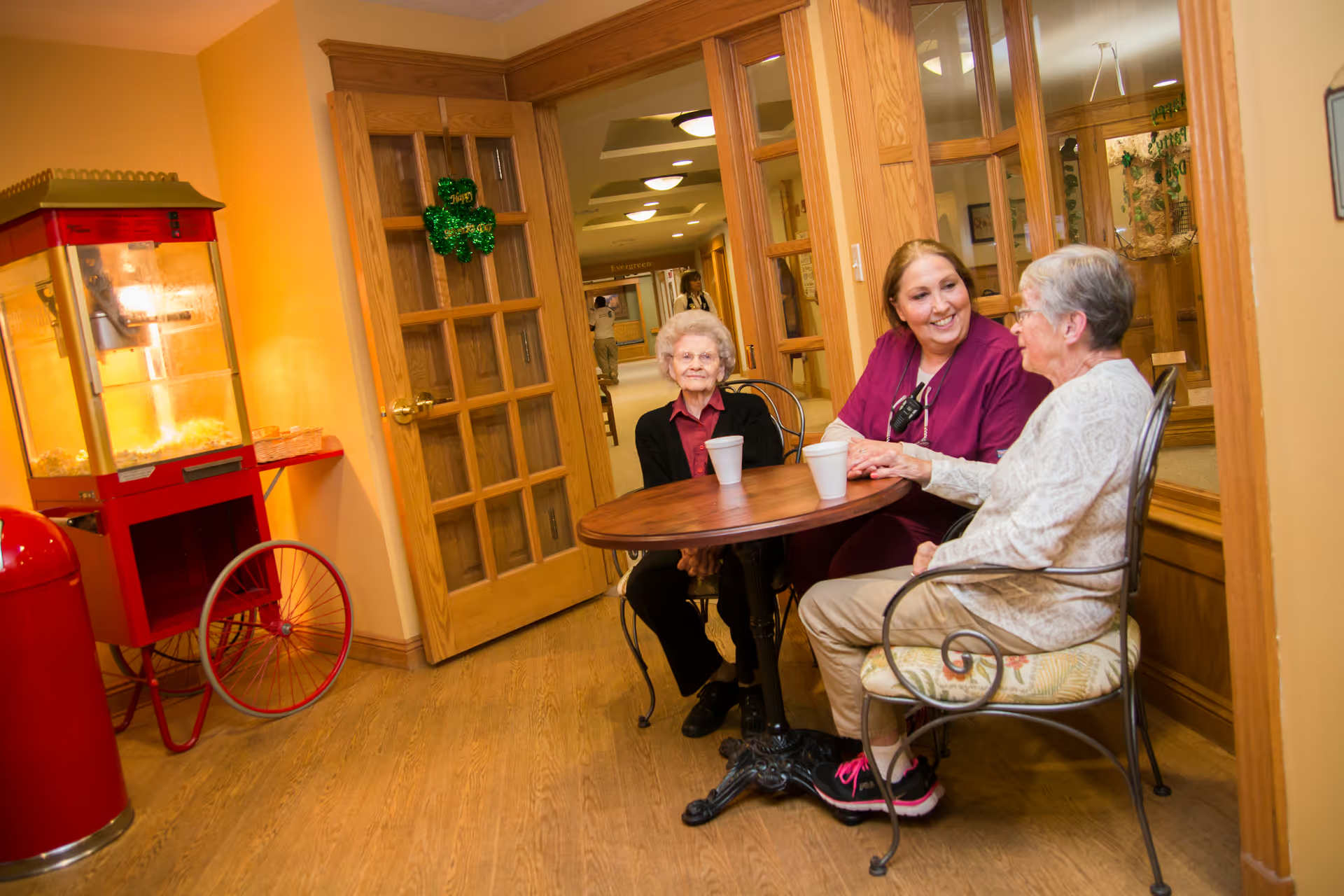
Dining and activities are relative strengths, with several reviewers noting enjoyable meals, meal customization, and meaningful social engagement including outdoor access. However, meal delivery and temperature consistency have been questioned, and activity participation appears uneven: some residents received robust activity options while others were not encouraged to participate or ambulate as expected.
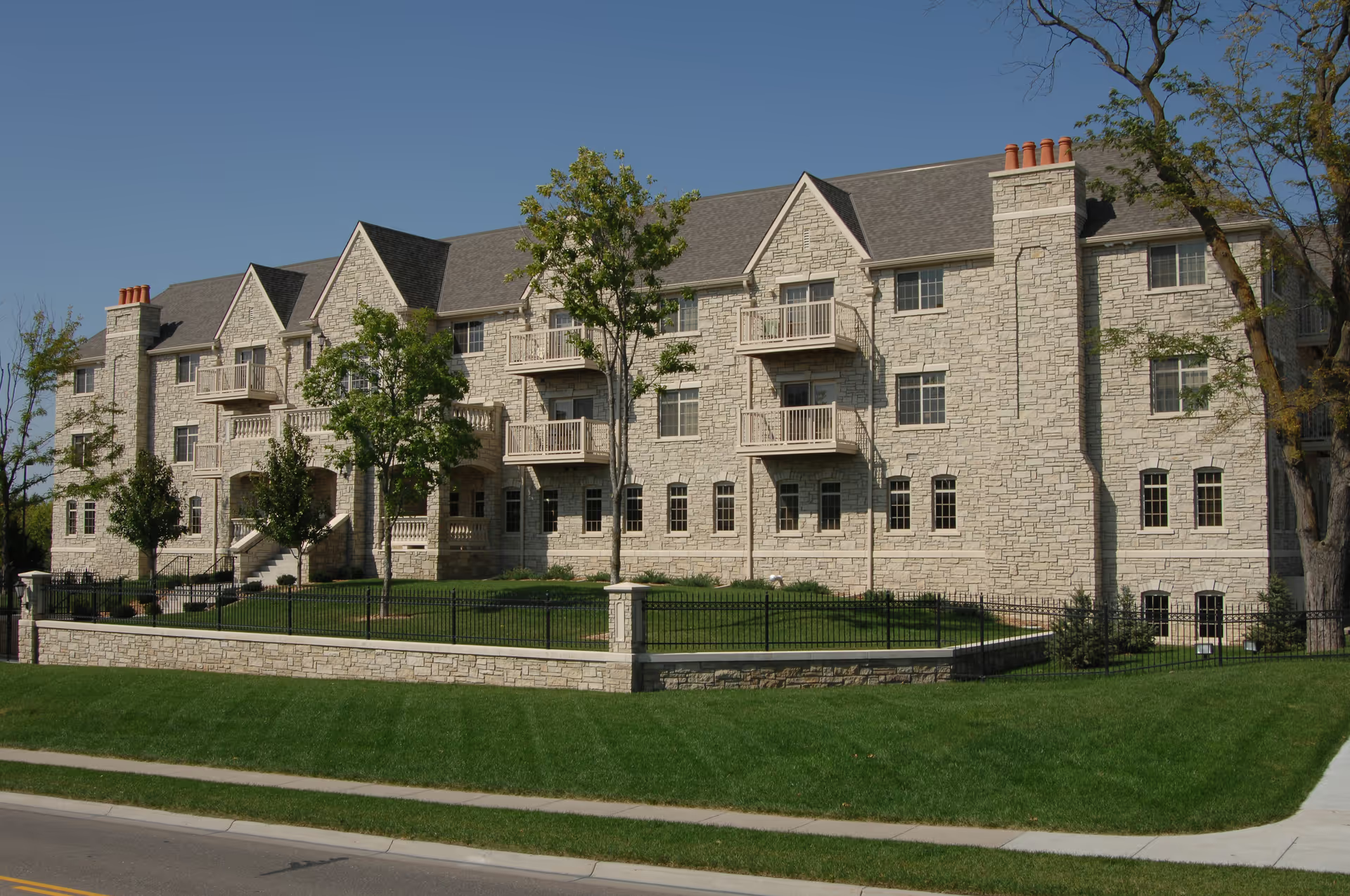
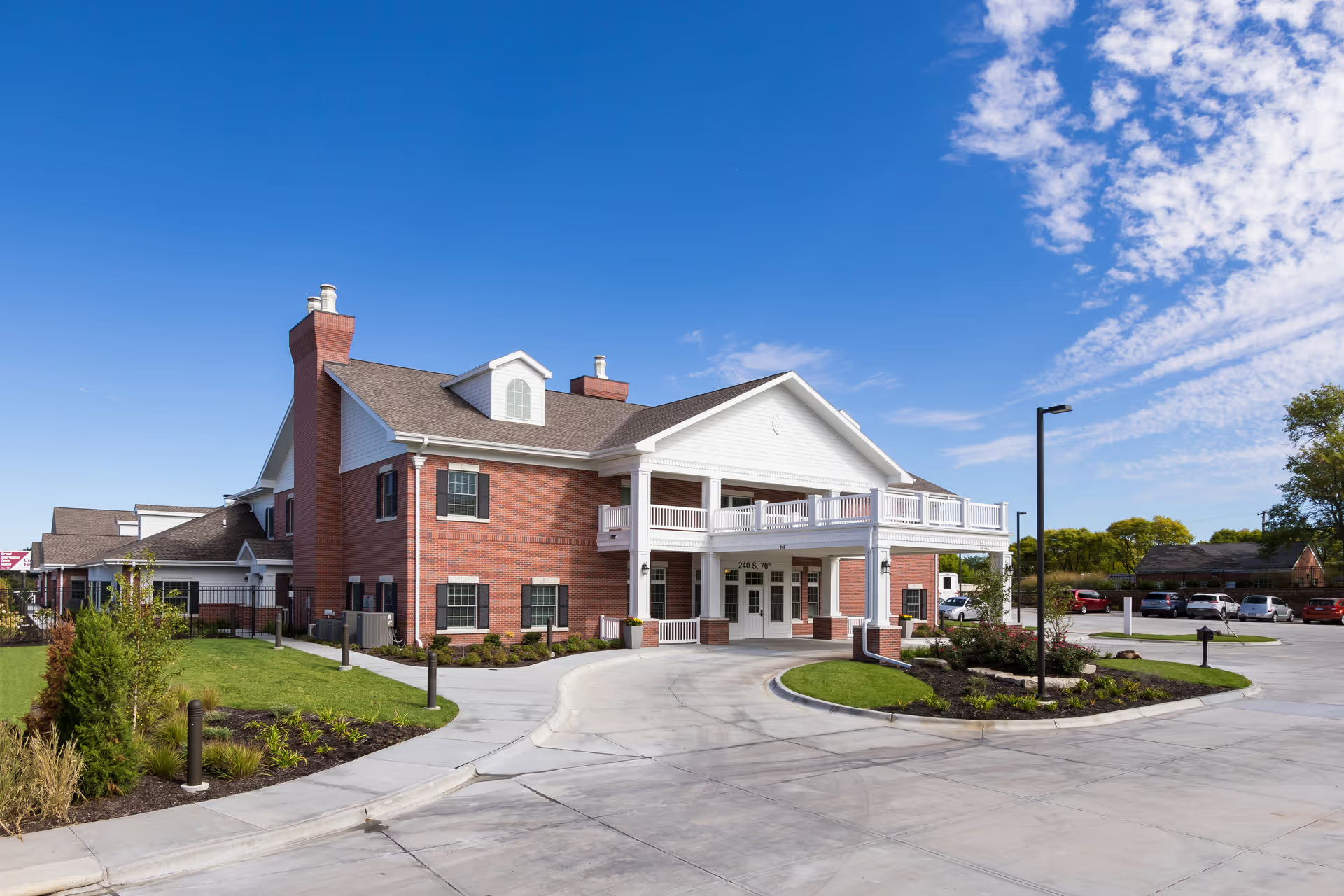
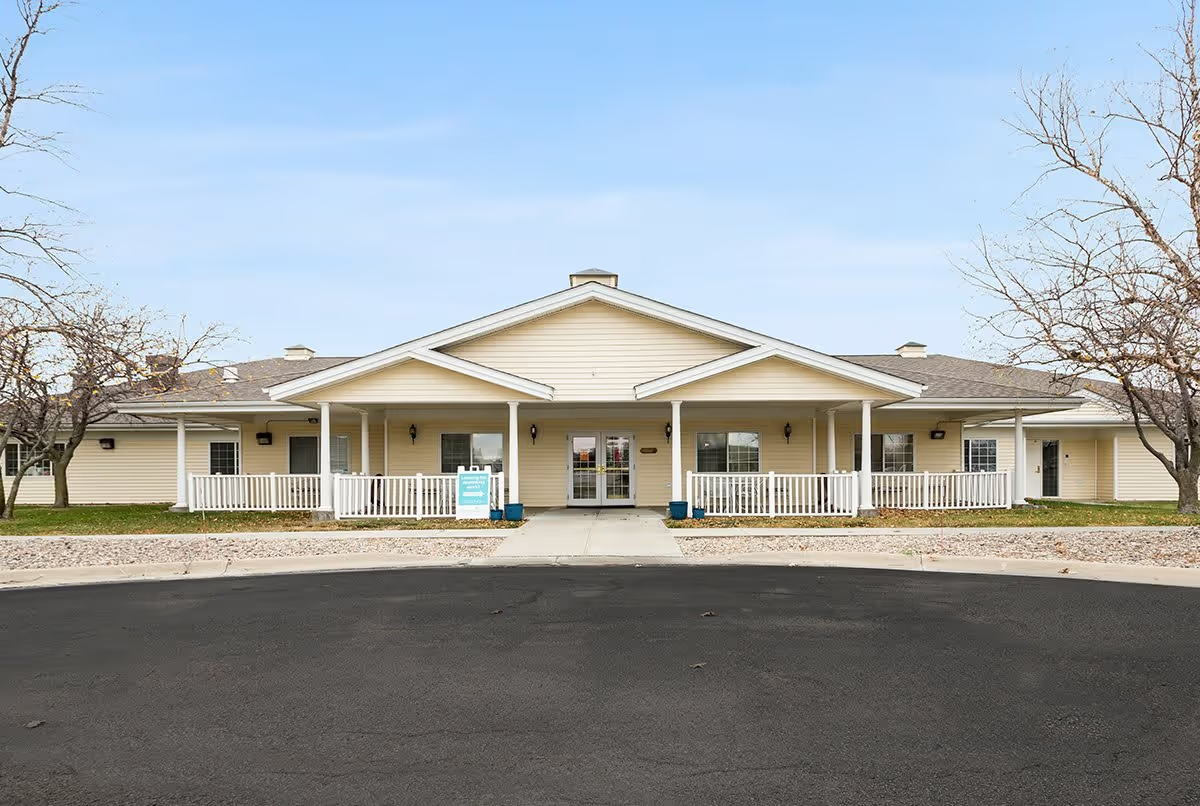
The facility’s appearance and rooms are often described positively—remodeled, clean, and upscale in places—but reviewers also raised cleanliness and pest-control concerns in some areas, along with issues such as inadequate bedding comfort or maintenance needs. COVID-era visitation restrictions and policies around admission/insurance (including limited Medicaid acceptance) have affected some families’ experiences and continuity of placement.
Management and operational priorities warrant scrutiny. Several comments suggest a need for stronger clinical leadership, better staffing models, clearer family communication, and improved protocols for monitoring vulnerable residents. There are references to isolated serious incidents; families should ask management about incident reporting, quality-improvement efforts, state inspection history, and staffing ratios before placement.
Recommendation: weigh the facility’s documented strengths in therapy and certain caregiving teams against recurring operational concerns. When considering Ambassador Health of Lincoln, arrange an in-person tour, meet therapy and nursing leaders, request information on staffing ratios, medication-safety procedures, fall-prevention measures, cleaning and pest-control protocols, and confirm payer/financial policies. Observing mealtime, an activity session, and reviewing recent quality reports will help clarify whether the facility’s capabilities align with a prospective resident’s needs.