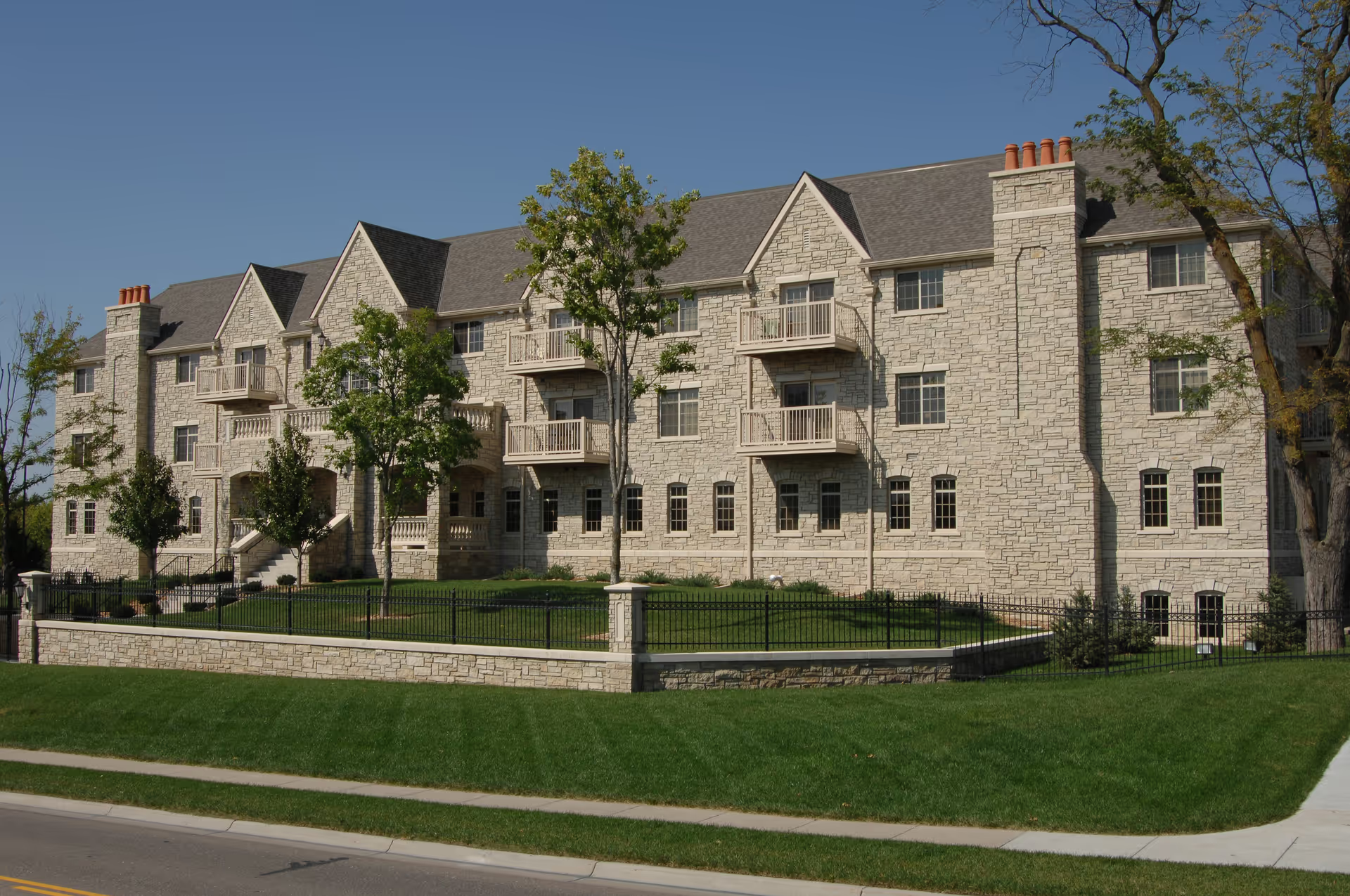
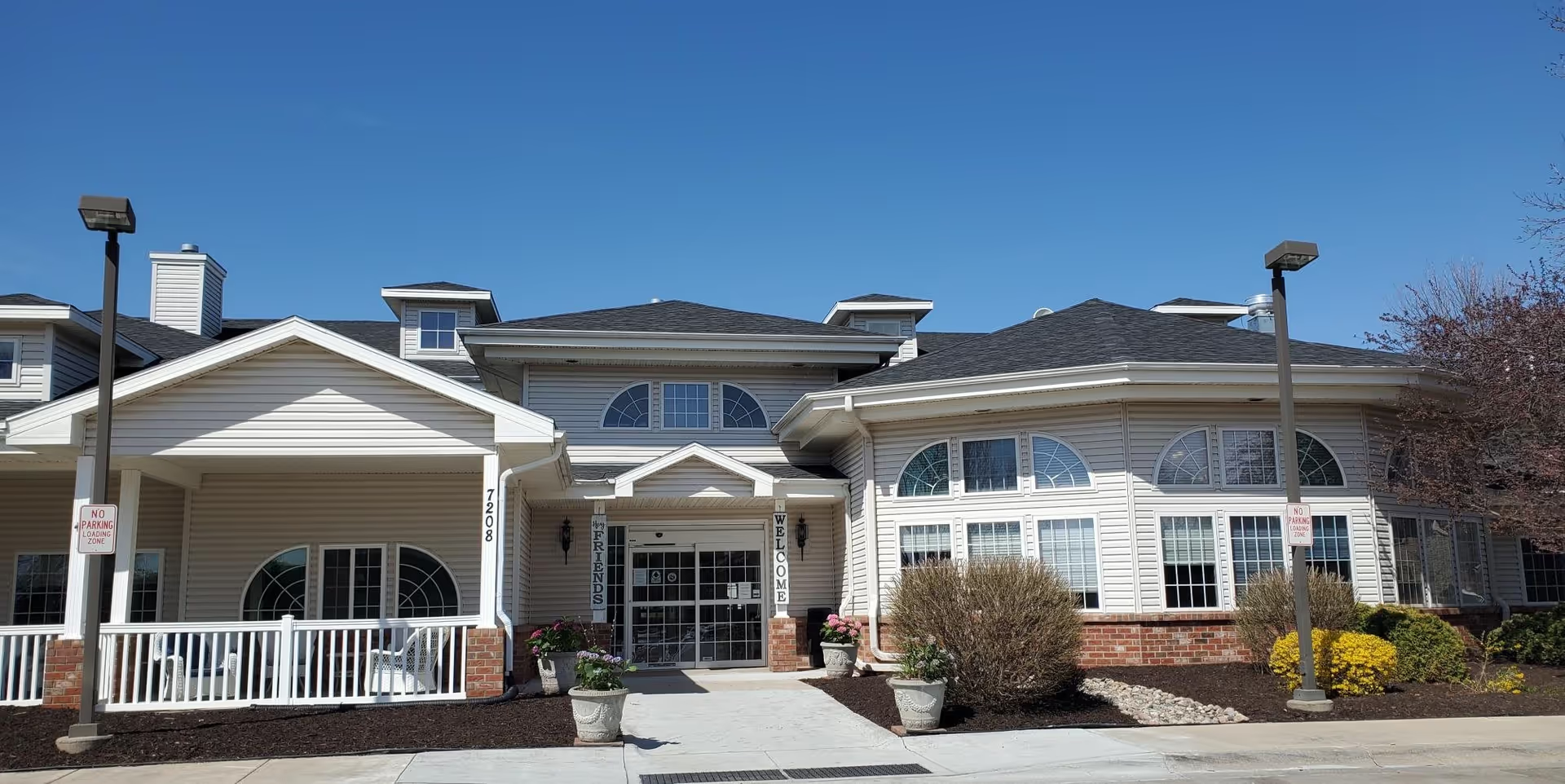
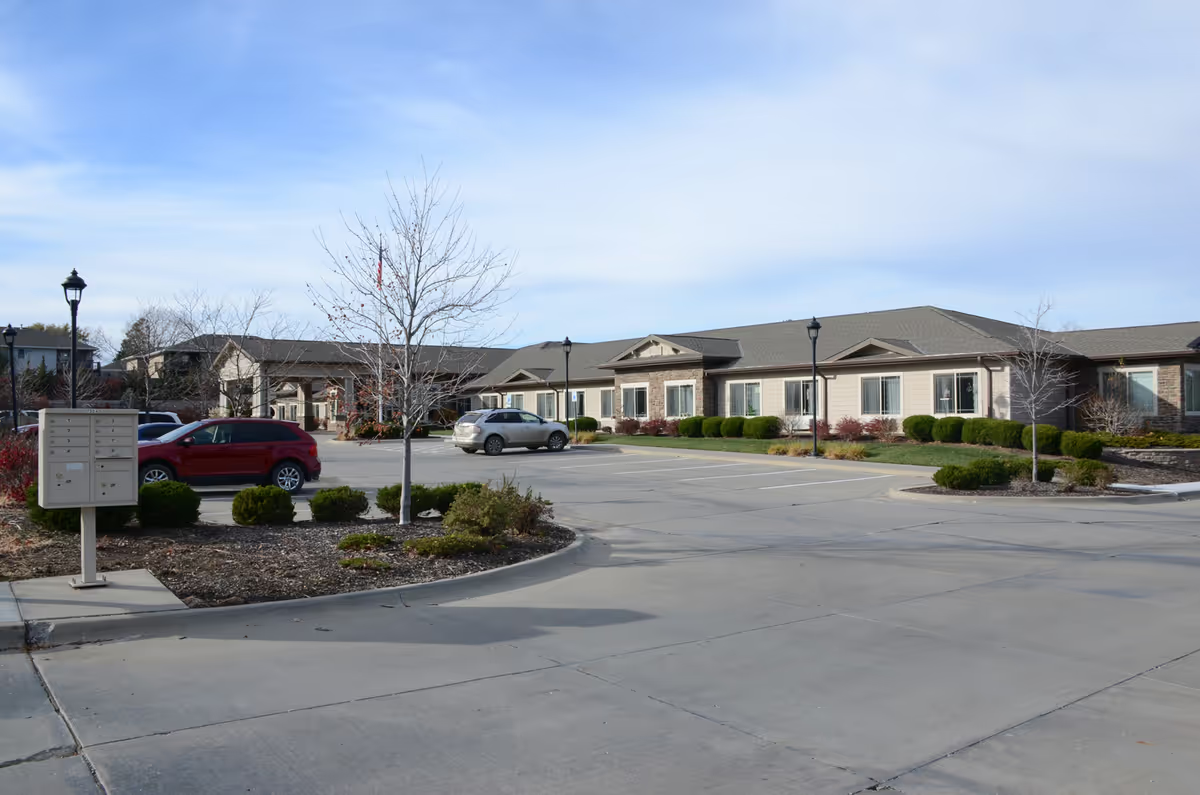
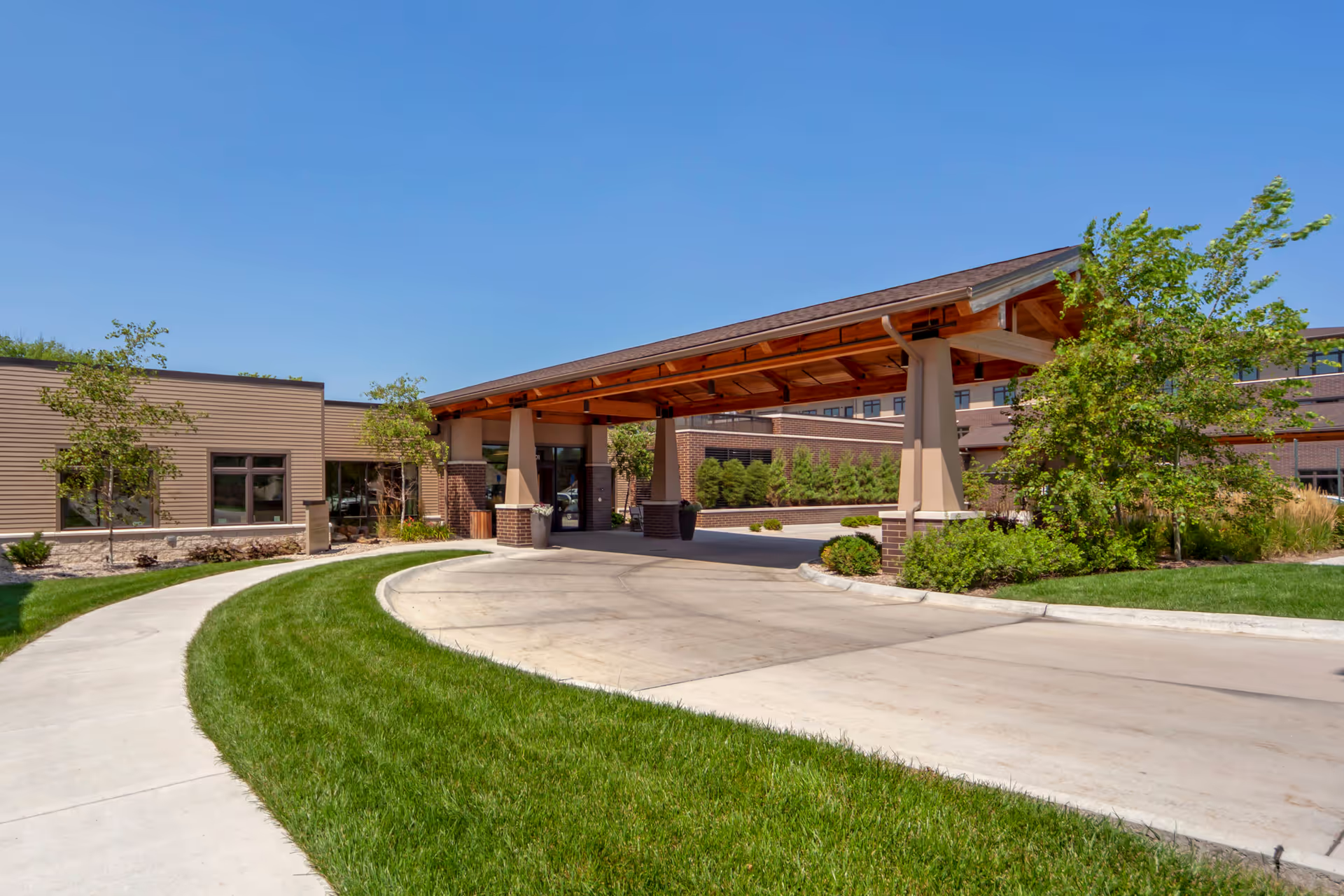
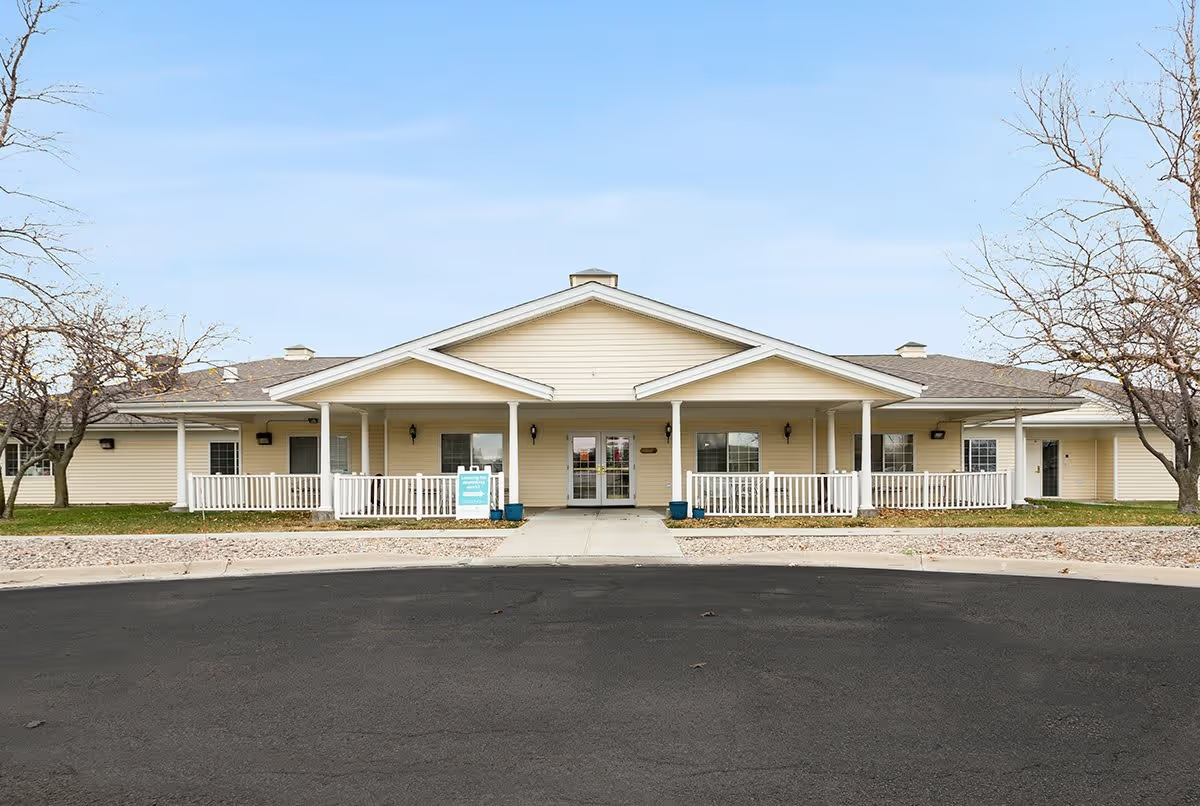
Asher Point Independent Living of Lincoln elicits strongly polarized impressions. Many reviewers praise the staff and community atmosphere: staff members are frequently described as friendly, attentive and compassionate, and the community is characterized as social and welcoming. The property offers a range of resident-focused amenities (fitness center, salon, theater, bistro), renovated and tasteful apartment options including balconies and accessible units, and on-site therapy services. Positive experiences commonly highlight good move-in support, regular housekeeping, transportation for appointments and outings, active entertainment and programming, and a dining service that, for many residents, delivers high-quality meals and attentive servers.
At the same time, a substantial cluster of operational problems appears across reviews. Staffing instability is a recurrent theme: high turnover and inconsistent staffing levels are tied to multiple downstream effects, including unreliable meal-service continuity, occasional kitchen closures, long dining waits, and reports of staff no-shows. Dining is a major area of divergence — while some residents experience well-prepared meals and excellent service, others describe unpredictable menus, limited options for special diets, and meal interruptions. Families should specifically verify current kitchen staffing, menu accommodations for allergies and dietary restrictions, and contingency plans for service interruptions.
Facility-condition concerns appear in several reviews and range from maintenance delays and overdue repairs to moisture and sanitation issues that prompted pest-control attention. These accounts include descriptions of water- and mold-related problems and pest-control concerns in service areas; such items raise legitimate questions about ongoing environmental maintenance and remediation. Reviewers also noted small apartment footprints relative to monthly cost, and a few described dissatisfaction with deposit or prepay policies. Prospective residents should confirm unit sizes, pricing structure, and the facility’s current pest-control and mold-mitigation documentation during a tour.
Management and administrative issues are another common pattern. Several reviewers described ownership changes and management turnover that coincided with declines in service consistency, communication gaps, billing disputes, and delayed responses from the office. Complaints around billing include unexpected charges and difficulties obtaining refunds. In some cases, reviewers referenced gaps in emergency-response procedures and family communication after critical incidents; these are serious operational concerns that warrant direct inquiry about incident response protocols, emergency-call systems, and family-notification processes.
Care expectations should be clarified prior to move-in. As an independent living community, clinical care is limited: many reviewers emphasize that medical and personal-care needs require private home-health providers or a transition to higher levels of care. Conversely, therapy services on-site were noted positively by families whose members used them. Transportation availability and activity programming are generally present but can be inconsistent; some reviewers praised weekly shopping trips and outings, while others experienced cancellations or limited options.
Bottom line: Asher Point offers many elements typical of a well-appointed independent living community — personable staff (when present), engaging social programming, attractive amenities, and renovated apartments — but there is a clear pattern of operational instability tied to staffing, management turnover, dining continuity, and maintenance. Prospective residents and families should schedule an in-person visit that includes: a walk-through of available apartments (measure actual room dimensions), a meeting with current management about staffing and ownership, review of pest-control and maintenance logs, clarification of included services versus private-care responsibilities, demonstration of emergency-response systems, and verification of current dining menus and dietary accommodation policies. These specific checks will help determine whether the current operational state aligns with a prospective resident’s needs and expectations.