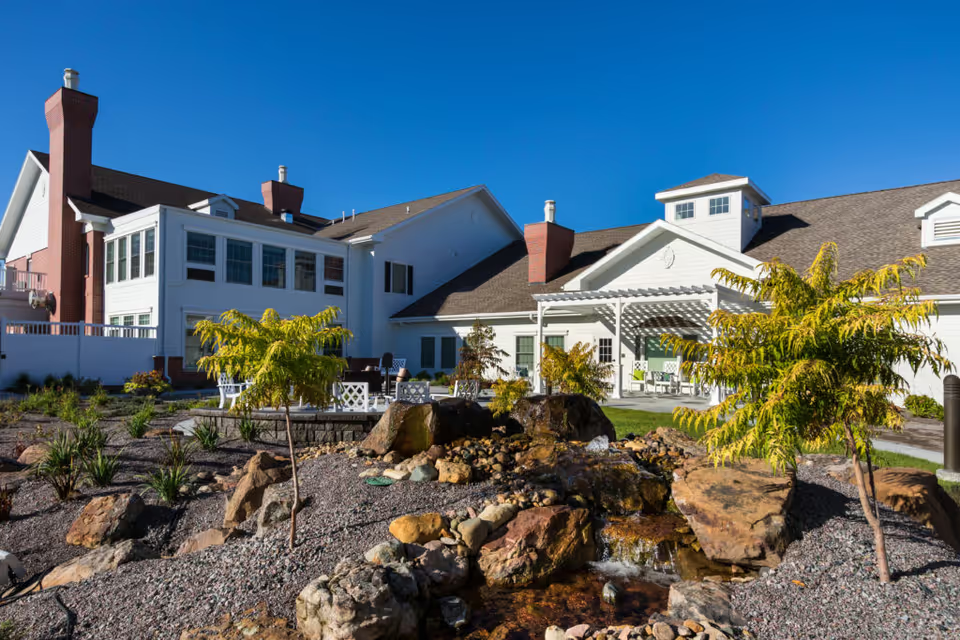
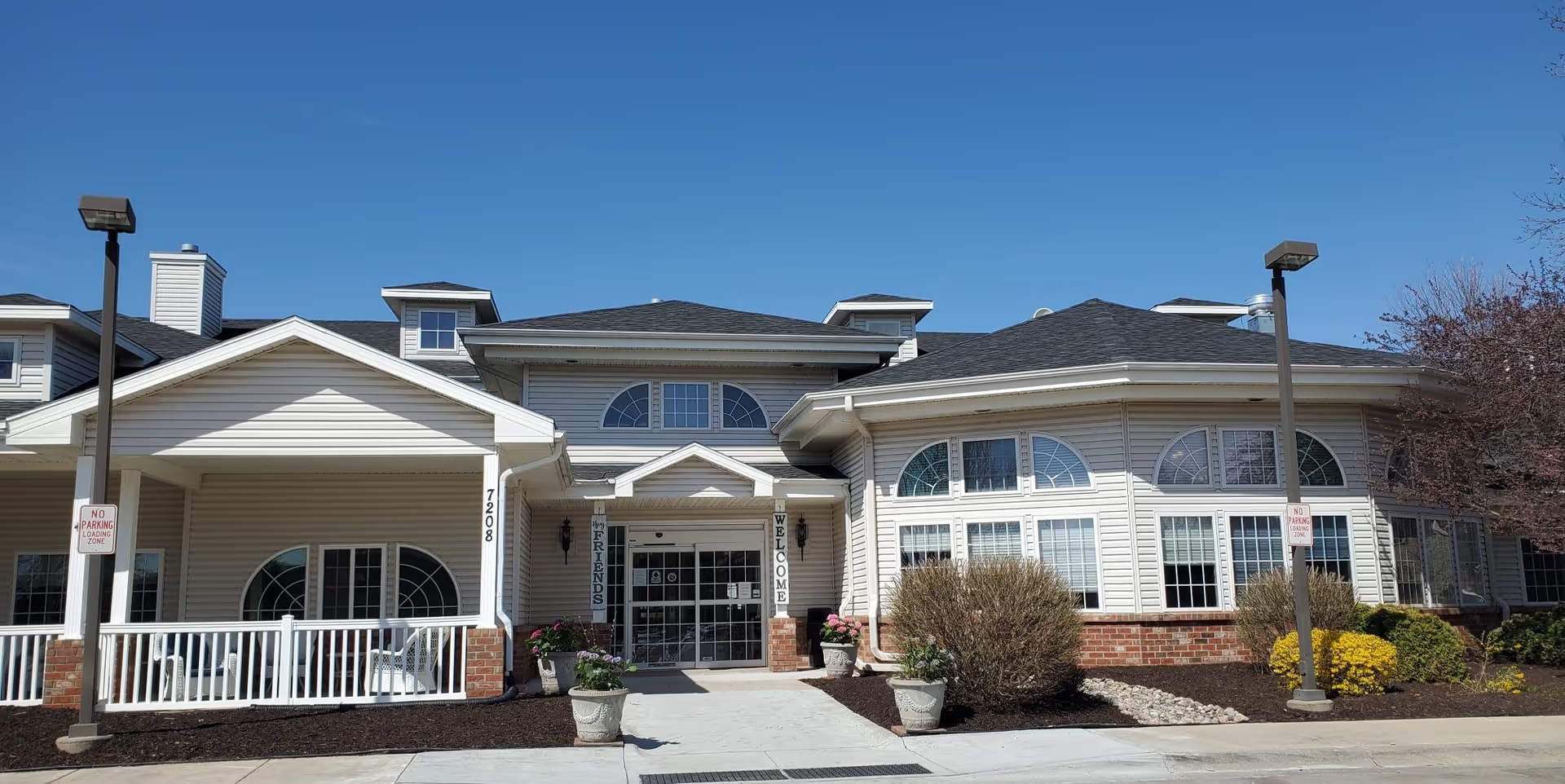
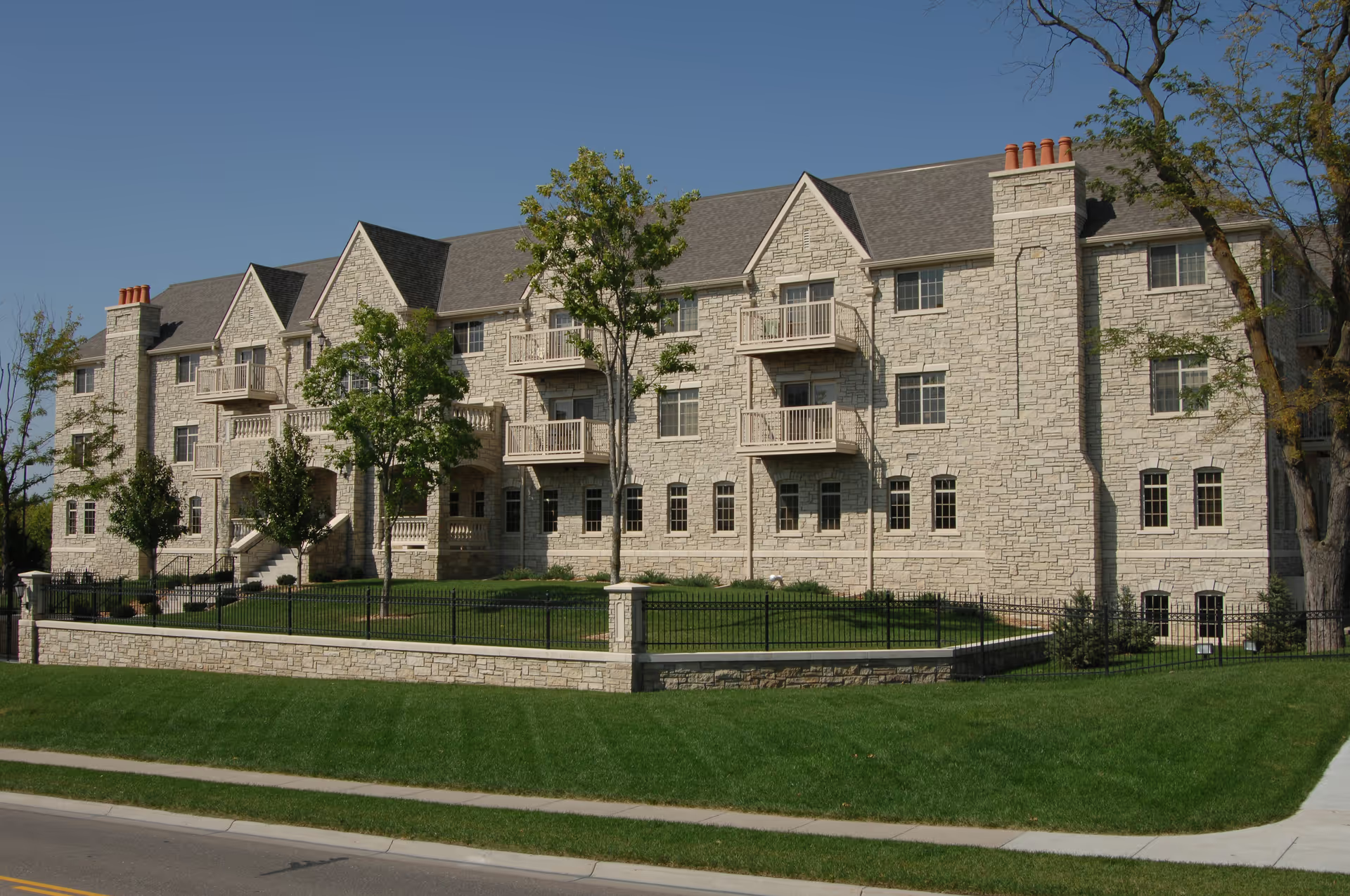
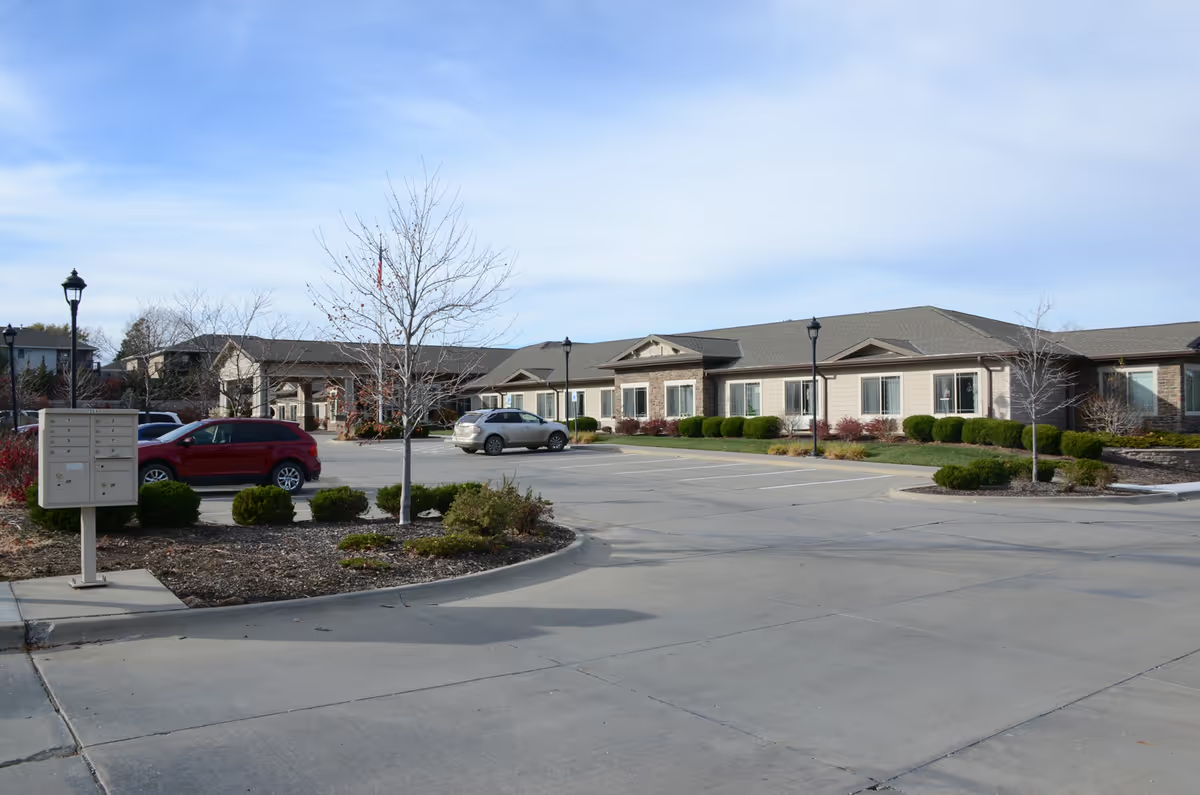
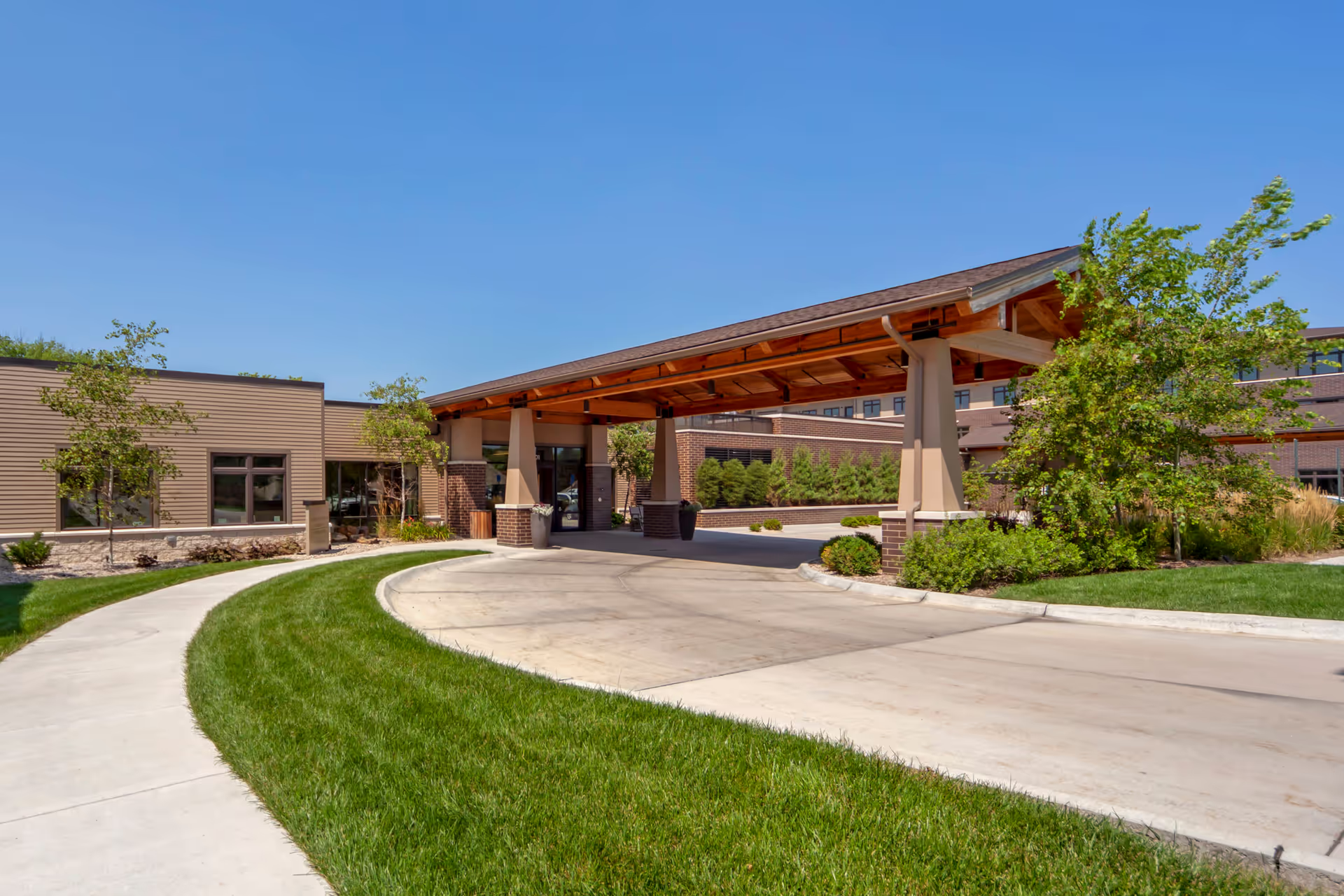
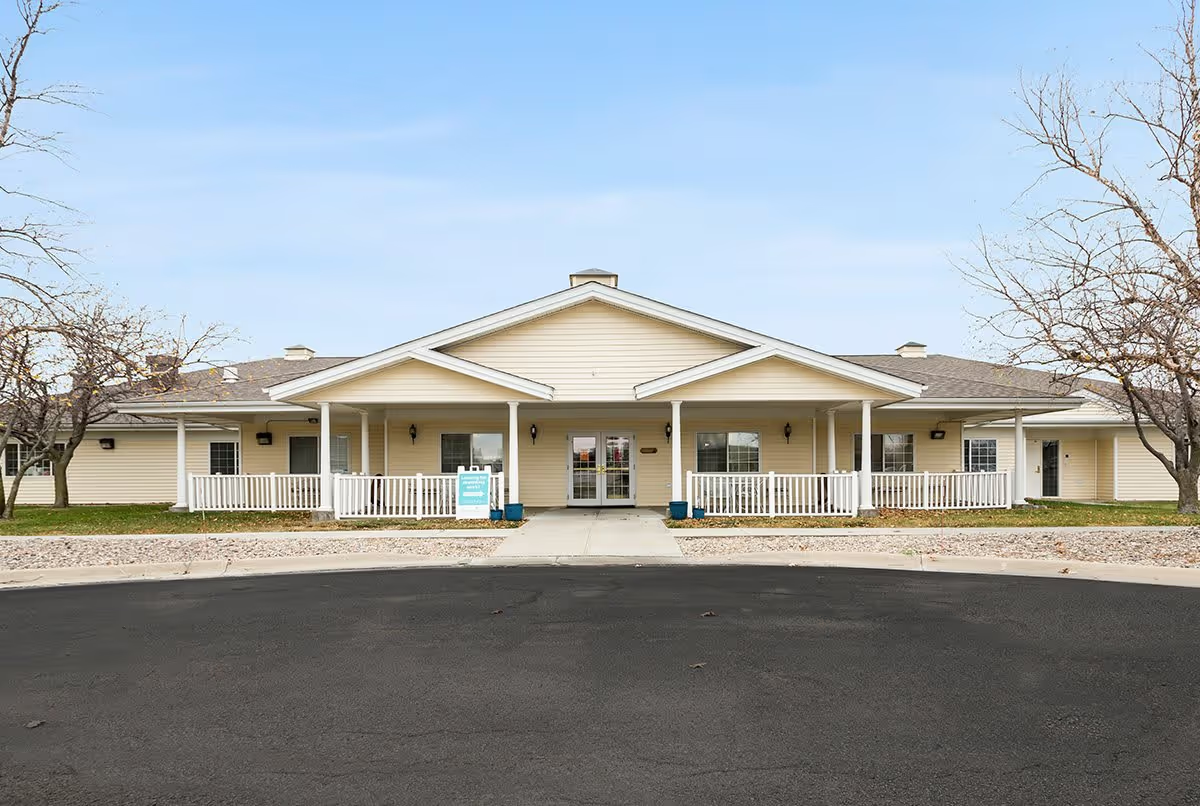
Aviva Woodlands is frequently described as a modern, well-appointed assisted living community with many strengths in physical plant, dining, and social programming. Reviewers commonly highlight the facility’s new construction, bright and spacious apartments, and well‑maintained common areas and landscaping. Onsite amenities such as a fitness center, salon, laundry, courtyard, and transportation services receive consistent positive mention. Dining is a repeated strength: a chef-driven, restaurant-style model with rotating weekly menus, multiple meal choices, and many families praising food quality.
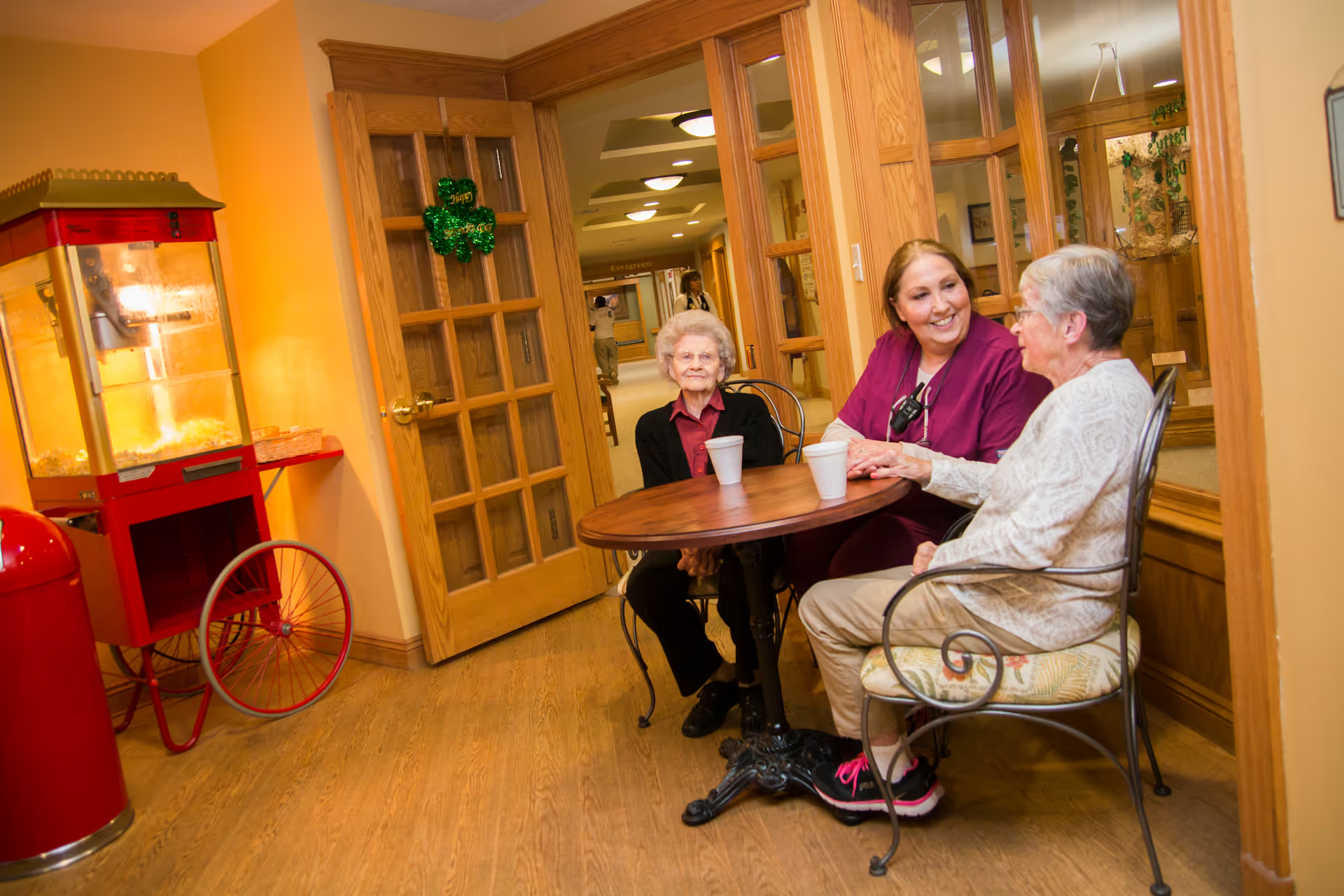
Staff and activities are central to the facility’s favorable impressions. Numerous accounts emphasize friendly, attentive caregivers and proactive life-enrichment staff who run a busy calendar of social events, crafts, outings and exercise programs. Many families describe a warm, home-like community where staff know residents by name and encourage participation. The combination of varied programming and accessible amenities contributes to a strong social environment for residents who fit the community’s care level.
Concurrently, reviews reveal patterns of operational inconsistency that prospective families should evaluate. Communication with families and the care team is uneven: some families report timely, proactive updates while others describe difficulty reaching staff or delayed notifications about changes in condition. Staffing variability is a recurring theme—periods of short staffing and slow phone responses have been linked to delays in assistance, missed or late care tasks, and inconsistency in activity delivery. Several comments specifically raise concerns about medication-administration timing and the facility’s ability to meet specialized clinical needs.
Memory-care and higher-acuity placement surfaced as an area of mixed experience. While some families felt safe and well cared for in memory-care units, others described gaps in staff training, empathy, and clinical problem‑solving for more complex behavioral or medical situations. These accounts suggest potential placement-suitability issues: families should confirm staffing ratios, training protocols, and escalation procedures when considering the community for residents with advanced memory or medical needs.
Other operational considerations include occasional cleanliness and maintenance inconsistencies and the facility’s pricing and payer policies. The community is generally positioned at a higher price point and does not accept Medicaid, which affects affordability for some households. Management responsiveness appears variable—many reviewers praise quick problem resolution and engaged leadership, while a subset describe past incidents that required formal complaints or escalation.
Overall, Aviva Woodlands presents as a high-quality environment for assisted living residents seeking modern accommodations, strong dining, and an active social program. However, prospective residents and families should perform targeted due diligence: ask for current staffing ratios, memory-care training and protocols, examples of family communication workflows, medication-administration procedures, and documentation of recent remediation on cleanliness or regulatory matters. A focused tour and conversations with clinical leadership can help determine whether the facility’s operational consistency matches the prospective resident’s care needs.