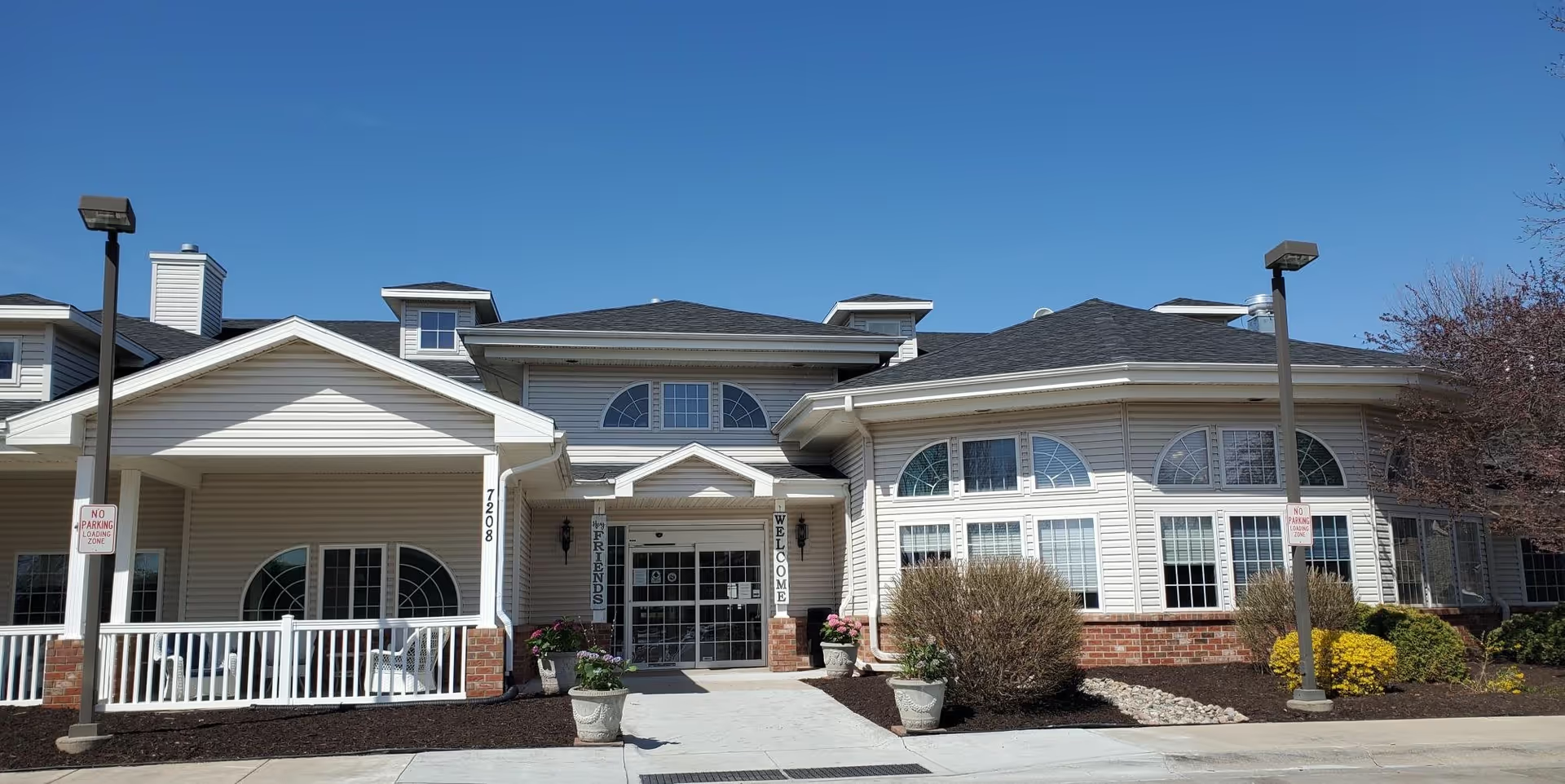
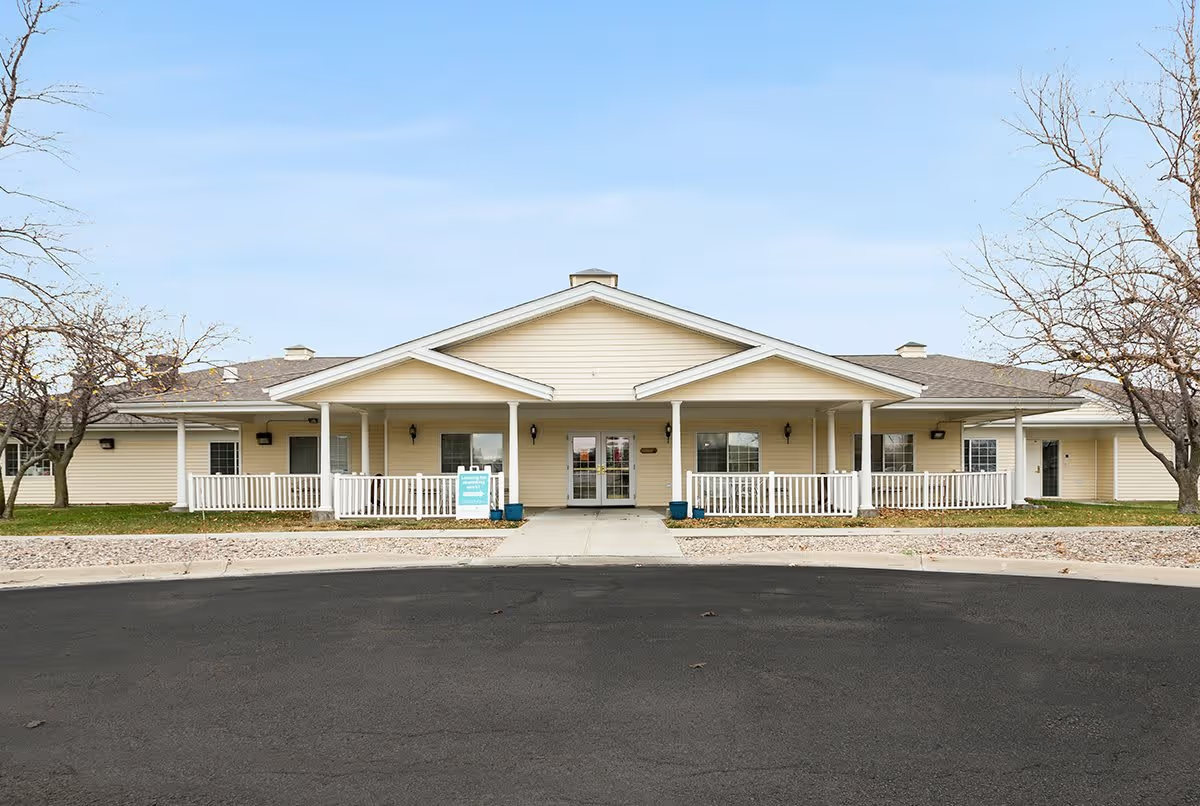
Overview: Reviews of Bel-Air Home describe a small, group-home style provider that several families find costly relative to the range of services delivered. Most commentary centers less on clinical offerings and more on operational and managerial concerns; reviewers characterize residential accommodations as the primary included service and indicate limited additional supports are routinely available. New ownership is noted and may present an opportunity for change, but existing critiques emphasize systemic shortcomings.
Care quality and supports: Families expressed concern about the level and scope of care. Reviewers noted limited clinical or behavioral-health resources on site and questioned whether staff are trained or resourced to support residents with significant mental-health needs. There are recurring references to a narrow service model—primarily room and basic supervision—rather than a comprehensive care package, which raises questions about care continuity and responsiveness for residents with complex needs.
Staff and conduct: A prominent pattern in the feedback involves staff conduct and professional boundaries. Reviewers describe incidents suggesting lapses in staff–resident boundary enforcement and poor handling of potential conflicts of interest. Complaints also point to weak accountability mechanisms, with families indicating that corrective actions or personnel consequences are not evident following serious concerns. Those patterns together suggest deficiencies in supervision, training, and human-resources processes that affect perceived safety and trust.
Dining, activities, and daily life: There is limited mention of organized activities, therapeutic programming, or a robust dining program. Several reviewers indicate that offerings beyond basic room occupancy are minimal or undefined, contributing to perceptions of limited engagement and value for cost. Prospective families should expect a sparse activity/dining profile unless specific services are contractualized and documented.
Facilities and housekeeping: Comments about the physical environment focus on maintenance and cleanliness shortcomings rather than structural advantages. Cleanliness and general upkeep are identified as areas needing improvement; coupled with the limited service model, these shortcomings contribute to a negative overall impression of day-to-day living conditions.
Management, transparency, and regulatory concerns: Management practices are a central area of concern. Reviewers describe unclear billing and service transparency, questions about financial oversight, and practices around resident separation or eviction that appear inconsistently applied. There are also claims concerning inappropriate staff–resident relationships and instances families found serious enough to consider regulatory complaints. Together these issues point to gaps in governance, documentation, and adherence to resident-rights protocols.
Notable patterns and guidance for prospective families: The consistent themes are limited service scope, questions about staff professionalism and oversight, unclear contractual transparency, and concerns about facility maintenance. Prospective residents and families should request written service agreements that enumerate included supports, staffing certifications and training records, eviction and resident-rights policies, complaint logs and resolutions, and documentation of background checks and supervisory structures. If mental-health or behavioral supports are needed, confirm availability of trained staff or external provider arrangements in writing. Given the history of serious claims and regulatory interest among reviewers, families may also consider contacting licensing or oversight agencies for the most recent inspection and complaint history before making decisions.