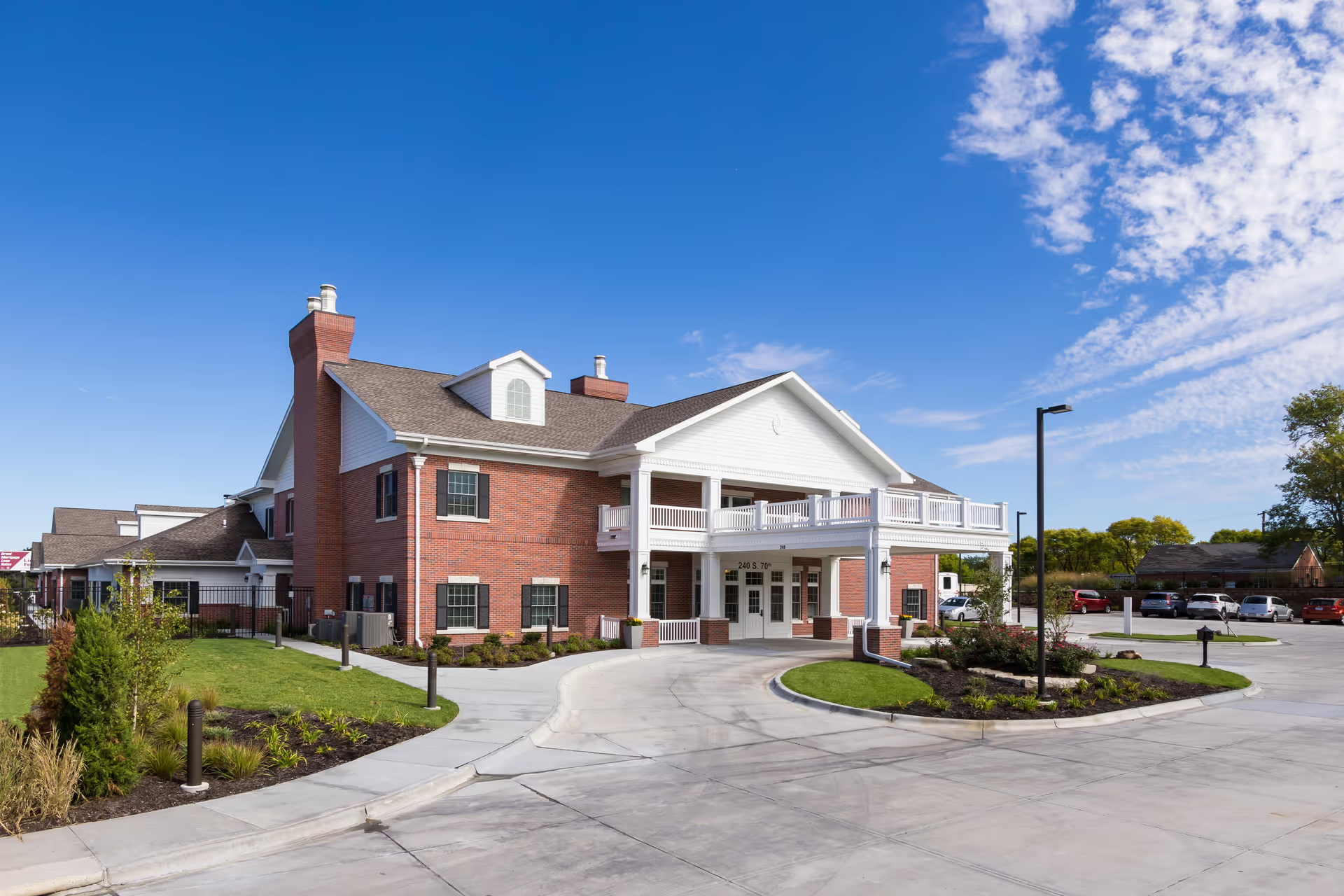
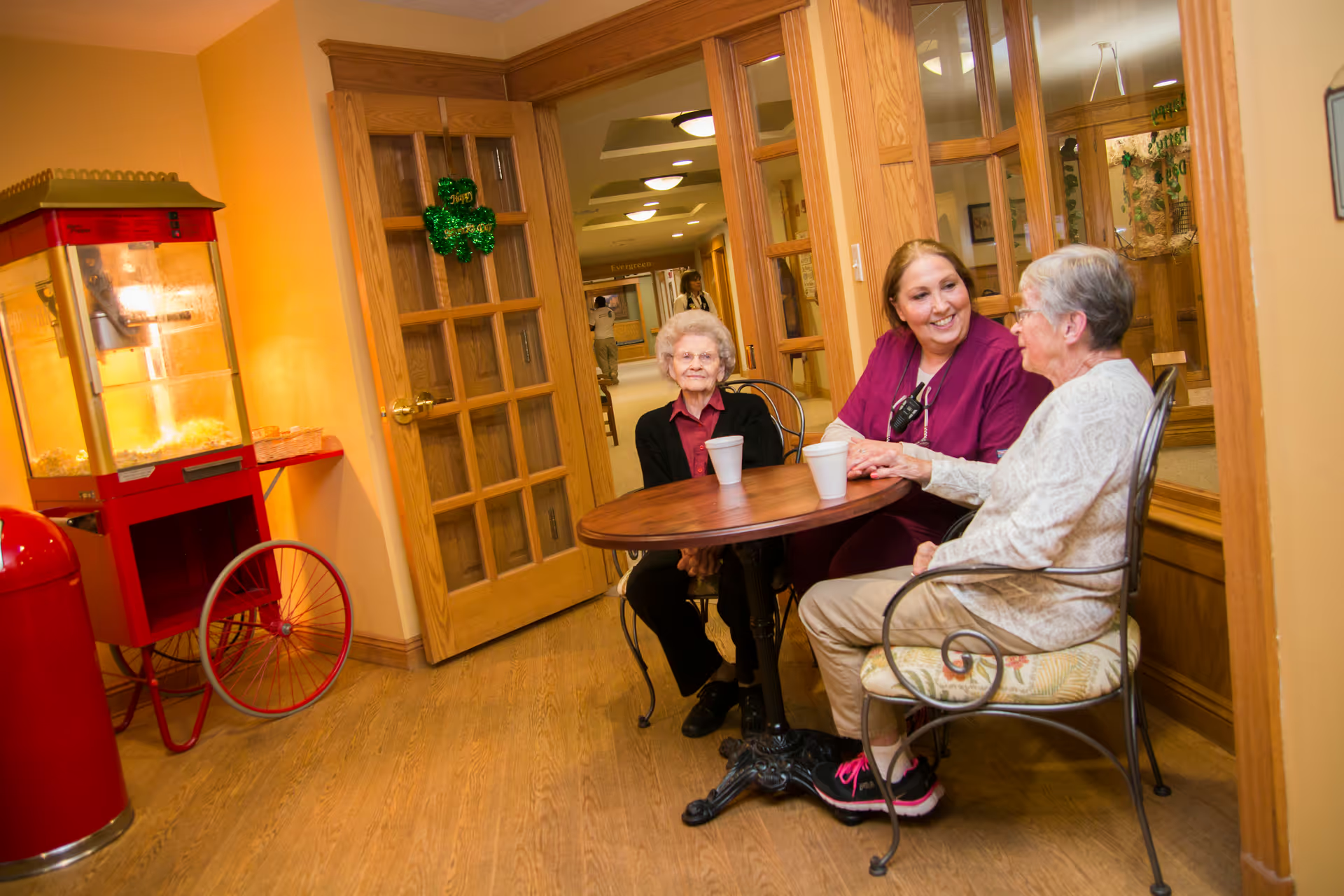
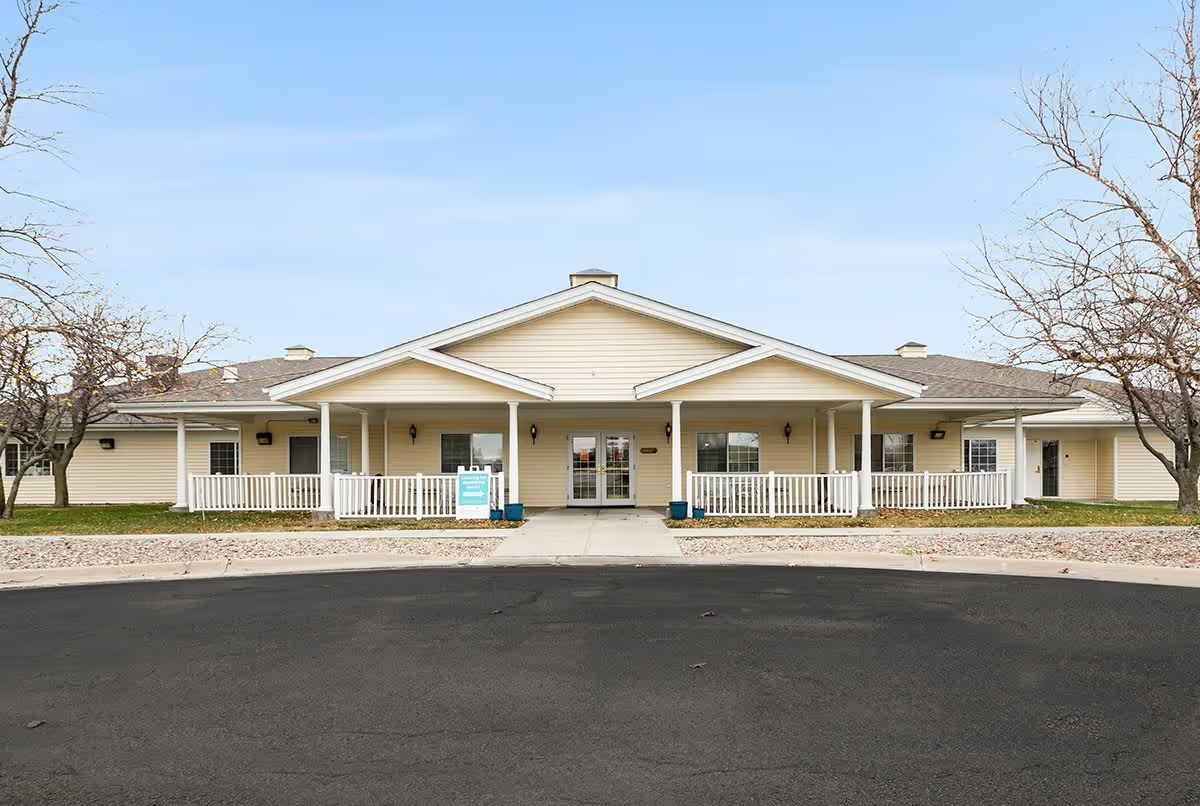
CountryHouse Residence presents a mixed profile: the day‑to‑day living environment is consistently praised for its warmth, cleanliness, and activity programming, while operational and clinical reliability show recurring weaknesses. Families commonly describe the staff as compassionate and family‑oriented, citing dementia‑care knowledge, engagement with residents, and personalized attention that improves mood, appetite, and sleep. The facility offers a broad activity calendar — including live music, regular outings, holiday drives, and bus trips — and supports social engagement with multiple lounges, large family spaces, and on‑site amenities such as a salon, spa and therapy area.
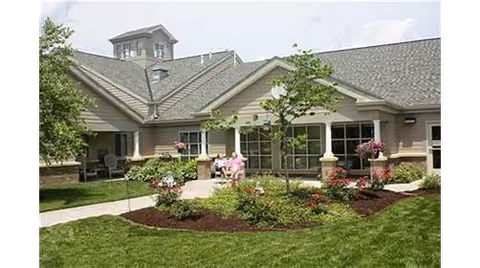
Dining and basic care are frequently noted as strengths. Reviewers highlight high‑quality, generous meals and plentiful snacks, plus attention to hydration and daily needs. Rooms are described as bright, spacious, and homey with options for private or semi‑private units and the ability to bring personal furnishings. Grounds and outdoor amenities — courtyard, gazebo, water features and landscaped areas — contribute to a secure, pleasant atmosphere that families find comforting.
Despite these positives, several operational and clinical patterns raise concern. Staffing levels and continuity are inconsistent: short staffing and reliance on agency personnel recur across comments and are linked to variability in care delivery. Relatedly, reviewers describe elevated staff turnover that can disrupt relationships and handoffs. There are multiple references to gaps in clinical‑incident response and emergency triage (for example, delayed or disputed decisions about ER transfer) and to shortcomings in how resident‑to‑resident boundary incidents are managed; together these suggest opportunities to strengthen medical protocols and safety monitoring.
Administrative issues are another theme. Families report unclear or confusing policies around billing, proration, room availability, and Medicaid bed placement, and some describe short notice move‑out policies or unexpected charges. A smaller set of comments raises concerns about complaint resolution and management–staff relations, including the treatment of agency staff and perceptions that some complaints were not addressed to family satisfaction.
In summary, CountryHouse Residence appears to provide a high quality of life in areas that matter to many residents — compassionate caregiving, robust activities, strong dementia programming, attractive facilities, and good dining. Prospective residents and families should weigh those strengths alongside operational risks: evaluate staffing patterns and clinical‑response protocols, clarify billing and bed‑placement policies in writing, and discuss how the community manages safety incidents and complaint escalation before making a placement decision.