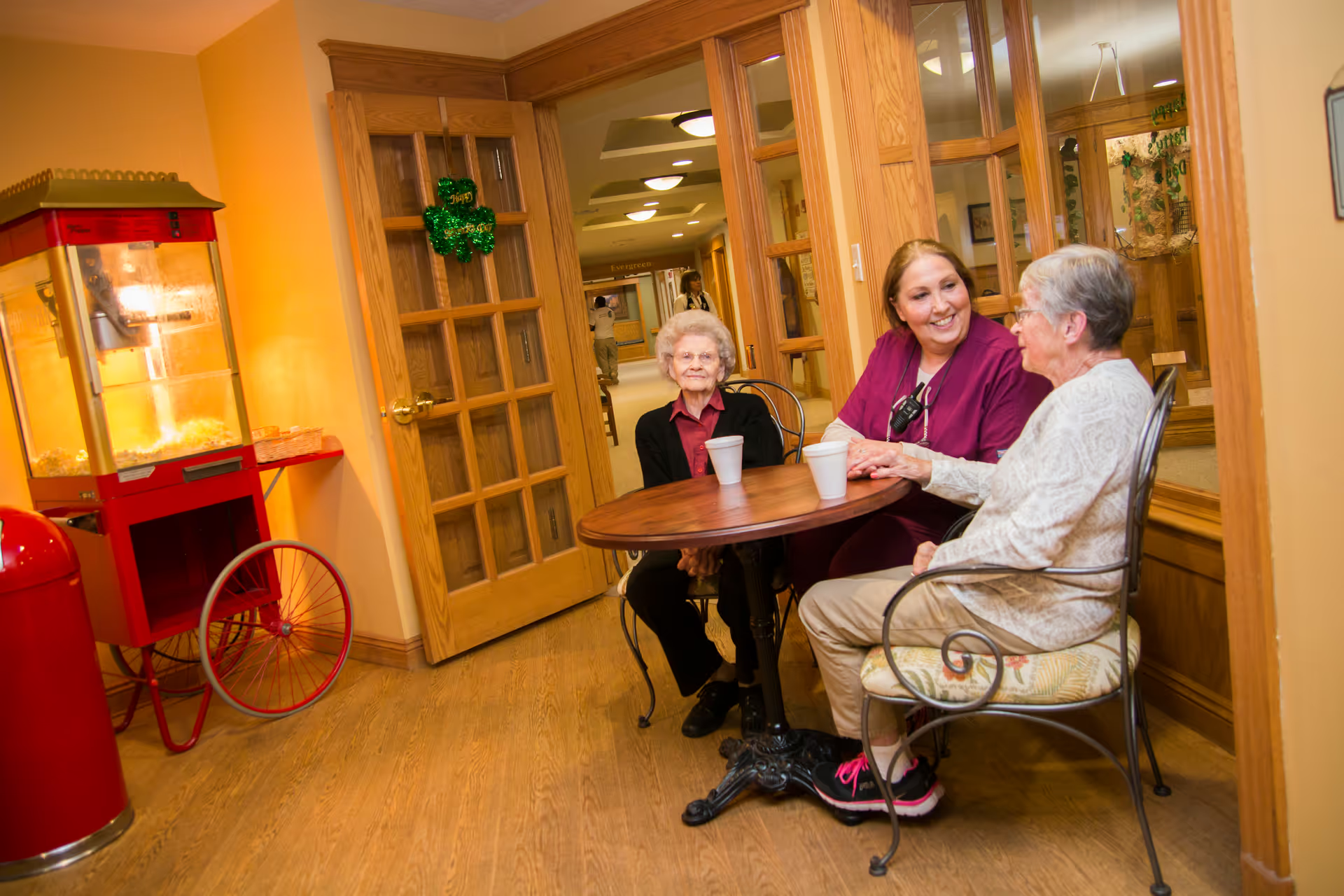
The reviews describe a facility with sharply mixed experiences: many families commend the caregiving team and therapy outcomes, while others raise significant operational concerns. Positive accounts emphasize compassionate staff, attentive nurses and aides, and a therapy department that helped residents regain independence. The facility also offers personalized in-room programming, supports virtual visits, and runs social and holiday activities that families find meaningful. Organizational strengths cited include a history in the community and an external quality recognition (AHCA Bronze Award).
Care and staffing impressions are polarized. Numerous comments praise skilled therapists, individual nurses, and aides who provide patient-focused assistance; reviewers credit these staff with measurable rehabilitation progress and smooth transitions for some residents. Conversely, there are frequent comments about understaffing, delays responding to call lights, and inconsistent assistance with toileting and bathing — operational patterns that families link to safety and comfort concerns. Several accounts also describe problems with clinical responsiveness and medication or treatment timeliness that contributed to emergency transfers in some cases.
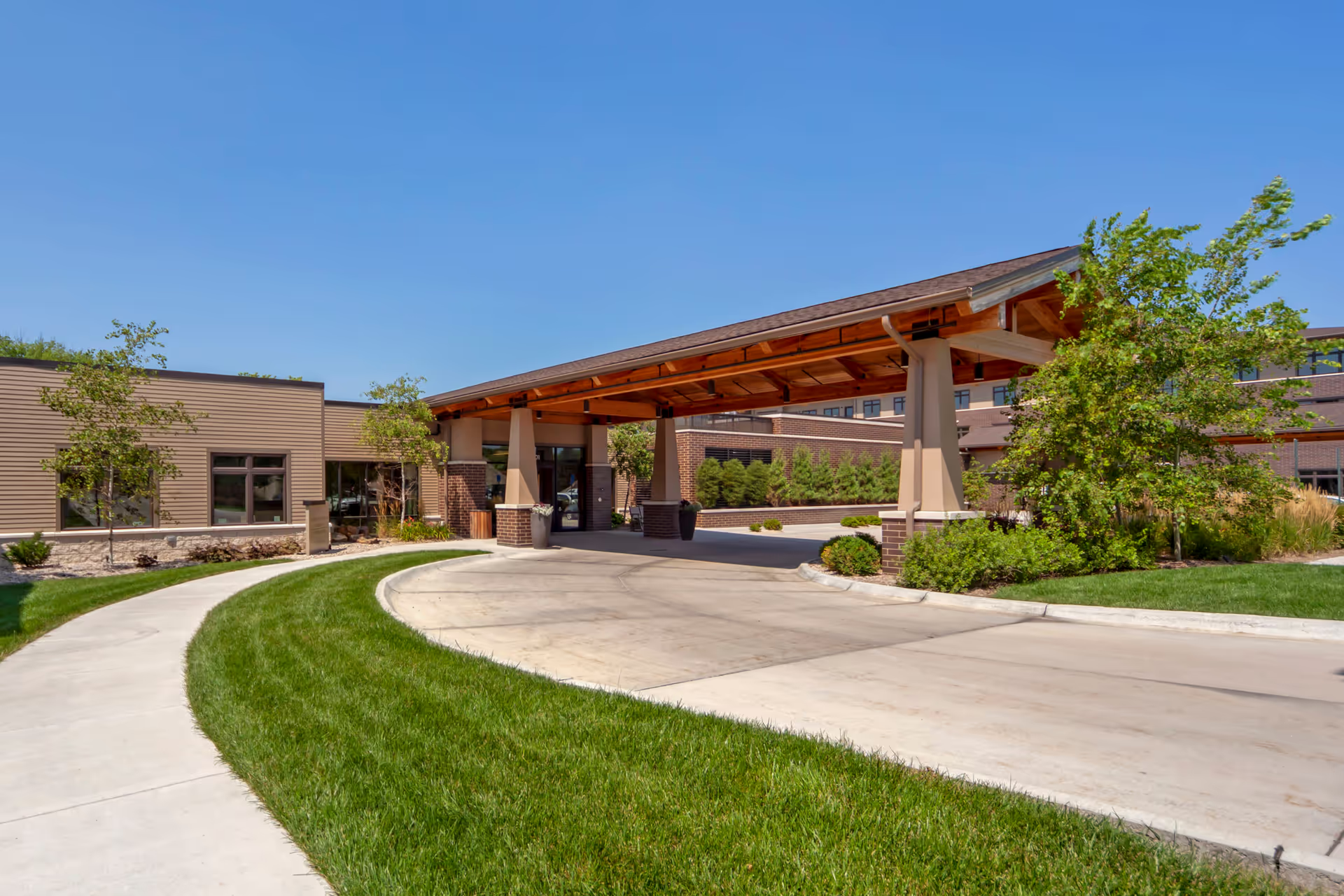
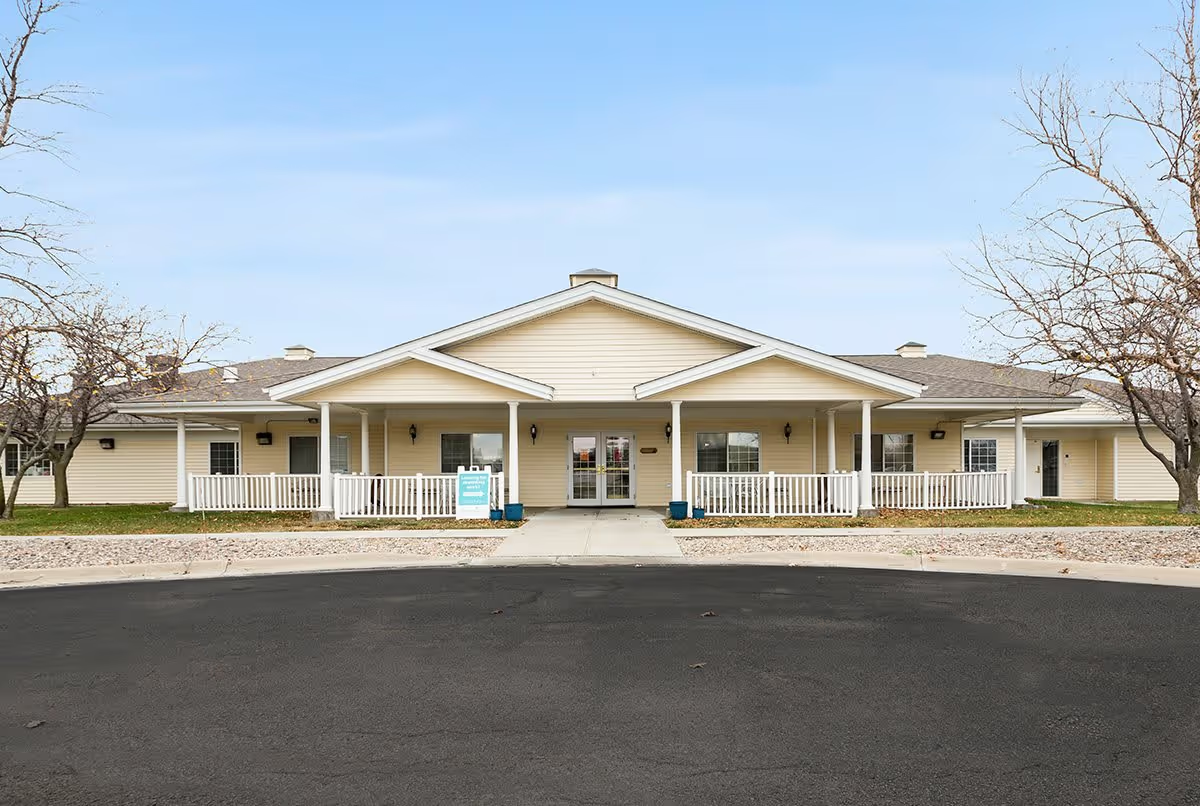
Facility condition and infection control are recurring themes. Positive notes reference areas that are clean and attractively decorated, and a functional therapy gym. At the same time, reviewers describe maintenance shortfalls such as stained carpeting, ceiling and ventilation issues, temperature control problems, occasional flooding, and pest-control concerns in at least one unit. These environmental issues are commonly paired with sanitation and odor concerns, which reviewers say affect perceptions of overall care quality.
Dining and activities present mixed feedback. Some families appreciate organized activities and staff engagement during events; others report inconsistent meal delivery, cold or over-seasoned food, and limited dining amenities. The facility does provide in-room entertainment and individualized activity options during isolation periods, which some families found helpful for resident morale.
Management, communication, and operations show variability. Several reviewers praise responsive administrators who resolved problems and improved care after ownership changes; others describe weak family communication, unreturned phone calls, billing pressure, and concerns about leadership stability and frequent ownership transitions. Reports of lost or mismanaged personal items and privacy violations indicate gaps in personal-property protocols and staff training. Cost is another concern for some families, who feel fees are high relative to perceived value when operational issues are present.
Overall, the pattern that emerges is one of strength in individualized caregiving and rehabilitation paired with uneven facility management and operational reliability. Prospective residents and families should weigh the facility's strong therapy capabilities and instances of compassionate care against recurring concerns about staffing levels, cleanliness and maintenance, communication, and dining consistency. When considering placement, ask specific, recent questions about staffing ratios, infection-control measures, maintenance plans, communication protocols, and how the facility addresses family complaints and clinical incidents. Scheduling a tour focused on the memory-care unit, dining service times, and the therapy gym will help assess whether the facility’s current operational practices meet your expectations.