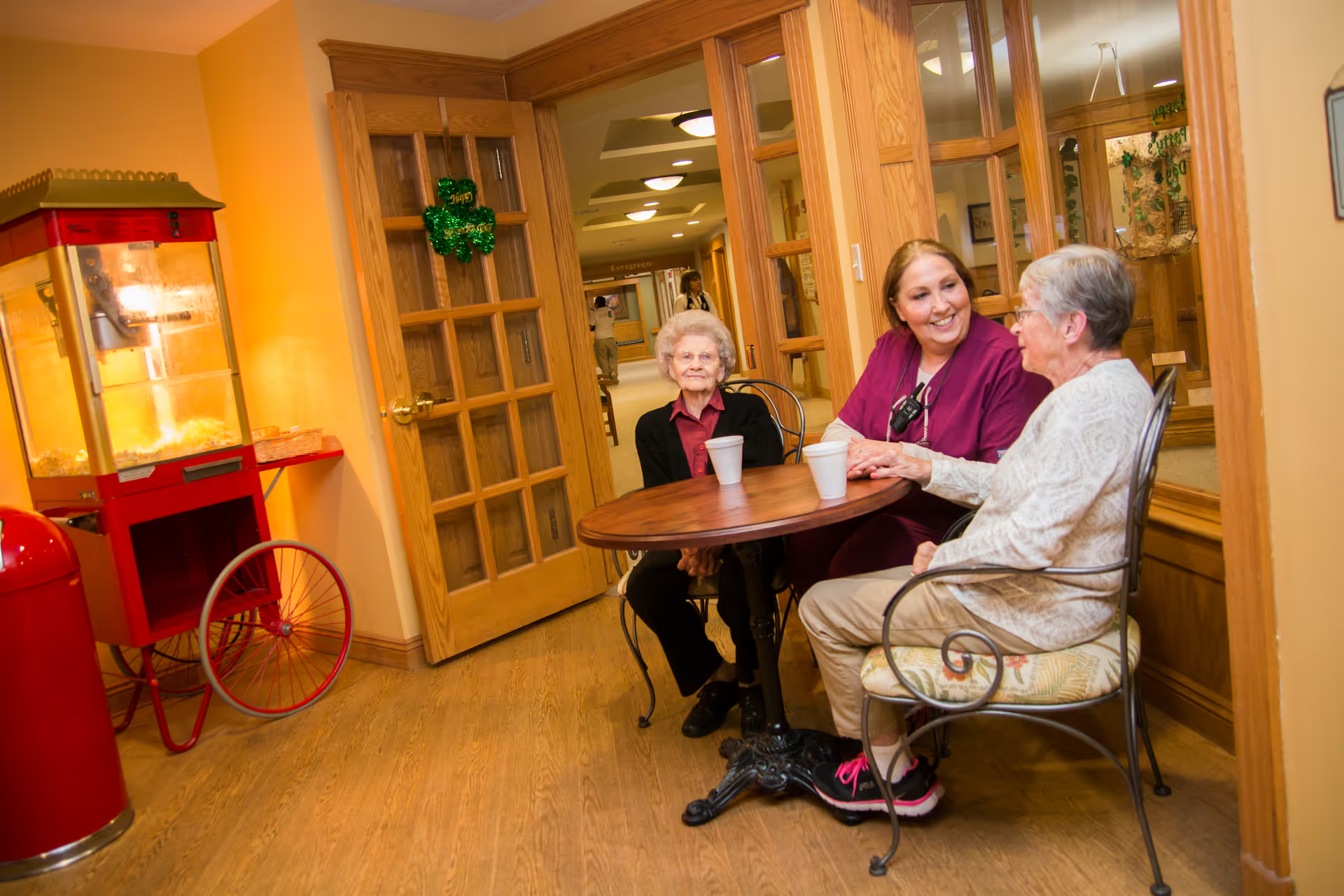
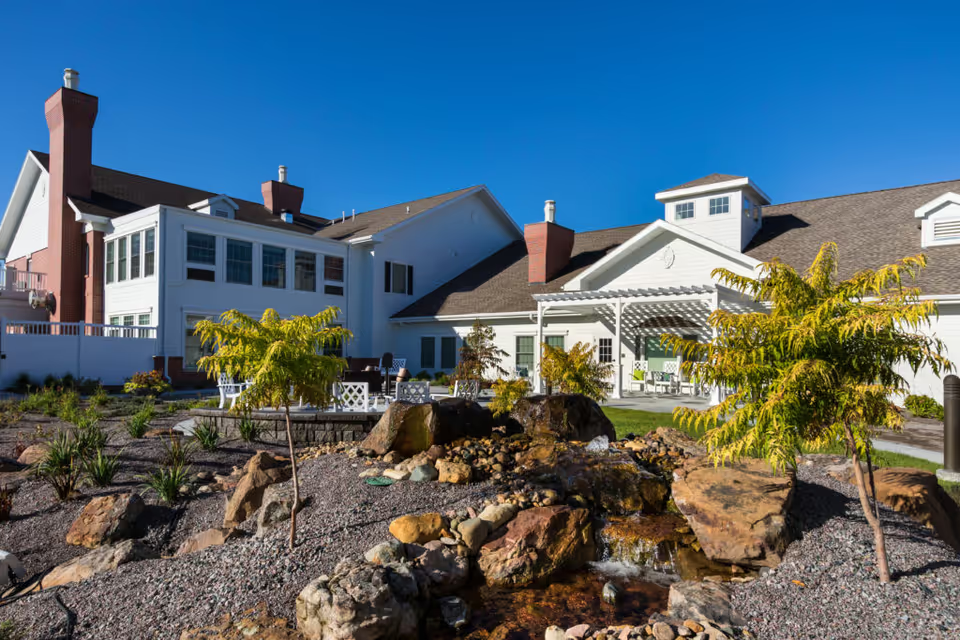
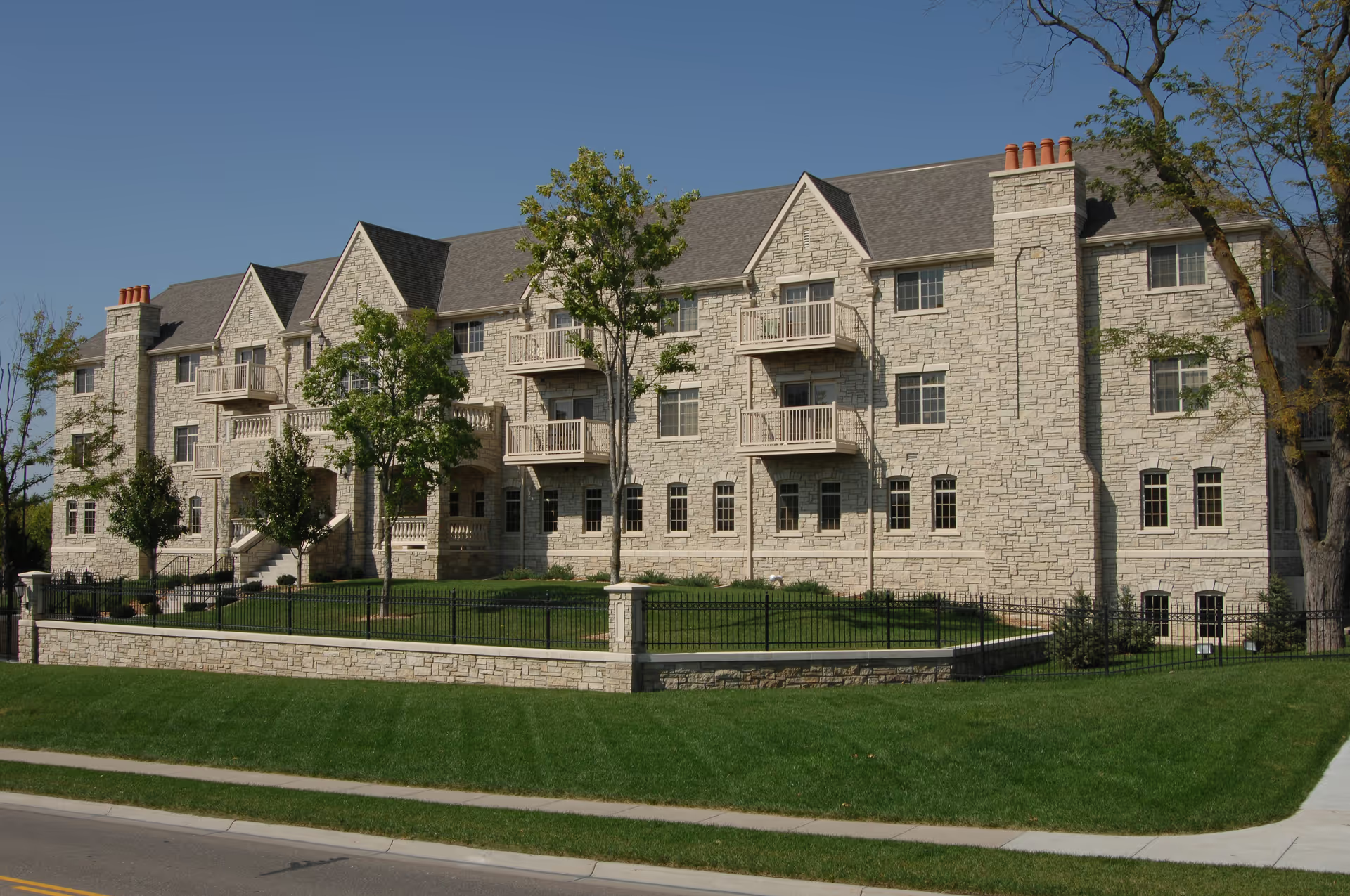
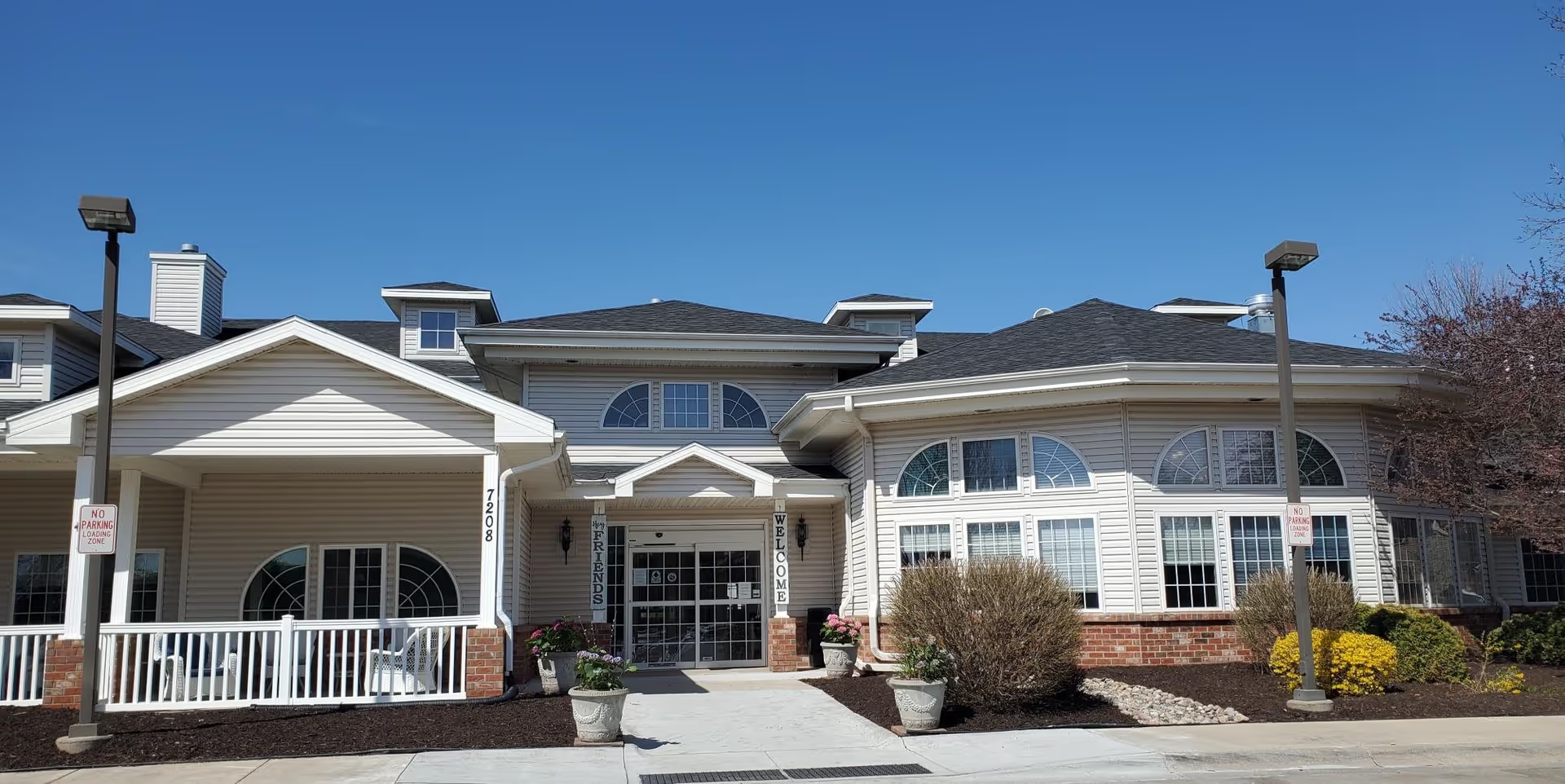
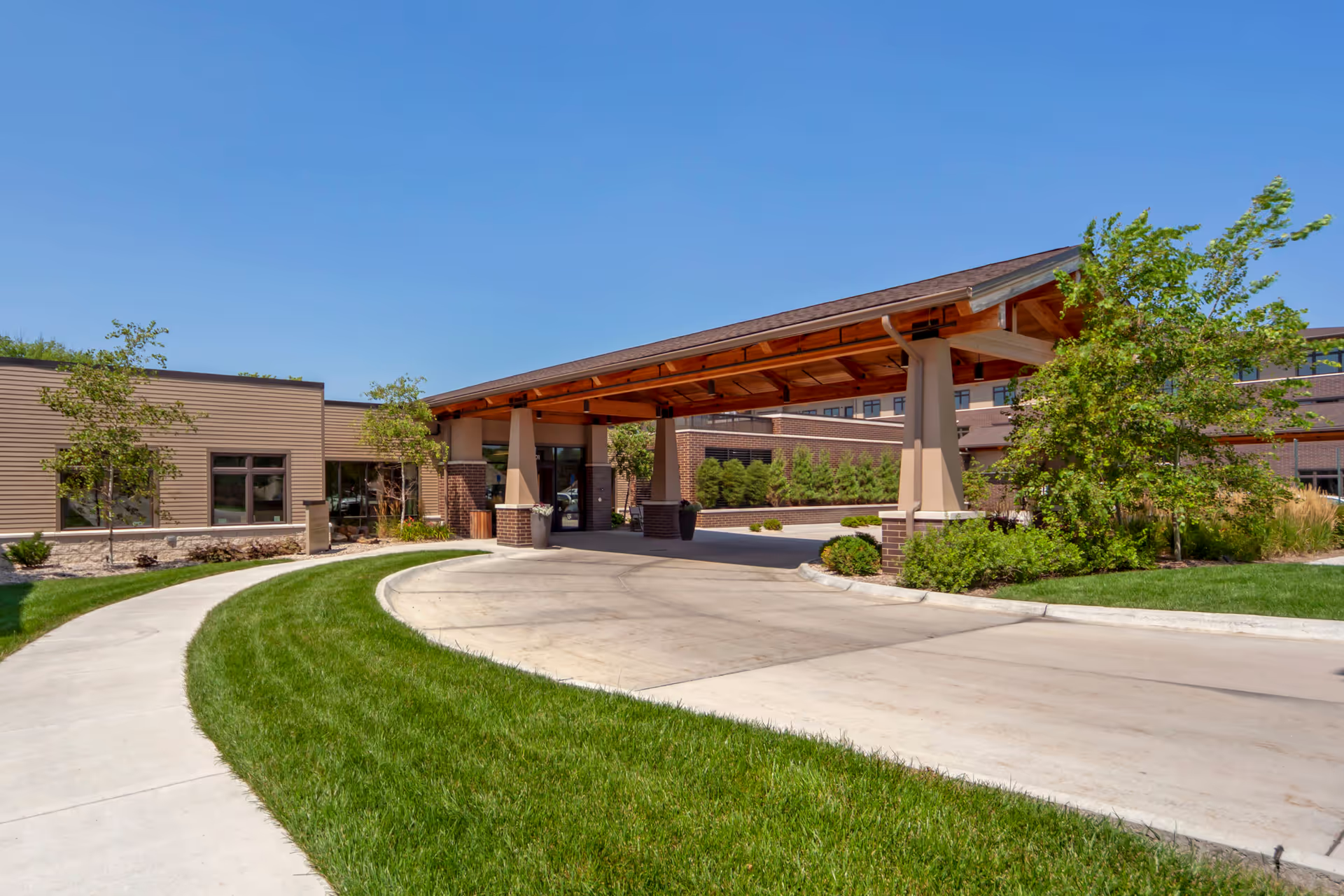
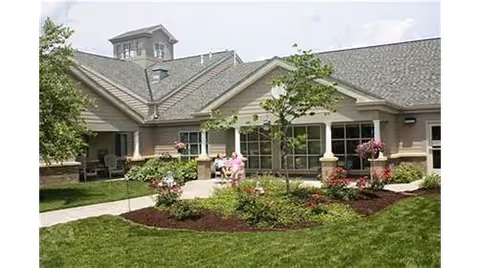
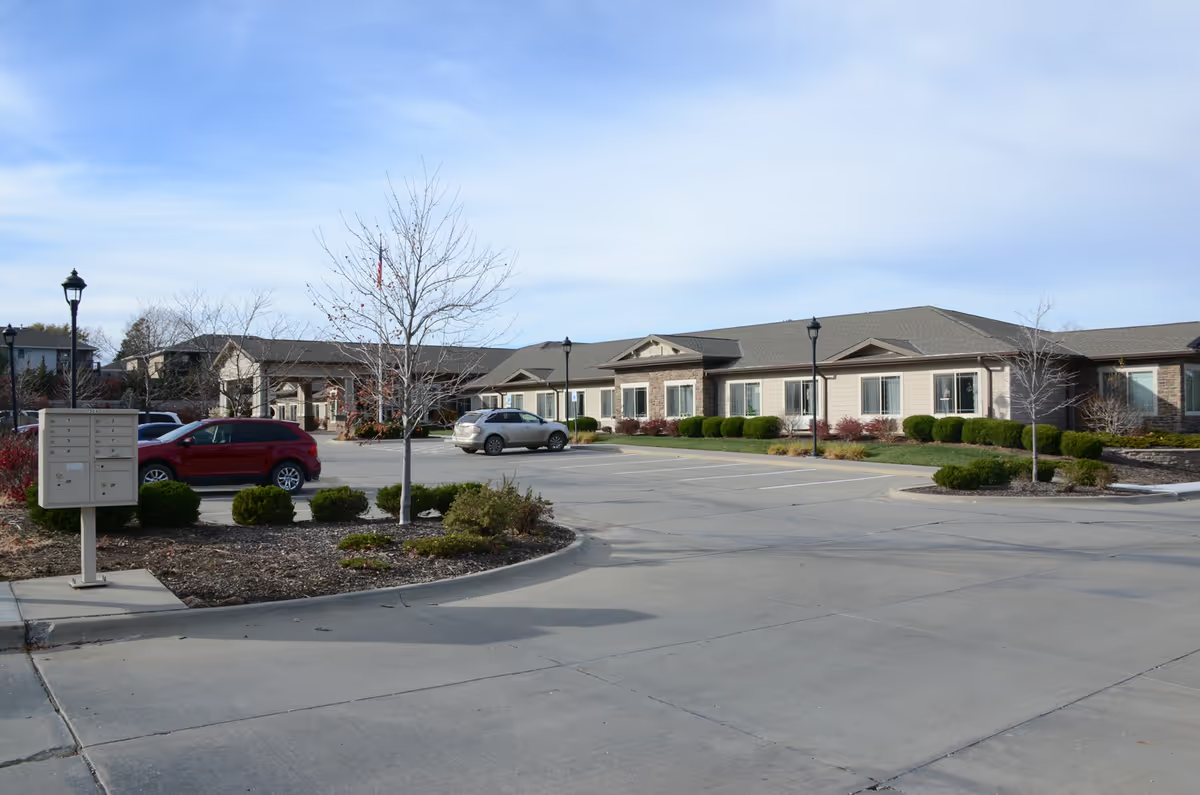
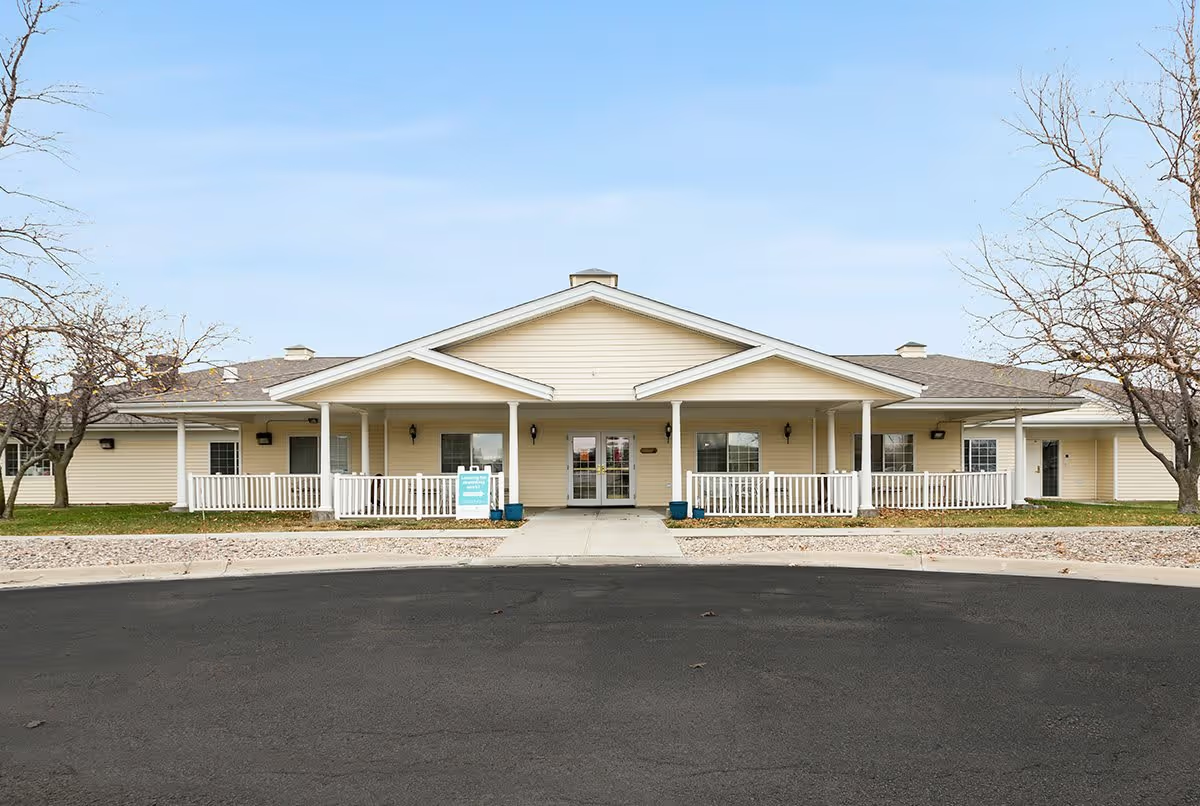
Fallbrook presents a clear split between environment/amenities and some operational care concerns. Many reviewers praise the physical plant: the building is described as brand-new, clean, and attractively furnished with well-kept grounds, large common areas, a bright dining room, a sizable kitchen that supports baking and demonstrations, and themed activity stations. Wayfinding features such as bright, color-coded doors and easy sightlines were highlighted. Families also note pleasant social programming, including daytime activities (cards, bingo, cooking demos), movie nights, regular outings and shopping trips, holiday events, and a visible activities director who facilitates engagement.
Care and staffing impressions are mixed. Positive comments emphasize attentive, relationship-focused caregivers who know residents by name, dementia-aware staff, and a safety-conscious approach to resident supervision. These strengths contribute to a supportive atmosphere for many residents, particularly in memory-care areas. However, multiple operational patterns were identified that could affect care consistency: reviewers describe high staff turnover, chronic understaffing, and caregiver workload strain. These staffing pressures are linked to concerns about inconsistent caregiver training, instances of hurried assistance with activities of daily living (ADLs), and delayed nursing assessments during clinical needs. Several families specifically raised concerns about licensed-nurse coverage and the timeliness of clinical evaluation.
Dining and activity programming show a blend of positives and limitations. Holiday meals, special events, and some dining experiences received favorable remarks, but there are recurring observations of inconsistent meal quality and limited culinary variety on routine days. Daytime activity options appear robust and varied, but evening programming is described as limited. Additionally, the community lacks on-site therapy facilities, which may matter for residents needing rehabilitation services.
Facility layout and management perceptions are additional considerations. The new facility and well-maintained common spaces are clear strengths, though long hallways and certain one-bedroom layouts were noted as challenging for residents with limited mobility. Pricing is described as relatively high compared with the mix of services offered. Management impressions are mixed: several families praise a welcoming, non–transactional culture and visible staff engagement, while others express concerns about managerial responsiveness, staff incentives, and clinical oversight. Prospective residents and families should weigh the facility’s strong physical environment, dementia-capable caregiving, and active daytime programming against recurring operational concerns around staffing, licensed-nursing availability, caregiver training, and meal consistency. A focused conversation with administration about current staffing levels, licensed-nurse coverage, ADL support practices, and evening activity plans is advisable before making a placement decision.