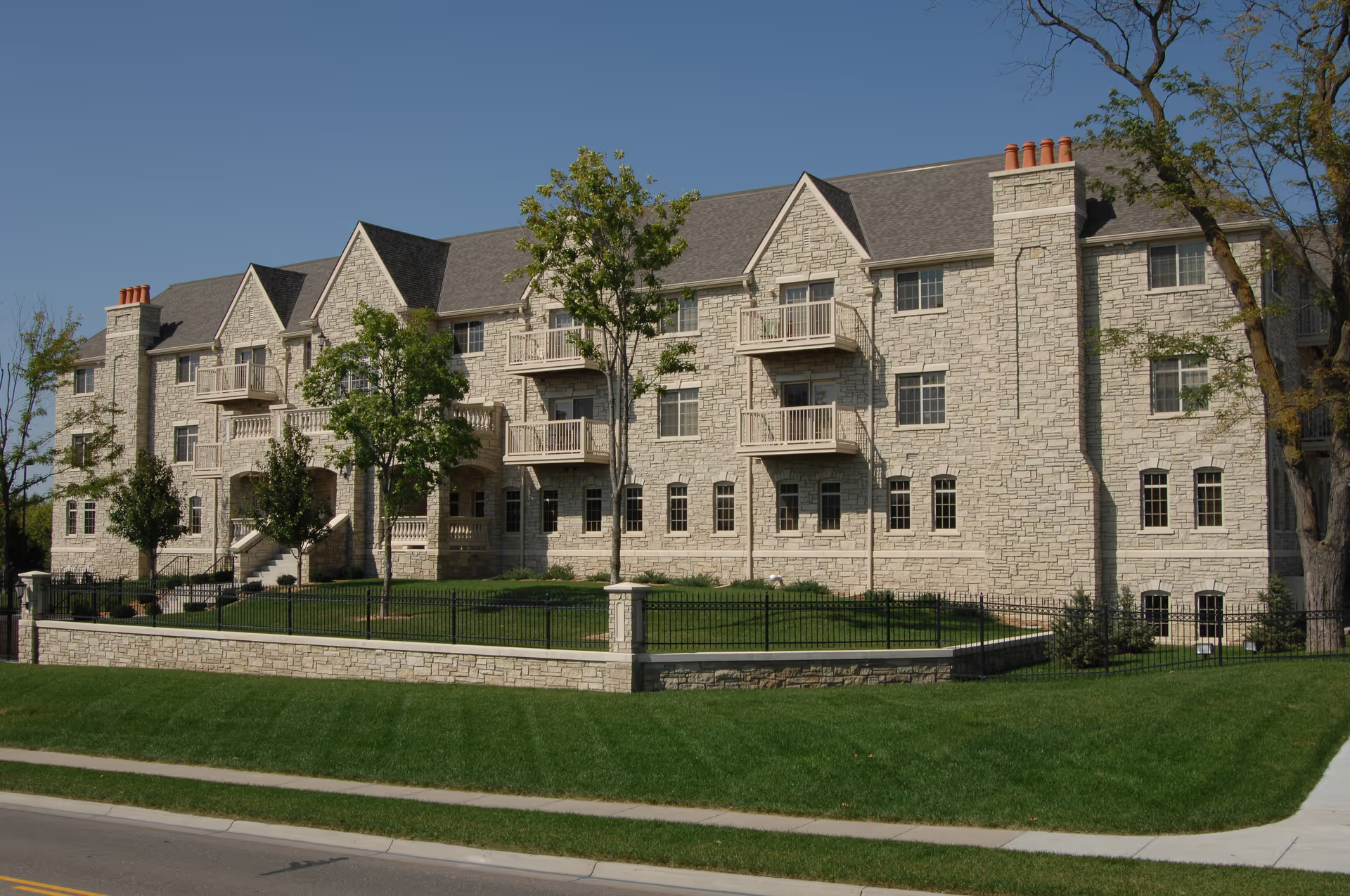
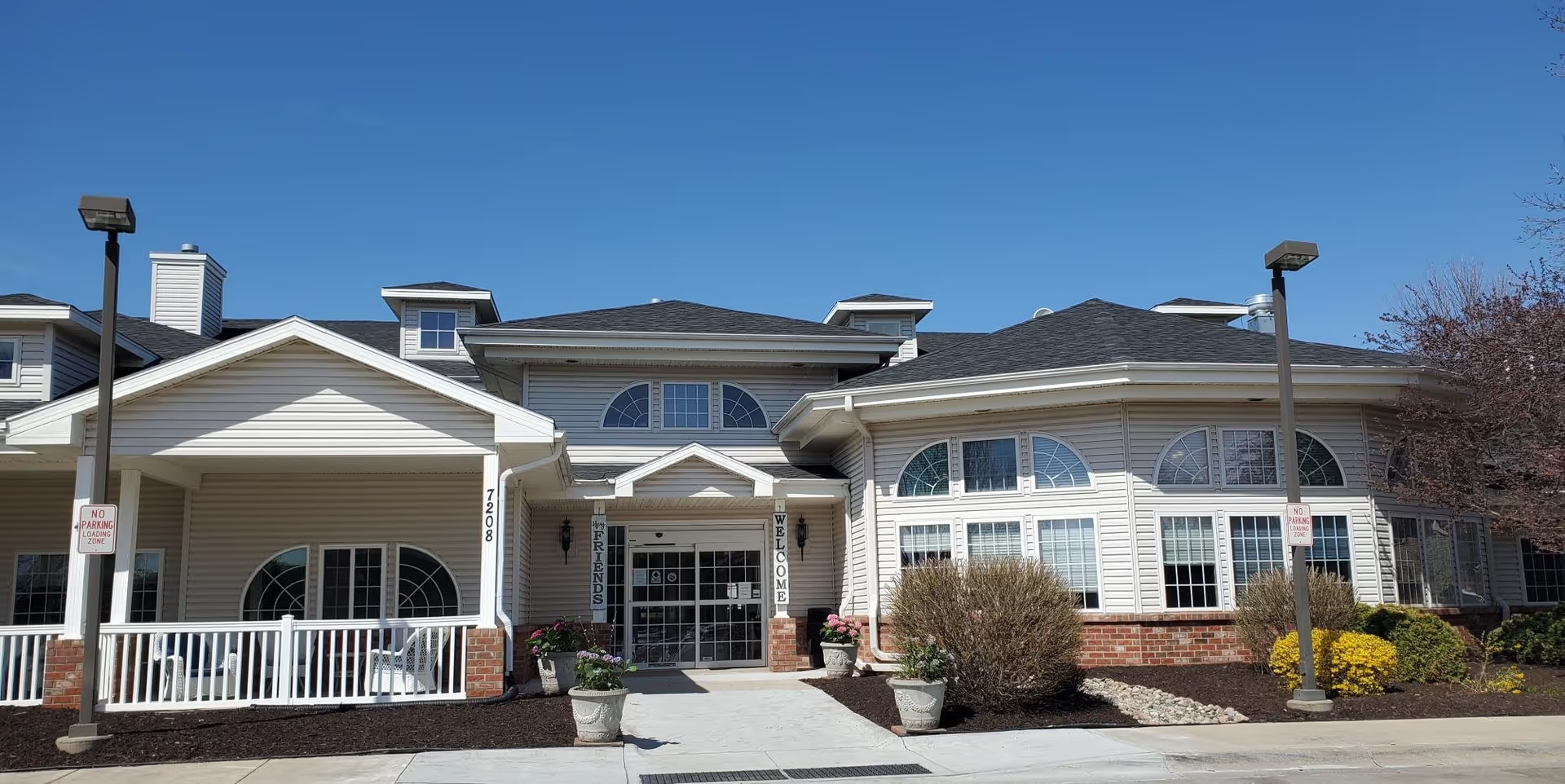
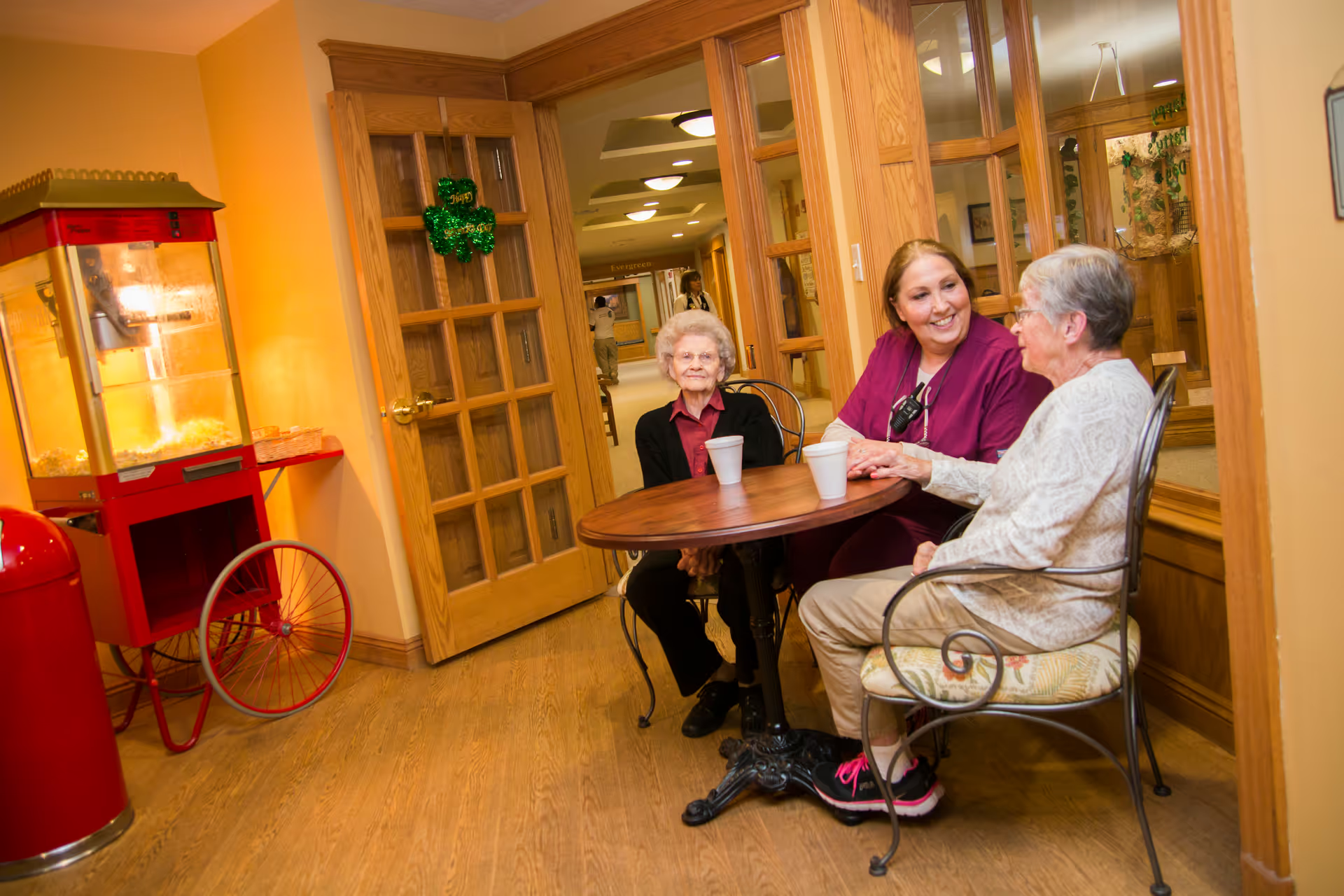
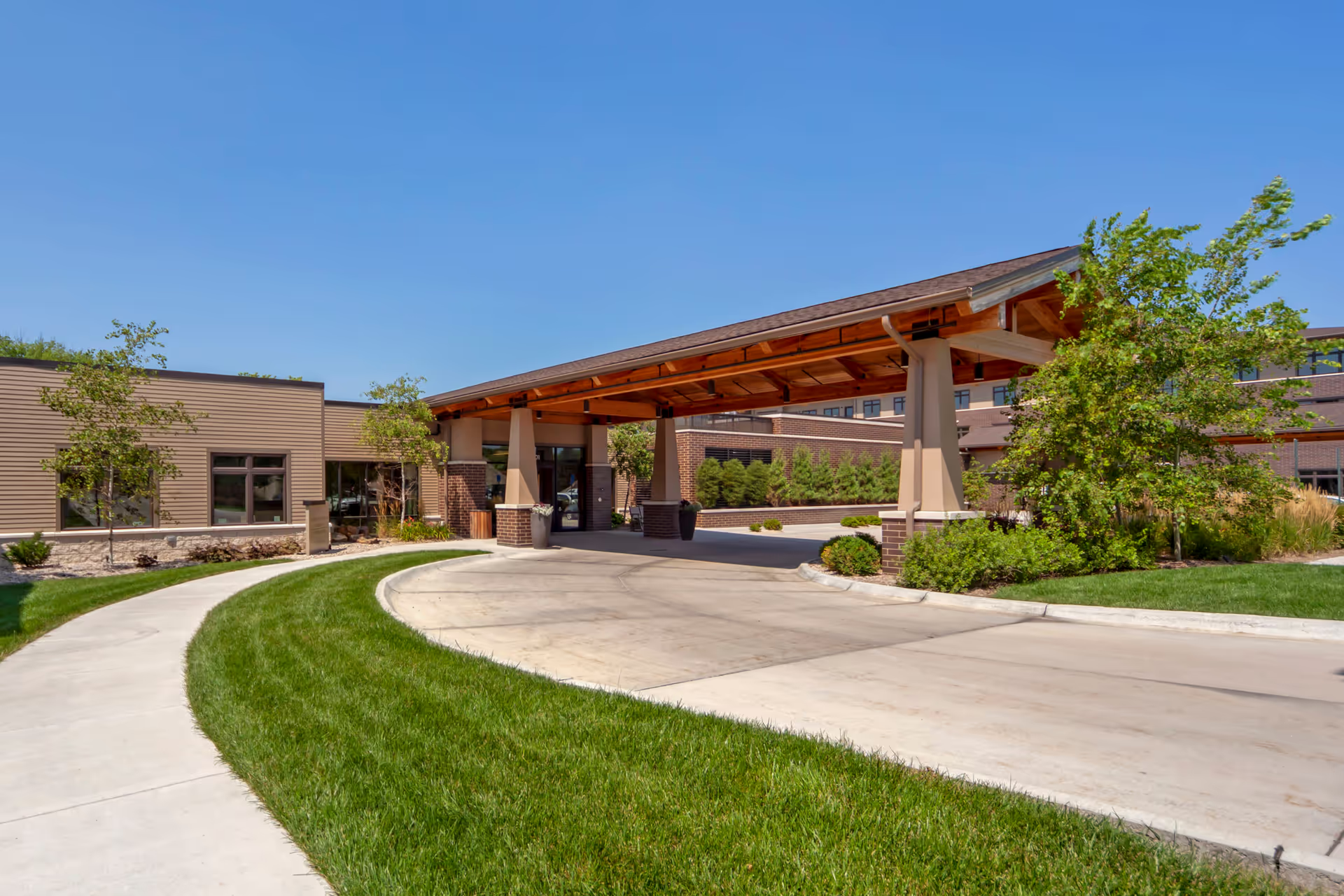
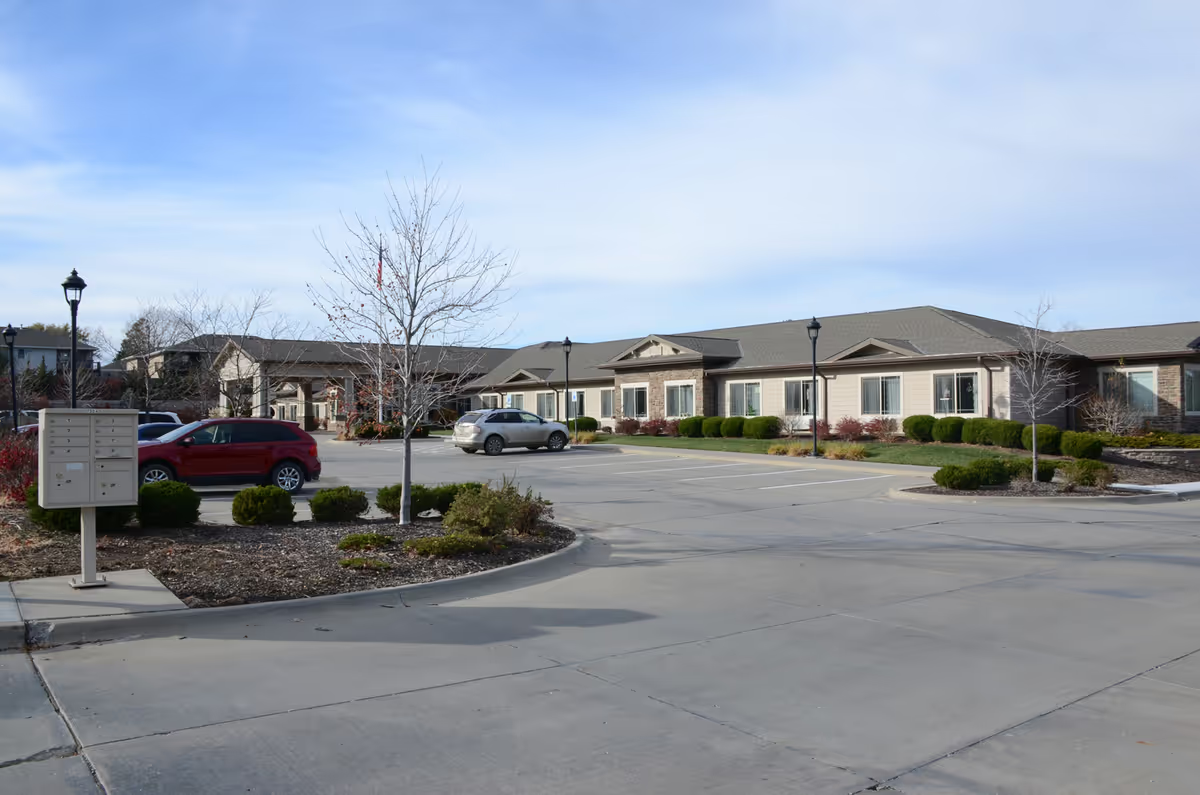
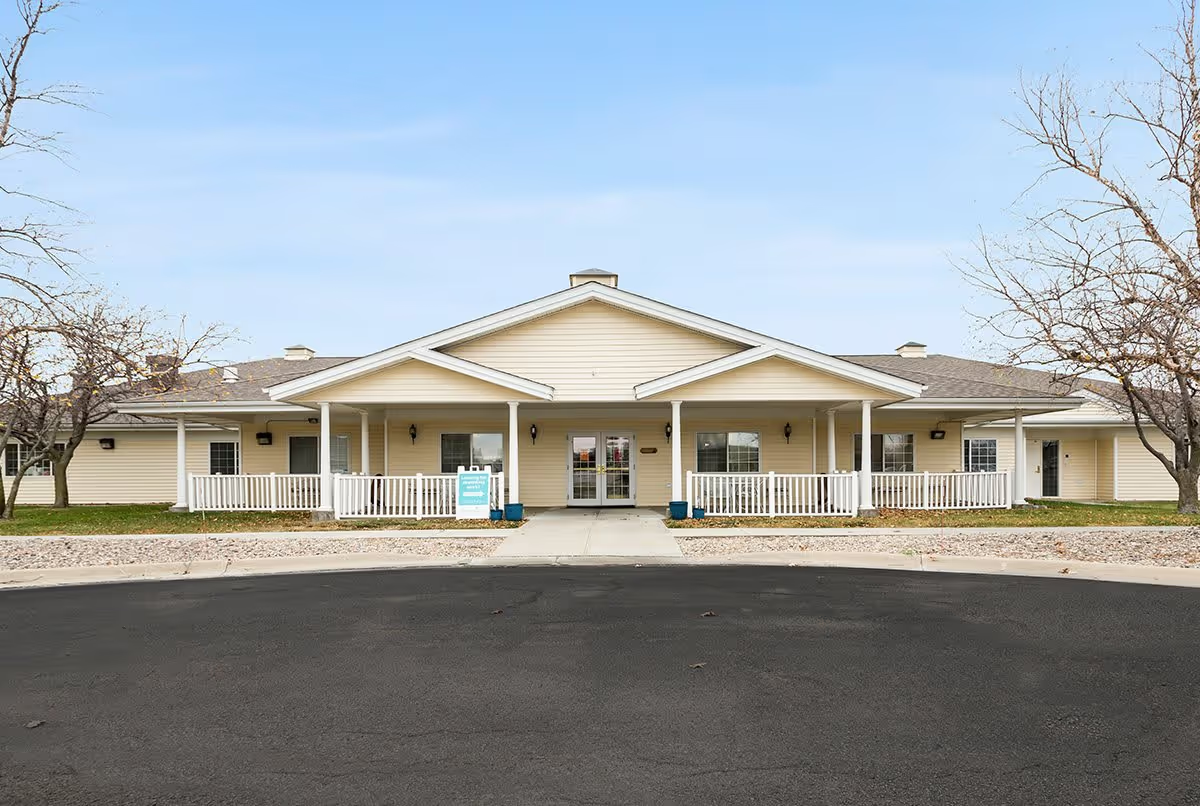
Reviews for GracePointe Assisted Living & Memory Care Suites are strongly mixed, with distinct clusters of positive and negative experiences. Many accounts emphasize high points: staff who are described as compassionate, patient and attentive; strong infection‑control practices during COVID; well‑appointed rooms (bright one‑bedrooms, kitchenettes, large accessible bathrooms); and on‑site amenities such as a library, shop and memory‑care sunroom. Dining is frequently praised for customization, appropriate portions and appealing presentation, and the facility’s interior and seasonal décor contribute to a home‑like atmosphere.
Care quality and staffing are areas of divergence. Positive comments highlight efficient caregiving, safe daily support, and meaningful resident–staff relationships. Conversely, a significant subset of accounts raises operational concerns: delays in nursing follow‑up, perceived gaps in how clinical issues are addressed, and uneven responsiveness when residents are unwell. Together these indicate variability in clinical responsiveness and follow‑up processes that prospective families should assess during a tour.
Communication and management practices are another recurring theme. Several reviewers describe direct, empathetic interactions with frontline staff, while others cite abrupt or limited communication from administrative personnel and difficulty obtaining timely updates. Related operational weaknesses include inconsistent incident documentation and a perceived lack of accountability in how events are recorded and escalated. Staffing pressures are also mentioned, with reviewers characterizing the workforce as short‑staffed or overextended — a factor that can affect everything from care responsiveness to activity delivery and housekeeping.
Activities and dining: the community offers devotional programming, music participation, and other activities, and many residents are reported to be involved in daily programming. However, reviewers also describe reduced or uneven activity schedules (notably during infection‑control periods) and some instances where activities lacked energy or were poorly led. Dining is generally a strength in terms of customization and presentation, but a few reviewers noted inconsistencies between the advertised menu and the meals served, suggesting variability in kitchen execution.
Facilities and maintenance: the physical plant receives praise for room size, accessibility features, secure access, and pleasant common areas. At the same time, some reviews point to maintenance and housekeeping inconsistencies — equipment repairs and laundry/maintenance responsiveness were mentioned as operational gaps. A few reviewers found the floor plan and multiple doorways confusing, which may matter for residents with mobility or cognitive needs.
Cost and visitation: pricing is viewed as higher than average for larger units, and affordability for more spacious accommodations is a concern. During infection‑control events, visitation was reported as restrictive (window visits, limited in‑person contact), which some families found difficult; prospective residents should ask about current visitation policies and flexibility.
Bottom line: GracePointe appears to offer a well‑maintained, amenity‑rich environment with many staff who provide compassionate, individualized care and appealing dining options. However, mixed accounts of clinical responsiveness, communication from administration, staffing levels, and maintenance consistency suggest that families should perform focused due diligence: review nursing‑staffing ratios and clinical escalation protocols, inspect maintenance responsiveness, request sample activity calendars, and clarify current visitation and infection‑control policies before making a placement decision.