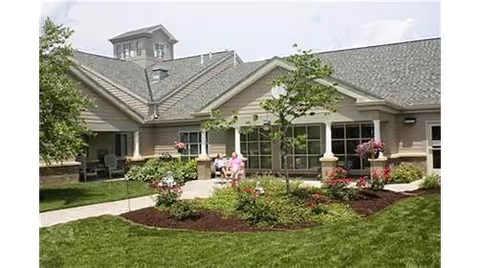
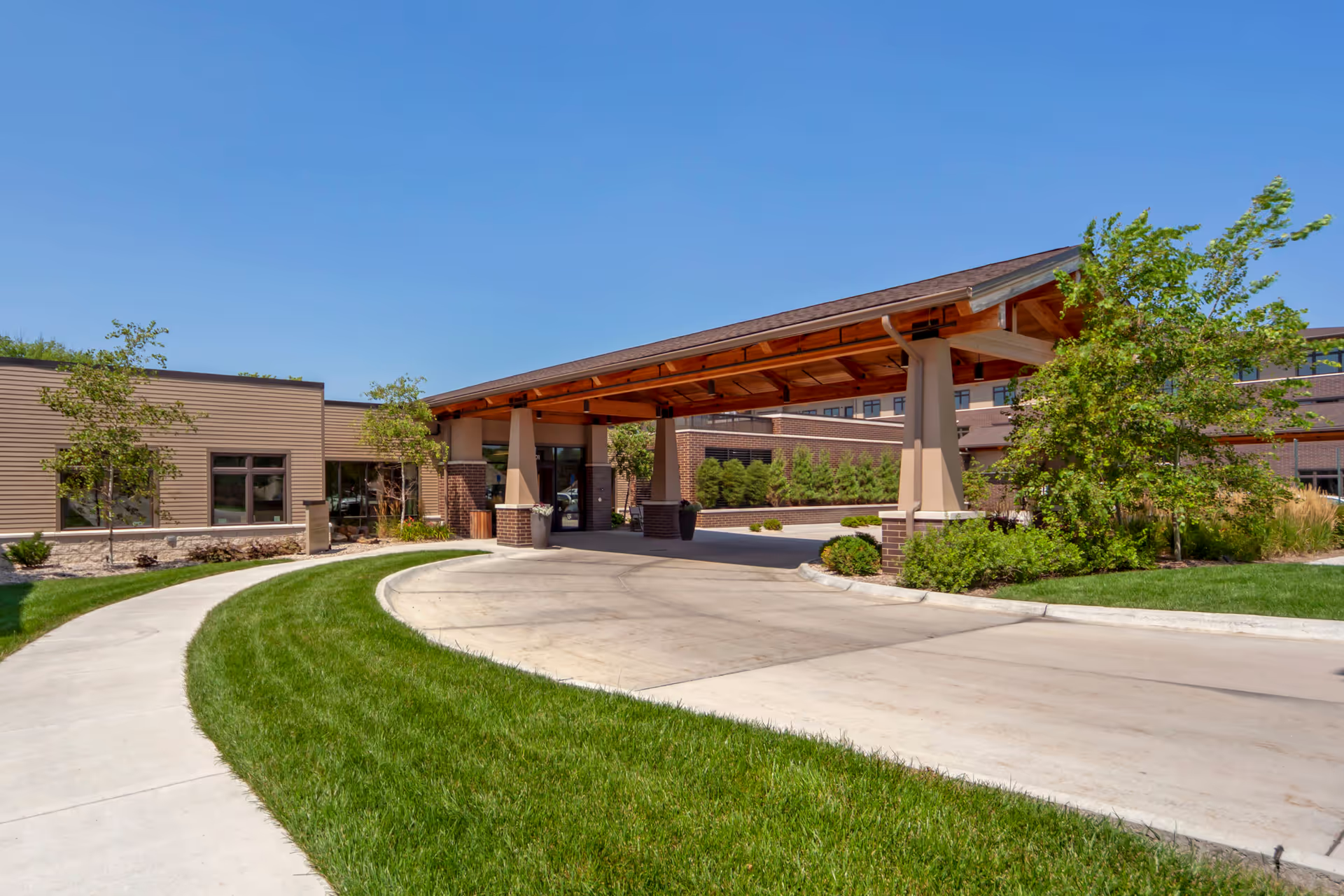
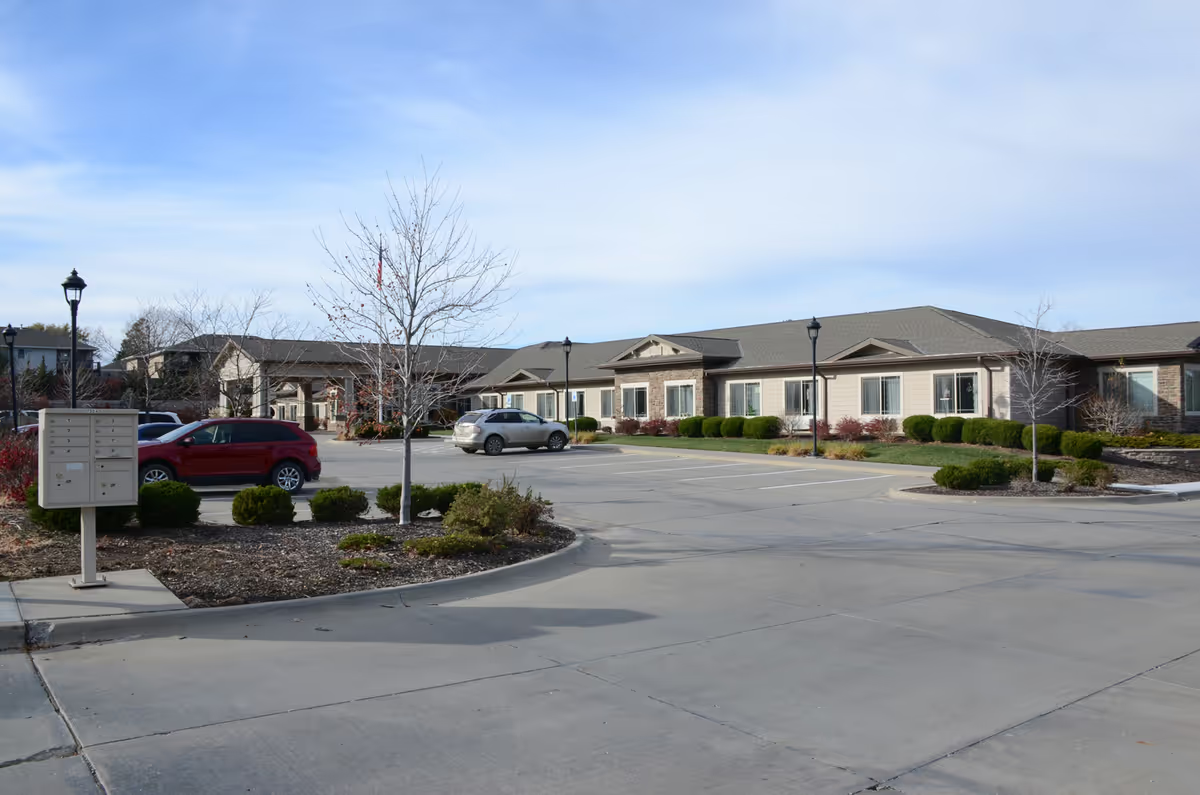
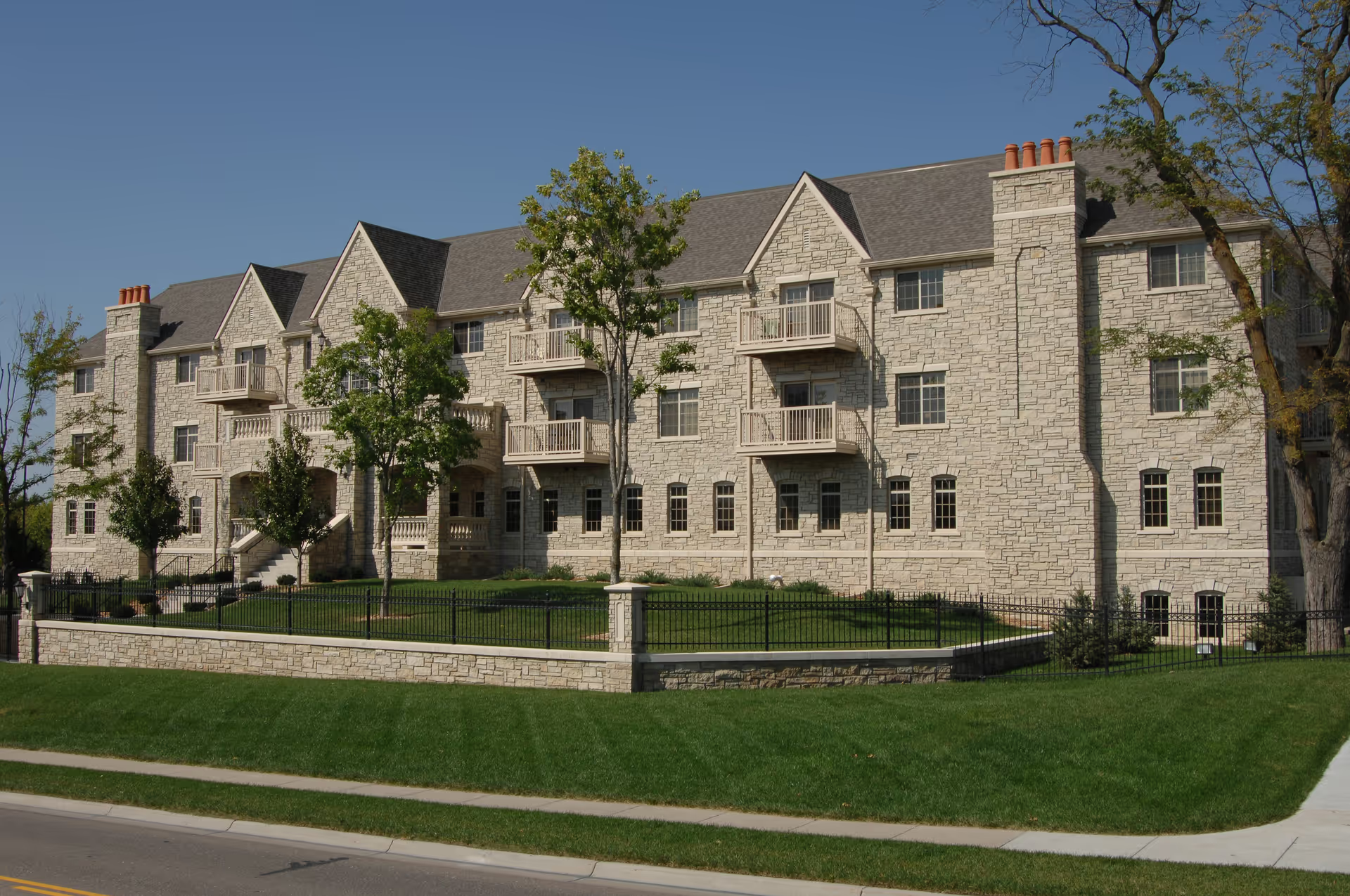
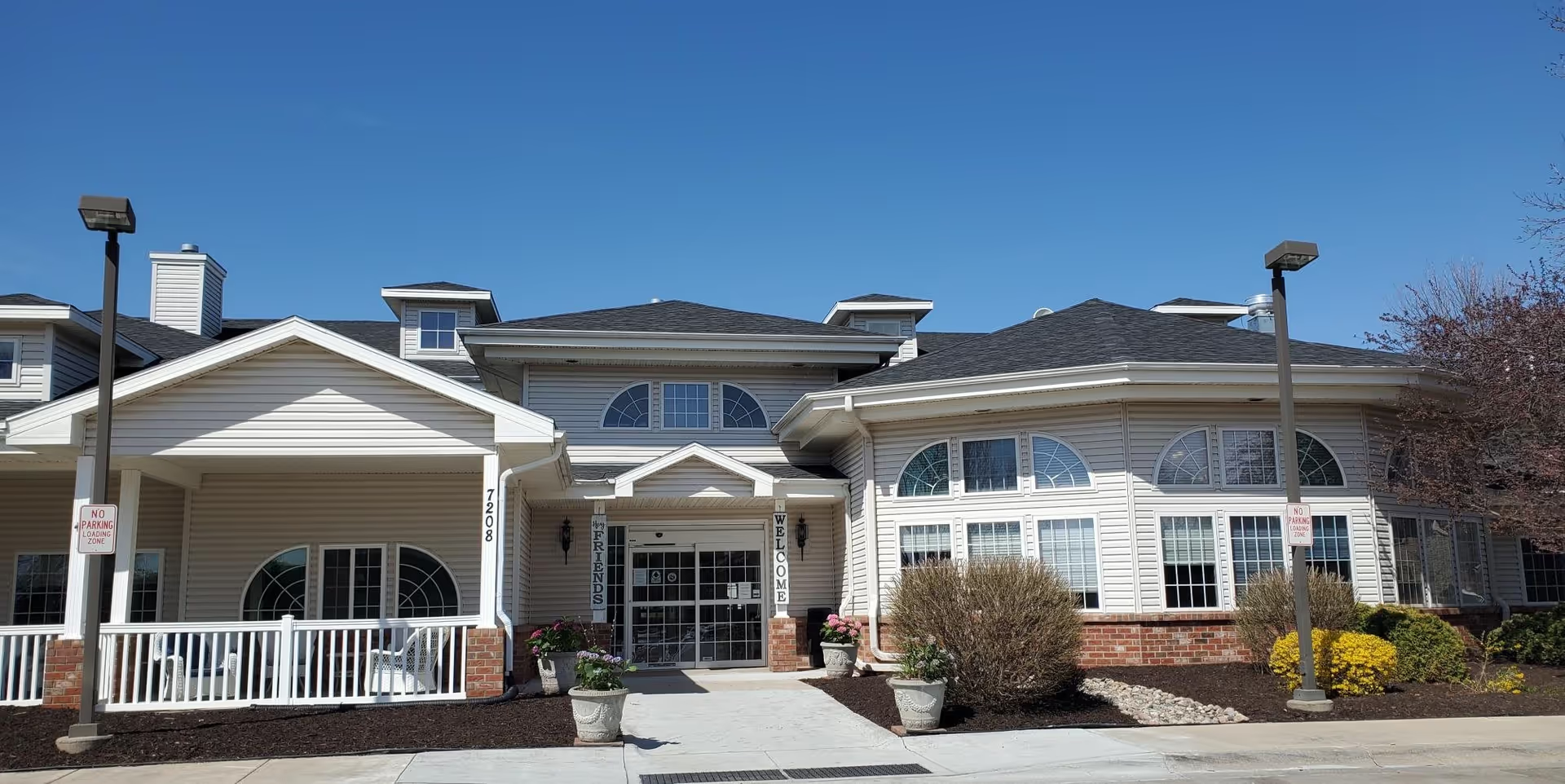
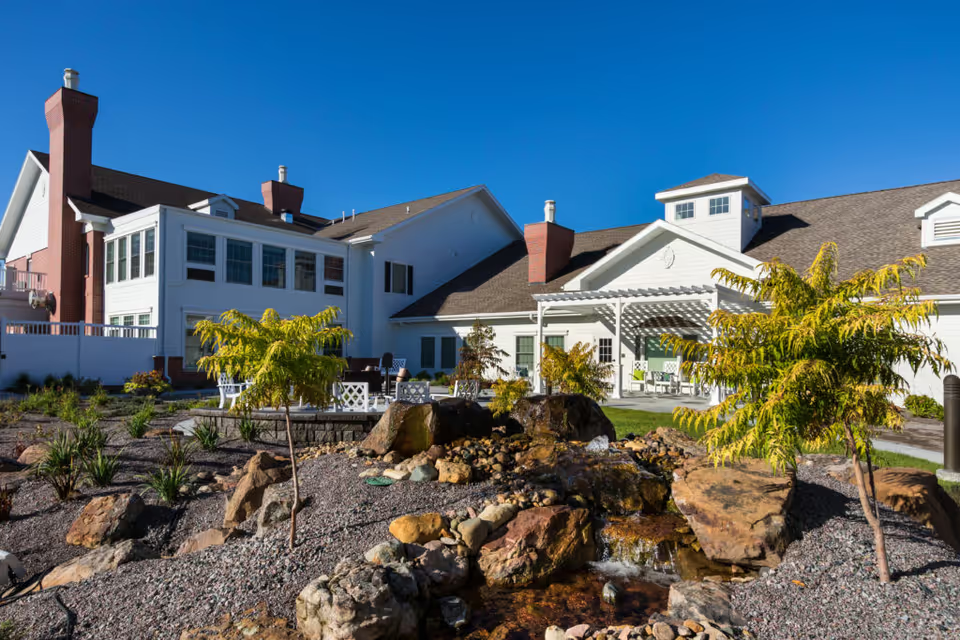
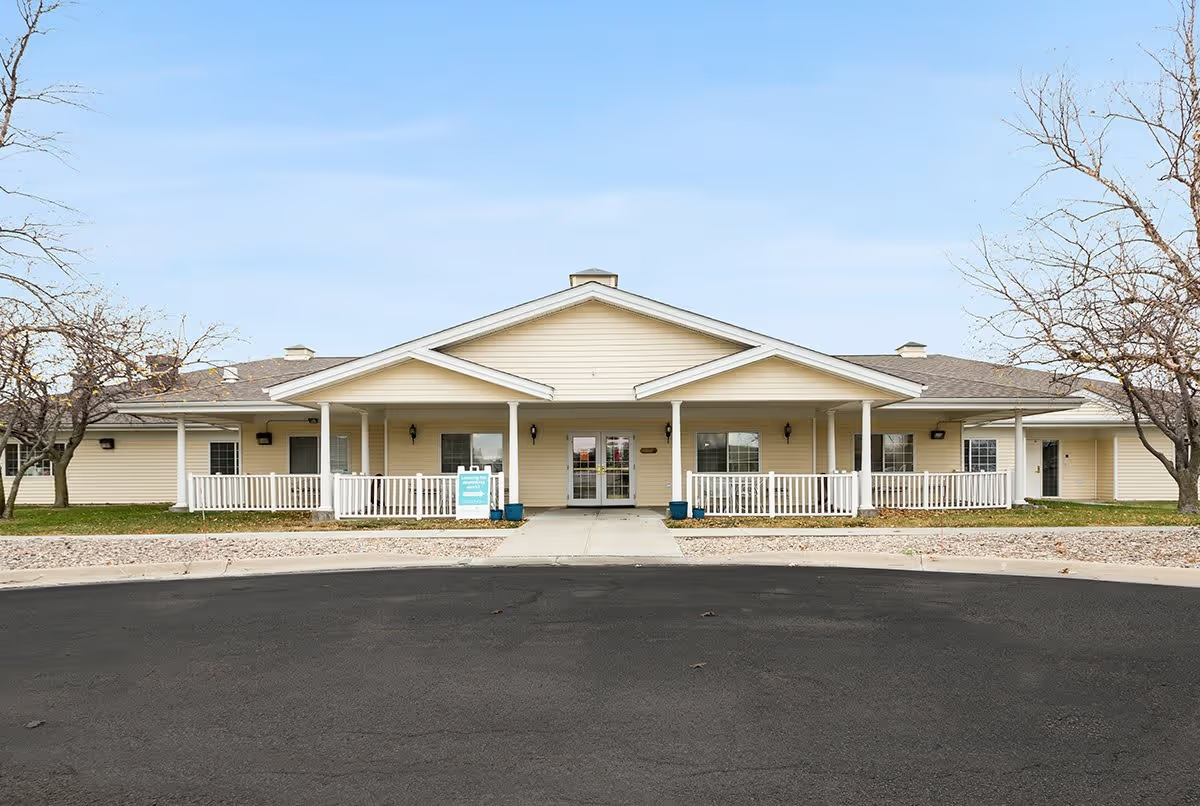
Immanuel: the Landing presents a mixture of strong physical assets and uneven frontline care execution. On the positive side, the campus is well-appointed: multiple fitness options, a warm lap-capable pool, spa and salon services, a wood shop, computer classes and a broad calendar of activities. Apartments are described as spacious and modern, public areas have been renovated, and on-site conveniences such as a parking garage and a bank are valued by families. Dining is frequently described as restaurant-style with generally well-regarded meals and organized social dining events.
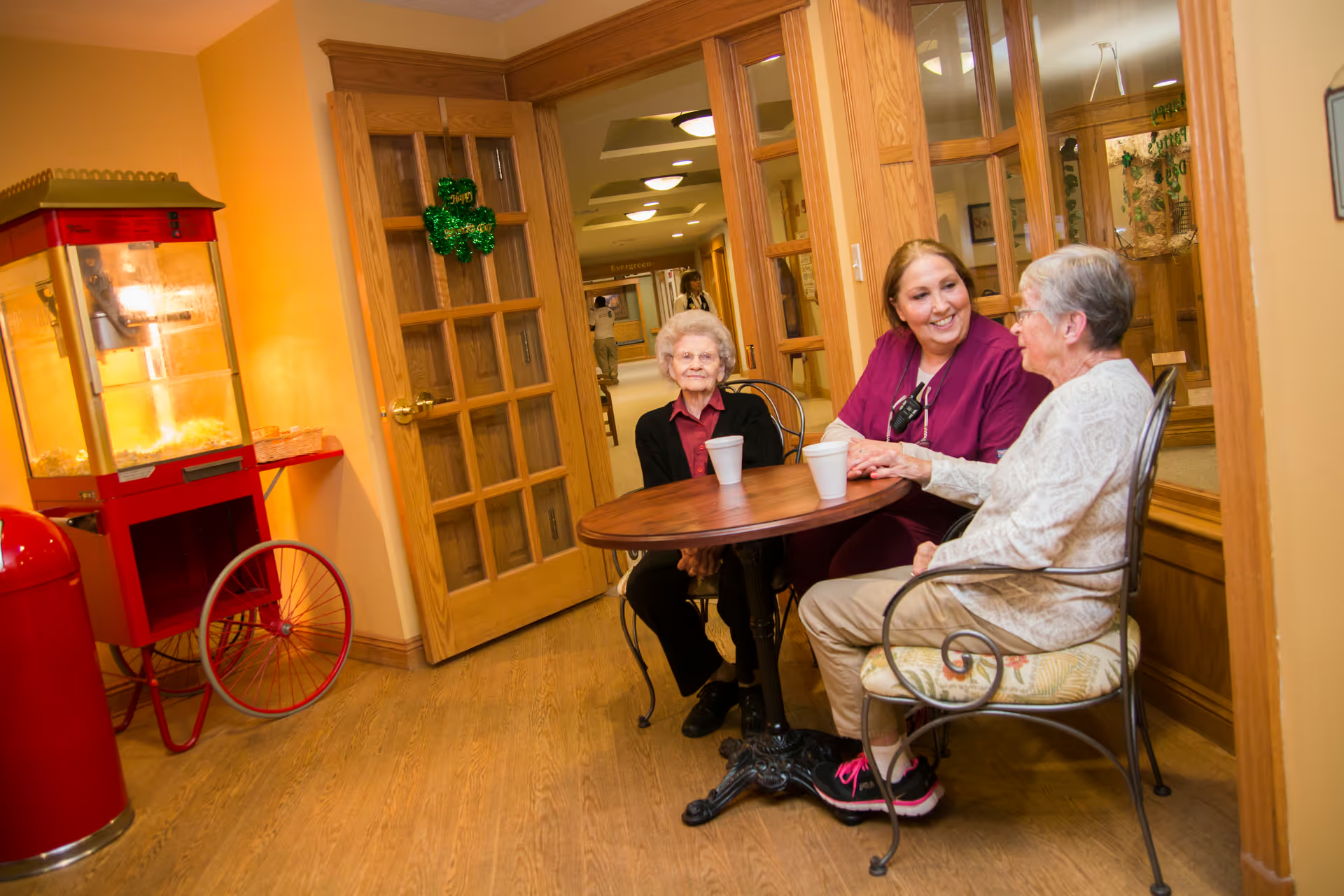
Clinical and rehabilitative services receive notable praise. Reviewers highlighted effective physical therapy with concrete outcomes — reduced pain, improved mobility and restored function including for residents with amputations. Individual therapy staff received specific positive mention for skill and engagement. Many front-line employees are described as pleasant, welcoming and willing to go above and beyond, contributing to a friendly, neighborly atmosphere that some families found very supportive.
At the same time, there are recurring operational concerns that prospective residents and families should evaluate. The most consistent theme is variability in daily care and responsiveness: reviewers reported inconsistent response times to requests for assistance, delays in medication administration, and uneven personal-care routines. Communication tone and staff engagement are likewise mixed — while some staff are praised, others were perceived as short or indifferent. These patterns point to inconsistent staffing distribution or training rather than a problem with the physical plant.
Activity programming presents a similar dichotomy. The facility offers many classes and events, but some reviewers described limited staff engagement during activities and residents who appear disengaged or isolated despite the offerings. Families should observe activity sessions and ask how participation is encouraged and supported for residents with varying needs.
Management and administrative follow-through are another area to probe. Several comments suggest an emphasis on presentation and amenities, with less consistent follow-through on care coordination and operational issues. Practical items such as wayfinding, entry-point coverage and routine cleaning beyond surface presentation were noted as areas needing improvement. Cost structure is also a frequent consideration; the community has a high buy-in and ongoing cost profile, which should be weighed against the level of clinical and day-to-day care consistency promised.
Recommendation: visitors should tour during mealtimes and activity periods, ask for details on medication-administration protocols, staffing ratios, staff training and turnover, and observe entry-point and wayfinding supports. Also request recent rehabilitative outcomes and speak with therapy staff if rehabilitation is a priority. The facility offers strong amenities and successful therapy for many residents, but families should confirm that operational practices and staff responsiveness meet their expectations before committing.