Overall impression: Reviewers present a mixed but largely positive picture of Old Cheney Rehabilitation. Strengths repeatedly cited include a compassionate caregiving culture, a highly regarded therapy program, and a clean, modern facility that is designed for rehabilitation. At the same time, reviewers describe operational inconsistencies that prospective families should investigate further before placement.
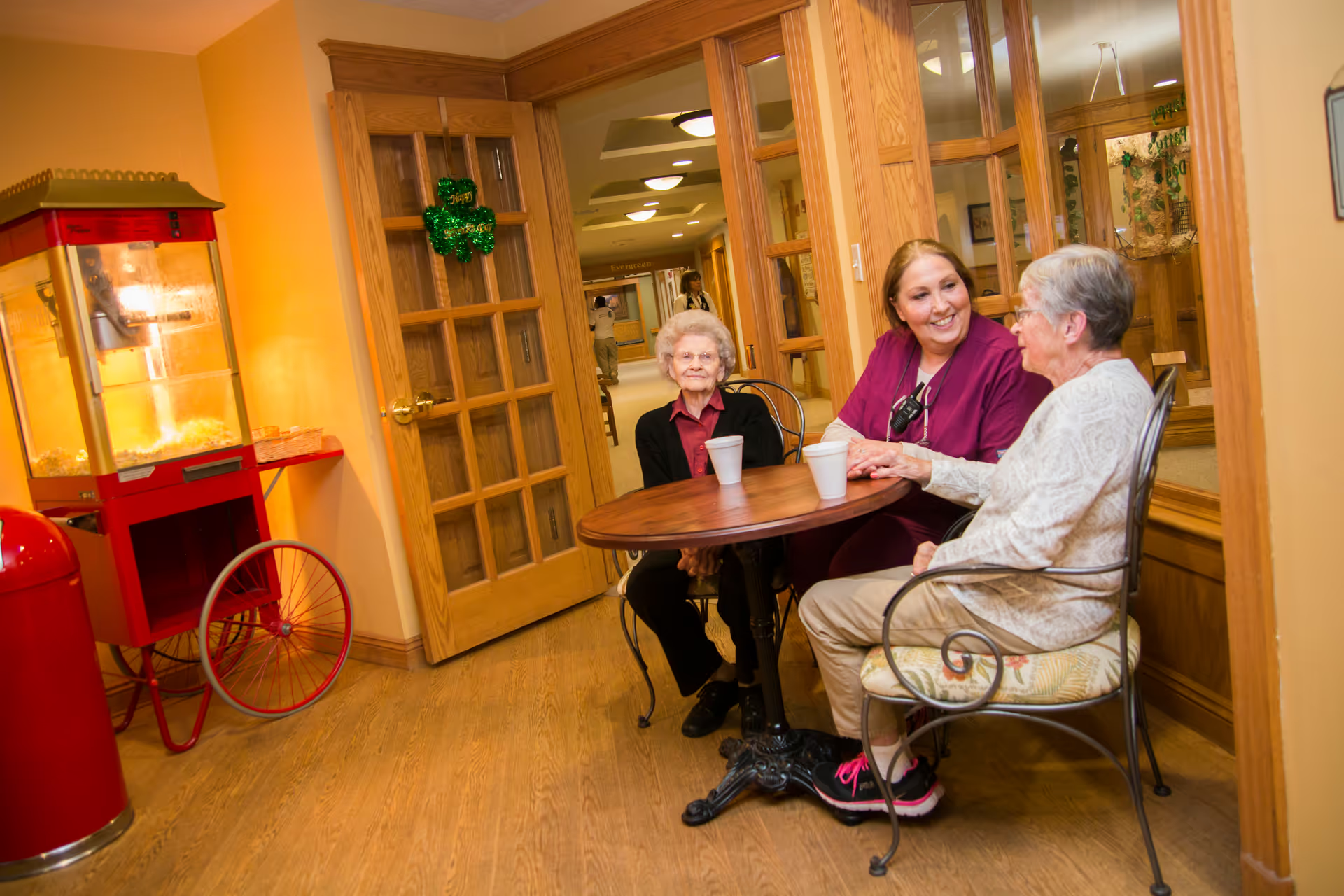
Care and staff: Many families praised nursing, aides, therapists, and support staff for being caring, encouraging, and attentive; clinicians in the therapy department receive frequent commendation for producing measurable recovery outcomes. Staff–resident interactions are frequently described as warm and family-like. However, several accounts point to delays in responsiveness to calls for assistance, inconsistent nighttime coverage, and occasional lapses in following care plans or reviewing charts. There are also specific concerns about assistance with personal-care tasks and catheter management in isolated cases that suggest variability in daily-care execution. One reviewer escalated concerns externally, and there are mentions of a serious clinical decline in an individual case; these should be viewed as isolated reports but warrant direct discussion with the facility about clinical-incident protocols and safeguards.
Dining and therapy: The rehabilitation and therapy services (physical, occupational, and speech therapy) are clear strengths and appear central to the facility's mission. Dining impressions are mixed: reviewers note a pleasant dining environment and the ability to customize meals, but also describe uneven food quality and service interruptions (including bland or unappealing weekend meals and occasional missed or poorly presented trays). Prospective residents should ask about current meal-service practices, weekend menus, and accommodations for dietary needs.
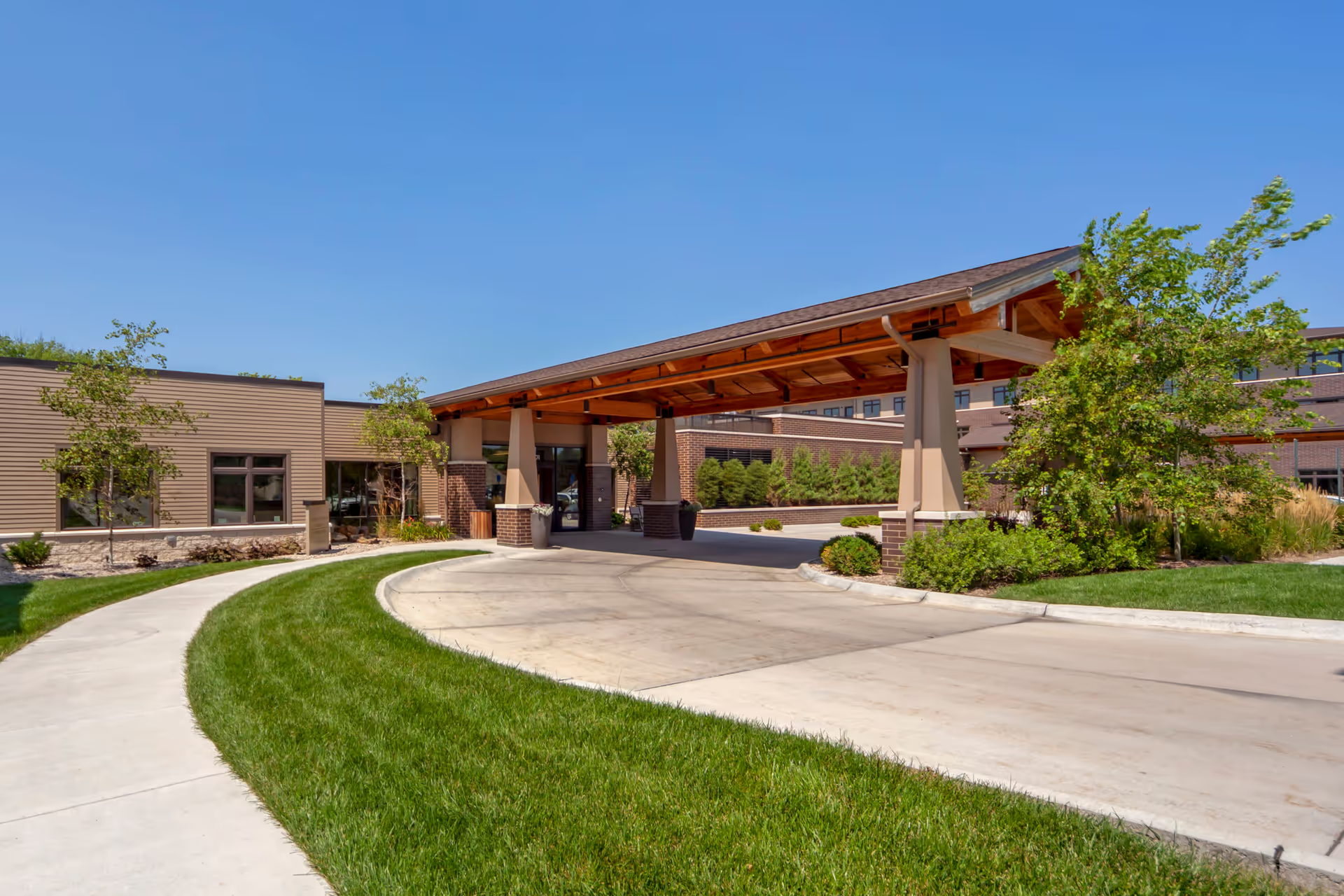
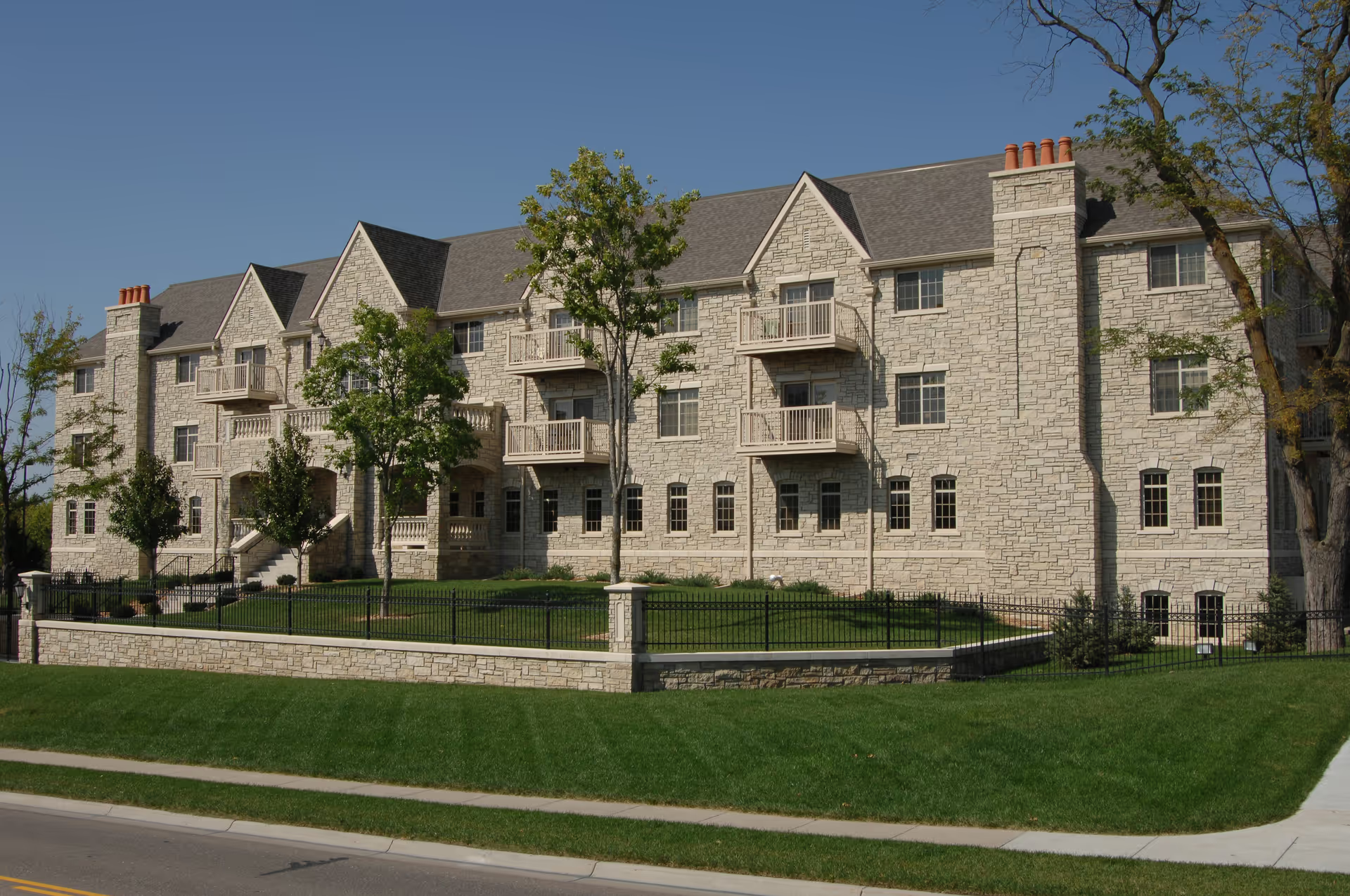
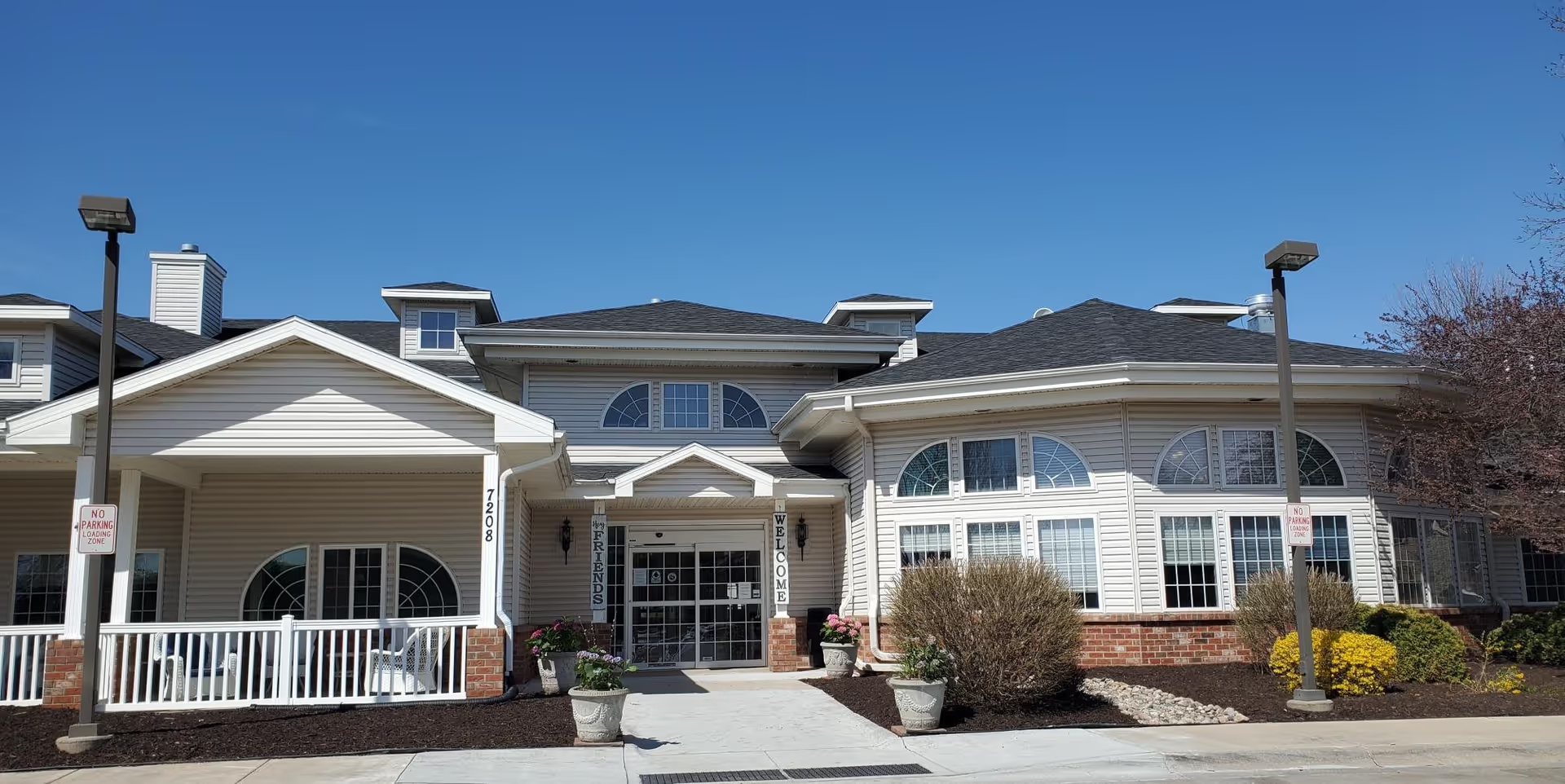
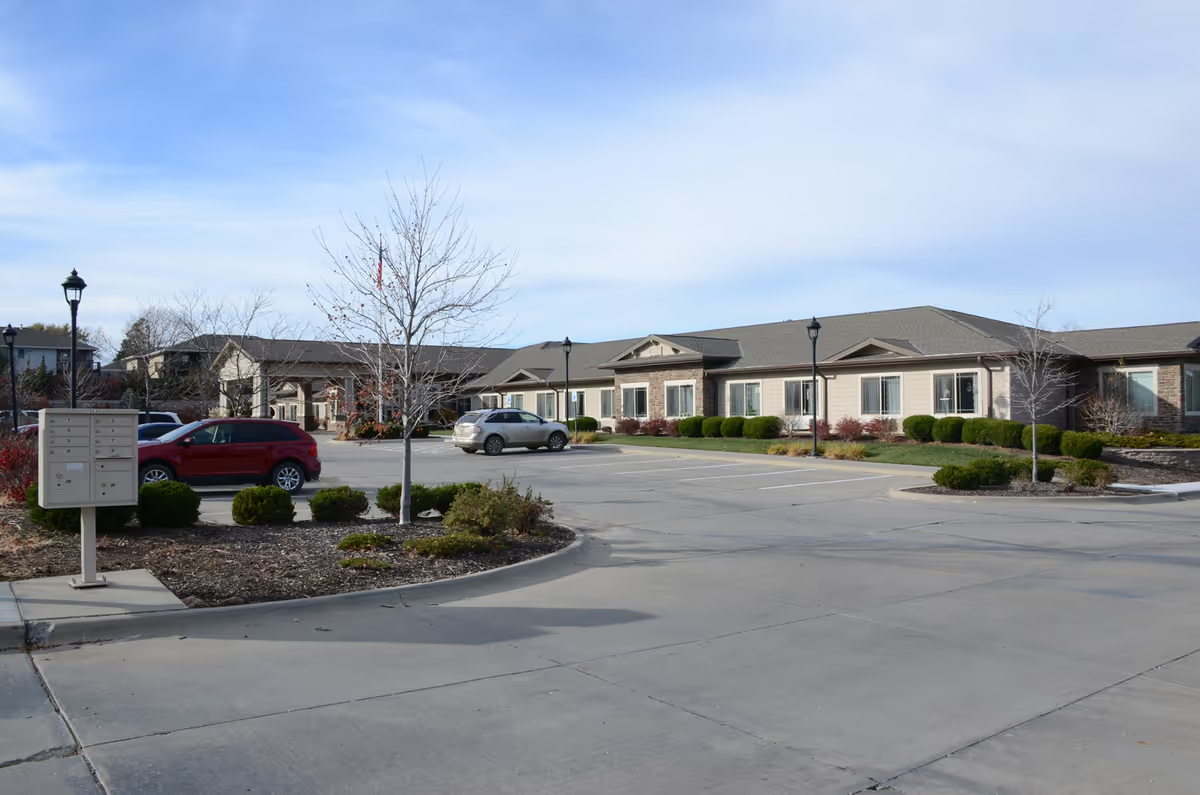
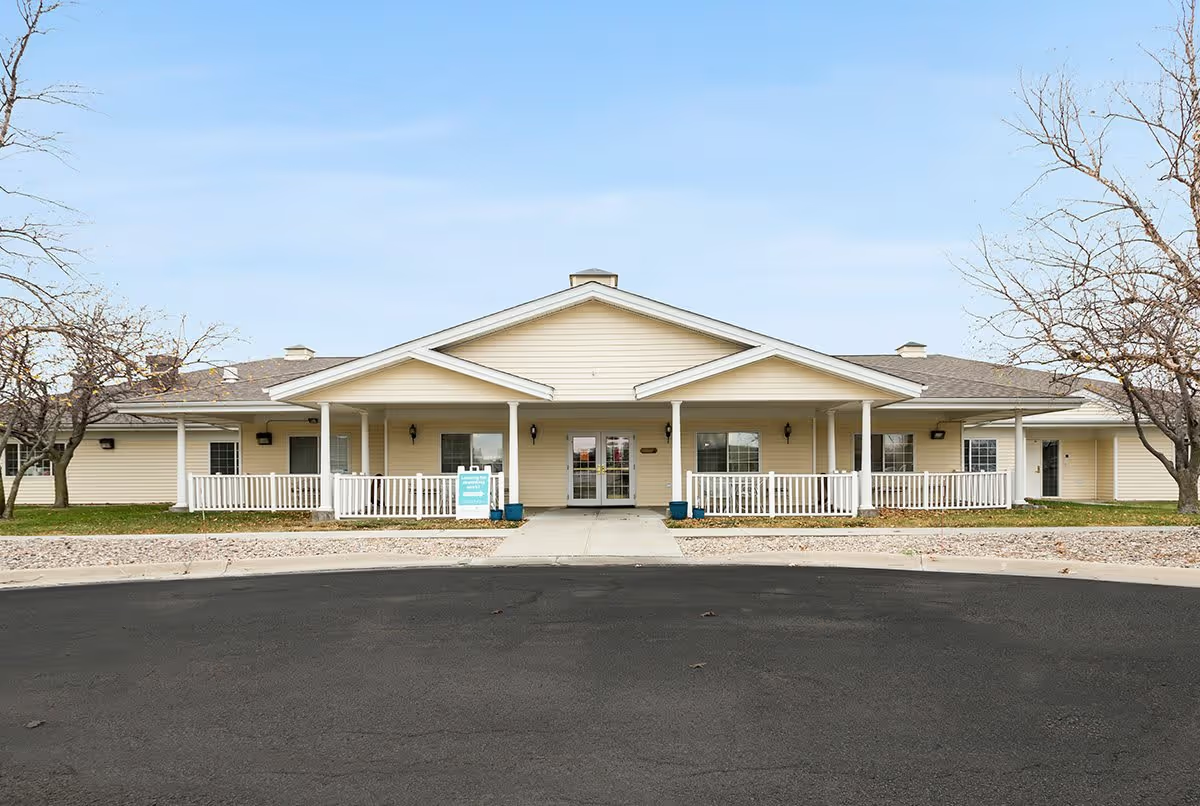
Facilities and activities: The building, furnishings, and common spaces receive consistent positive remarks. The facility is described as newer or recently updated, with quiet carpeting, sunrooms, a library, and well-sized rooms that support recovery and comfort. Activity programming is not extensively described in the reviews provided; interested families may want to request a current activity calendar and examples of social/recreational offerings.
Management, communication, and administration: Administrative staff and reception are often called out positively for being helpful and efficient. Conversely, reviewers describe variable communication from management on clinical issues, care-plan changes, and billing/insurance coordination (including confusion around Medicare/Medicaid and payment processes). Leadership turnover or perceived declines in management performance were mentioned by some families; this suggests prospective families should inquire about current leadership, staff ratios, and policies for family communication, incident reporting, and grievance resolution.
Notable patterns and guidance for families: The dominant positive themes are compassionate staff, strong rehabilitation services, and an attractive physical environment. The dominant operational concerns center on inconsistent meal-service quality, delays in staff responsiveness (including call-light placement and accessibility), lapses in charting and medication processes, and uneven night coverage and family communication. Given the presence of both strong endorsements and isolated serious complaints, families should verify staffing levels at the time of admission, review call‑system functionality and response-time metrics, ask about medication-administration audits and incident-response protocols, and confirm how billing and payer authorizations are managed. Visiting the facility, speaking with therapy leads and nursing leadership, and requesting recent quality indicators will help clarify whether the facility’s strengths align with a prospective resident’s needs.