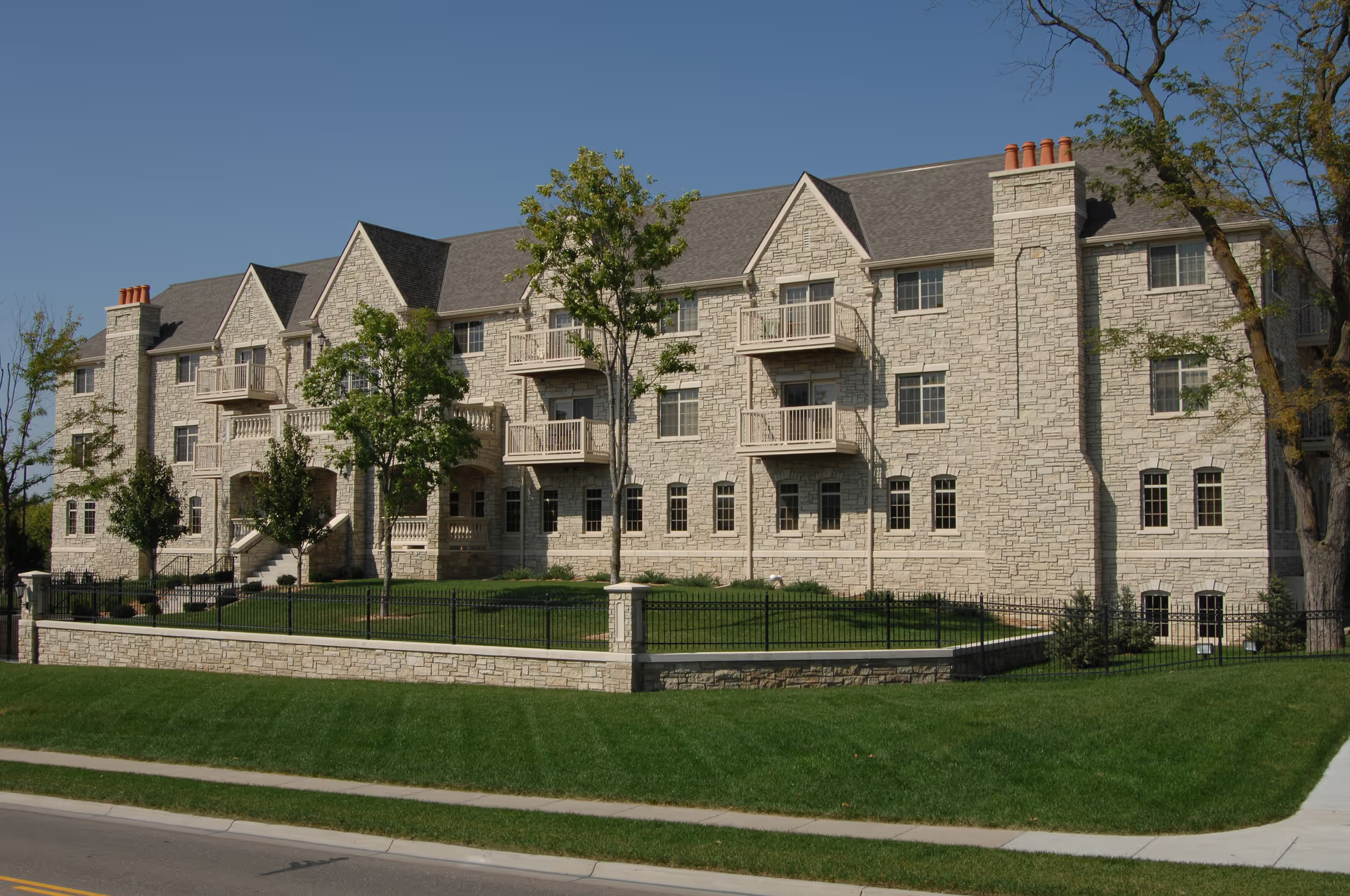
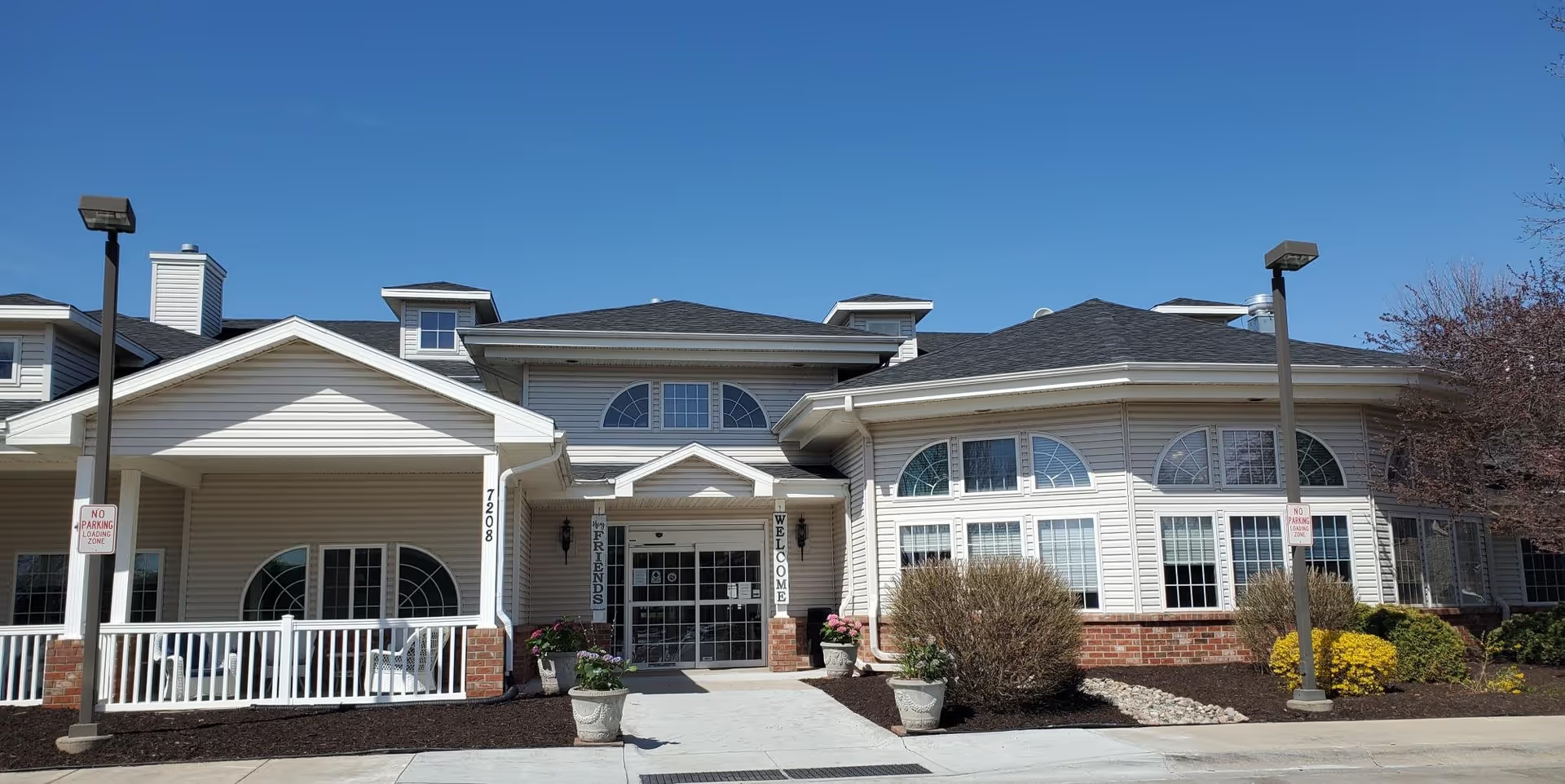
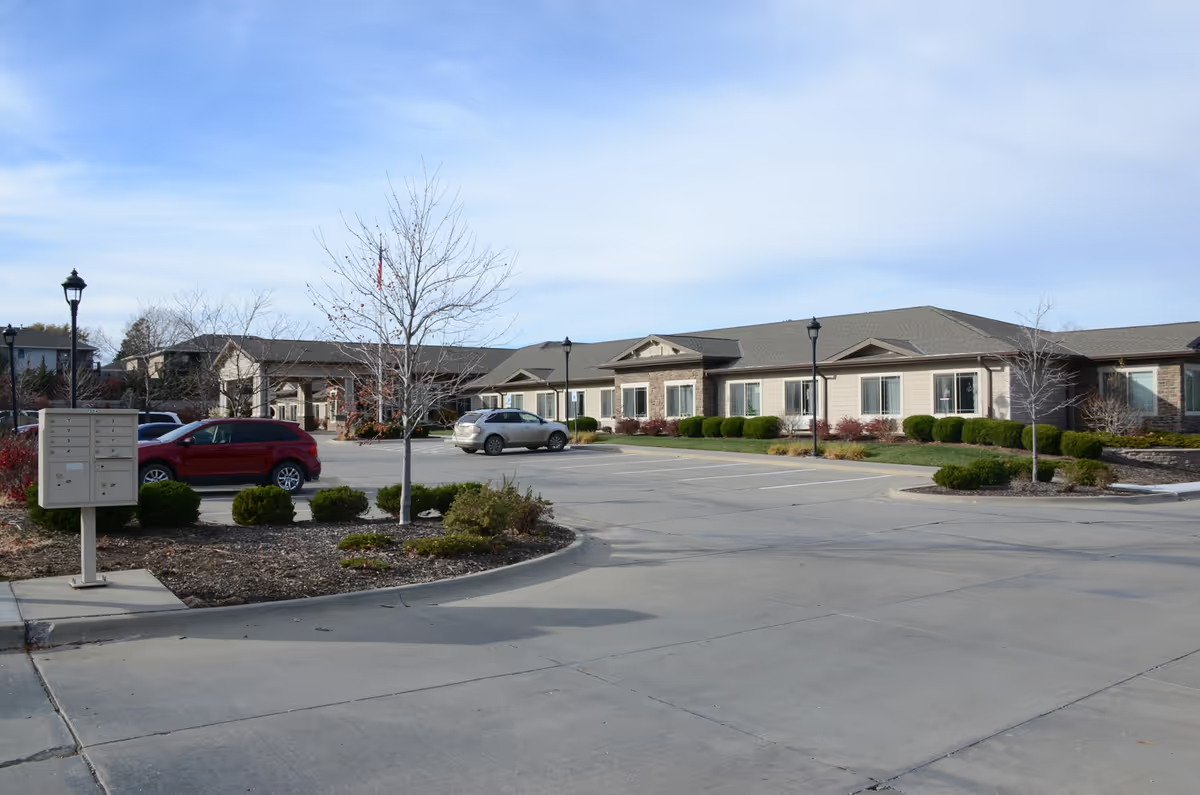
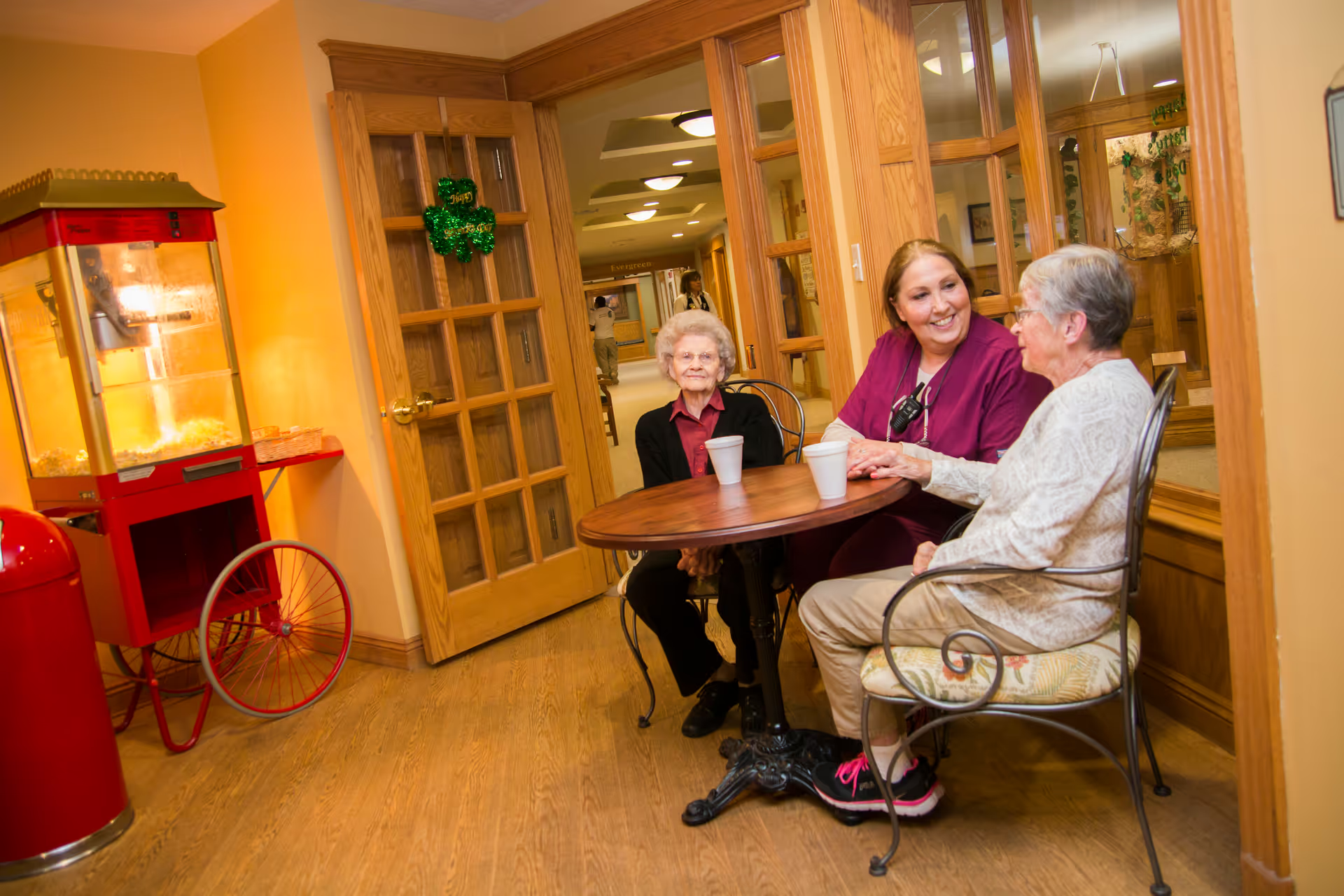
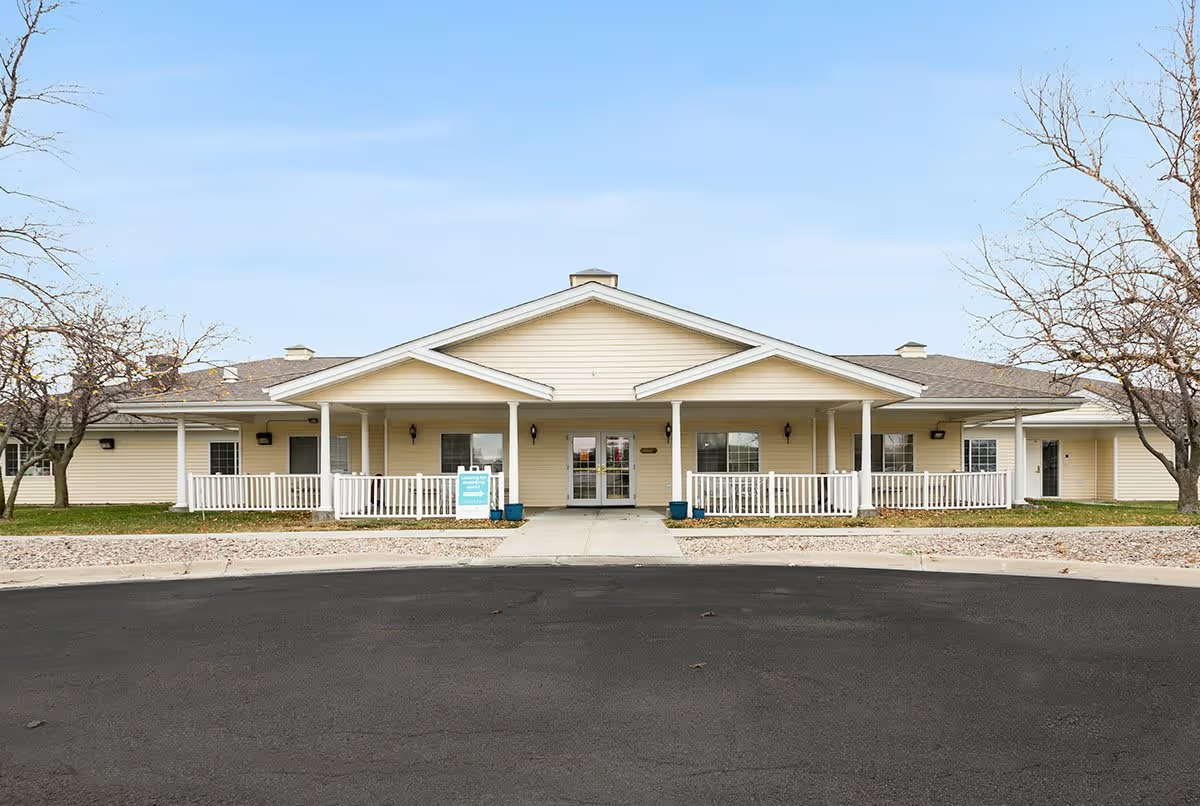
Orchard Park Assisted Living presents as a small, community-oriented facility with several amenities that support independence and social engagement. The physical layout includes an open atrium, a large TV lounge with computer access, an outdoor grassy area, and private studio apartments with kitchenettes. The single-level footprint and wheelchair-accessible bathrooms are practical for mobility needs, and reviewers noted well-kept common areas and grounds. The owner’s visible involvement and a responsive administrative approach to incidents were described positively.
Care quality descriptions are mixed. Many families described attentive, caring staff who provide personalized support and help residents maintain independence; for those residents the facility created a family-like atmosphere and strong social connections. However, a number of reviews identified staffing inconsistencies and high turnover that have affected care continuity. These operational gaps have been linked to medication-administration errors, delays in clinical responsiveness, and uneven attention at times — indicating variability in clinical oversight when staffing is thin.
Dining and activities are generally highlighted as strengths. The activity program includes structured offerings such as cooking classes, games, puzzles, and off-site shopping trips, and reviewers say these support social engagement. Dining is buffet-style and staff are reported to accommodate special diets (vegetarian, gluten-free), though meal quality appears variable across accounts. Prospective residents who prioritize consistent culinary quality may wish to sample meals and ask about kitchen staffing patterns.
Facility features draw both praise and caveats. Private apartments and kitchenette access support autonomy, but several reviewers noted small or compact room layouts and restrictions on wall hangings or painting, which limit personalization. The open layout and shared spaces encourage interaction but may be disorienting for memory-impaired residents unless additional supervision is provided. An accessibility concern at the main entrance was noted; inside bathrooms are accessible but exterior access and some outdoor transitions may challenge mobility needs.
Management and policy issues warrant careful inquiry. Positive aspects include Medicaid acceptance without a time limit and hands-on managerial involvement. Conversely, reviewers described operational weaknesses such as inconsistent phone responsiveness, limited staff screening and monitoring (including background/drug-testing gaps), and unclear or restrictive bed-hold/occupancy policies that could affect placement during hospitalizations. There are also mentions of resident property-security issues, suggesting a need for clearer safeguards and procedures.
Overall, Orchard Park may be well suited for families seeking a small, social setting with active programming and personal caregiving relationships. At the same time, prospective residents and family members should confirm current staffing levels, medication-safety protocols, staff hiring and training practices, transfer-and-fall procedures, bed-hold/occupancy policies, and entrance accessibility during an in-person visit. Asking for recent staffing rosters, examples of clinical oversight procedures, and a trial meal or activity visit will help assess whether the facility’s strengths align with an individual’s clinical and personal needs.