These review summaries present a mixed picture. One account highlights positive interpersonal interactions and roomy accommodations, while other accounts raise concerns about staff behavior, care quality, and management responsiveness. The combination suggests variability in resident experiences rather than a uniformly positive or negative pattern.
Care quality appears inconsistent. One review describes poor staff quality and failures in advocacy that contributed to a serious housing-instability risk for a resident. These comments indicate potential gaps in care coordination and discharge planning that could affect continuity of care and post-discharge placement. Prospective families should ask for written examples of the facility’s discharge-planning process, care-coordination practices, and how housing or placement risks are handled.
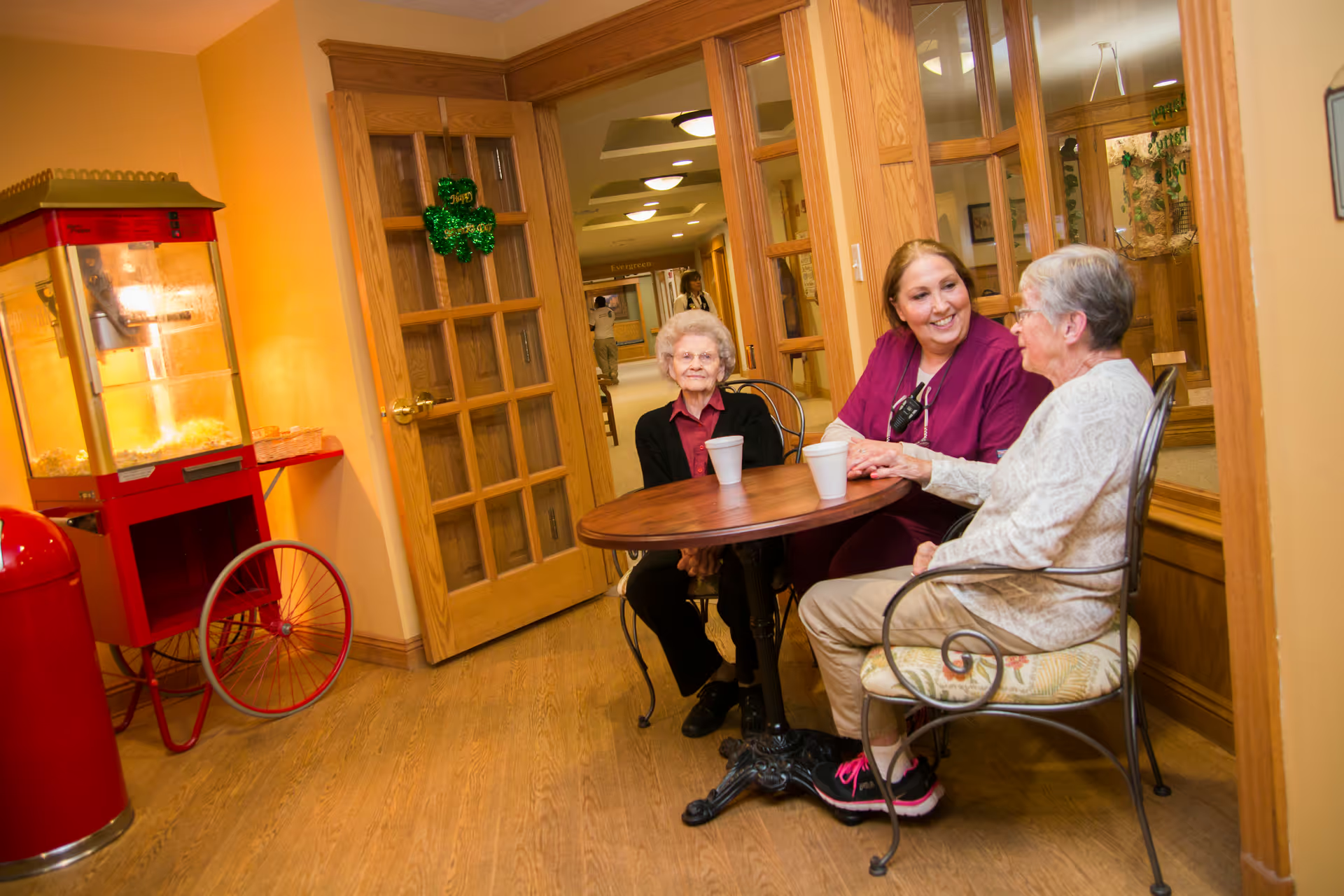
Staff feedback is mixed: there are reports of friendly front-line interactions alongside reports of rude or low-quality staff conduct. This contrast suggests uneven staff performance that may stem from variable training, turnover, or supervisory oversight. It would be prudent to inquire about staff-to-resident ratios, staff training programs, orientation and supervision practices, and opportunities to meet direct-care staff during a visit.
There is no specific information about dining or activities in these summaries. Because these domains are important to daily life, prospective residents should request sample menus, typical activity calendars, staffing for activities, and opportunities to observe or participate in programming during a tour.
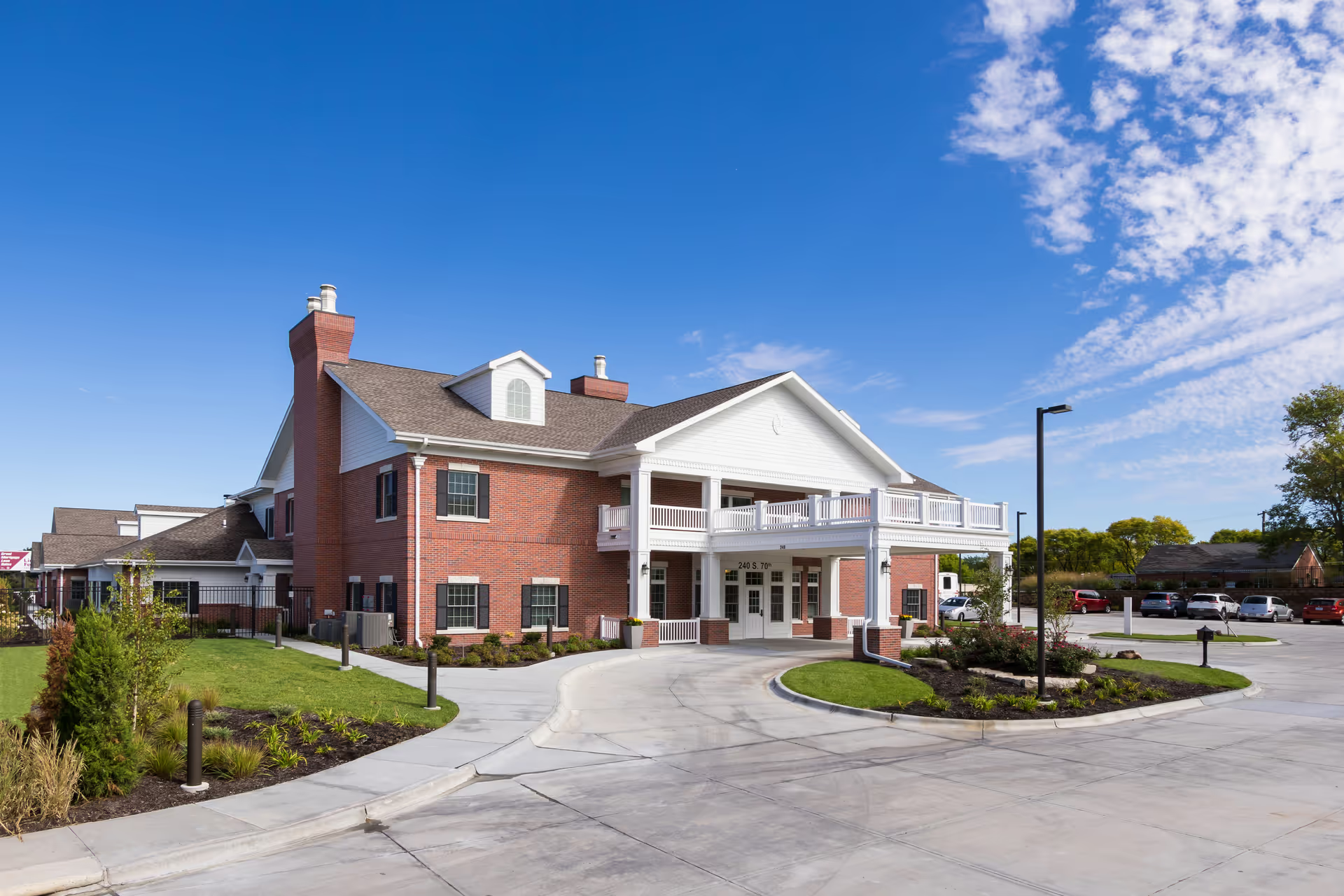
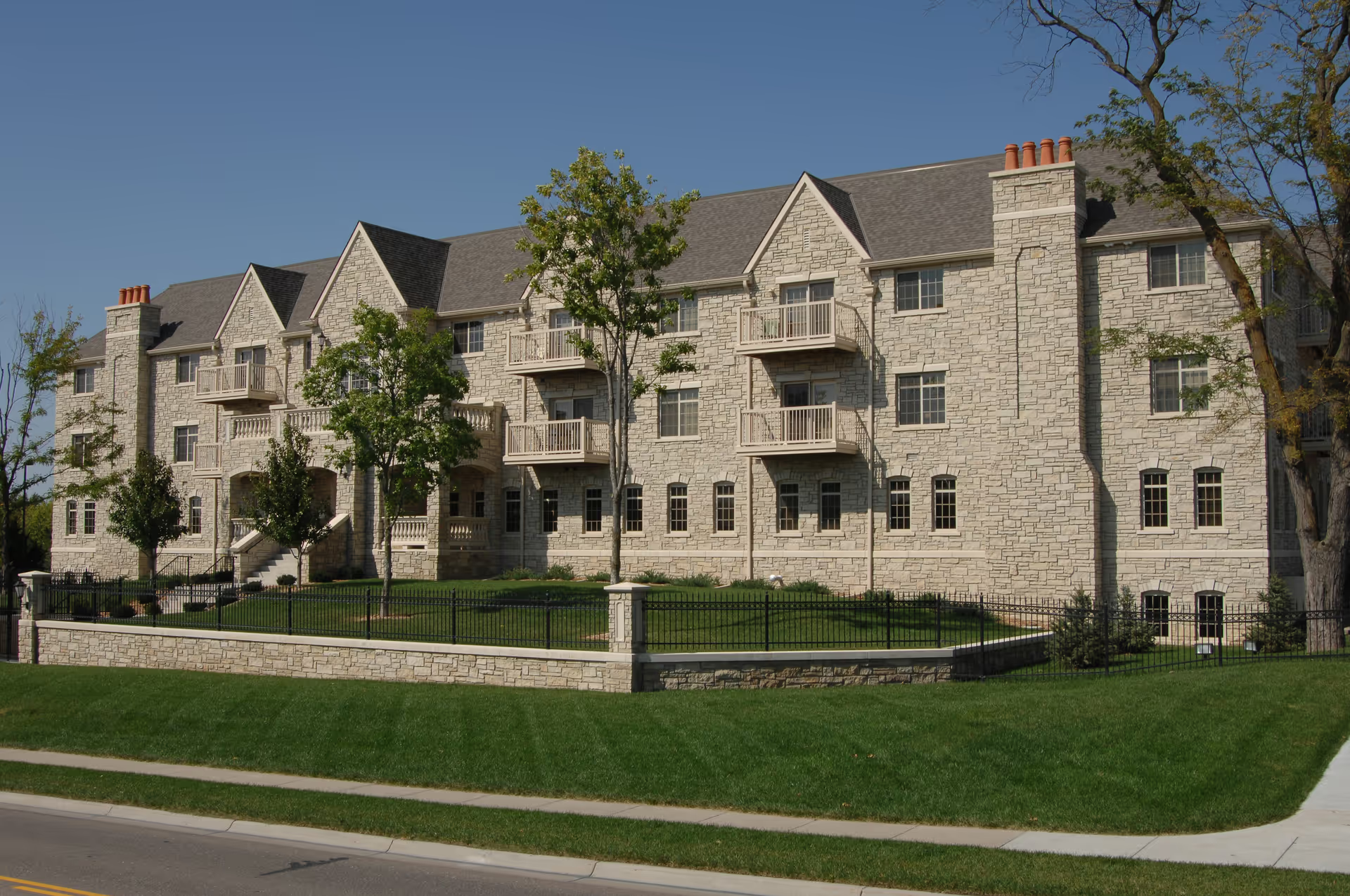
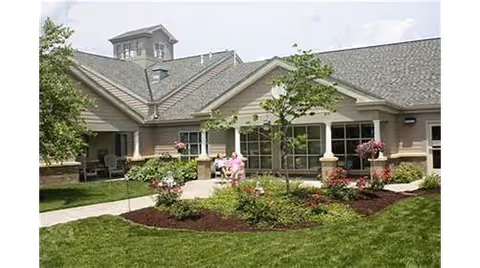
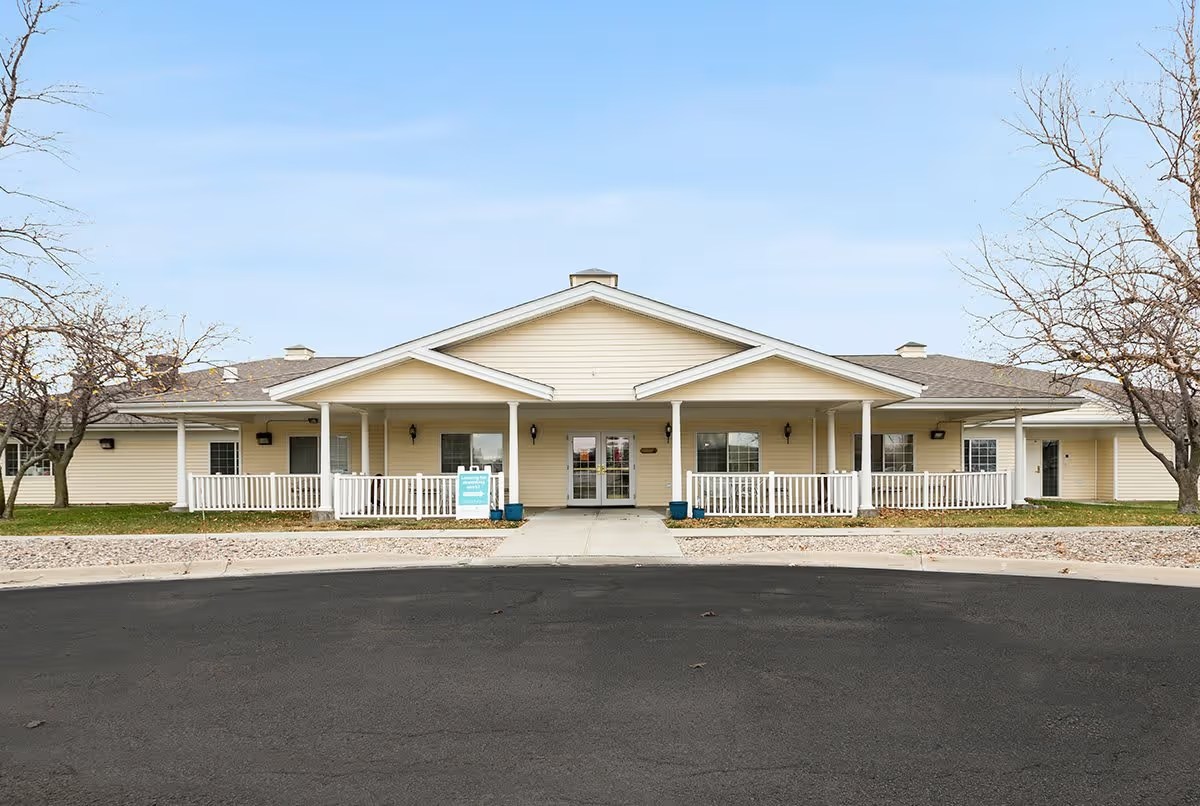
Facility-related comments are limited but include a clear positive: spacious rooms. Reviewers did not provide details on other aspects of the physical environment such as common-area condition or sanitation; an in-person inspection focused on cleanliness, accessibility, and maintenance is recommended.
Management and communication are recurring concerns. One reviewer specifically noted an absence of manager response when issues were raised, indicating weaknesses in complaint resolution and escalation pathways. Combined with the advocacy and discharge concerns, this suggests a need to evaluate how the facility documents and responds to family concerns, how complaints are escalated, and what recourse families have if initial communications are unsuccessful.
Notable patterns: the reviews suggest variability in staff behavior and an operational gap around advocacy and discharge planning. For families considering this community, recommended next steps include an in-person tour, meetings with nursing leadership and the administrator, reviews of staffing and training policies, and questions about complaint escalation and discharge-planning procedures. Asking for recent references from current families and examples of how the facility has resolved past complaints can help clarify whether the concerns reflect isolated incidents or broader operational issues.