Overall impression: Reviewers consistently describe Sumner Place Skilled Nursing & Rehabilitation as a facility with strong clinical strengths and a family-oriented culture. Many accounts highlight compassionate, skilled nursing care, attentive staff, and an on-site therapy program (physical and occupational therapy) that supports recovery and ongoing function. Families frequently praised the facility for responsive pain management, individualized care adjustments, and particular attention during end-of-life transitions, including presence at the bedside and postmortem respect.
Staff and care quality: Staffing is widely viewed as a core strength when present — reviewers describe helpful, friendly, and knowledgeable nurses and support staff, along with an on-site nurse and therapy staff. Several families noted that staff go beyond routine duties to support residents and families, and that communication from staff is informative and cooperative. At the same time, there are repeated indications of intermittent understaffing; reviewers expressed concern that staffing shortfalls could make consistent delivery of care more difficult during peak demand periods.
Dining, laundry, and personal care: Dining receives positive comments for a family-style approach and kitchen staff who treat residents with familiarity and respect. Laundry and linen handling were described as timely and consistent in many reports, and reviewers frequently noted fresh-smelling hallways and rooms. However, other accounts point to variability in personal-care routines and linen-change frequency, suggesting that these services may be inconsistent at times and could benefit from stronger operational oversight.
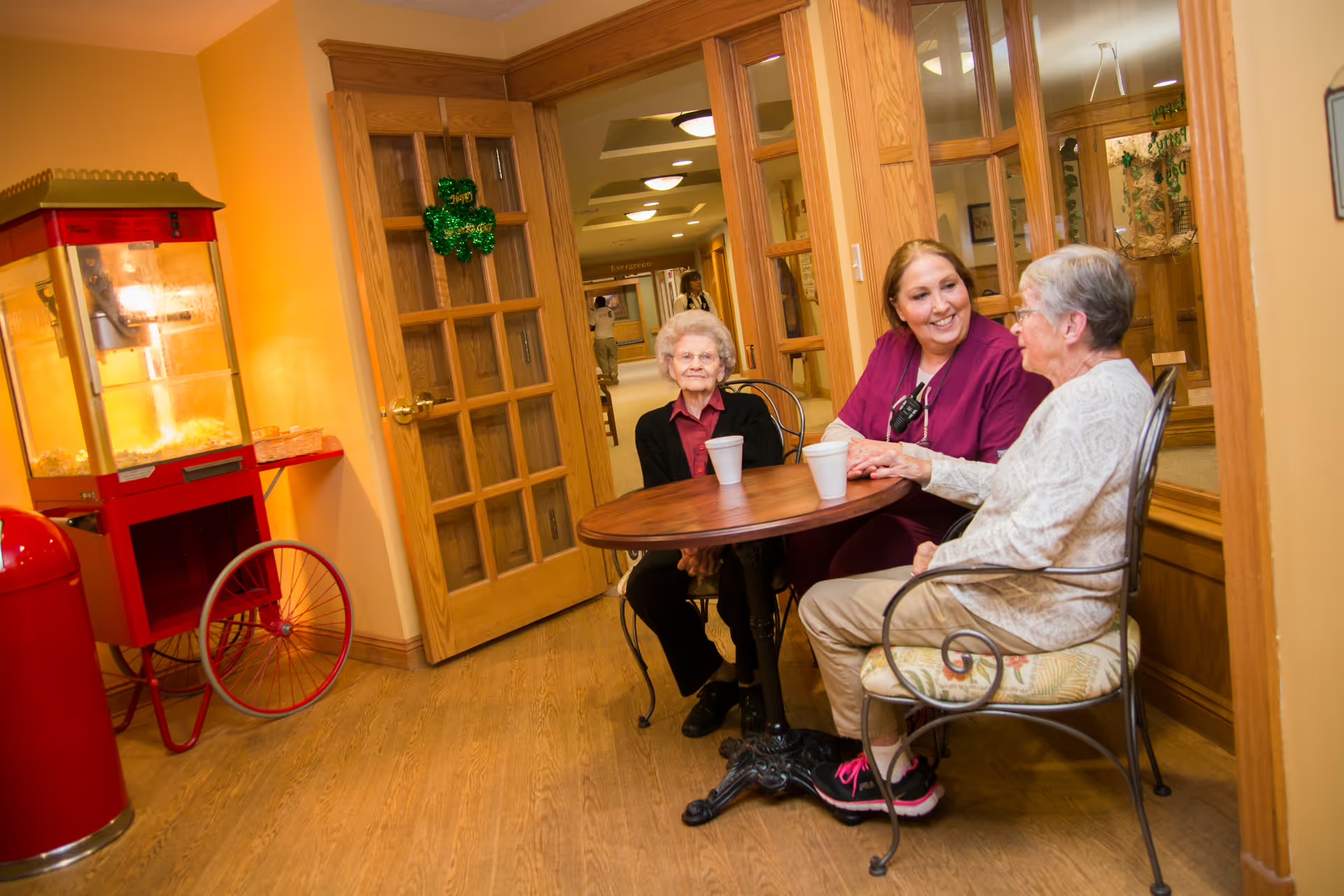
Activities and memory care: The facility offers structured activities, a dedicated memory-care wing with table dining, an activity room, and organized resident events that families appreciated. Therapy and exercise facilities were noted as assets that support rehabilitation and engagement. Spiritual programming and facilitation of family visits also contribute to resident quality of life.
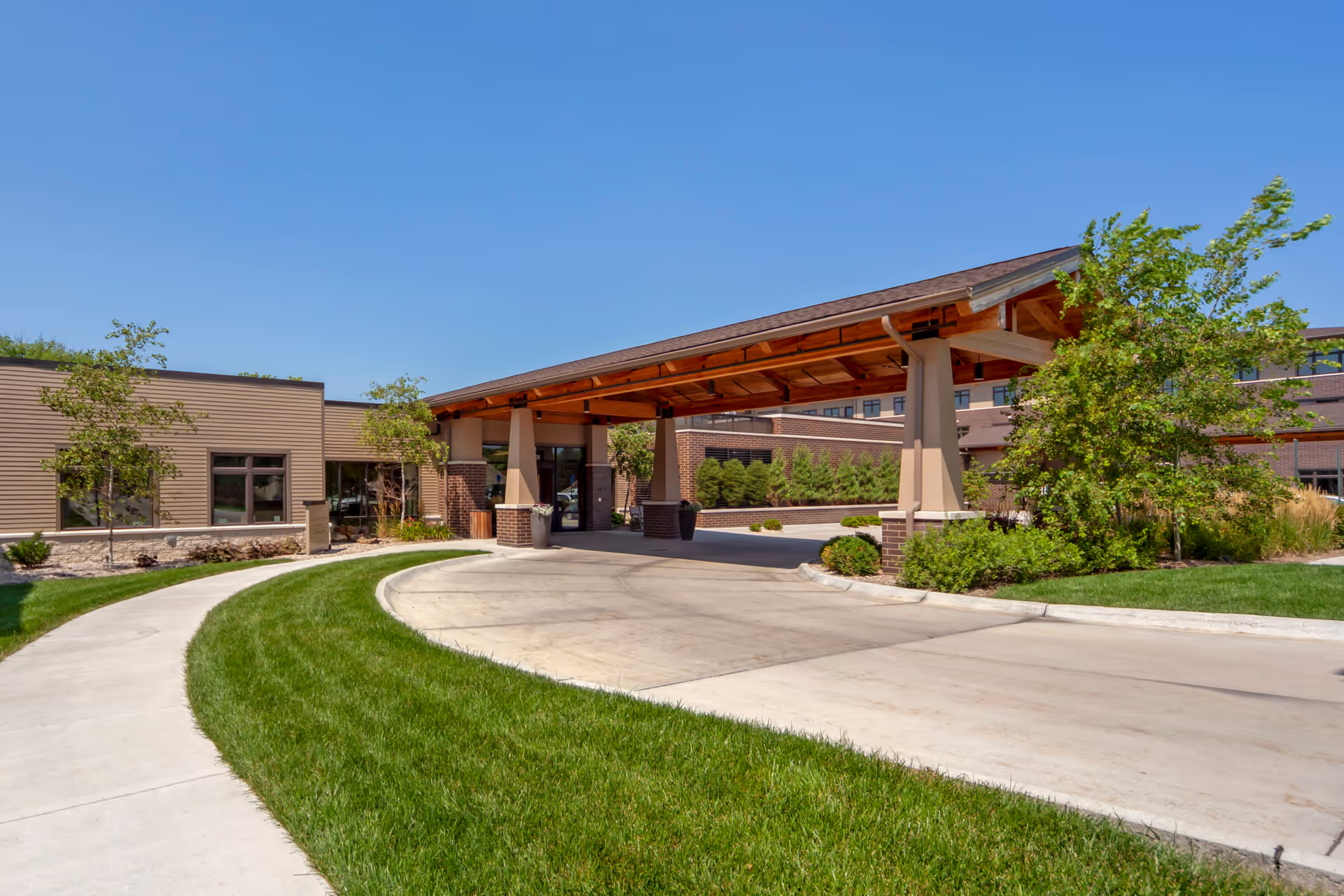
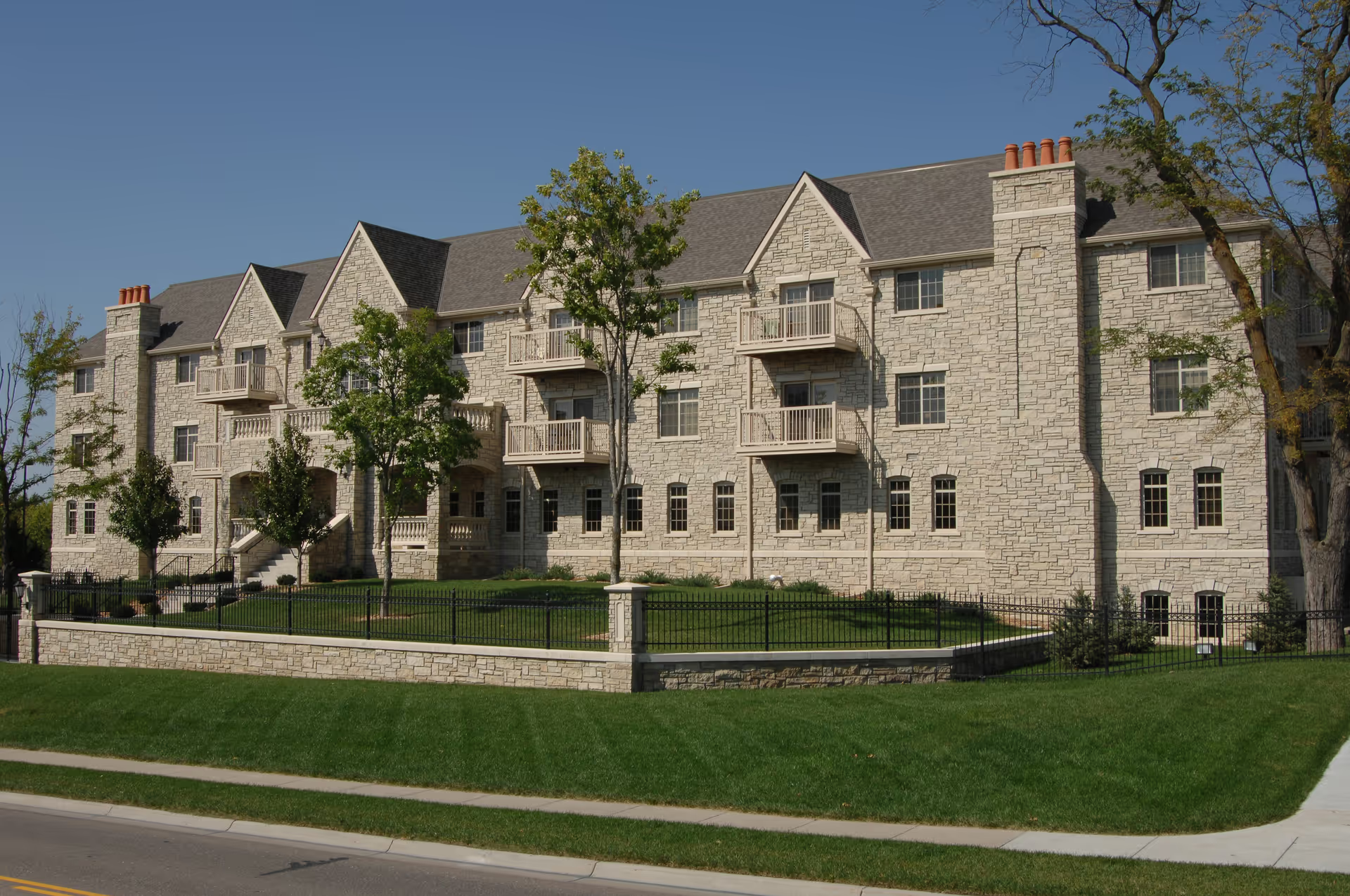
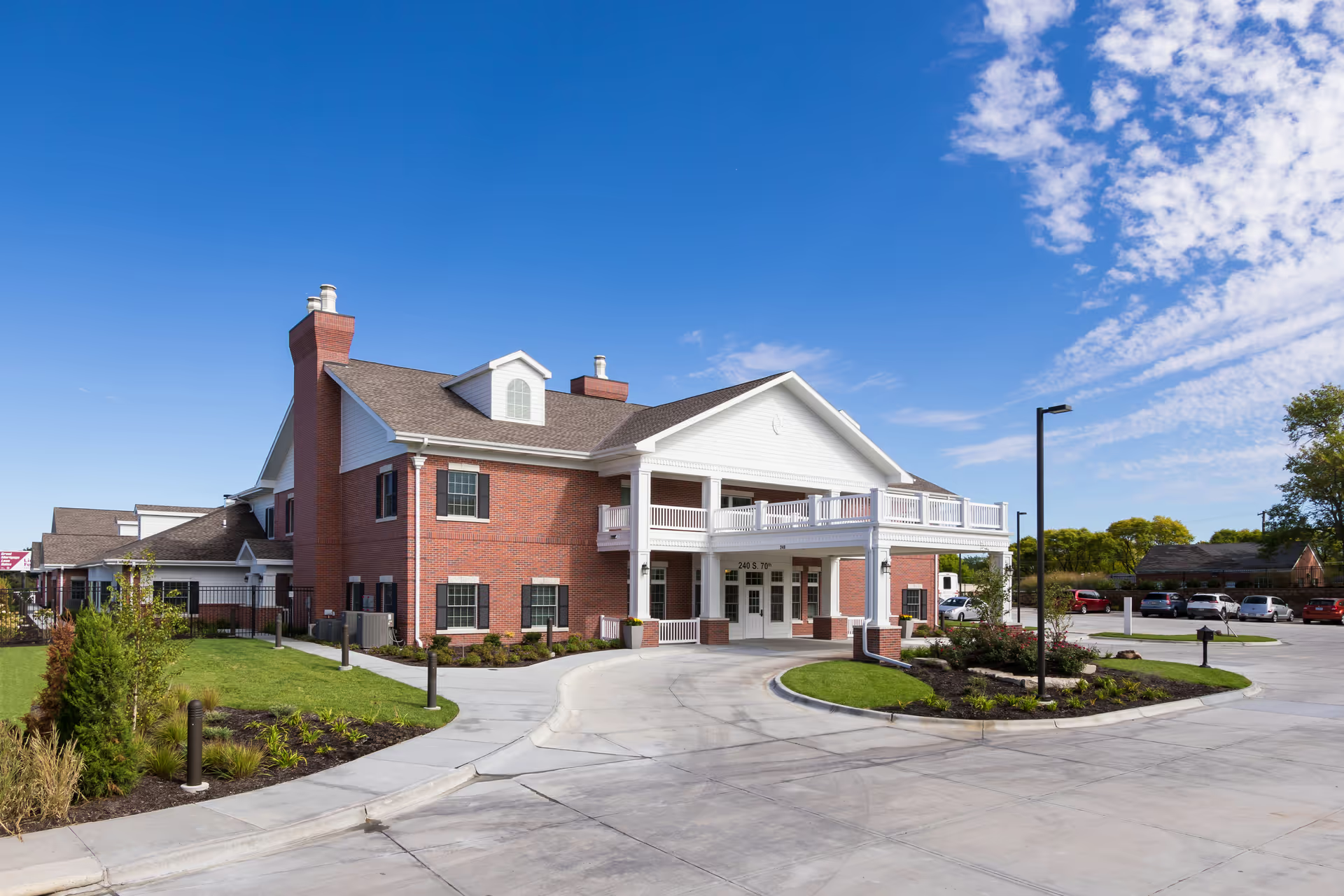
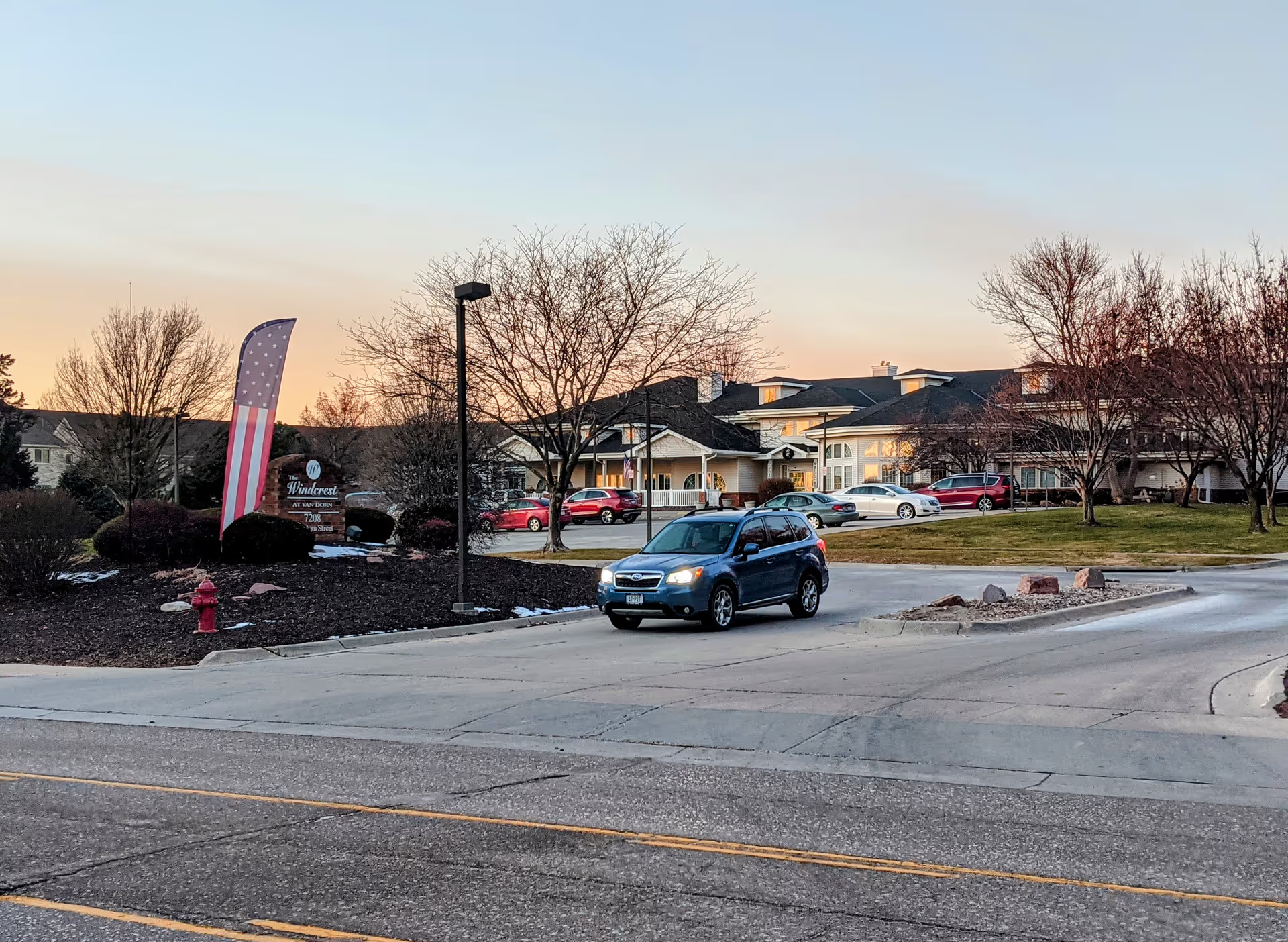
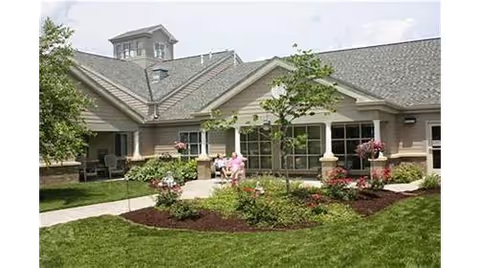
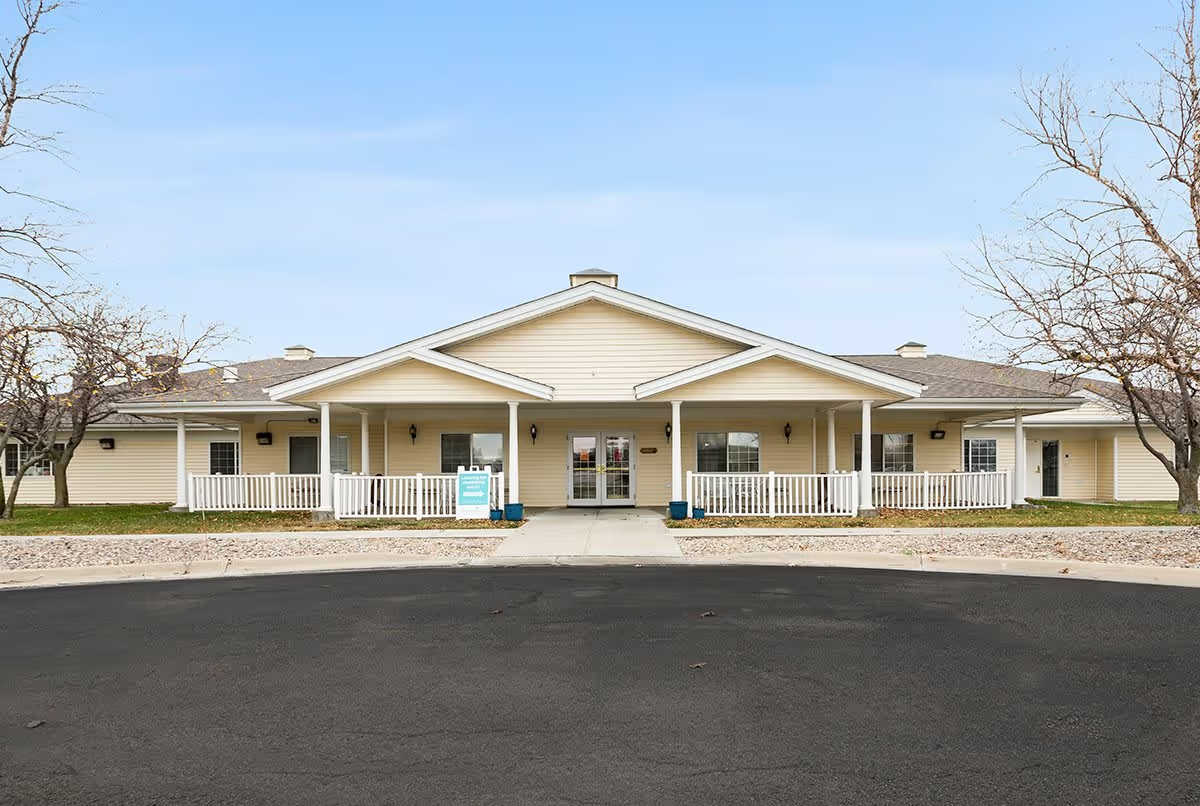
Facilities and appearance: Interior spaces are often described as clean, well-maintained, and well-lit, with pleasant rooms and a generally tidy interior. Contrasting comments about the outdoor appearance and grounds — described as dated or gloomy by some — indicate uneven upkeep between interior and exterior areas. Room configuration includes smaller double-occupancy options, which may limit privacy and space for some residents.
Management patterns and notable trade-offs: The dominant pattern in the feedback is generally high satisfaction with clinical care, staff warmth, and rehabilitative services, paired with operational inconsistencies. The key weaknesses to probe further are intermittent understaffing, variable sanitation/odor control in certain areas, and inconsistent personal-care and linen-change routines. Cost was mentioned as relatively high compared with perceived capacity, so prospective families should weigh pricing against the clinical and social strengths observed.
Suggested next steps for families: During a tour, prioritize conversations about current staffing levels and shift coverage, sanitation and linen-change protocols, the condition of exterior grounds, and room configurations. Ask for specifics on therapy schedules, pain-management plans, and examples of how management handles service inconsistencies when they arise. These targeted inquiries will help validate whether the positive experiences many families describe are reliably sustained across the facility.