Overall impression is mixed: reviewers identify several strong clinical and rehabilitative resources alongside recurring operational concerns. Many families and patients praised individual staff members — especially nursing staff, therapists, and a named social worker — for compassionate, attentive care, good therapy outcomes, and proactive help with benefits and care coordination. At the same time, multiple accounts point to systemic issues that appear to affect safety, continuity, and resident experience.
Care quality and clinical safety: The facility offers robust rehabilitative services and home-health support that some families found valuable for recovery and functional improvement. However, a consistent concern is clinical staffing and escalation: reviewers described delays in arranging physician visits, medication errors or delays at discharge, and problems following safe-transfer guidelines. Several accounts referenced falls with resulting injuries and delays in response — indicating potential weaknesses in transfer-safety practices and in how clinical incidents are escalated and managed.
Staff and communication: Staff performance is variable. Positive reports emphasize kind, professional, and advocacy-minded personnel who communicate regularly with families. Negative reports describe understaffing that forces aides to rush tasks, limits opportunity to build relationships, and contributes to inconsistent attention to resident needs. There are also recurring concerns about staff conduct and tone, including incidents of exclusion of family members and confrontational interactions. Communication with external providers and insurers was described as uneven; families noted insurance-related appointment denials and slow coordination that affected access to care.
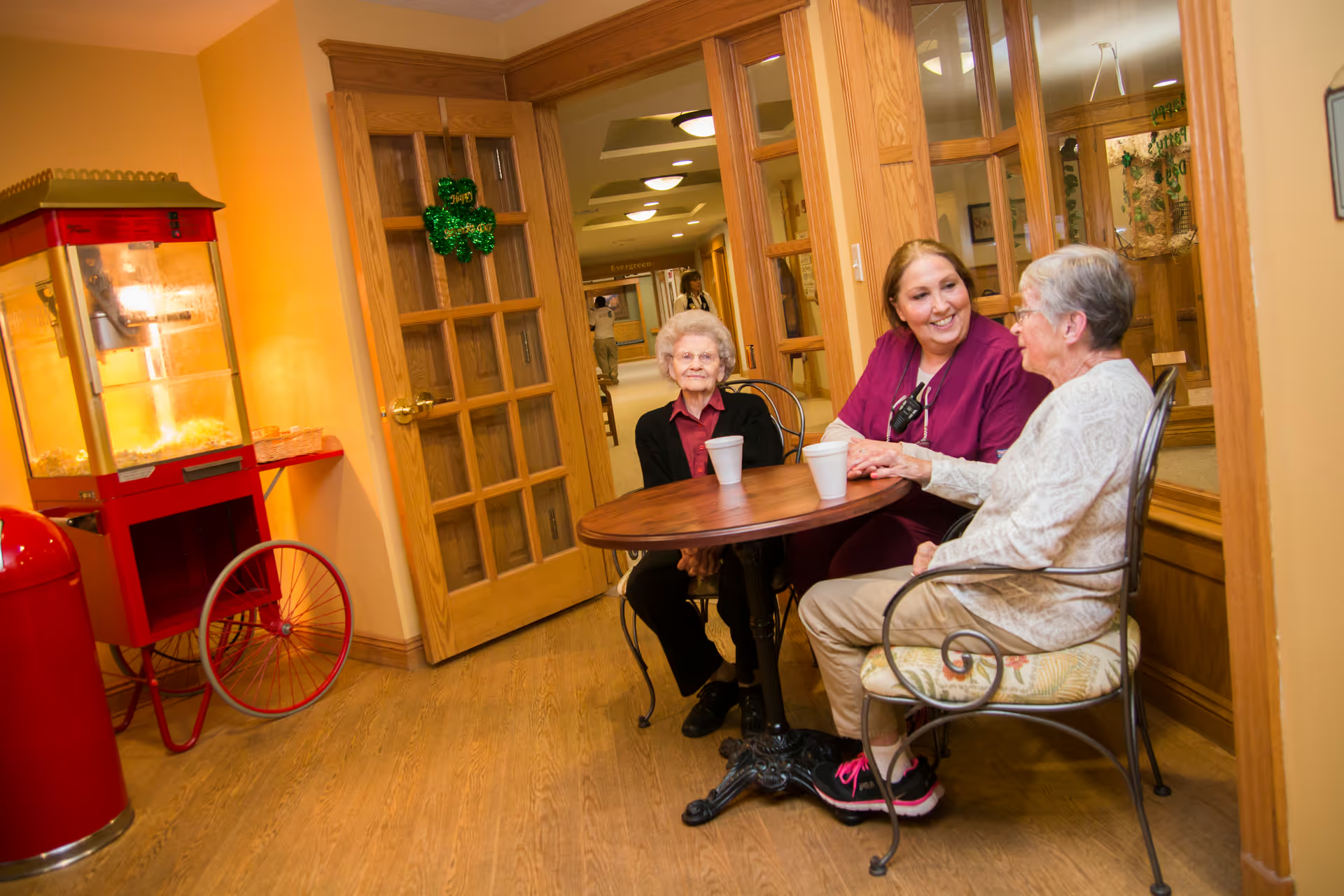
Dining, activities, and therapies: Reviews provide limited detail on dining and recreational programming. Therapy services (physical and occupational) are frequently singled out as a strength, with positive impressions of staff skill and rehabilitative progress. Some family members observed that therapy or social interactions were occasionally interrupted by administrative tasks, reducing one-on-one engagement.
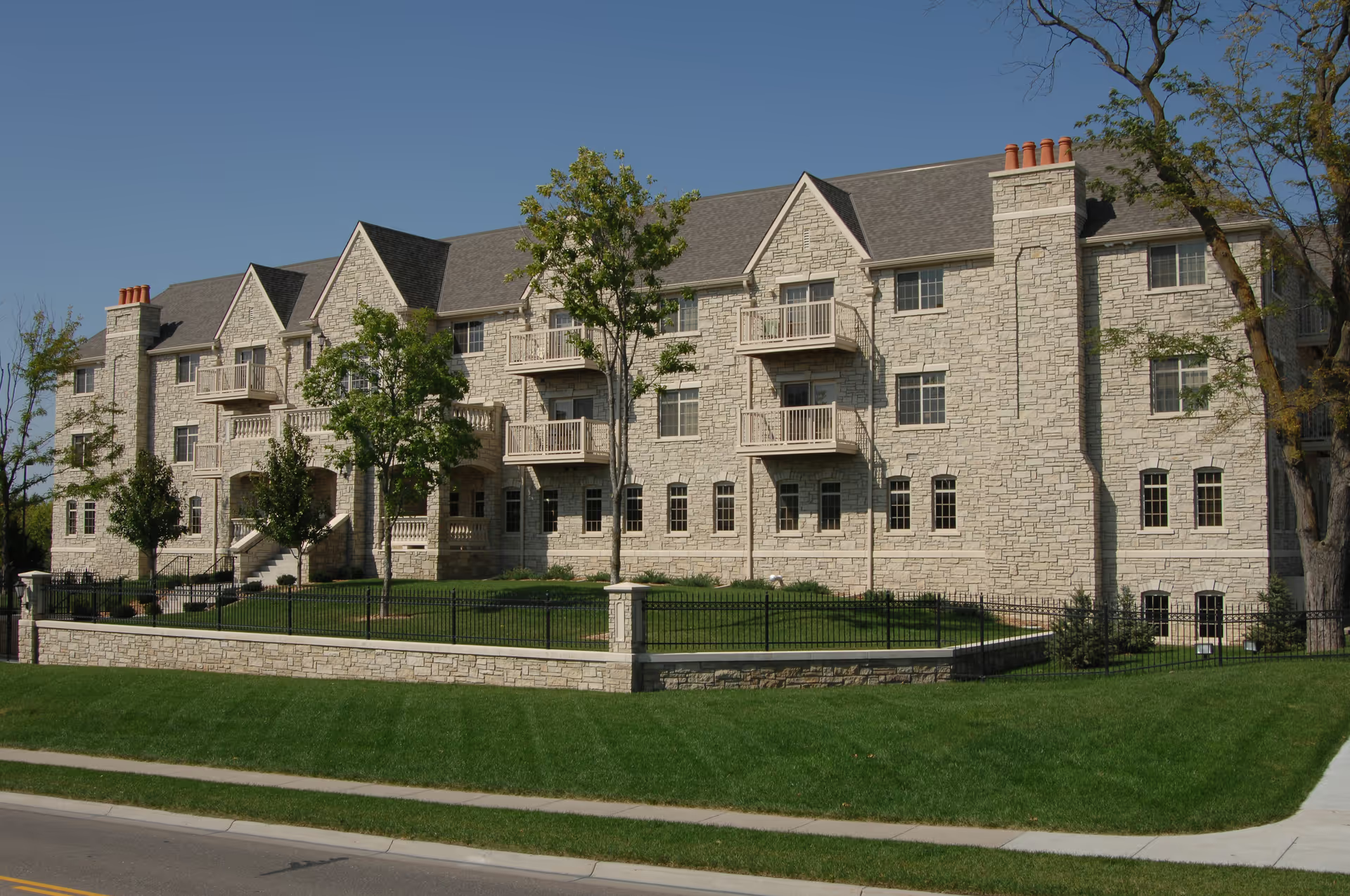
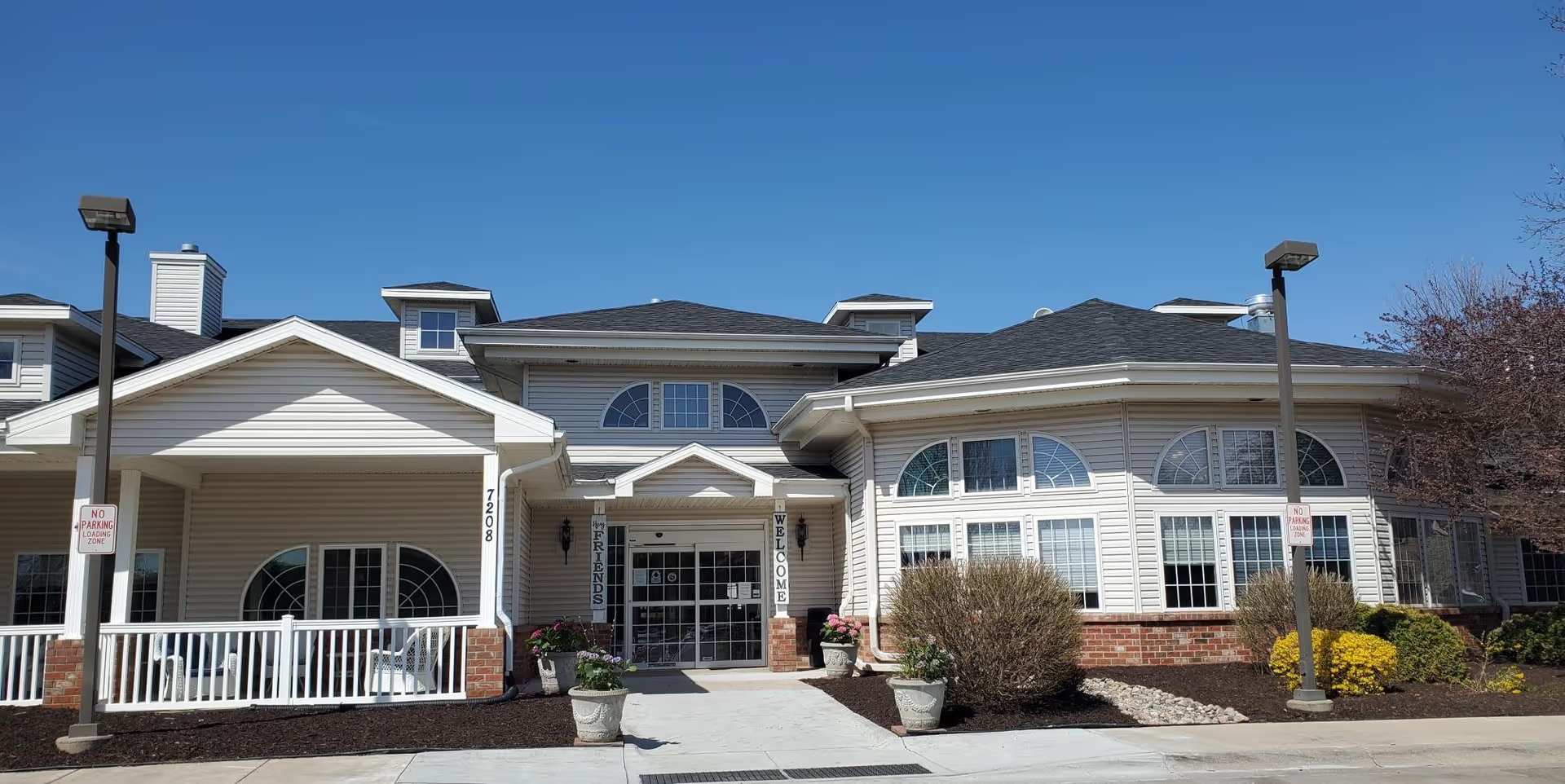
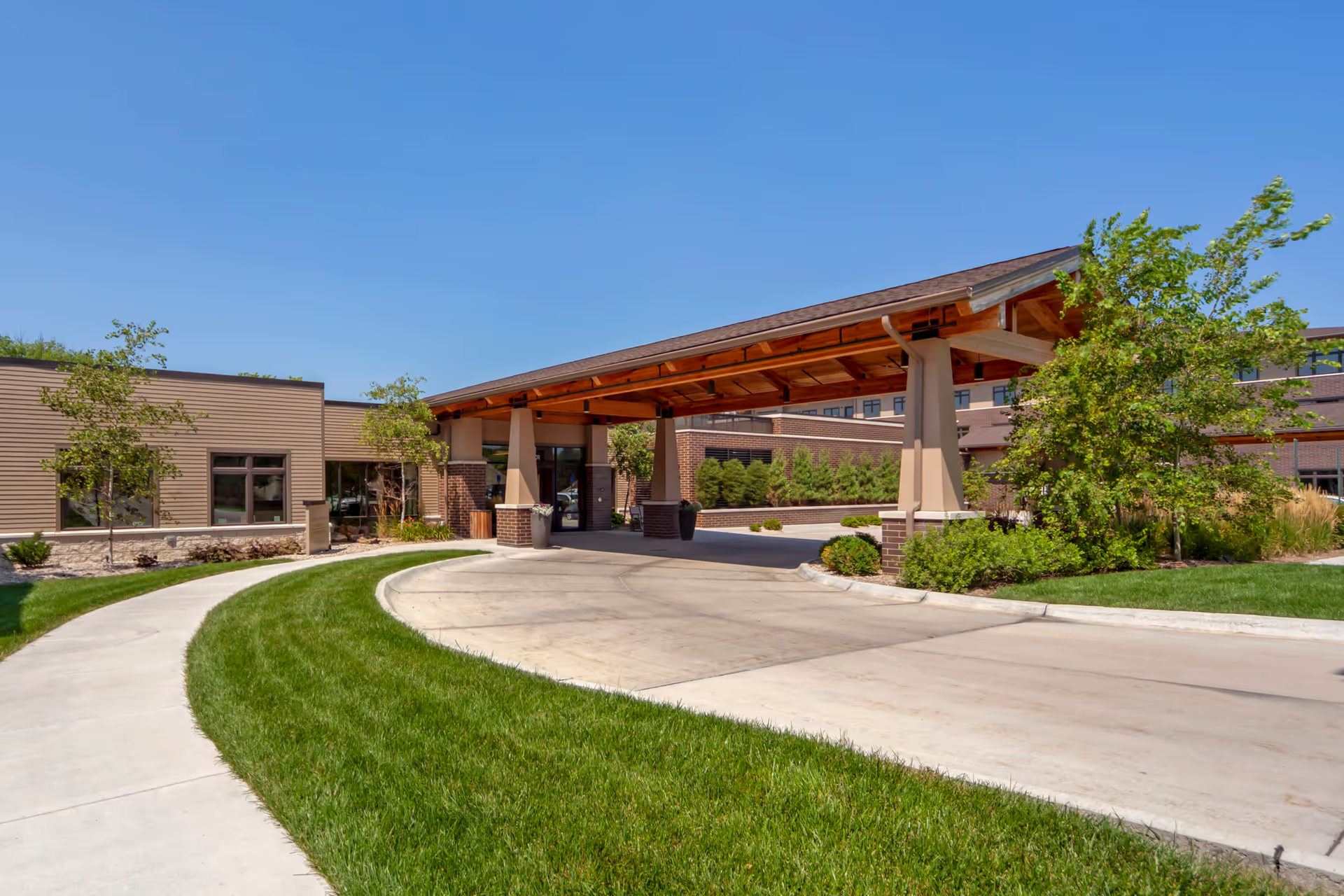
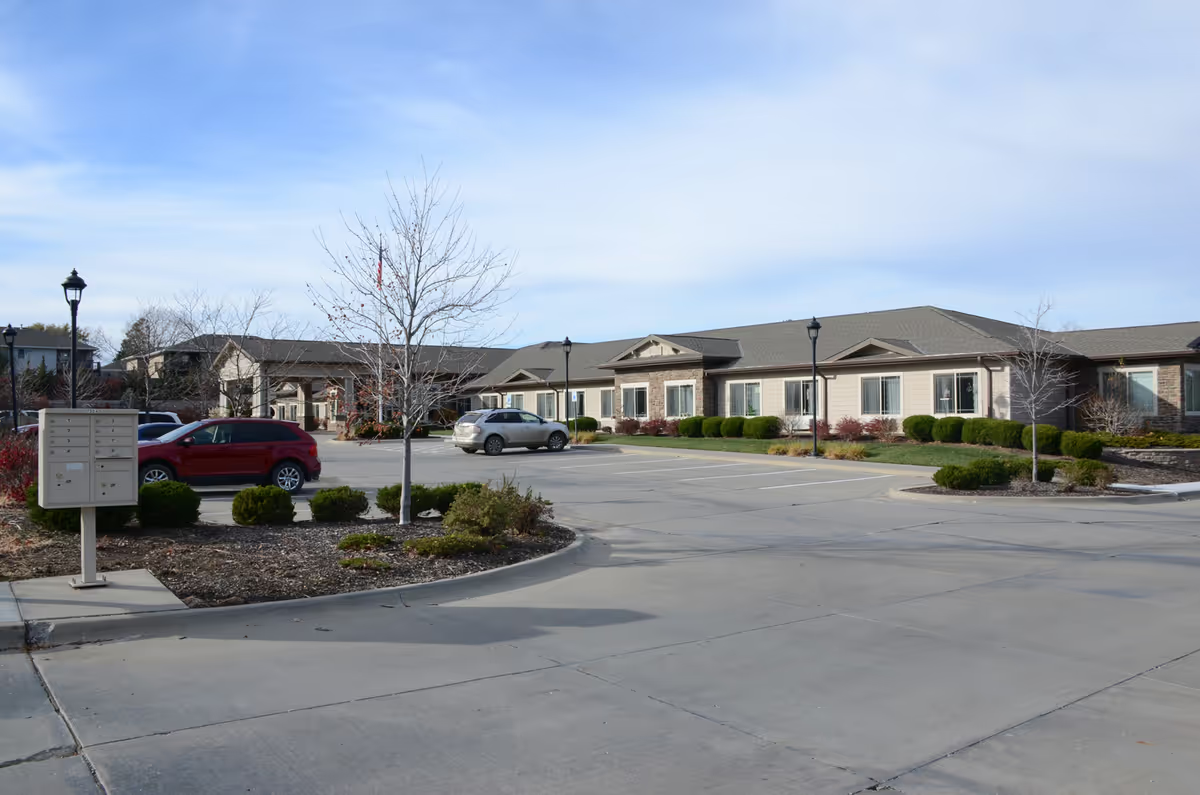
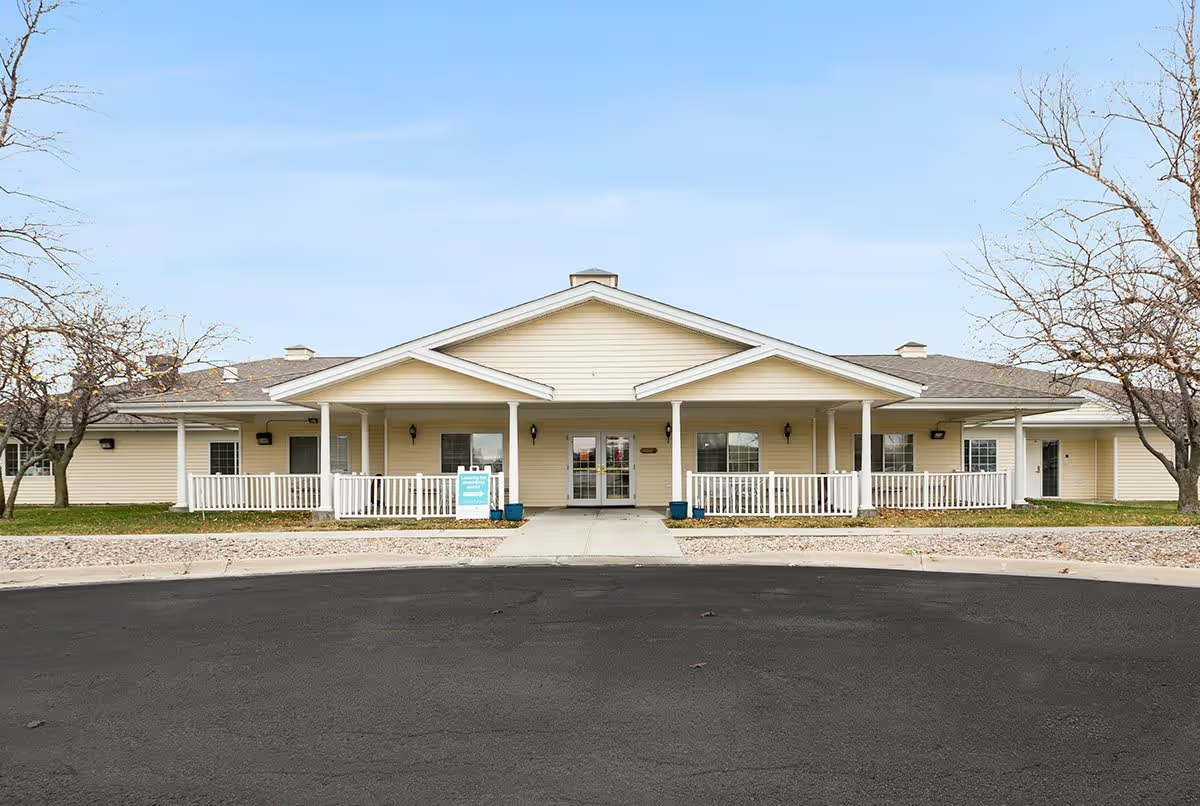
Facilities and property: Facility condition reports are mixed. Positive comments describe a welcoming atmosphere and pleasant roommate situations. Conversely, some reviews raised sanitation and pest-control concerns in certain areas, along with instances of missing personal items and problems securing residents' belongings. There are also reports of privacy breaches related to personal information handling and documentation practices.
Management and oversight: Management impressions are mixed as well. Several reviewers praised responsive coordinators and described the facility as well-run, while others noted poor oversight of care coordination, insurance navigation, and discharge processes. A serious procedural concern raised by reviewers involves alleged coordinated responses during regulatory interactions, which raises questions about transparency in incident reporting and investigatory processes.
Notable patterns and recommended inquiries: The dominant pattern is one of strong individual caregivers and therapy programs operating within a system strained by staffing shortages, inconsistent processes, and lapses in property/privacy management. Prospective families should ask facility leaders about current staffing ratios, transfer-safety protocols, medication reconciliation and discharge procedures, policies on privacy and personal-property security, pest-control records, and how the facility handles incident reporting and external investigations. Doing so will help clarify whether the facility’s strengths in therapy and individual caregiver professionalism are supported by reliable, facility-level systems for safety and communication.