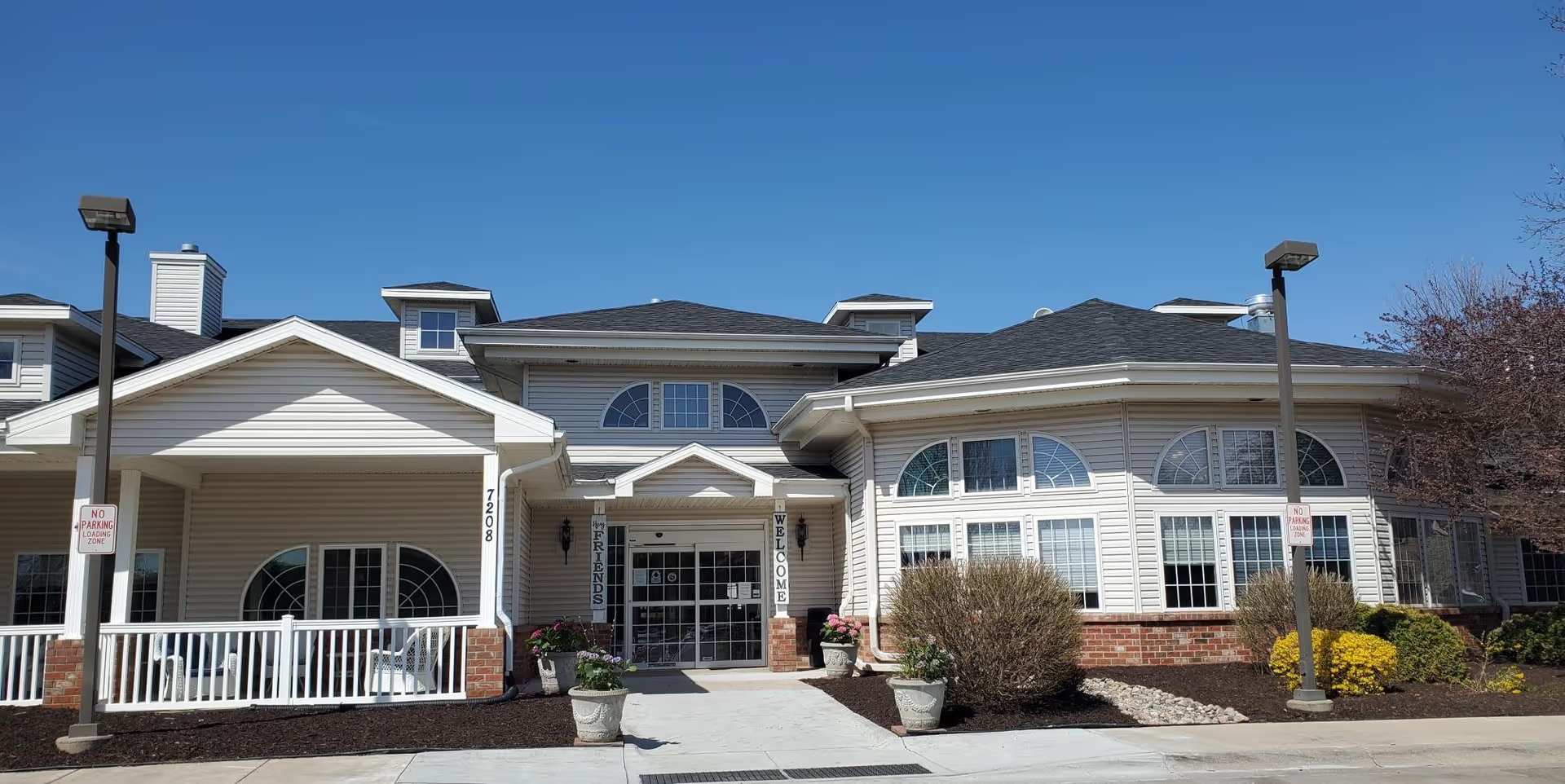
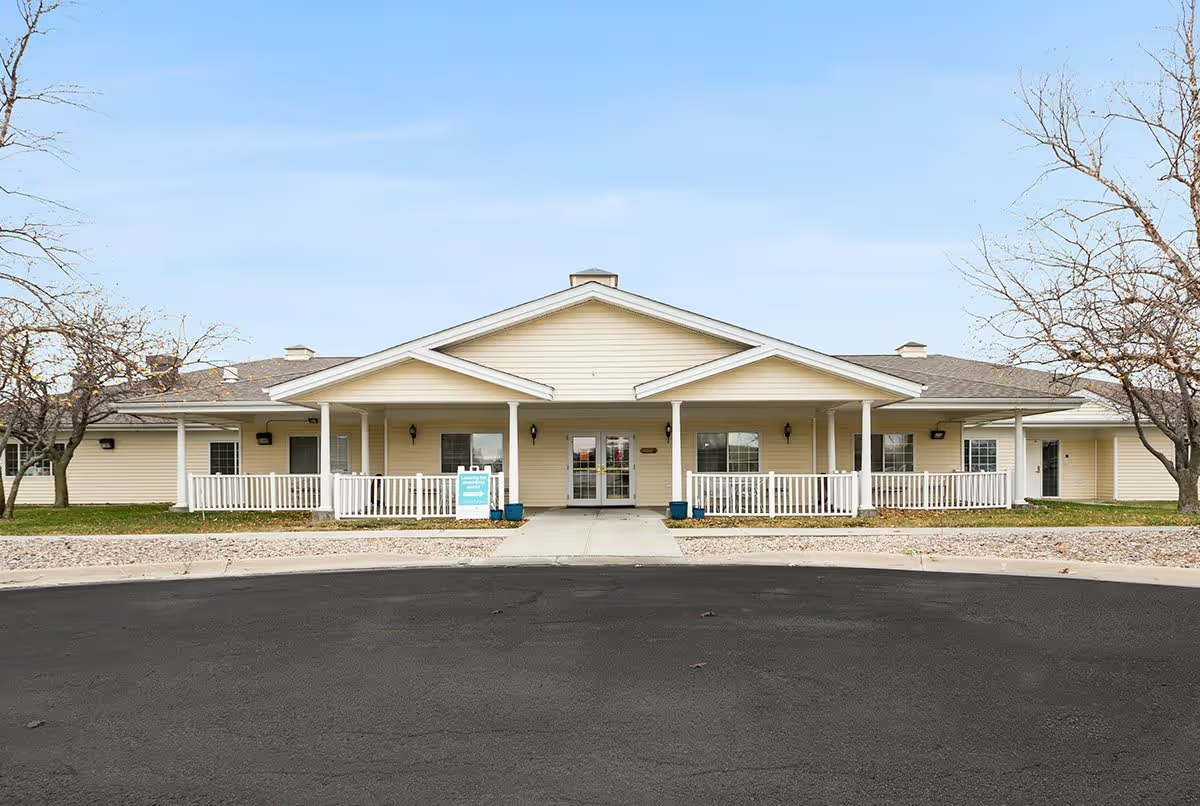
Overall impression: Reviews of Waterford at Wilderness Hills indicate a facility with many strengths centered on a small, home-like model and an engaged caregiving team. Families frequently describe staff as compassionate, attentive, and family-oriented; they note individualized attention made possible by the site's small resident capacity and visible owner/manager involvement. The building is described as new and clean, with private rooms and pleasant common areas, and several families highlighted mobility improvements, close observation, and strong end-of-life support.
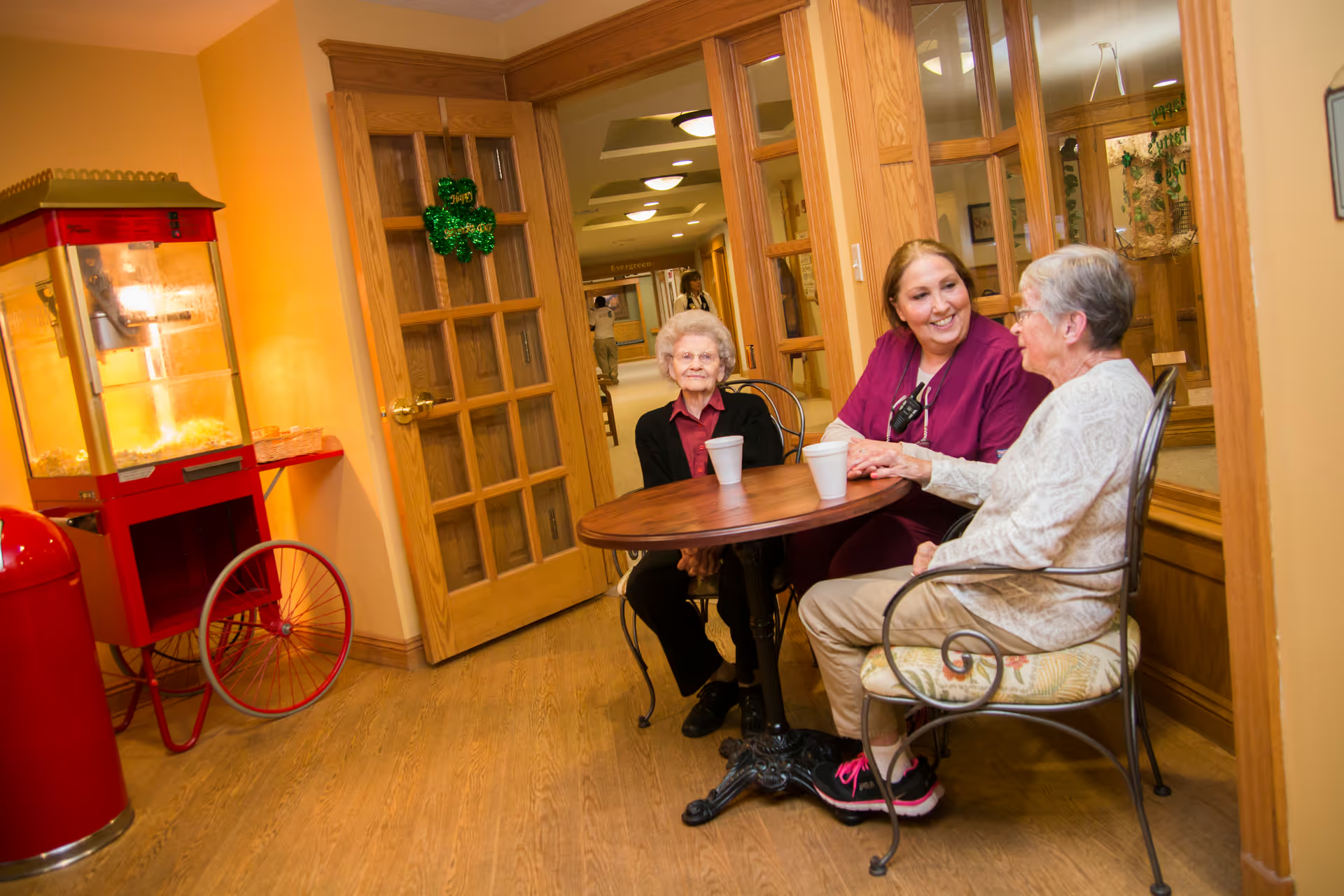
Care and staff: The dominant theme is positive interpersonal care. Reviewers praise staff empathy, responsiveness to family input, and comfort-focused practices during serious illness and end-of-life situations. Memory-care competencies are often cited, and specific staff members and managers are named as standouts. At the same time, there are recurring operational concerns: scheduling and nurse-organization gaps, variability in staff competency and attention to detail, and occasional lapses in night-staff responsiveness. A small number of serious claims include conduct and safety concerns; these are notable and warrant direct follow-up by prospective families and regulators as appropriate.
Dining and clinical oversight: Many families report flexible, personalized meal service and adjustable portions, and some reviewers called the dining experience a strength. Conversely, isolated comments point to inconsistent meal quality and at least one instance where families felt they needed to supplement nutrition. Relatedly, several reviews suggest gaps in hydration and nutrition oversight and recommend clarifying clinical monitoring and documentation practices before placement.
Activities and daily life: The facility's small size supports individualized interactions and regular walks or outdoor activity for some residents. However, multiple reviewers remarked on limited programming or the absence of a fully staffed activities director, producing an inconsistent daily schedule for enrichment. Prospective residents who prioritize a robust, structured activity calendar should confirm current programming and staffing levels.
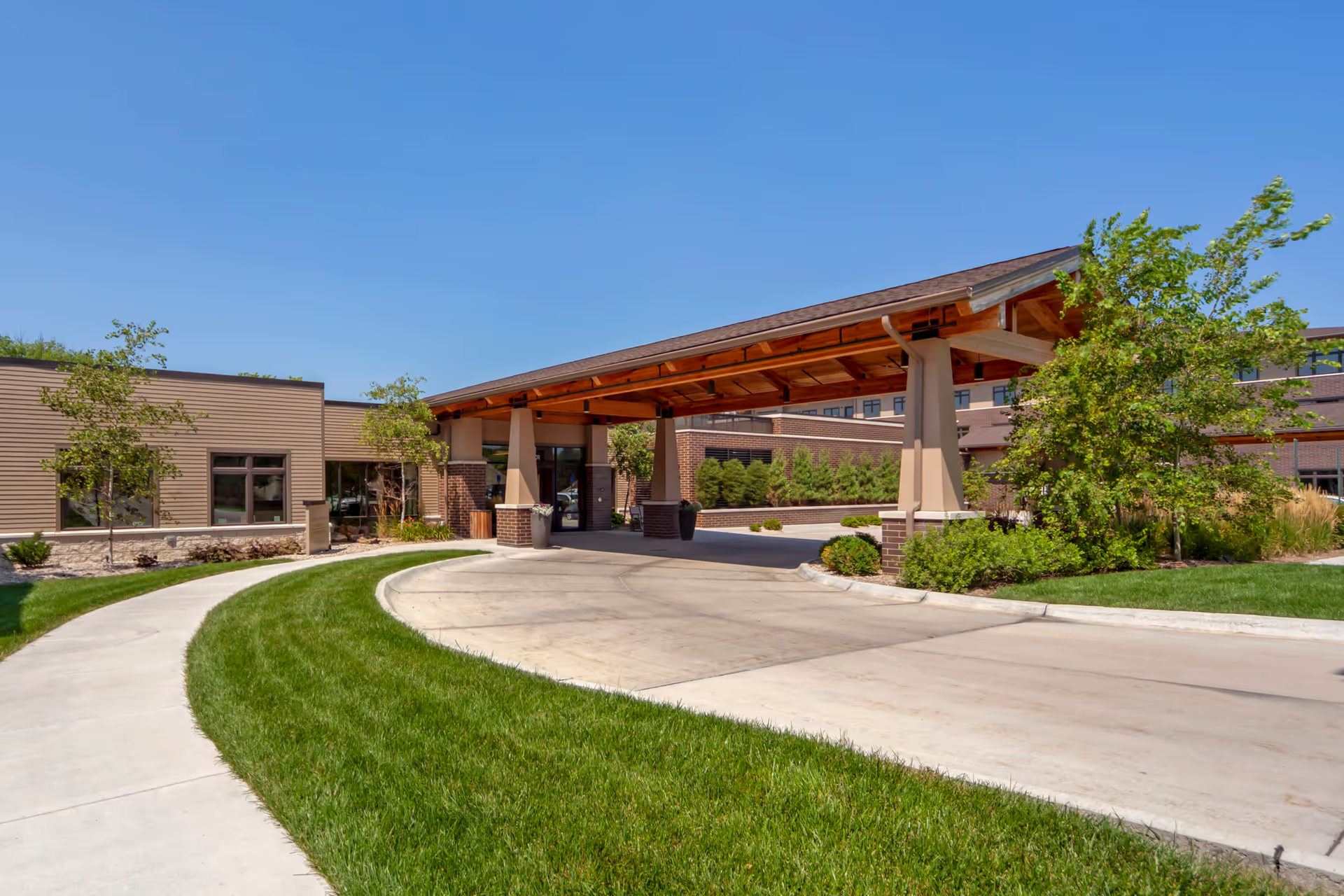
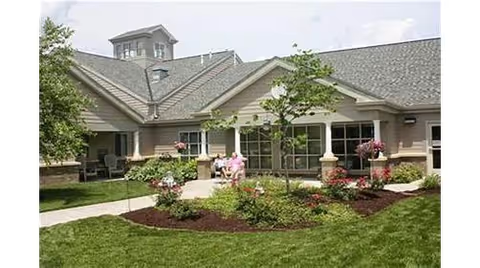
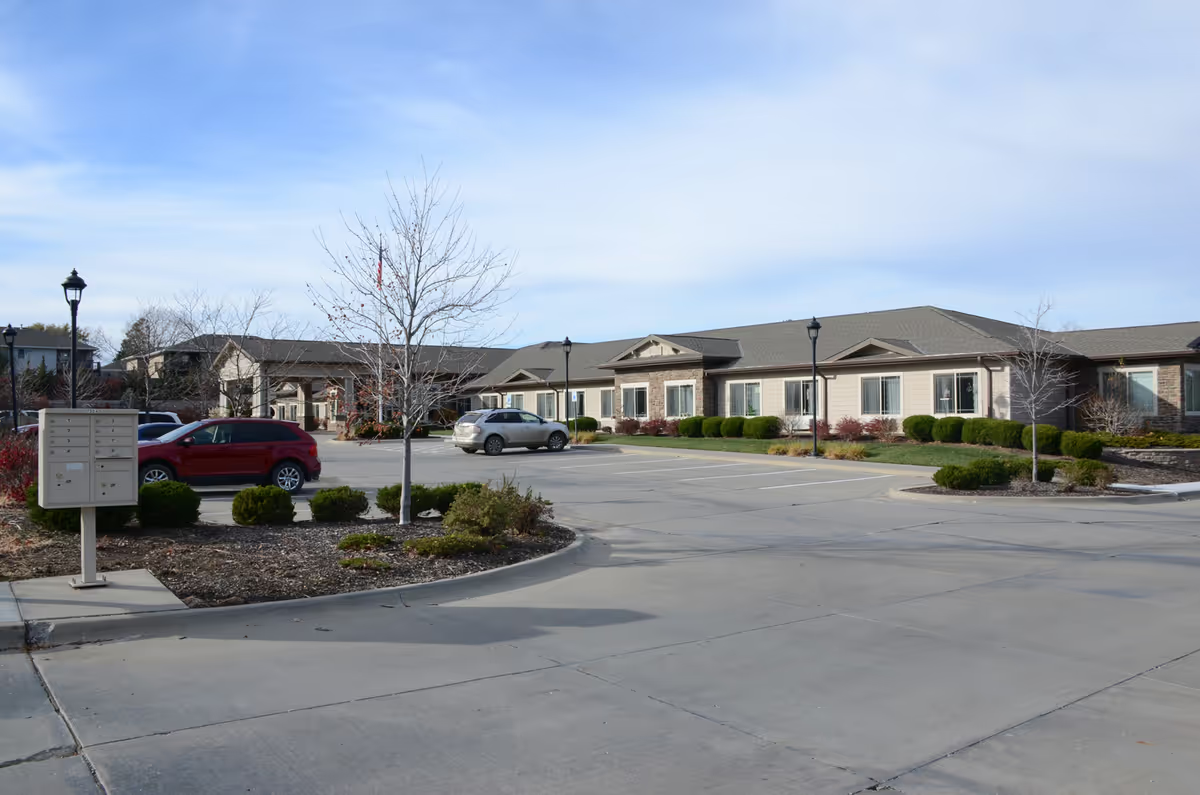
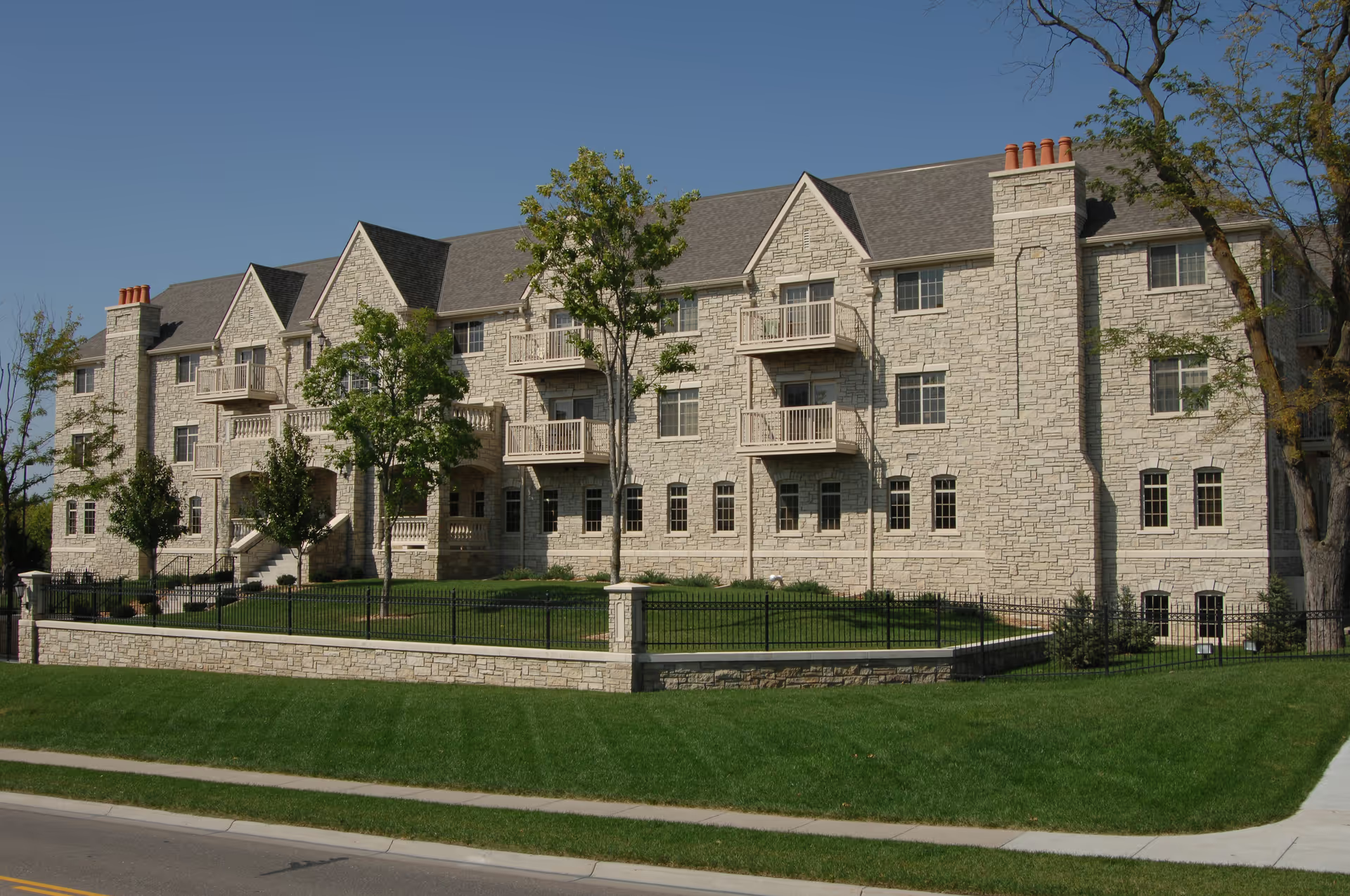
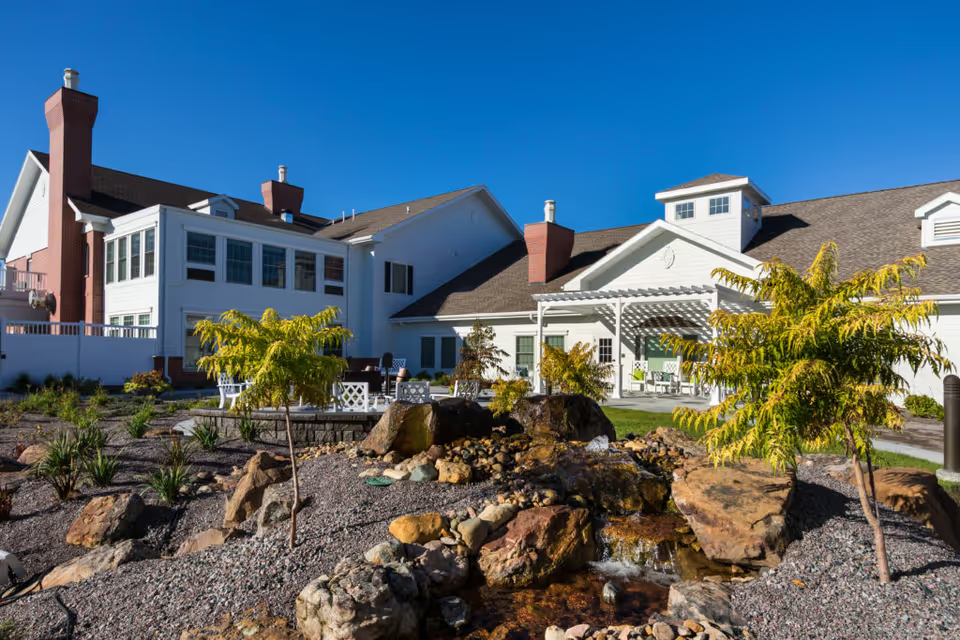
Facilities and management: Physical facilities are frequently described as attractive, quiet, and well-maintained, with convenient parking and private apartment-style rooms. Management and owner involvement are generally seen as positive, with helpful support groups and responsive leadership. That said, several comments reference behind-the-scenes organizational issues—notably nurse scheduling and staff recognition—which translate into operational variability affecting day-to-day care.
Notable patterns and recommendations: The prevailing pattern is one of strong relational care in a small, comfortable setting, balanced against intermittent operational inconsistencies. Prospective families should weigh the advantages of a small, family-style environment and personalized care against documented concerns about staffing consistency, activity programming, and clinical oversight. Before deciding, visitors should tour during different times of day, ask about staff-to-resident ratios and turnover, review activity schedules, and request clear information on nutrition/hydration monitoring and incident-response procedures. For any concerns involving resident safety or conduct, seek documentation of the facility’s incident investigations and corrective actions.