Overall impression: Reviews present a mixed picture. Many families and some residents describe a family-owned community with attentive, compassionate staff and a focus on residents' quality of life. At the same time, there are substantive operational concerns that recur across accounts — chiefly inconsistent staffing, clinical-process gaps, and uneven facility upkeep. Prospective families should weigh both the reported strengths and the recurring weaknesses and verify current conditions in person.
Care quality and clinical systems: Praise centers on individual caregivers and certain nurses who provide high-touch, personalized care; on-site rehabilitation services are also noted positively. However, multiple accounts indicate systemic gaps in clinical processes: missed or incorrect medication administrations, delays in responding to resident needs, and examples of pressure ulcers requiring higher-level care. These indicate potential weaknesses in medication administration controls, staff training, and transfer/assistance protocols rather than isolated interpersonal problems.
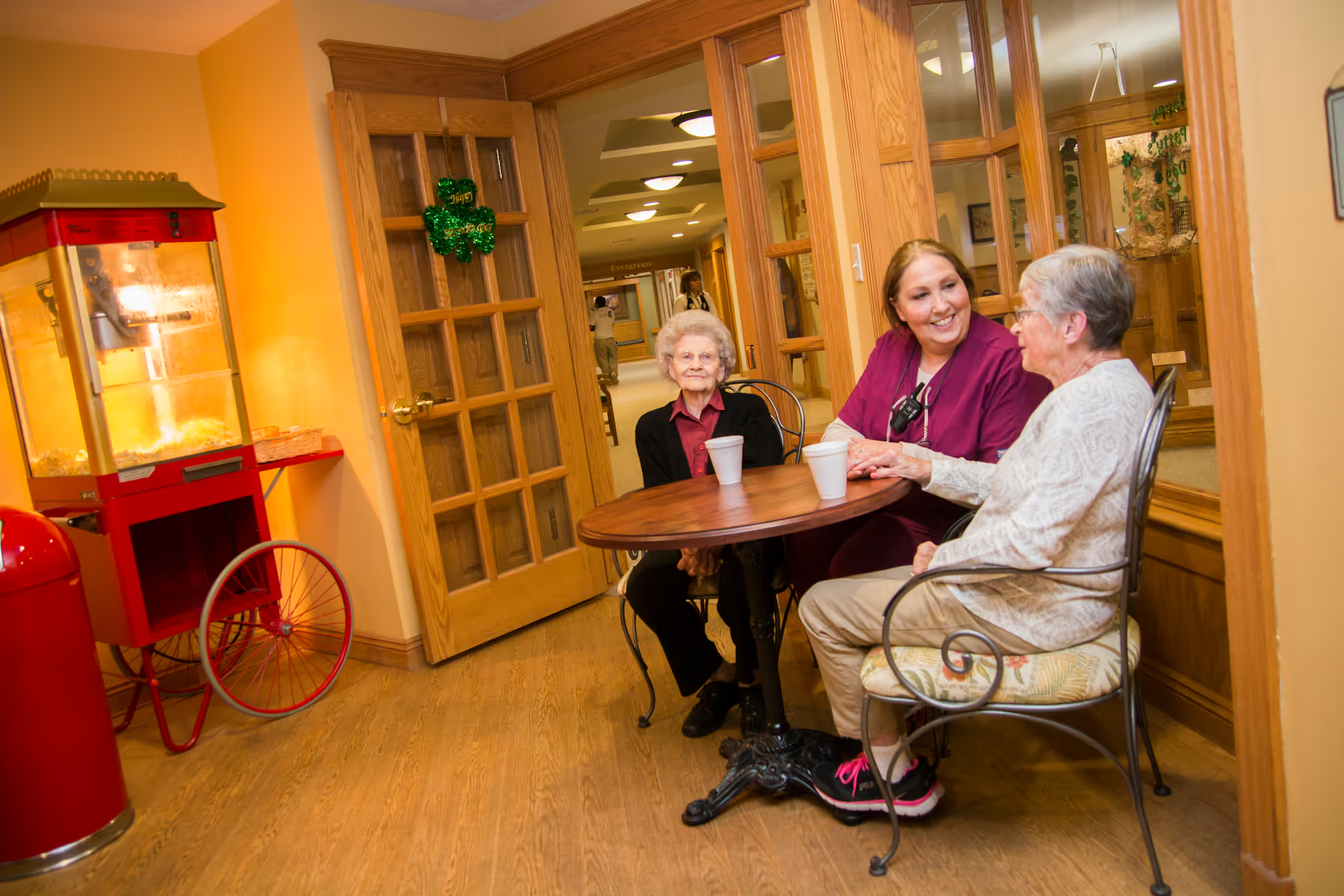
Staff and workplace culture: Many reviewers describe staff who are friendly, patient, and helpful, and some nursing teams receive strong endorsement. Counterbalancing that are consistent statements about understaffing (including single-shift coverage challenges), turnover of experienced employees, morale problems tied to payroll and HR practices, and perceived favoritism or close-knit relationships among leadership and employees. These cultural issues appear to influence continuity of care and grievance resolution.
Dining and activities: Dining impressions vary sharply. Some families note acceptable meals and active social programming (cards, group activities, devotional services), while others describe inconsistent food quality, overcooked entrees, and a lack of diabetic-friendly or therapeutic menu options. Activity programming is present in parts of the facility but is described as limited or insufficient by other reviewers, with reports of residents lacking meaningful engagement in certain units.
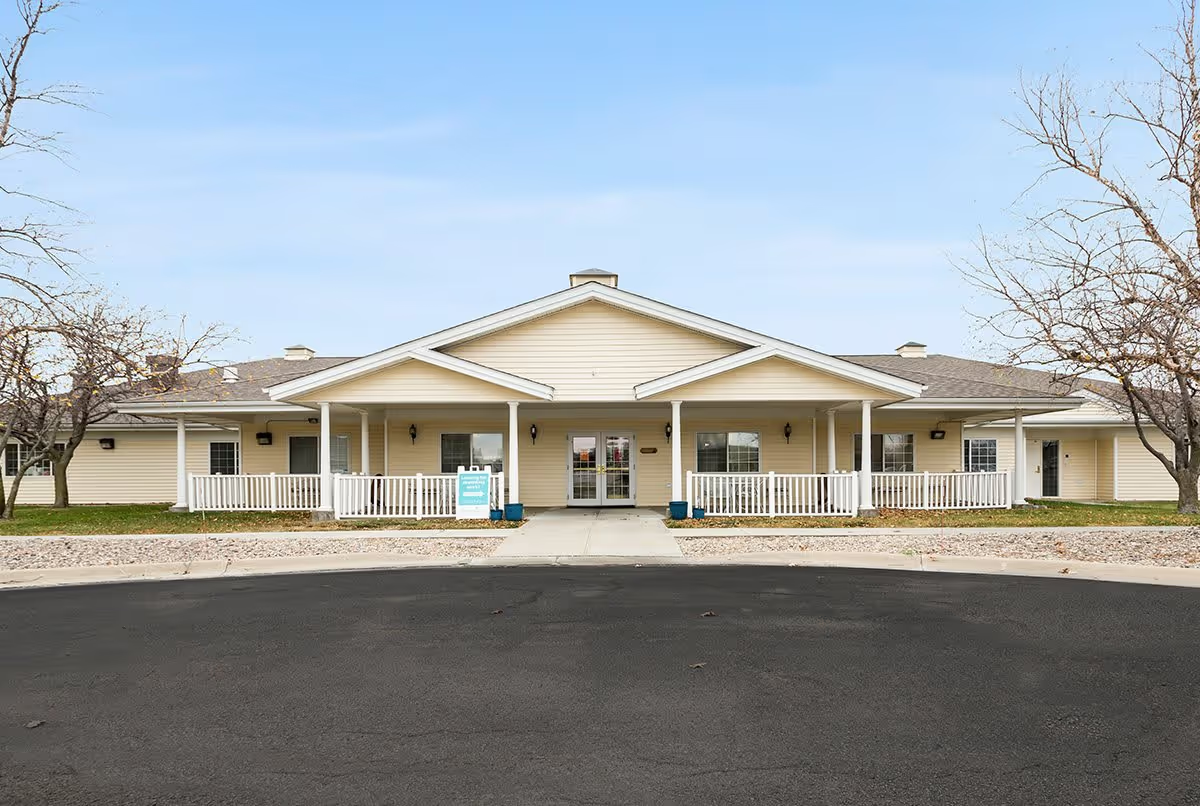
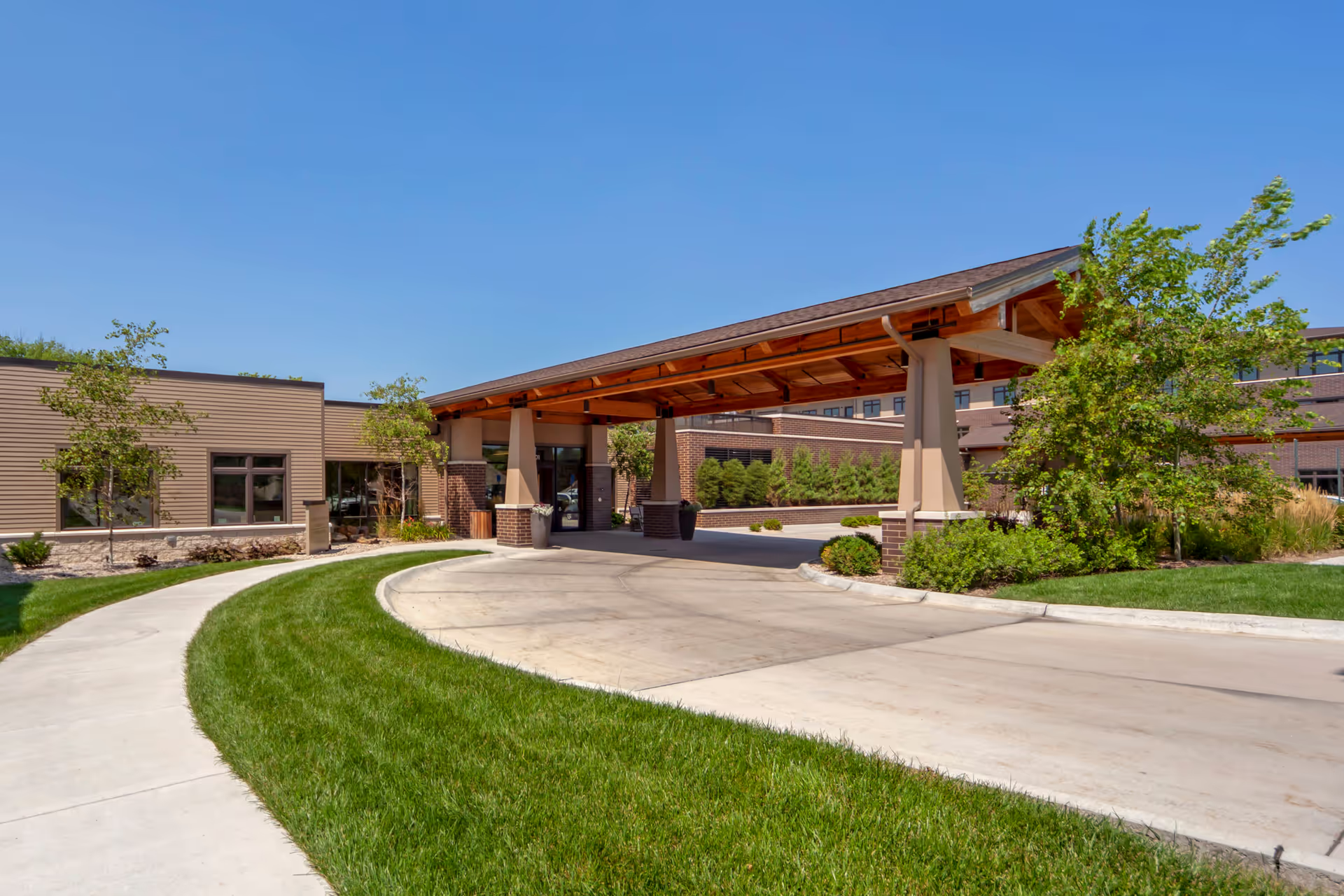
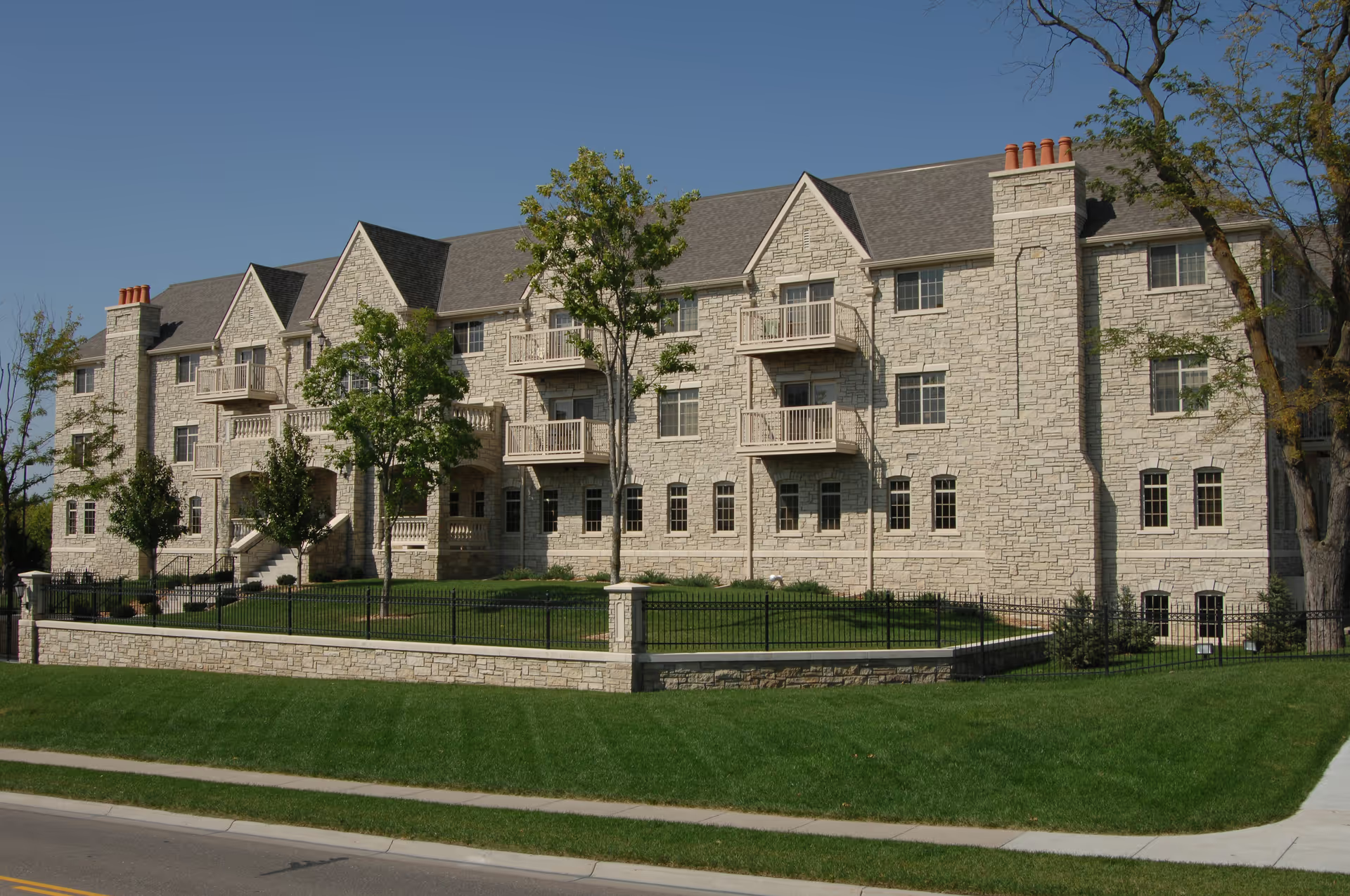
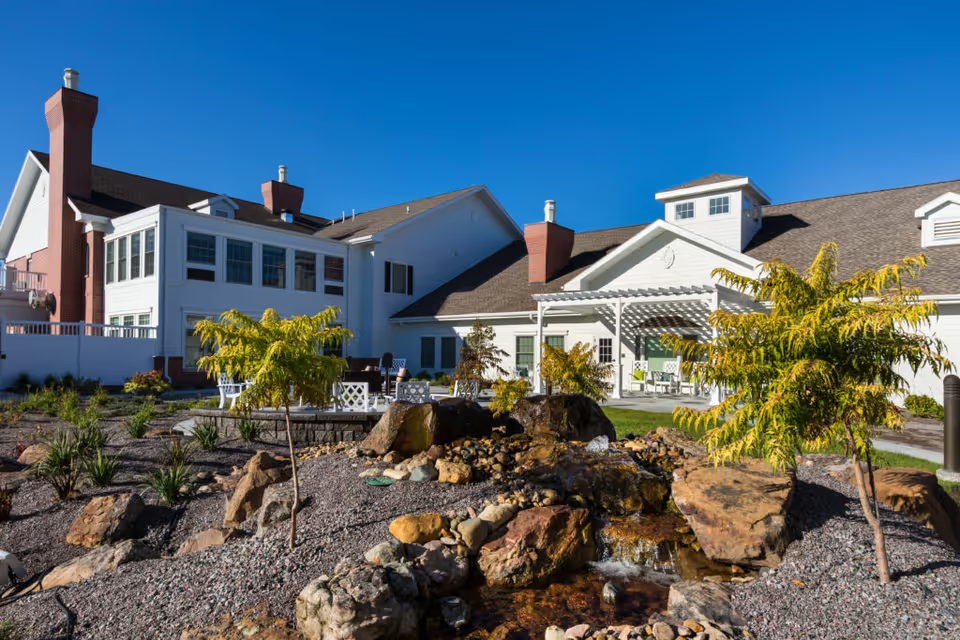
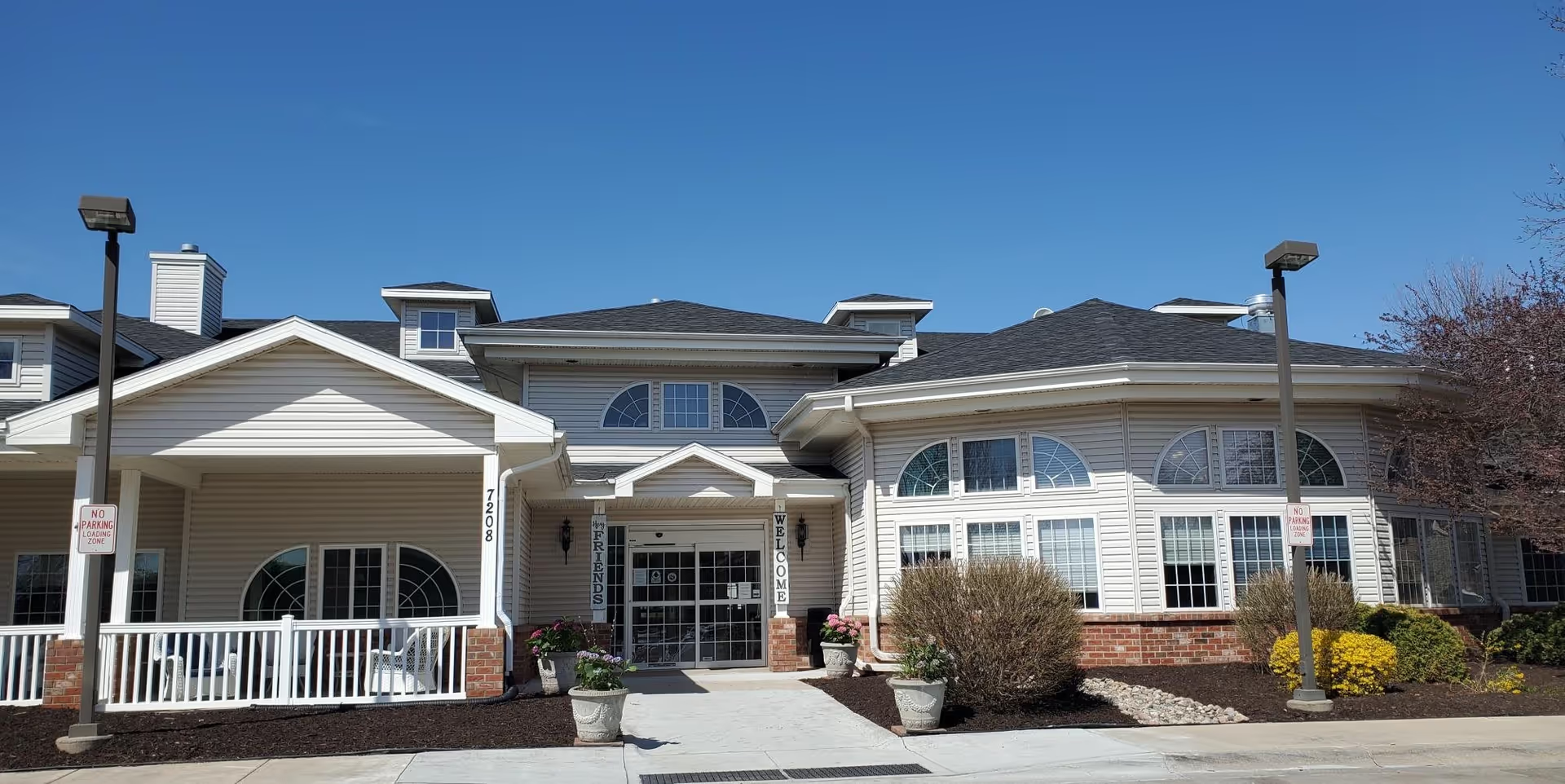
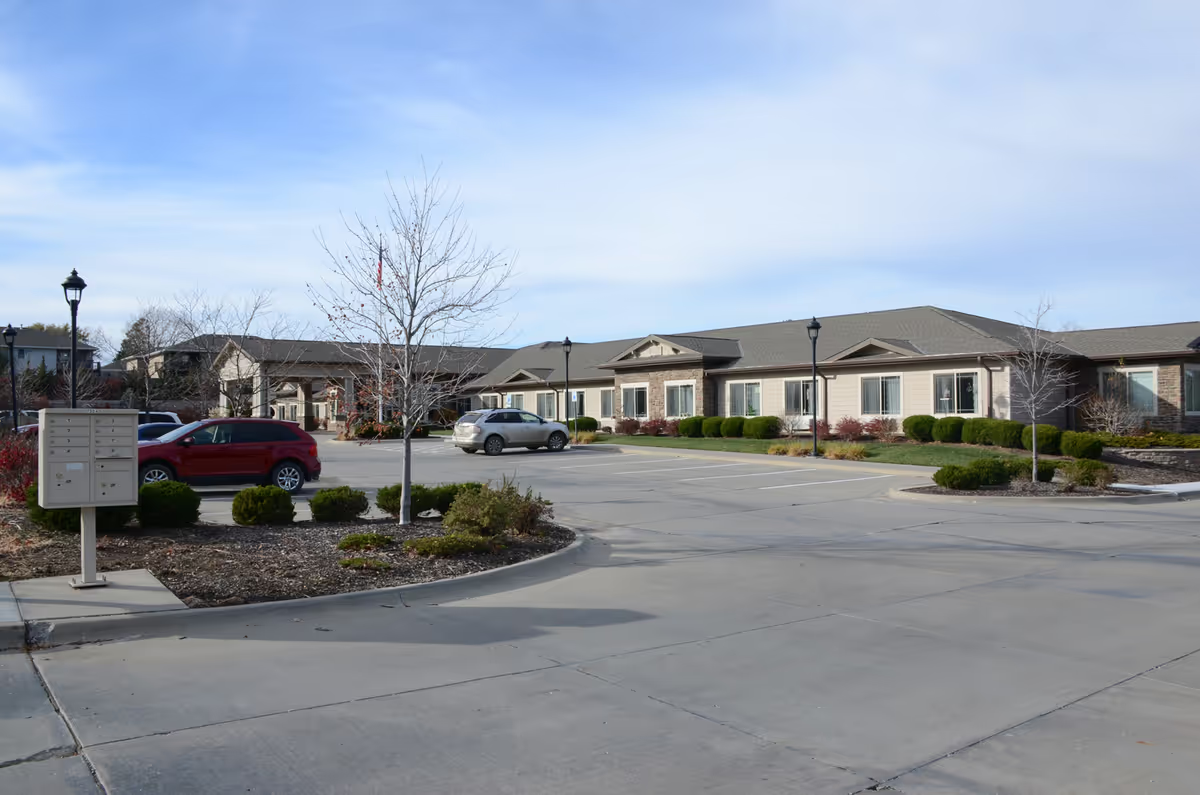
Facilities and operations: The physical plant shows contrasts between renovated, bright areas and older wings needing maintenance. Reviewers mention uneven cleanliness and sanitation across units, and odor concerns in some common areas. Transportation and outing services are described as unreliable by several families, which can affect access to appointments and family visits. There are also noted restrictions or inconsistencies in visitation practice and family communication in some cases.
Management and communication: Positive accounts highlight responsive, community-focused management, while negative accounts raise concerns about grievance handling, perceived cover-ups, and limited channels for family input. Together with payroll and personnel-practice concerns, these management issues appear to contribute to staff turnover and inconsistent resident experiences.
Notable patterns and guidance: The dominant pattern is variability — strong, individualized care and good services exist alongside operational shortcomings that can materially affect resident safety and comfort. When evaluating this facility, visitors should ask for up-to-date staffing ratios by shift, documented medication-administration protocols, sample menus including therapeutic options, recent maintenance and sanitation audits, and written policies for incident reporting and family communication. A focused tour of both renovated and older wings and conversations with current families and unit nursing staff will help clarify whether the facility's strengths or its operational gaps are most representative of current practice.