Ambassador Health of Nebraska City is characterized in these summaries by a strong emphasis on compassionate, resident-centered care and an overall positive living environment. Families and observers consistently highlight attentive caregiving, personalized care plans, and a cohesive nursing/med‑tech team. Administrative and front‑office staff are described as friendly and supportive, contributing to a sense of safety and respect for residents and their families. The facility’s physical environment receives frequent praise for cleanliness and upkeep, and residents are often described as engaged and joyful within a festive atmosphere.
Care quality and staff behavior are central strengths. Multiple accounts describe staff who build rapport, provide emotional support during end‑of‑life situations, and treat residents with dignity. These descriptions point to effective bedside manner among clinical and direct‑care employees and an ability to support families through difficult transitions. At the same time, a subset of summaries raises operational concerns: mentions of staff errors and perceived apathy indicate uneven performance across shifts or teams. These concerns cluster around inconsistent conduct, occasional care‑delivery mistakes, and lapses that undermine family trust.
Dining receives little direct commentary in the collected summaries; neither consistent praise nor substantive criticism about meals appears prominently. Activities and social programming, however, are consistently noted as positive contributors to resident quality of life. Descriptions of an engaged staff facilitating festive events and generally joyful residents suggest active social programming and staff involvement in recreational life.
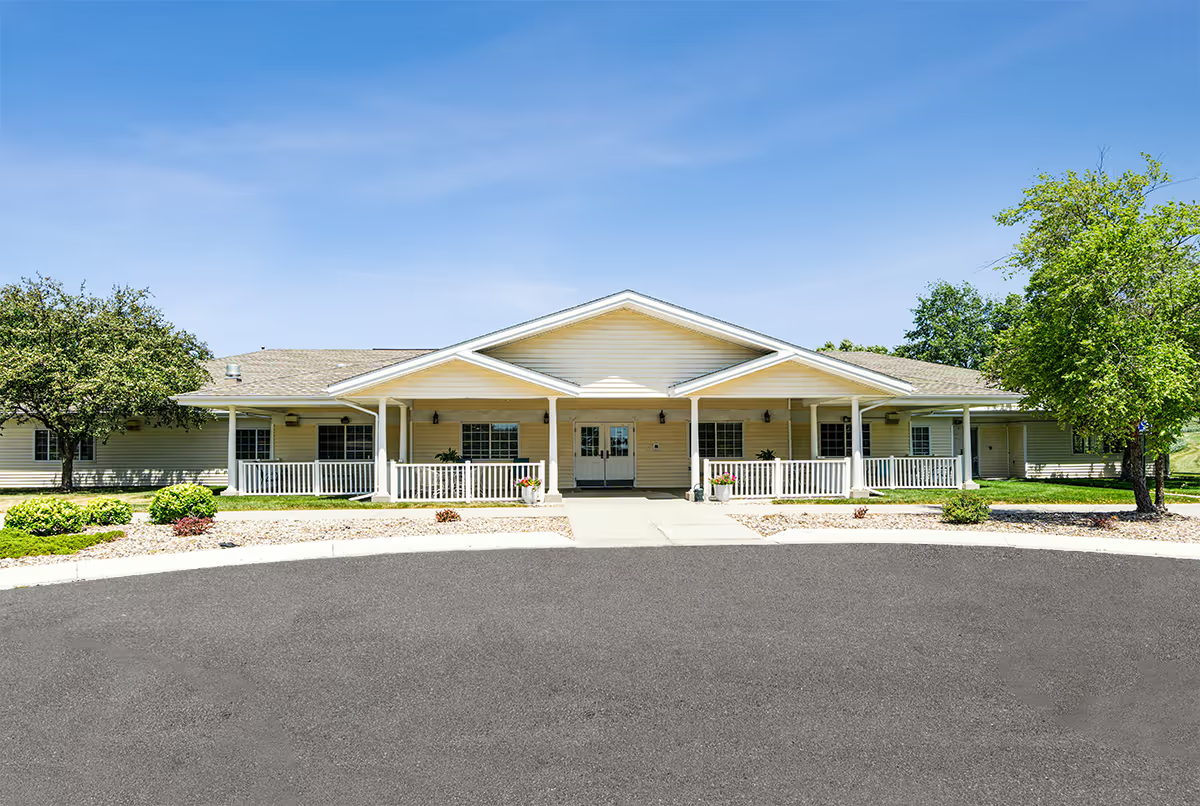
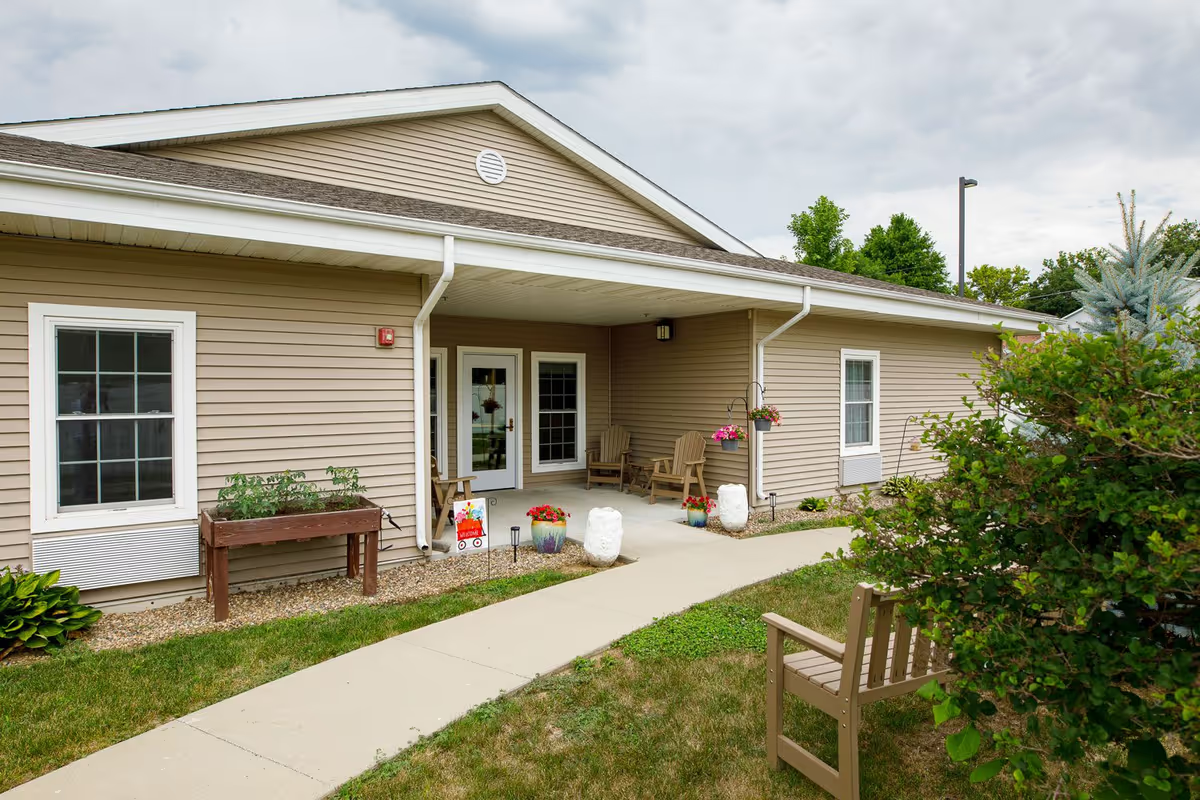
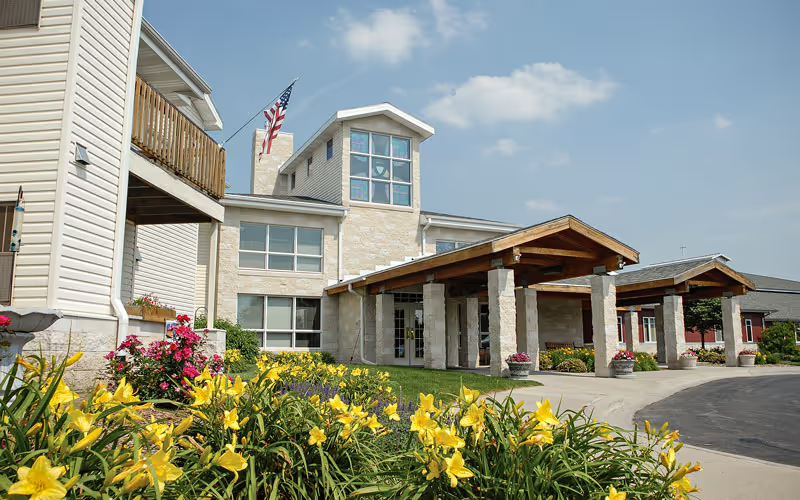
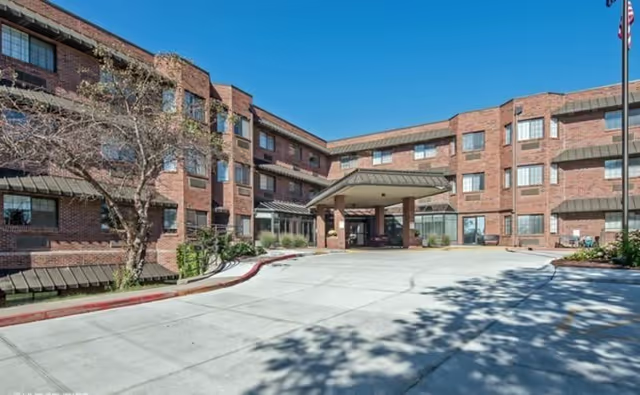
Facilities and management are generally presented favorably. The building and common areas are described as clean and pleasant, and administrative staff are seen as accessible and supportive. Nevertheless, the recurring pattern of isolated negative experiences points to opportunities for management to strengthen quality assurance: clearer communication channels with families, more consistent staff training and supervision, and formalized processes to reduce care‑delivery errors would address the primary operational weaknesses implied by the critiques.
Notable patterns: overall sentiment is strongly positive with particular acclaim for compassionate hands‑on care, emotional support, and a well‑maintained environment. Dissenting comments focus on inconsistent staff performance and trust/communication gaps rather than facility infrastructure. Prospective residents and families would benefit from asking about staffing continuity, quality‑control measures, and family‑communication protocols during tours or admission discussions, and from observing staff–resident interactions during recreational activities.