Overall impression: The facility is characterized by a small, family-owned model that many families describe as warm and home-like. Strengths repeatedly mentioned include one-on-one attention from caregivers, a family-style atmosphere, hands-on owner involvement, and a range of social activities that support resident engagement. Cleanliness and comfortable common spaces — including private bedrooms for many residents and an outdoor backyard area — are frequently cited as positive features.
Care quality and staffing: Most accounts emphasize compassionate, attentive staff who provide personalized monitoring and 24/7 attention. Reviewers praise staff for meaningful interactions, end-of-life sensitivity, and going above and beyond typical caregiving tasks. At the same time, there is evidence of variability in staff conduct and engagement: some reviewers describe unprofessional behavior or limited interaction at times. A small set of accounts raises serious concerns about responsiveness during specific care situations, which suggests unevenness in how staffing and monitoring are deployed across shifts or cases.
Dining and clinical oversight: Dining is generally described as home-style and balanced, with owner-prepared meals and an emphasis on comfort foods and celebrations. However, a few reviews indicate operational gaps in assistance with feeding and in hydration/nutrition monitoring. These items point to inconsistent execution of basic care tasks for residents who require hands-on feeding support rather than a consistent systemic failure across all residents.
Activities and social programming: The facility offers a variety of activities, including arts and crafts, celebrations, nail-salon days, and opportunities for residents to have purposeful roles (jobs within the home). These programs contribute to a social, engaging environment and are cited as helping residents feel comfortable and connected.
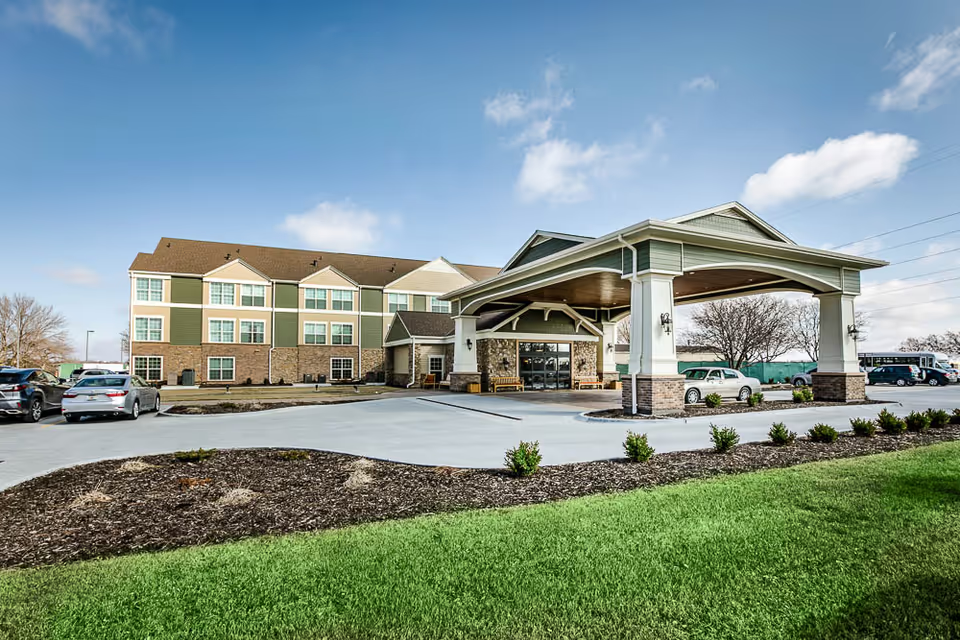
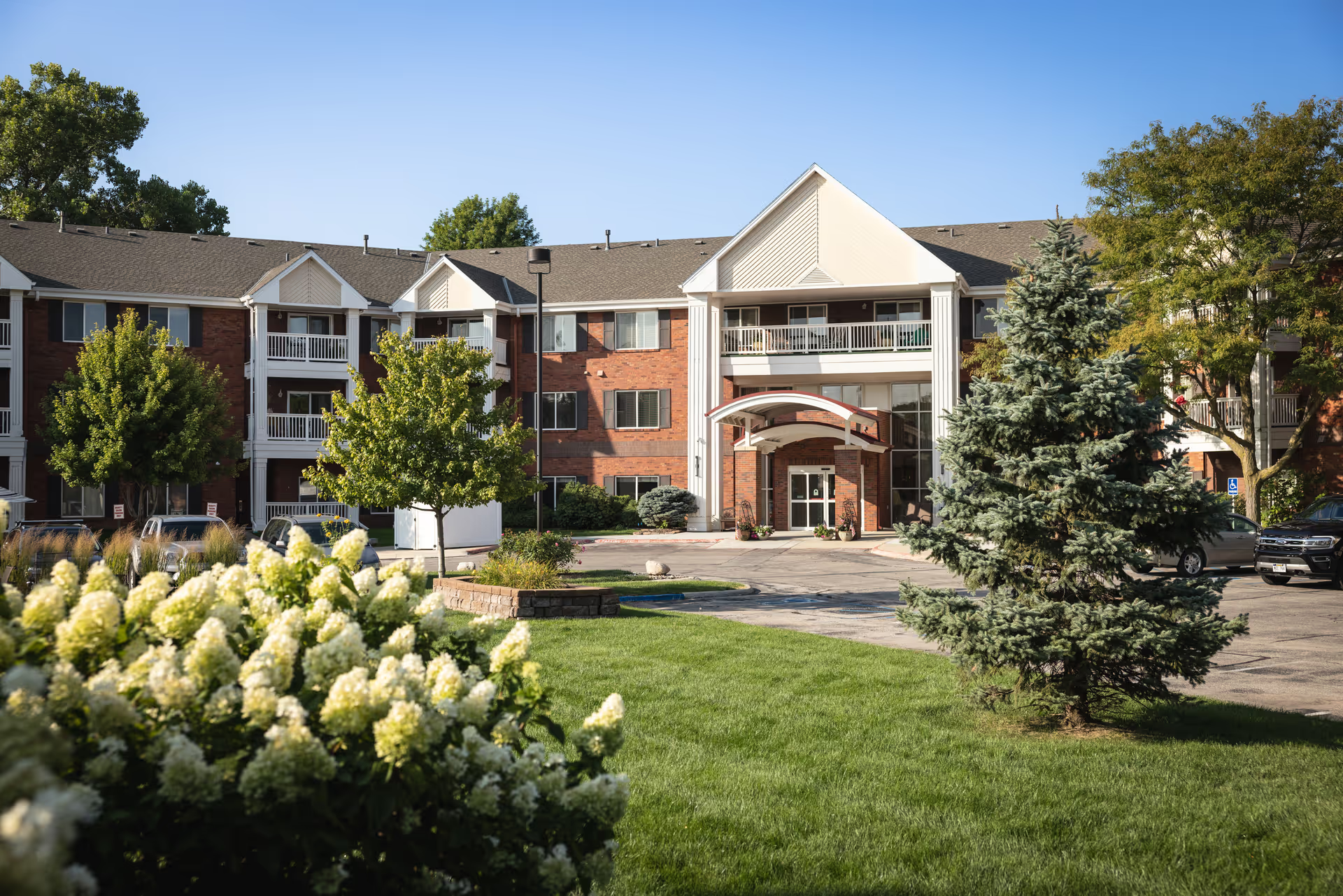
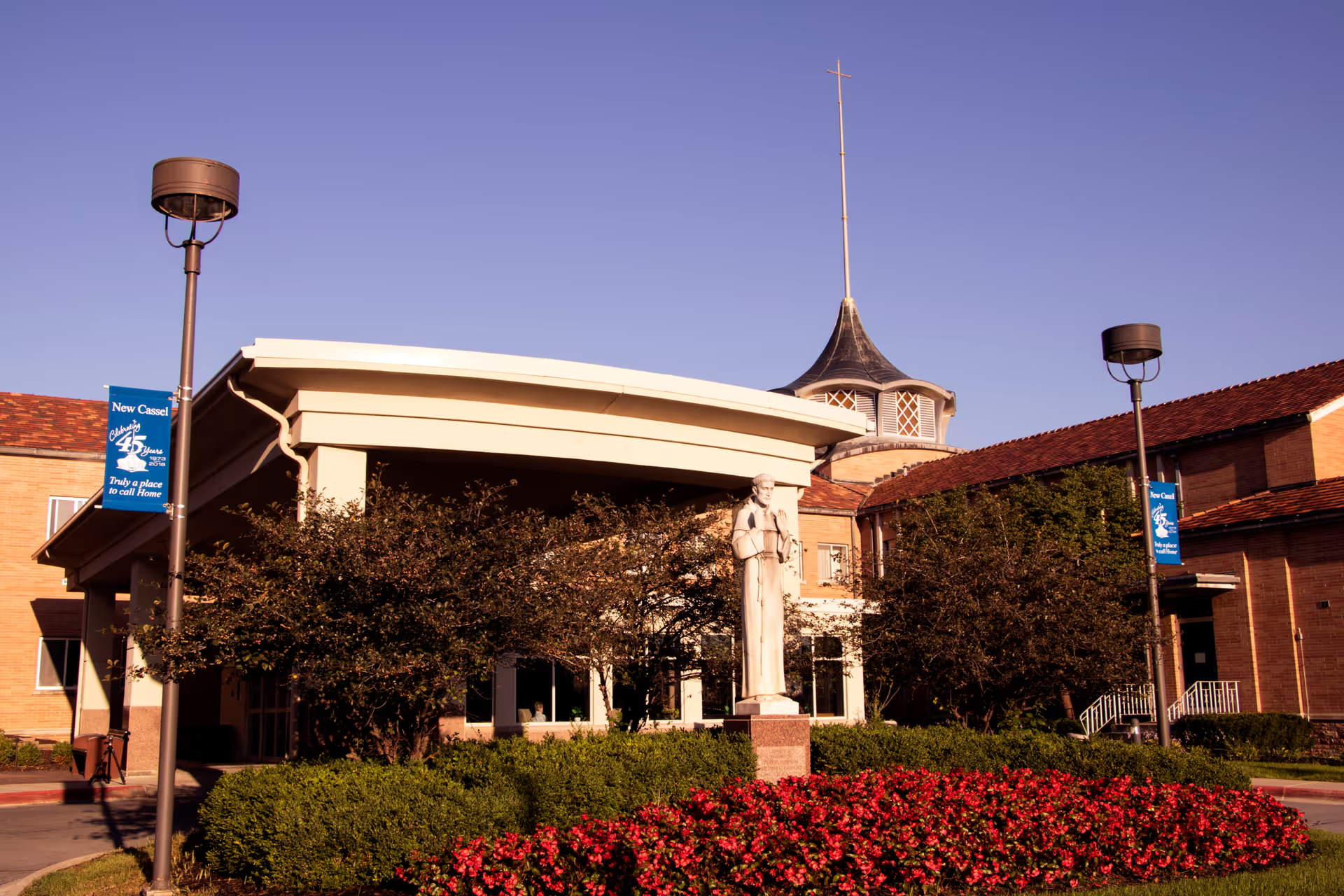
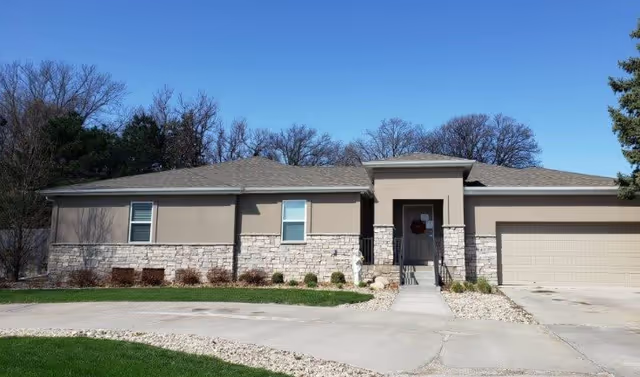
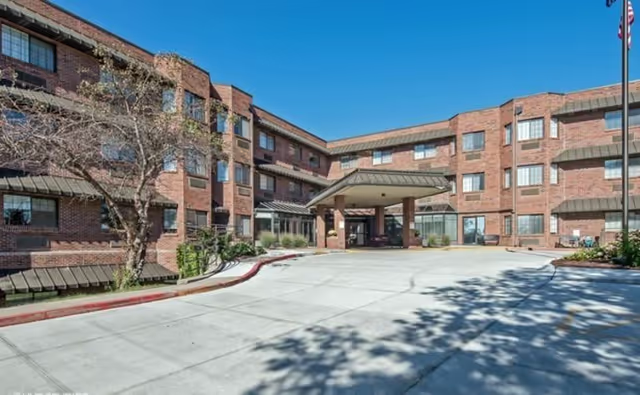
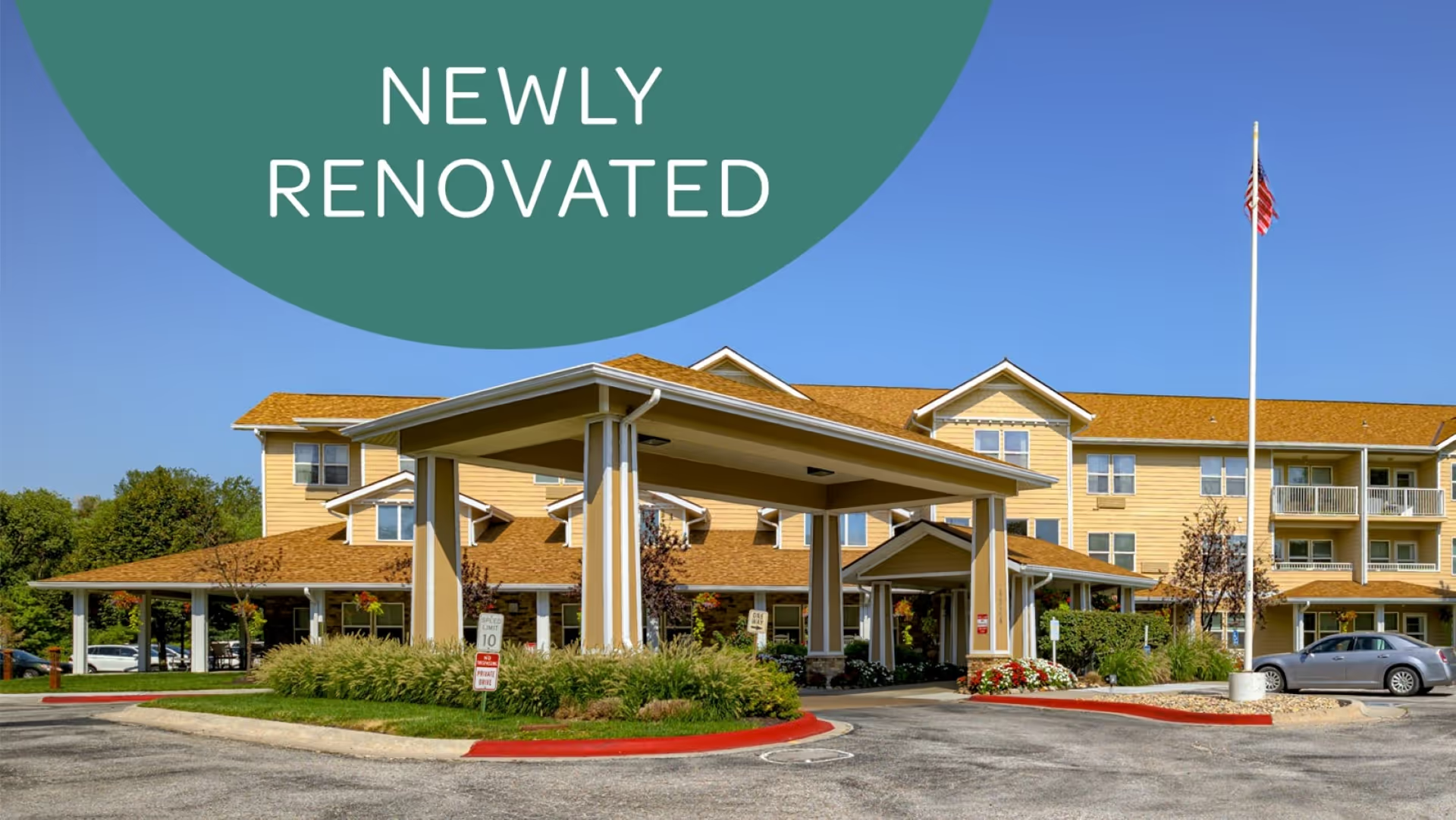
Facilities and environment: Physical spaces are described as clean, homey, and comfortable. Private bedrooms and familiar personal seating in common rooms are noted, as is accessible outdoor space for sitting and walking. Some units include shared bedrooms, which may be a consideration for families prioritizing privacy.
Management and communication: The provider is family-owned and locally operated, with owners who remain involved in daily routines and meal preparation; this hands-on management is seen as a strength by many families. Yet, there are patterns suggesting gaps in clinical-incident response and in communication with families when issues arise. Combined with reports of variability in staff professionalism, these patterns point to areas where more consistent protocols, training, and family communication could strengthen overall reliability.
Notable patterns and suitability: The home-like model appears well suited to residents who value a small, relationship-driven setting and who do not require high-acuity medical care. Many families recommend the facility for long-term, comfort-focused care and end-of-life support. Prospective residents and families should weigh the benefits of personalized, small-community care against the potential for variability in staff performance and the facility's limits in managing complex medical needs; asking specific questions about staffing ratios, feeding assistance protocols, incident escalation, and privacy options (private vs. shared rooms) during a tour is advisable.