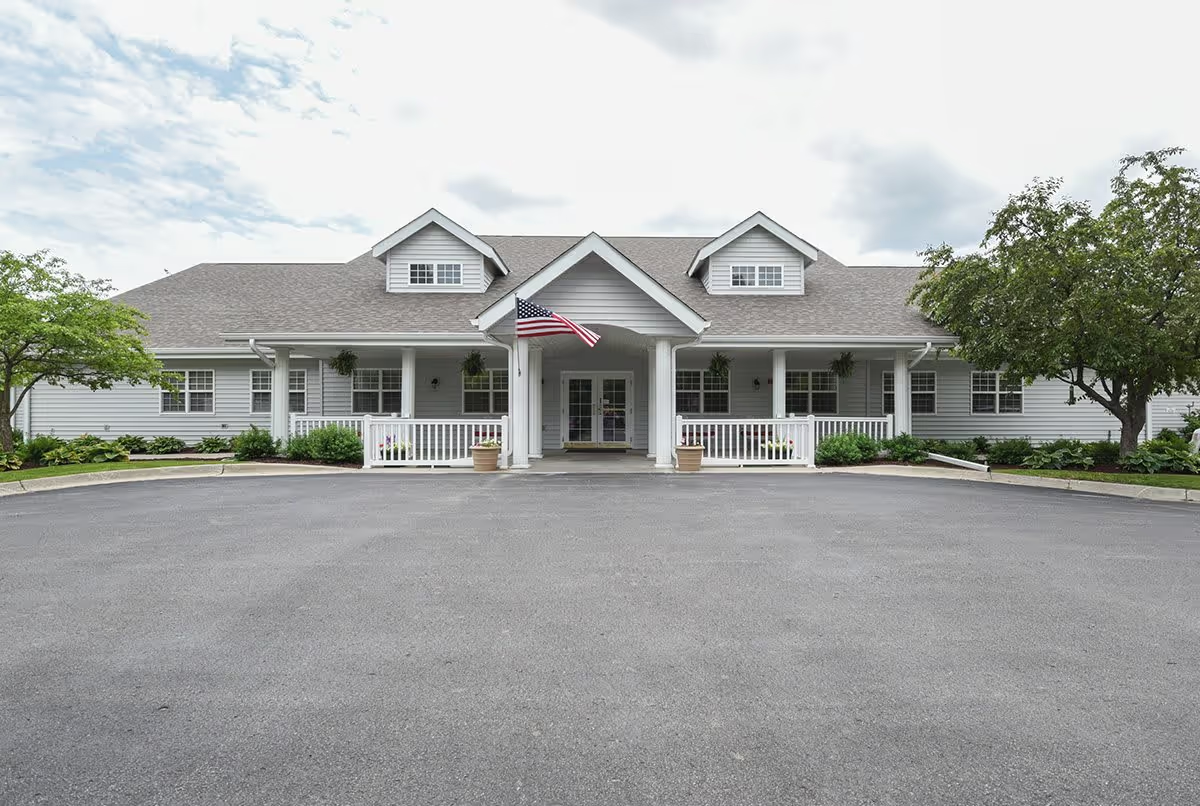
Reviewer feedback for St. Joseph Villa is highly polarized, with many families praising clinical care, activities, and the dining experience while other accounts raise serious operational and safety concerns. Positive comments emphasize compassionate, attentive nursing and aide care, active rehabilitation and therapy services, and an engaging activities program that includes music, outings, and well-organized events. Several reviewers also noted helpful admissions and social-services support, availability of hospice and neighborhood nursing services, routine care-plan meetings, and options for video visits — all elements that contribute to family reassurance in many cases.
Care quality and clinical safety show a mixed picture. Numerous reviewers describe individualized attention from nurses and aides, clear medical updates, and successful rehab outcomes. Conversely, there are substantive concerns about medication administration, clinical-safety practices, and specific instances that reviewers interpreted as lapses in clinical oversight. These accounts translate into a pattern suggesting inconsistent medication-management controls and gaps in some aspects of clinical safety and incident response; prospective families should inquire about current medication-safety protocols, staff training, and incident follow-up procedures.
Staff and workplace culture is another area of divergence. Many reviews praise long-tenured, invested staff who create a friendly, cheerful environment and foster socialization. At the same time, there are reports indicating tensions in staff-to-staff communication, perceived disrespect toward aides, and variability in professionalism among leaders. These observations point to uneven supervisory practices and a potential impact on team morale and consistency of resident care.
Dining and activities are frequently cited strengths: reviewers note good meals, a large dining room, and a broad calendar of activities that promote engagement. However, some accounts identify inconsistent meal-service timing, variable food quality in particular units, and odor concerns in certain dining or memory-care areas. Memory-care programming receives praise for specialized outings and activities in some reports, yet the physical environment in parts of the memory-care unit is described as restrictive — with locked doors and limited outdoor access — producing an institutional feel for some families.
Facility management and administrative practices elicited both positive and negative commentary. Helpful, communicative administrative staff and social services were highlighted by several families, yet a subset of reviews raises concerns about administrative conduct, handling of complaints, delays with Medicaid processing, and even allegations of financial or ethical misconduct. There are also reports of restrictive visitation practices and inconsistent transparency with families, which have contributed to frustration for some loved ones.
Overall, St. Joseph Villa demonstrates notable strengths in caregiving, activities, and rehabilitation, but persistent themes in the feedback suggest operational variability: inconsistent medication and clinical-safety practices, staffing shortages, communication gaps, and uneven management practices. Prospective residents and families would benefit from an in-person tour of general and memory-care areas, direct questions about medication-safety protocols, staffing ratios, private-room availability, visitation policies, complaint-resolution procedures, and recent state inspection or quality records to better assess current performance and fit.