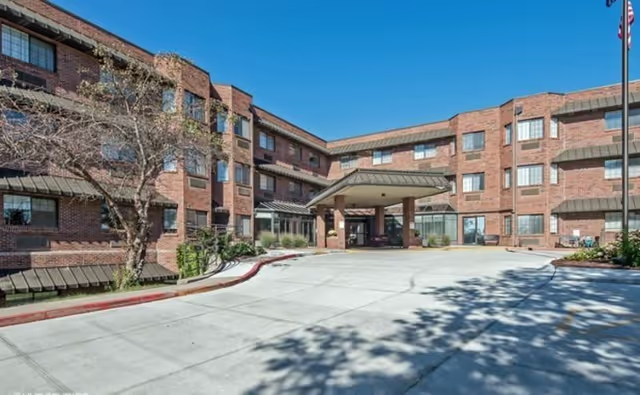
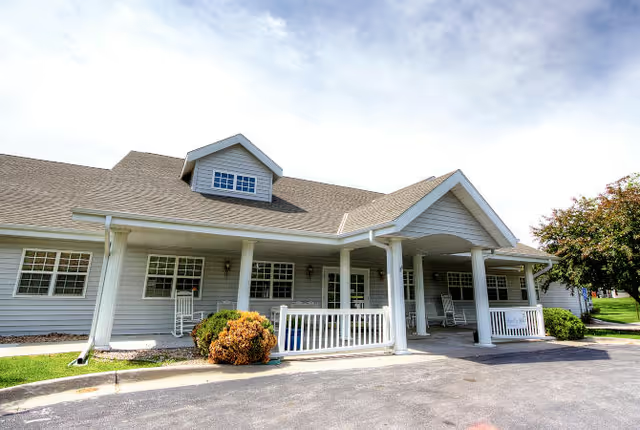
Hope Cooperative Care elicits strongly mixed impressions. Several reviewers praised the direct caregiving staff as friendly and compassionate, and many described clean, well-kept common areas including halls, bathrooms, and dining spaces. Some family members reported positive, constructive communication with staff and expressed satisfaction with their relative’s daily experience; these reviewers cited attentive interpersonal care and an overall orderly interior environment. The facility also serves residents with behavioral-health needs, which some families found appropriate and fitting for their situation.
At the same time, a range of operational weaknesses is repeatedly described. The most serious recurring concerns relate to clinical oversight: reviewers described lapses in medication administration (including missed insulin and extended medication gaps), inconsistencies in personal-care routines, and inadequate wound-management follow-up. These issues suggest gaps in medication-administration controls, clinical supervision, and follow-through on care plans.
Safety and placement practices are also a prominent theme. Reviewers described incidents of unmonitored resident movement, altercations on campus and in parking areas, and law-enforcement involvement. Several comments raised questions about admission screening and placement decisions, including the housing of individuals with known violent or sexual-offense histories; these observations point to inconsistent application of placement policies and behavior-management procedures. Families also reported frustration with the facility’s responsiveness to safety concerns and uneven enforcement of conduct standards.
Management and administrative concerns appear frequently. Reviewers described poor responsiveness when raising complaints, difficulties obtaining timely explanation or resolution, and at least one allegation of financial misconduct. Others reported that management did not follow through on promised actions, blocked family communications via social media, or provided inadequate planning for transitions after hospital discharge. These patterns indicate weaknesses in complaint resolution, transparency, and contingency planning for post-acute placements.
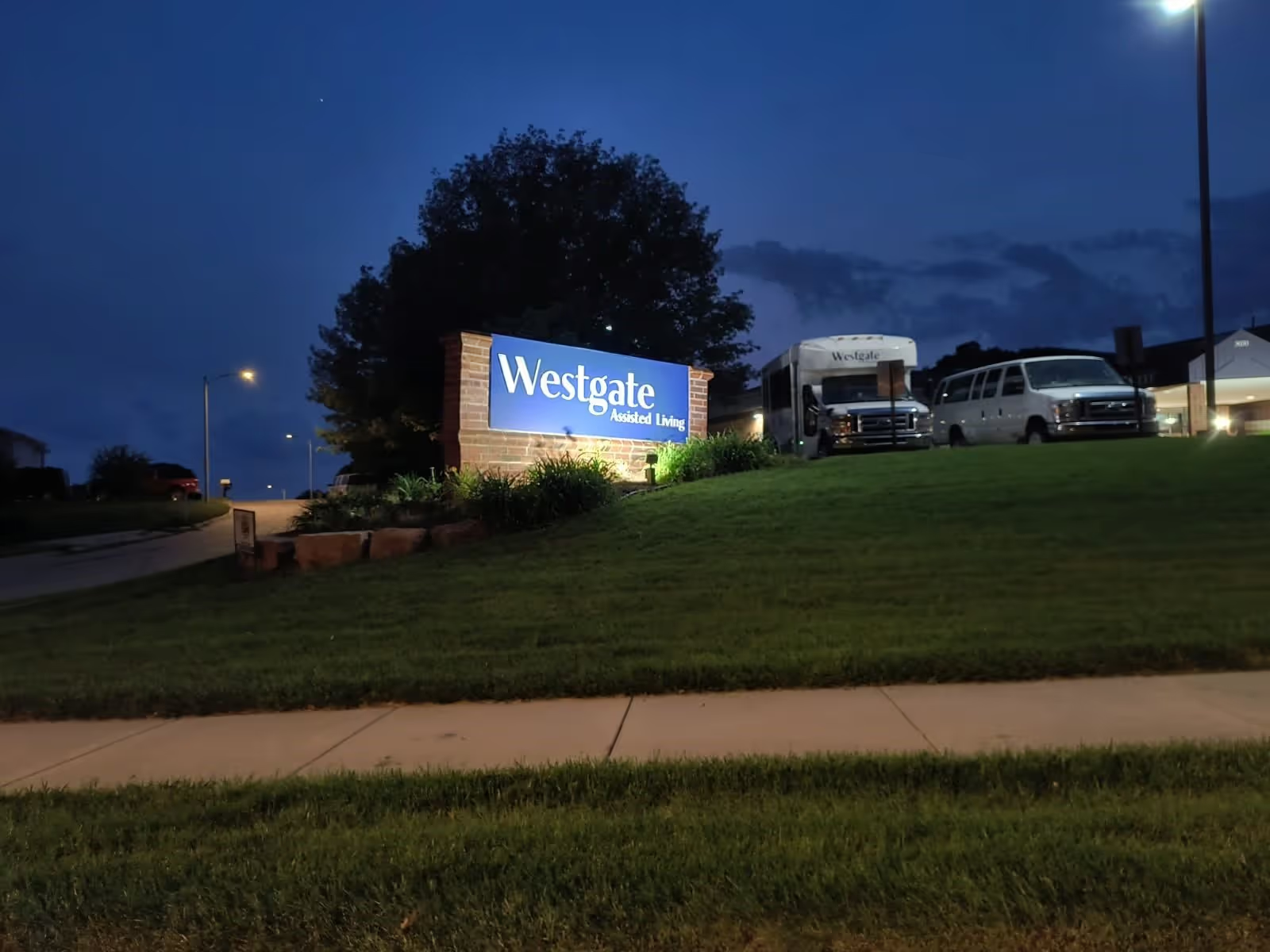
Facility upkeep and neighborhood impact were noted by multiple reviewers. While interior common areas were often described as clean, some observers cited exterior campus issues such as accumulated trash, stored building components, and other maintenance items that affect curb appeal and neighborhood relations.
For prospective residents and families: weigh the positive interpersonal experiences and the facility’s apparent ability to serve residents with behavioral-health needs against documented operational concerns. Key areas to investigate during a tour or intake conversation include medication-administration protocols and auditing, supervision and behavioral-management practices, admission-screening criteria, wound- and personal-care routines, post-hospital placement planning, and financial-administration safeguards. Ask for written policies and recent examples of corrective actions to better assess whether the facility’s management practices match the caregiving strengths that some families experienced.